
2004 Toyota Equipment For Sale in New York
Shop 2004 Toyota equipment for sale, including durable Toyota forklifts and material handling machines built for warehouse and industrial use.
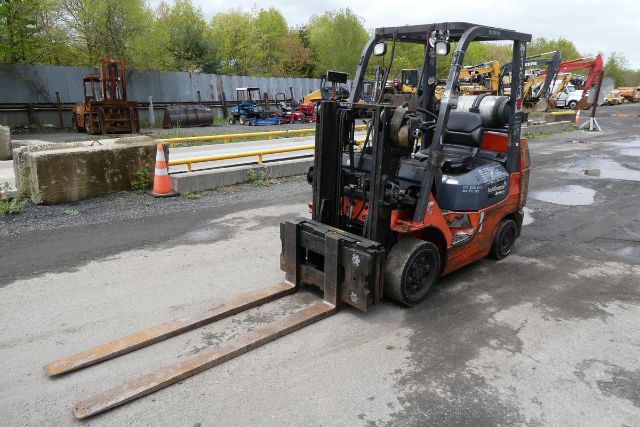
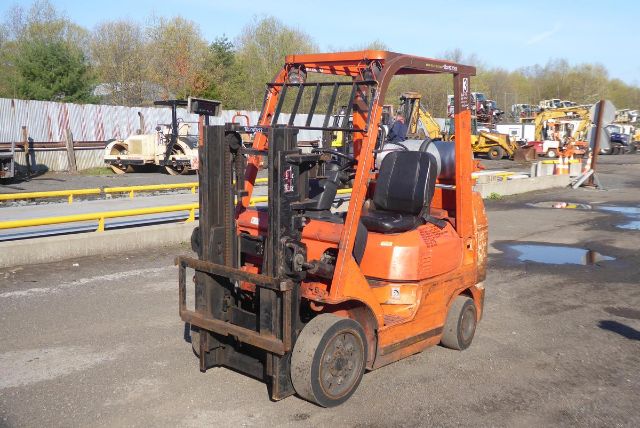
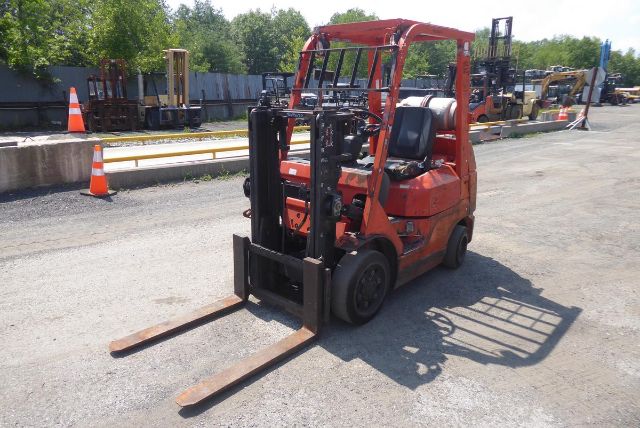
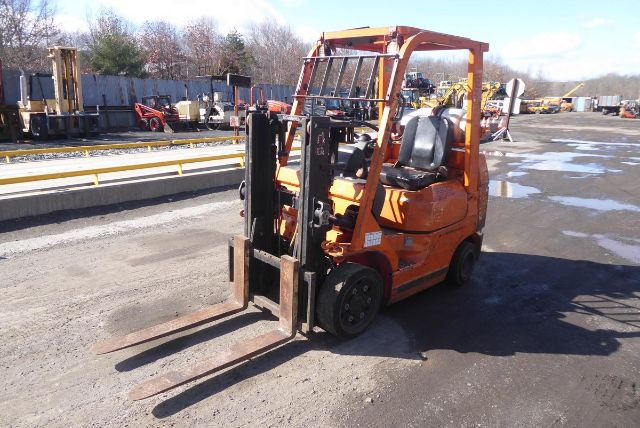
Selling a 2004 toyota equipment? List your 2004 toyota equipment for sale and reach thousands of commercial buyers.
2004 Toyota Equipment in New York
The first buying decision is usually application, not brand. A 2004 Toyota forklift for indoor work should be matched by tire type, mast configuration, and collapsed height before anything else. Cushion-tire units are common for smooth warehouse floors and tighter turning radius, while mast choice affects both stacking height and overhead clearance. Buyers should verify the lowered mast height, maximum lift height, side-shift if equipped, fork length, and actual data plate capacity. On older units, capacity can change with attachments, mast stages, and load center, so the nameplate matters more than assumptions based on model family.
Condition matters heavily on 2004 equipment. Hour meter readings help, but service history, hydraulic performance, and cold-start behavior usually tell more. On Toyota forklifts in this age range, inspect mast rollers, chain wear, tilt cylinder seals, steer axle play, brake response, and transmission engagement in both directions. LP systems should be checked for regulator condition, hose age, and clean starting under load. Solid pneumatic or cushion tires need enough usable rubber to avoid immediate replacement cost. Many used units are sold without forks or without a propane tank, so buyers should confirm included attachments and budget for those items if needed.
For New York buyers, indoor fleet use, seasonal temperature swings, and mixed warehouse-yard operation can affect what setup makes the most sense. A well-matched 2004 Toyota can still be a productive machine for pallet handling, trailer loading, manufacturing support, and building supply work if the lift capacity and mast specs fit the job. Toyota remains a practical choice in the used market because many operators already know the controls, many technicians know the product line, and replacement service parts are generally easier to source than with some lesser-supported brands.
Frequently Asked Questions about 2004 Toyota Equipment in New York
What types of Toyota equipment are most common in the 2004 used market?
The most common 2004 Toyota equipment units in the used market are forklifts, especially internal combustion warehouse and industrial lifts. Many are LP or propane-powered cushion-tire models designed for indoor material handling on smooth surfaces. Buyers may also find pneumatic-tire units for mixed indoor-outdoor use, but forklifts are the most typical Toyota equipment category from this year.
What should I check first on a 2004 Toyota forklift?
Start with the data plate, mast specs, and operating condition. Confirm rated capacity, load center, lowered mast height, and maximum lift height so the machine fits the intended racks, trailers, and door clearances. Then inspect hydraulic leaks, mast chain wear, cylinder condition, steering play, brake function, transmission response, tire wear, and hour meter credibility. A clean-running machine with strong hydraulics is usually more valuable than one with a lower stated hour reading but weak service condition.
Are 2004 Toyota forklifts still good for warehouse use?
Yes, many 2004 Toyota forklifts are still productive in warehouse service if they have been maintained and the specifications match the application. Toyota forklifts are known for dependable drivetrains, stable handling, and broad technician familiarity. The key is to buy on condition and configuration, not just age. An older unit with the right mast, tire type, and maintenance history can still perform well in pallet handling, dock work, and light industrial operations.
Is propane a good fuel choice for older Toyota forklifts?
Propane remains a common and practical fuel choice for older Toyota forklifts because it supports fast refueling, clean operation compared with diesel in indoor settings, and consistent power for warehouse duty. On a used machine, the fuel system should be inspected carefully. Buyers should check the regulator, lockoff, lines, fittings, and starting behavior under cold and warm conditions. Propane cylinders are often not included with used forklifts, so that should be confirmed before purchase.
How important are mast height and tire type on a used Toyota lift?
They are critical because they directly affect where and how the forklift can work. Lowered mast height determines whether the truck will clear doors, trailers, and low overhead areas. Maximum lift height determines stacking capability. Tire type affects turning radius, ride, and surface suitability. Cushion tires are preferred for indoor concrete floors, while pneumatic tires are better for rougher outdoor surfaces. Getting these two specifications wrong can limit the machine more than any issue related to brand or model year.