
2004 Toyota Equipment For Sale
Browse 2004 Toyota trucking equipment listings, including durable Toyota forklifts known for LPG power, warehouse maneuverability, and reliable lift capacity.
Selling a 2004 toyota equipment? List your 2004 toyota equipment for sale and reach thousands of commercial buyers.
2004 Toyota Equipment
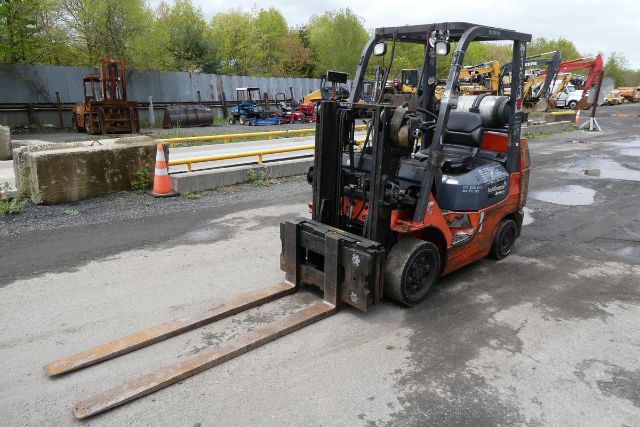
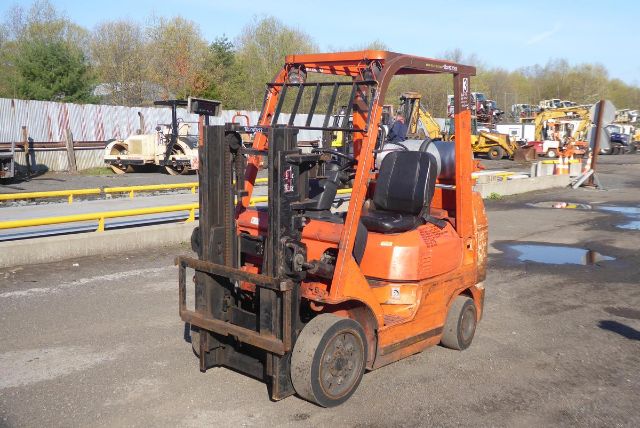
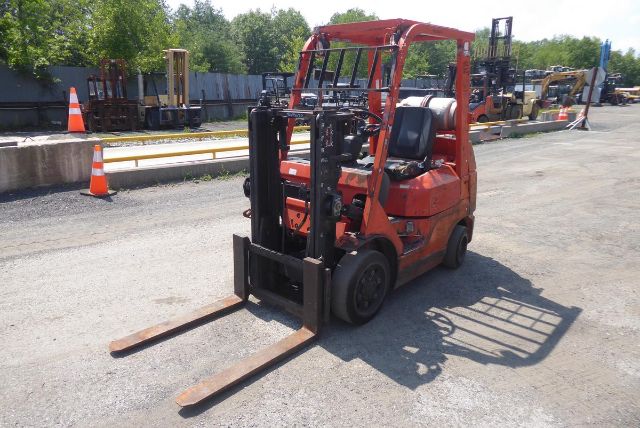
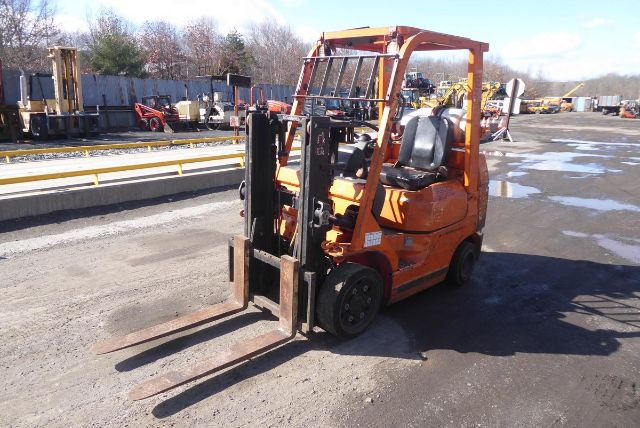
In this age range, common Toyota lift truck configurations include 4,000 to 5,000 lb capacity models with dual mast setups, automatic transmission, and propane-powered 4-cylinder engines. Overall width is typically in the mid-3-foot range, with operating weights often around 7,500 to 8,000 lbs depending on mast, tires, and attachments. Many units in this class use solid cushion tires, which work well on smooth concrete but are not ideal for rough outdoor surfaces. Buyers should pay close attention to lift height, collapsed mast height, side shift or fork positioner presence, and whether forks are included, since missing forks or limited mast specs can change the real working value of the machine.
Condition matters more than model year on older Toyota material handling equipment. Hour meter readings are useful, but they should not be the only decision point, especially when hours are marked not actual. A better approach is to inspect cold-start behavior, hydraulic response, mast chain wear, tilt cylinder seals, steer axle play, brake function, and transmission engagement in forward and reverse. On propane units, check for regulator condition, idle quality, and clean acceleration under load. Electrical faults such as seat switch, intake sensor, or warning light issues may be minor, but they still affect downtime and troubleshooting costs.
A 2004 Toyota forklift can be a practical fit for LTL terminals, warehouses, manufacturers, lumber handling under cover, and general freight operations that need a proven indoor lift truck instead of a higher-cost late-model machine. Buyers should match the truck to the floor surface, aisle width, pallet weight, and attachment requirements before focusing on price alone. If the job involves enclosed docks, tight turning radius, and repeated pallet handling, an older Toyota forklift remains a well-known option because replacement parts, technician familiarity, and resale recognition are generally better than many off-brand alternatives.
Frequently Asked Questions about 2004 Toyota Equipment
What kind of Toyota trucking equipment is most common in this category?
The most common Toyota trucking equipment in this category is typically a forklift, also called a lift truck or fork lift. Many listings center on warehouse and dock forklifts with cushion tires, propane engines, and rated capacities in the 4,000 to 5,000 lb range. These machines are used for pallet handling, trailer loading, freight movement, and indoor material handling rather than over-the-road hauling.
What should I inspect first on an older Toyota forklift?
Start with the mast, hydraulics, and drivetrain. Check lift and tilt functions for smooth operation, inspect cylinders for leaks, look at mast channels and chains for wear, and confirm the transmission engages cleanly in forward and reverse. After that, evaluate brake performance, steering play, tire condition, propane fuel system components, and any active warning lights. On older units, overall operating condition is usually more important than the year on the decal.
Are propane Toyota forklifts a good choice for warehouse work?
Yes, propane Toyota forklifts are a common choice for warehouse and dock work because they refuel quickly, deliver consistent power, and are well suited for frequent stop-and-go operation. They are especially practical in operations that want to avoid battery charging downtime associated with electric units. The main consideration is ventilation and emissions compliance for the building and application, along with the condition of the LPG fuel system.
What lift capacity is typical for a 2004 Toyota forklift?
A typical 2004 Toyota forklift in this class will often fall in the 4,000 to 5,000 lb capacity range, but actual usable capacity depends on load center, mast height, and any attachment installed. A side shift, clamp, or non-standard fork length can reduce effective lifting capability. Buyers should confirm the data plate and compare it to the actual loads handled in the operation instead of relying only on the base advertised rating.
Do missing forks or minor warning lights matter on a used Toyota forklift?
Yes, both matter because they affect total cost and readiness for work. Missing forks add immediate replacement expense and require correct length, width, and carriage fitment. Minor warning lights can point to simple sensor issues, but they can also mask electrical or engine-control problems that create downtime later. Even on a forklift that runs and works, these details should be priced into the purchase decision.