
2004 Toyota Lifts - Fork For Sale
Shop 2004 Toyota fork lifts for sale. Compare LP gas cushion-tire forklifts, lift capacity, mast height, hours, and warehouse-ready specs.
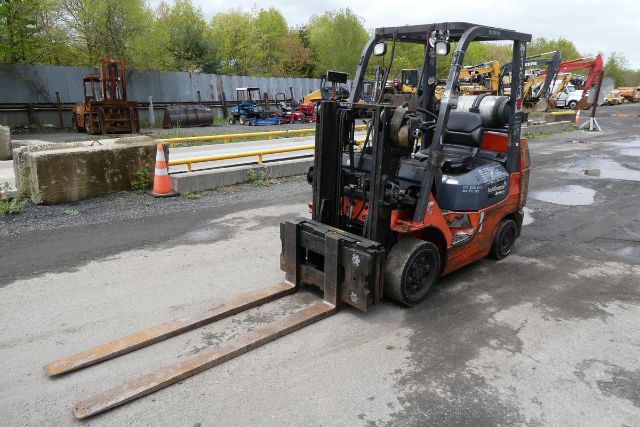
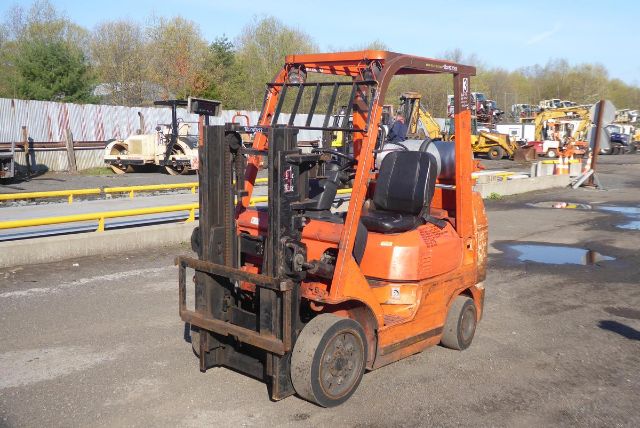
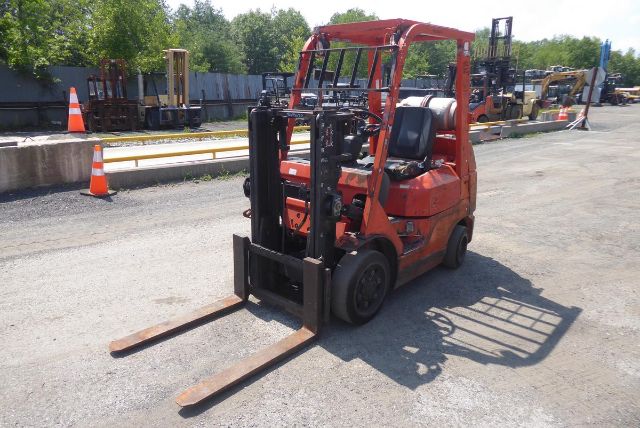
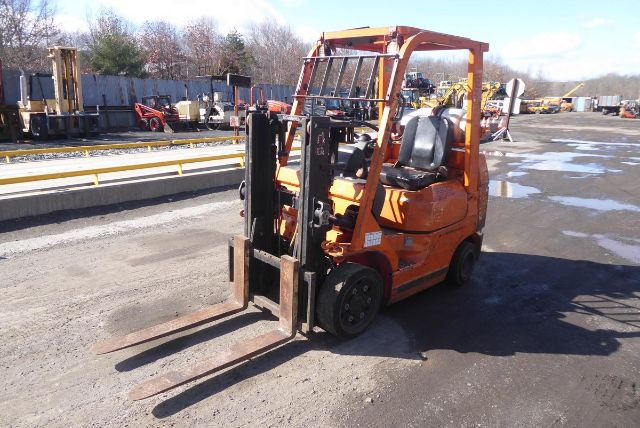
Have 2004 toyota lifts - fork equipment to sell? List it here to reach thousands of buyers.
2004 Toyota Lifts - Fork
Frequently Asked Questions about 2004 Toyota Lifts - Fork
What should I look for first on a 2004 Toyota fork lift?
Start with the data plate, mast type, actual lift capacity, and hour meter condition. On an older forklift, service history matters as much as the hour reading because many units have unknown or non-verified hours. Check for mast and carriage wear, lift and tilt cylinder leaks, steer axle play, transmission engagement, brake response, and engine cold-start behavior. If the unit is propane, confirm the fuel system is complete and the vaporizer, regulator, and hoses are in good condition.
Are 2004 Toyota forklifts good for indoor warehouse use?
Many 2004 Toyota fork lifts, especially cushion-tire models like the 7FGCU25, are well suited for indoor warehouse applications. Cushion tires are designed for finished surfaces such as concrete and usually provide a tighter turning radius than pneumatic-tire units. Buyers should still confirm aisle width, mast lowered height, and maximum lift height because those three measurements determine how well the truck will work in racking and dock areas.
What lift capacity is common on a 2004 Toyota fork lift?
A very common capacity in this category is around 5,000 lbs, although some units may be rated slightly lower depending on configuration, attachment, and load center. The important point is to verify the exact data plate rating on the truck as equipped. Capacity changes when a forklift has a different mast, side shifter, clamp, fork positioner, or non-standard forks.
What are common issues on an older propane Toyota forklift?
On a 2004 LP gas forklift, common concerns include fuel system wear, low oil pressure symptoms, rough running, throttle linkage issues, cooling system problems, seat switch or safety interlock faults, and general hydraulic seepage. Solid tires, forks, chains, and mast rollers also deserve close inspection because those wear items directly affect safety and operating cost. A truck that runs and lifts well can still need reconditioning if the tires are worn flat, the chains are out of spec, or the mast has excessive free play.
Why does mast style matter when buying a used fork lift?
Mast style affects collapsed height, lift height, visibility, and the type of work the forklift can handle. A simple two-stage or dual mast is common on older warehouse forklifts and may work well where the building has limited door clearance and moderate rack height. If your application needs higher stacking, trailer loading, or more versatile fork positioning, compare mast stages, free lift, and tilt angles before focusing only on engine or hours.