
Used Sterling Water Trucks For Sale
Browse used Sterling water trucks built for dust control, site watering, and road work with practical tank, pump, and spray system options.
No exact matches found for your search
Showing Used Water Trucks instead.
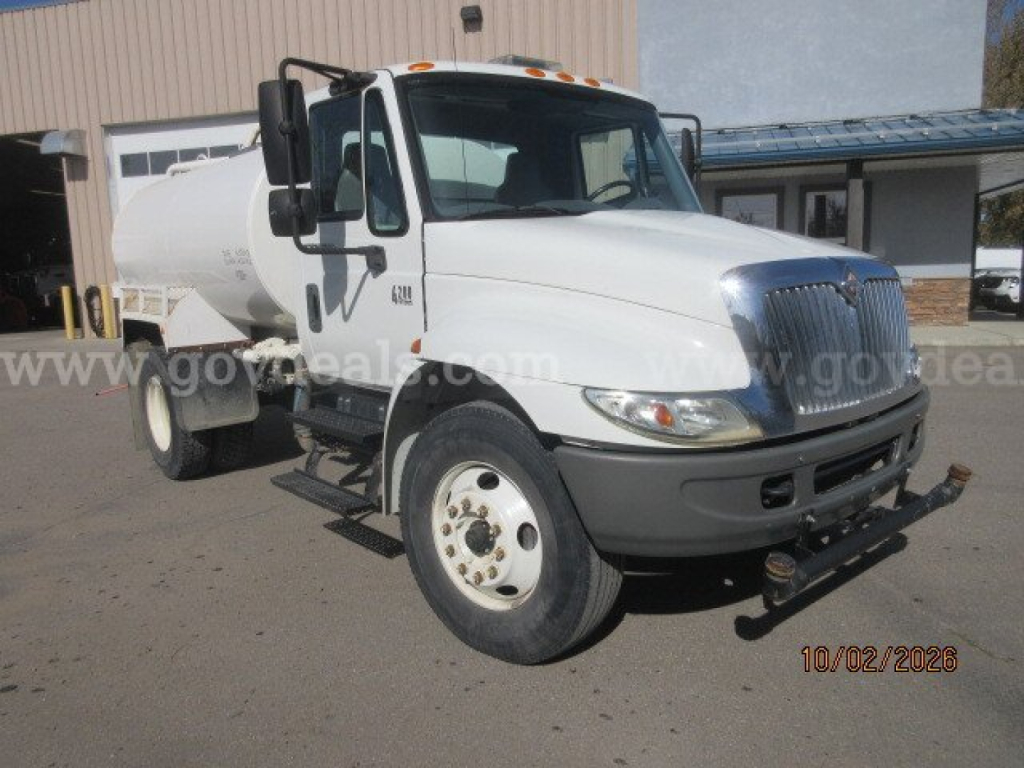
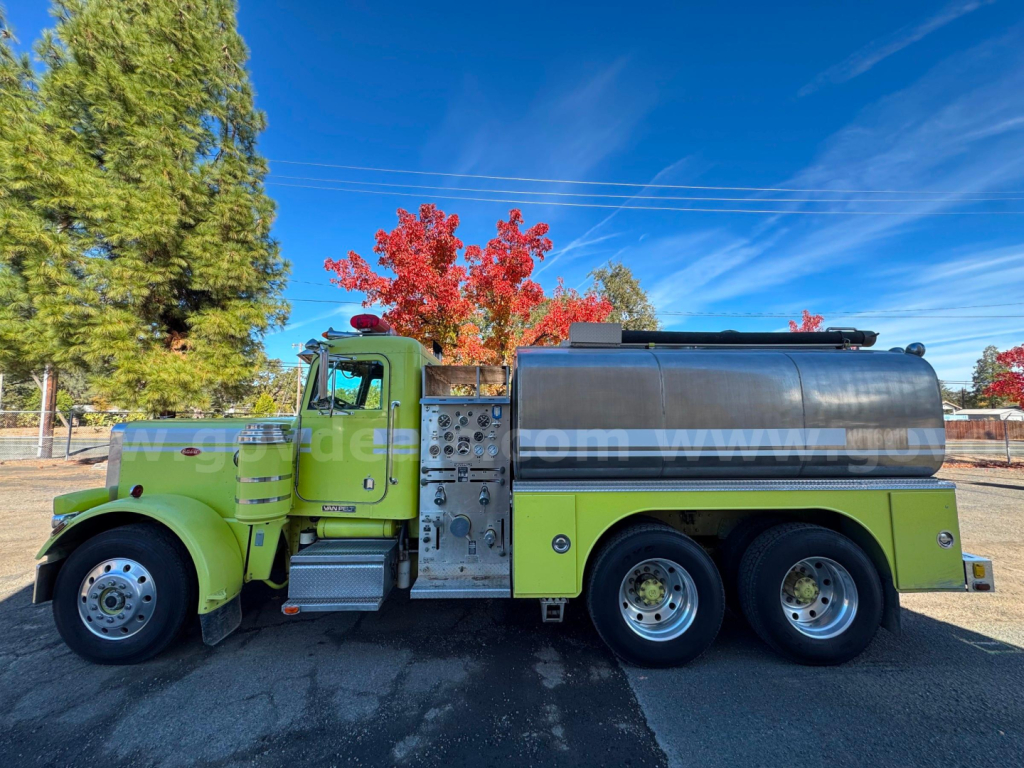
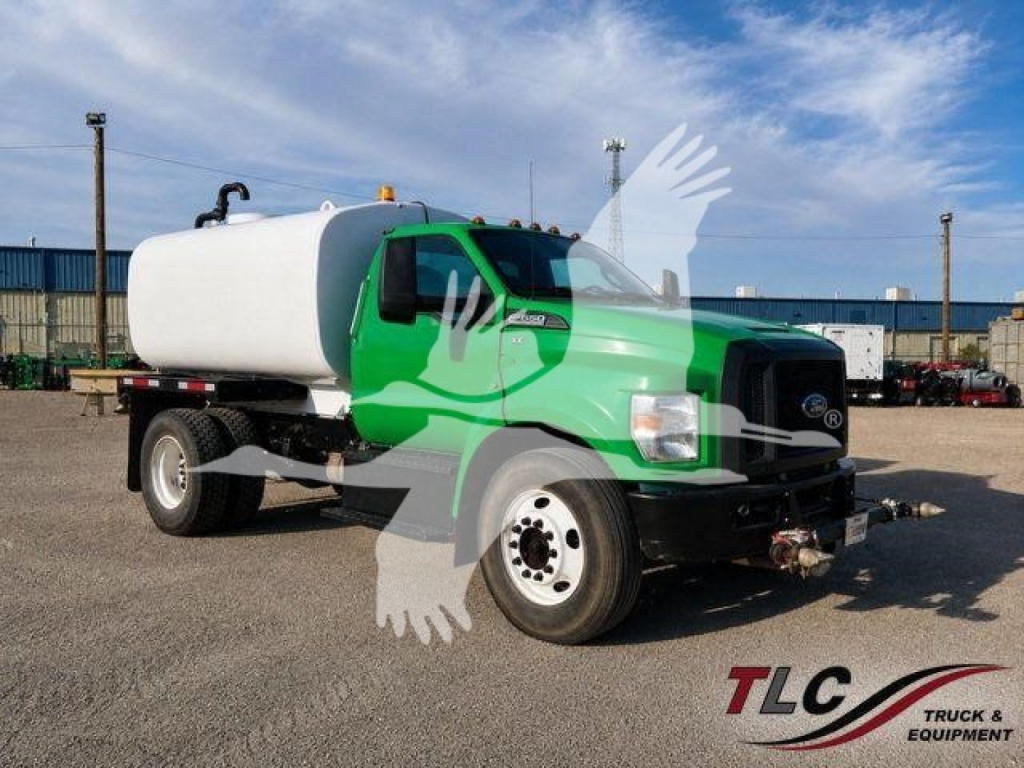
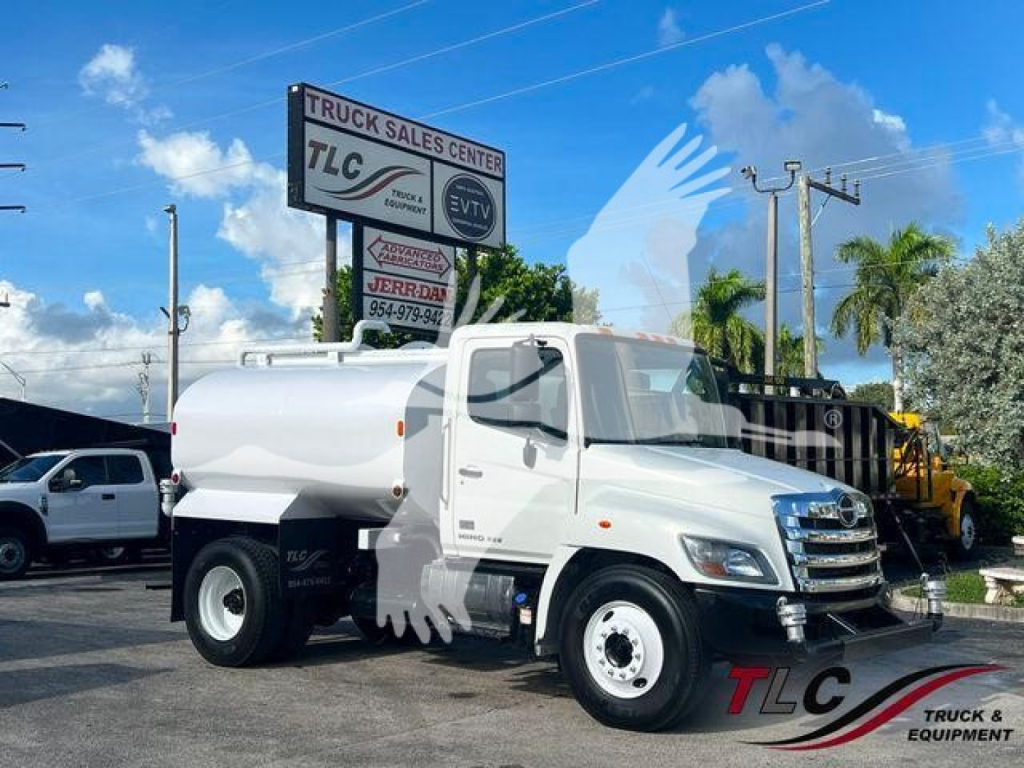
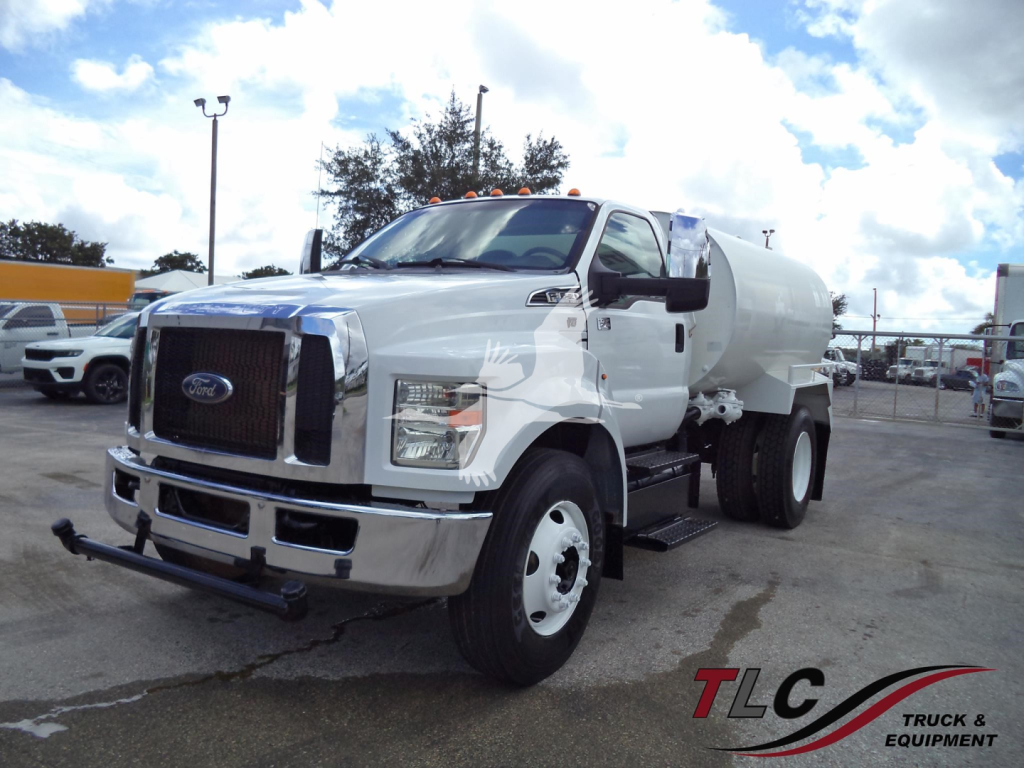
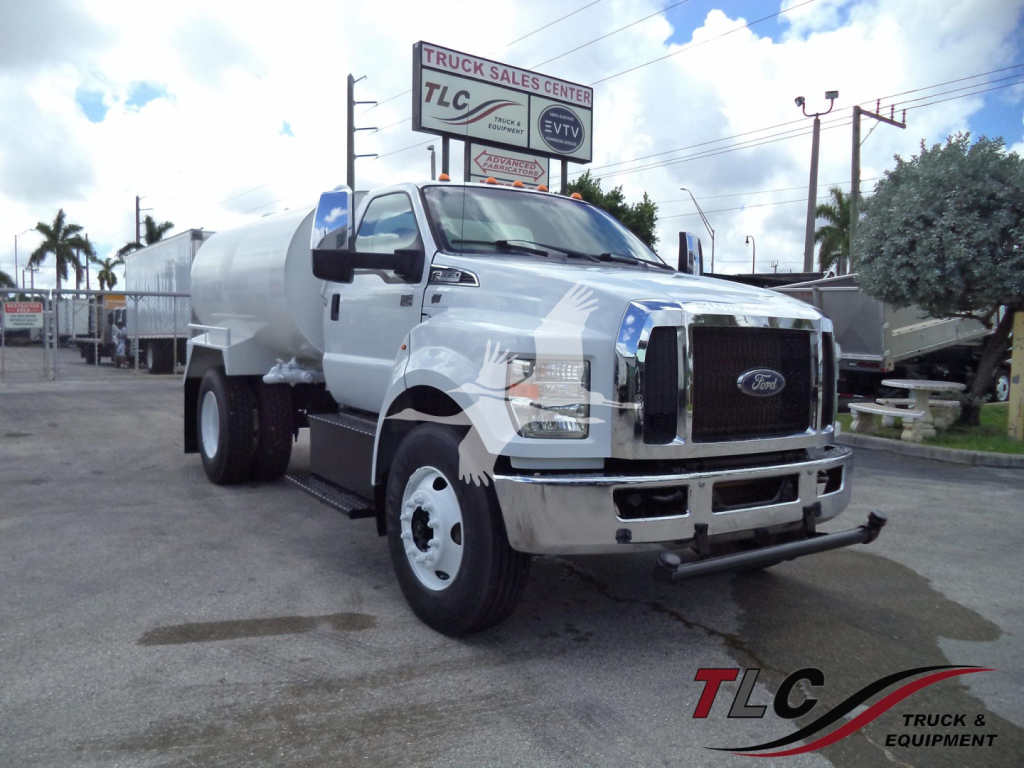
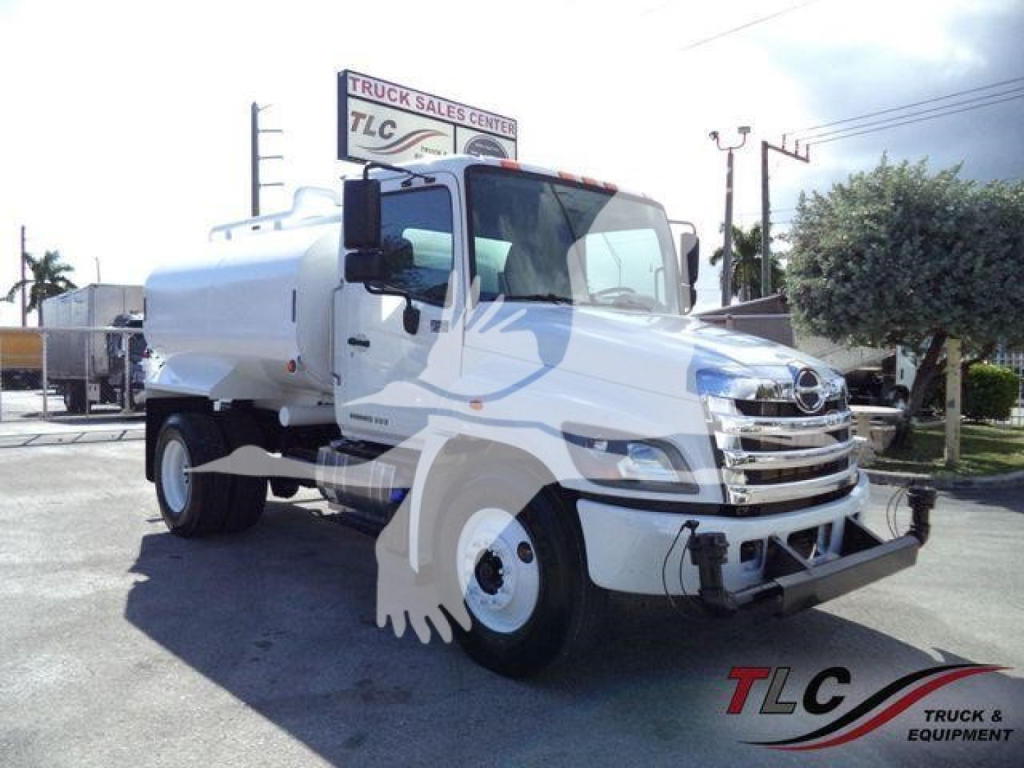
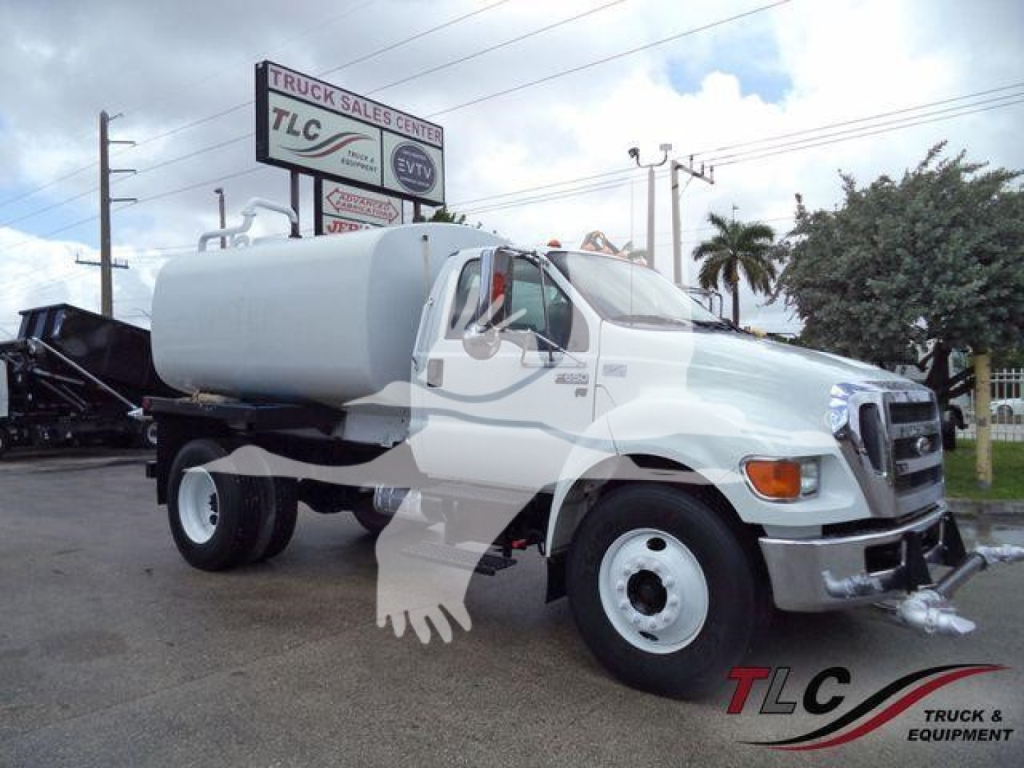
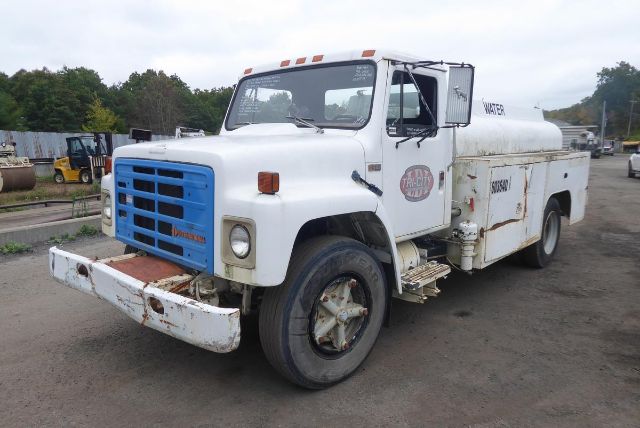
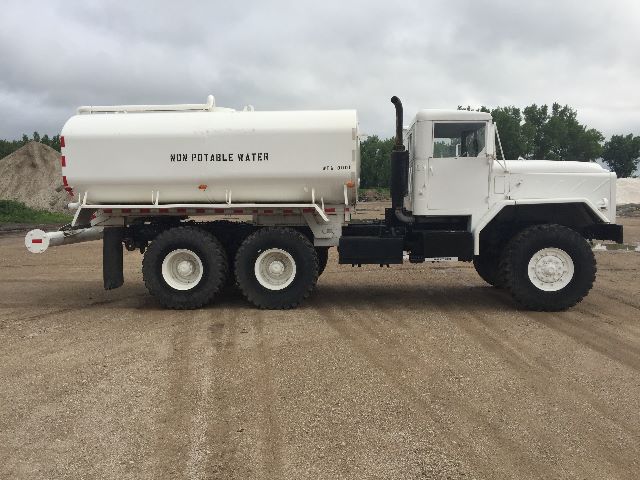
Selling a used sterling water truck? List your used sterling water truck for sale and reach thousands of commercial buyers.
Used Sterling Water Trucks
Tank size on a Sterling water truck can vary widely, with many units set up in the 1,500 to 4,000 gallon range, though larger builds exist. Steel and stainless steel tanks are both common. Stainless is attractive for corrosion resistance and longer tank life, while carbon steel can be less expensive to buy and repair. Internal baffles matter because they reduce water surge and improve control on rough jobsites or during stop-and-go road travel. Buyers should also look at fill size, sump design, hose storage, and whether the truck has a recirculation system for cold-weather operation.
The spray package is what separates a basic water truck from a more versatile one. Common features include front, rear, and side spray heads, gravity sprays, pump-driven nozzles, hose reels, and front-mounted jetter or washdown systems. PTO-driven pumps are typical, and pump condition should be checked closely along with valves, plumbing, and controls. A truck set up for dust suppression on haul roads may need wider spray coverage and reliable pump pressure, while a municipal or utility application may place more value on hose reel access, spot spraying, and easier maneuverability. Brake type, axle rating, and suspension should also match the work environment, especially if the truck will spend time on uneven ground or carry a full tank across soft surfaces.
When comparing used Sterling water trucks, the chassis deserves as much attention as the tank. Models such as the L7500 and similar Sterling vocational platforms are often spec'd with diesel engines, air brakes, and PTO provisions that suit water service well. Check frame condition, PTO engagement, pump hours if available, tank mounting points, and signs of corrosion around saddles, plumbing, and spray bars. A well-matched used water truck can deliver strong value if the tank, pump, and spray equipment are still aligned with the job, because retrofitting a mismatched setup can cost more than buyers expect.
Frequently Asked Questions about Used Sterling Water Trucks
What should I check first on a used Sterling water truck?
Start with the tank, pump, and spray system before anything else. Tank condition, internal baffles, corrosion, leaks, and mounting integrity affect both safety and usable life. Pump performance, PTO engagement, valve function, and spray bar condition determine whether the truck can actually do the work it was built for. After that, inspect the Sterling chassis for frame rust, brake condition, suspension wear, and drivetrain service history.
What tank material is better on a water truck, stainless steel or carbon steel?
Stainless steel tanks are typically preferred when corrosion resistance and long service life are priorities. They hold up well in wet service and can be a strong choice for buyers planning to keep the truck in rotation for years. Carbon steel tanks are often less expensive up front and can be practical for budget-focused operations, but they should be inspected carefully for internal rust, thin spots, and repair history. The better choice depends on condition, not just material.
How many gallons should a Sterling water truck carry?
The right capacity depends on route length, refill access, road conditions, and axle ratings. Smaller tanks around 1,500 to 2,000 gallons can work well for municipal tasks, utility support, and tighter jobsites where maneuverability matters. Mid-size and larger tanks are better suited for dust control, construction support, and haul road applications where extended spray time is important. Buyers should balance payload, stopping distance, and legal weight considerations along with water volume.
Are Sterling water trucks good for construction and dust control work?
Yes. Sterling trucks were widely used in vocational service, and many water truck builds on Sterling chassis are well suited for construction, road projects, quarries, and site dust suppression. Their value in the used market often comes from a durable vocational chassis, common diesel powertrain options, and straightforward upfit compatibility. The truck is only as effective as its water system, so spray coverage, pump output, and tank design should still be matched to the job.
Why is a recirculation system important on some water trucks?
A recirculation system helps move water through the plumbing when spray functions are not in use, which can protect components and support more reliable operation in colder conditions. On trucks working in freezing climates, cold-weather recirculation can reduce the risk of water sitting in exposed lines and valves. It can also help maintain pump readiness and system consistency during intermittent use. For northern fleets or seasonal road crews, this can be a meaningful feature.