
Sterling Water Trucks For Sale
Browse Sterling water trucks with common tank sizes, PTO spray systems, baffles, and municipal or construction-ready configurations.
No exact matches found for your search
Showing Water Trucks instead.
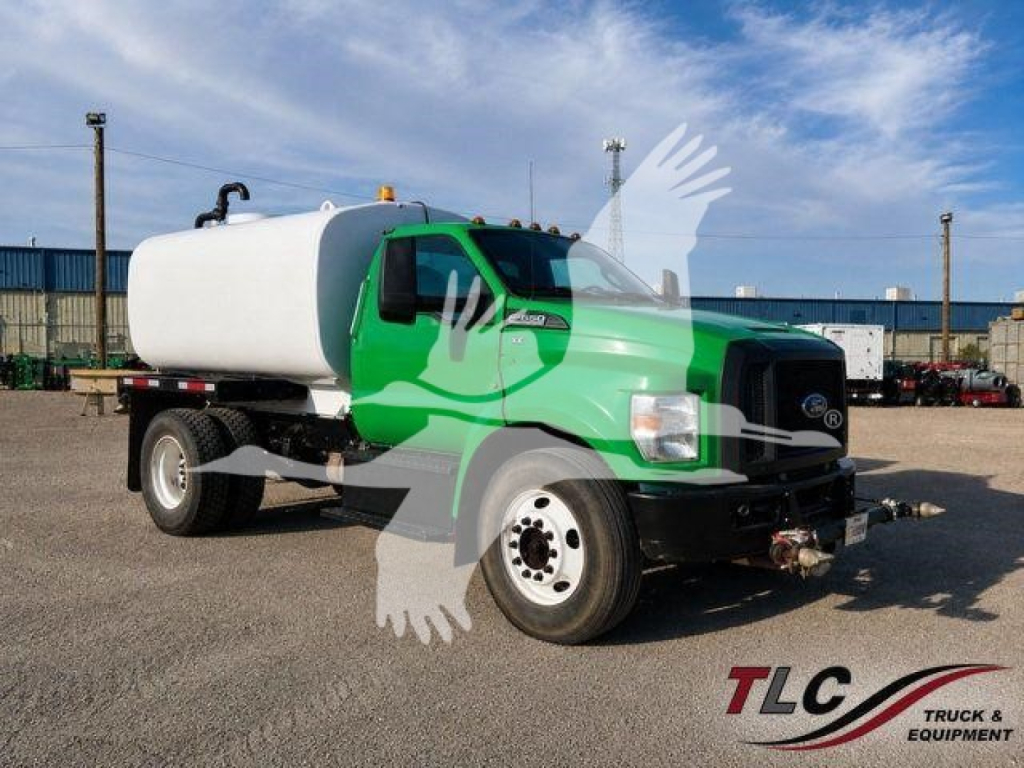
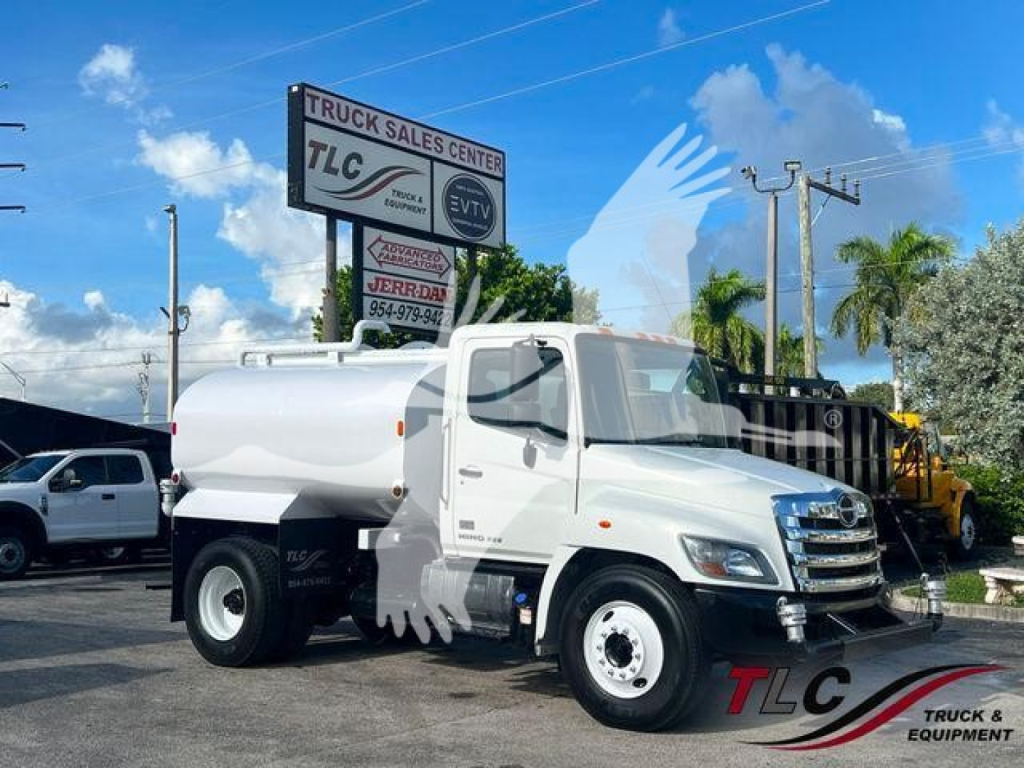
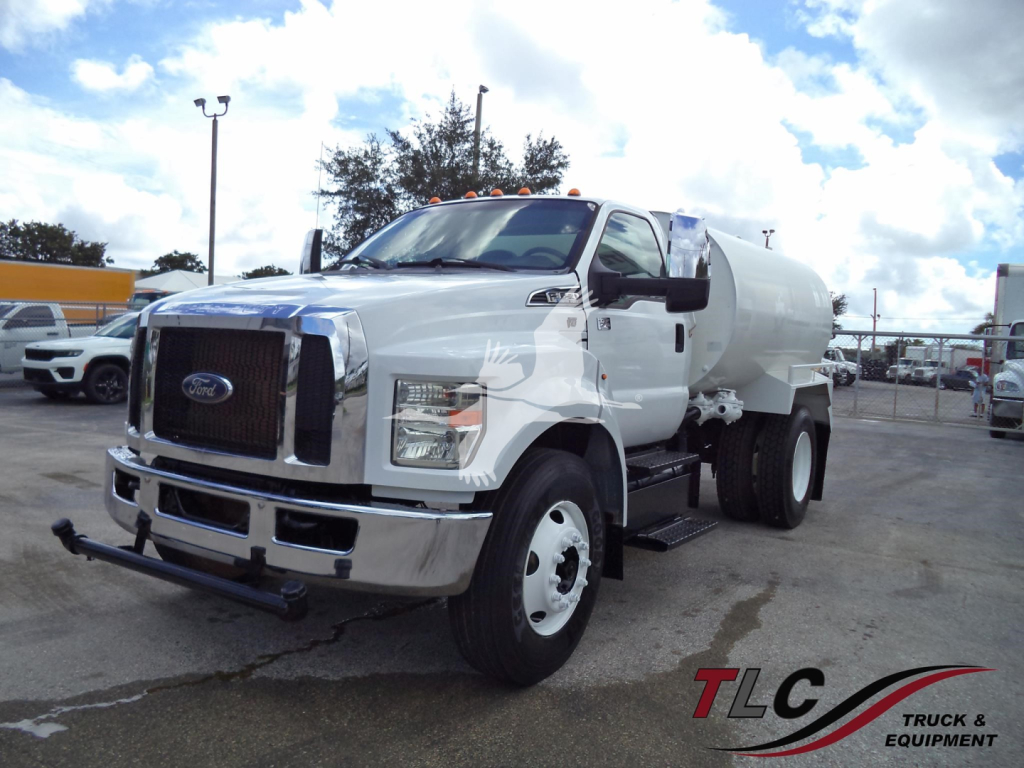
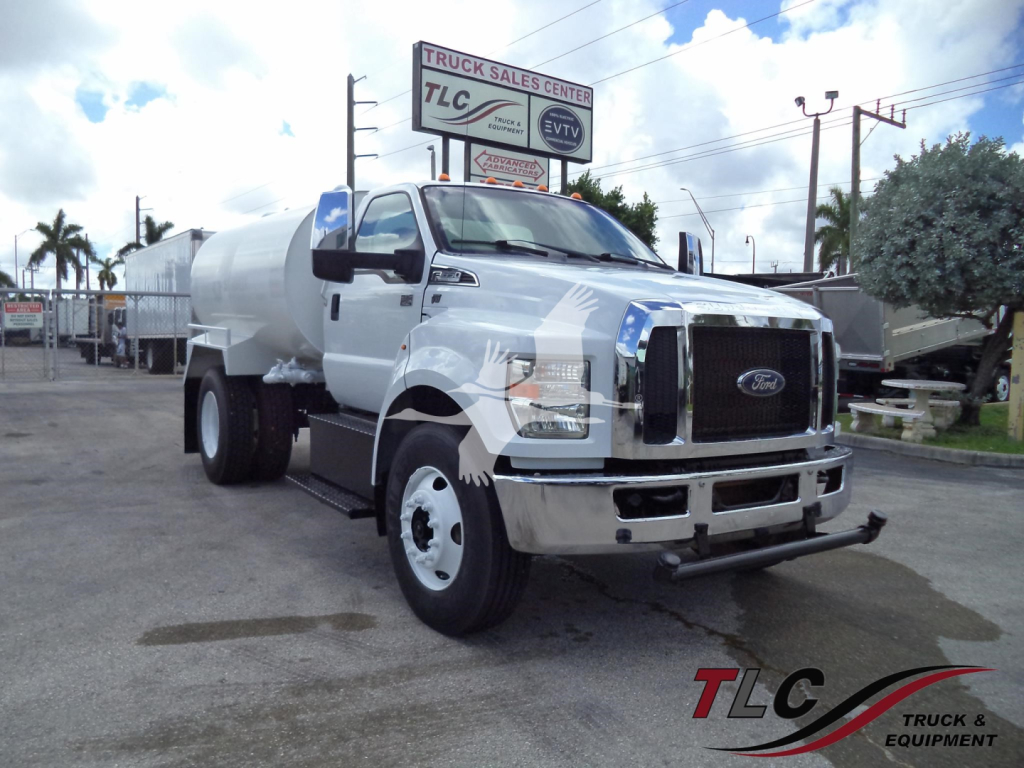
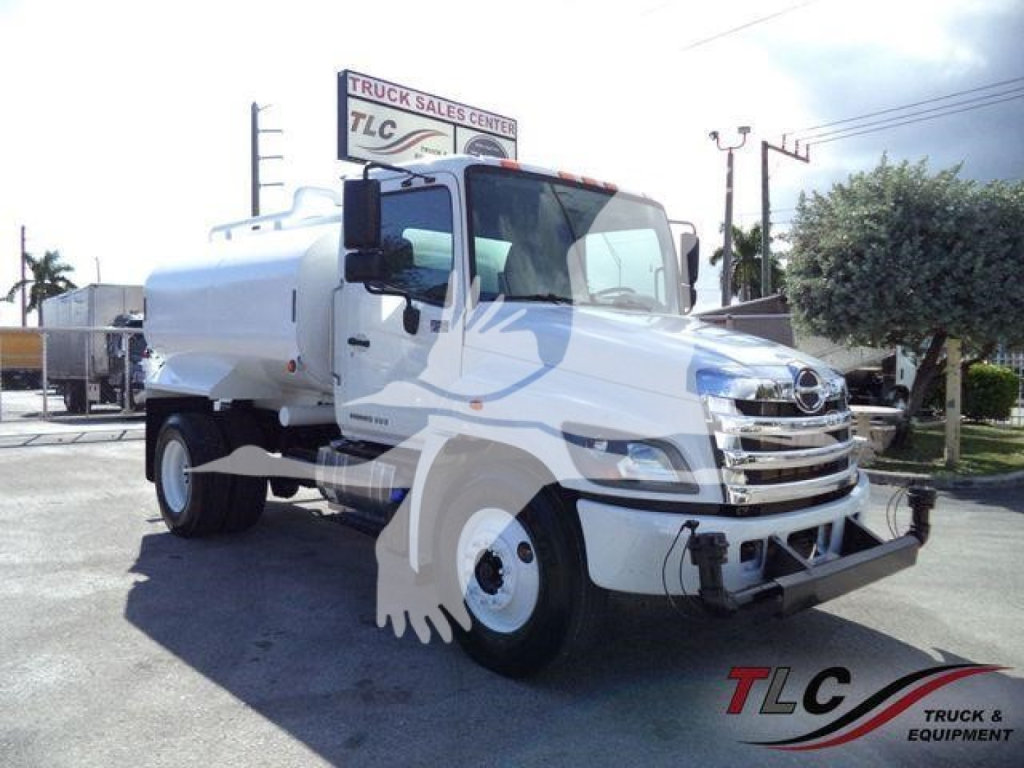
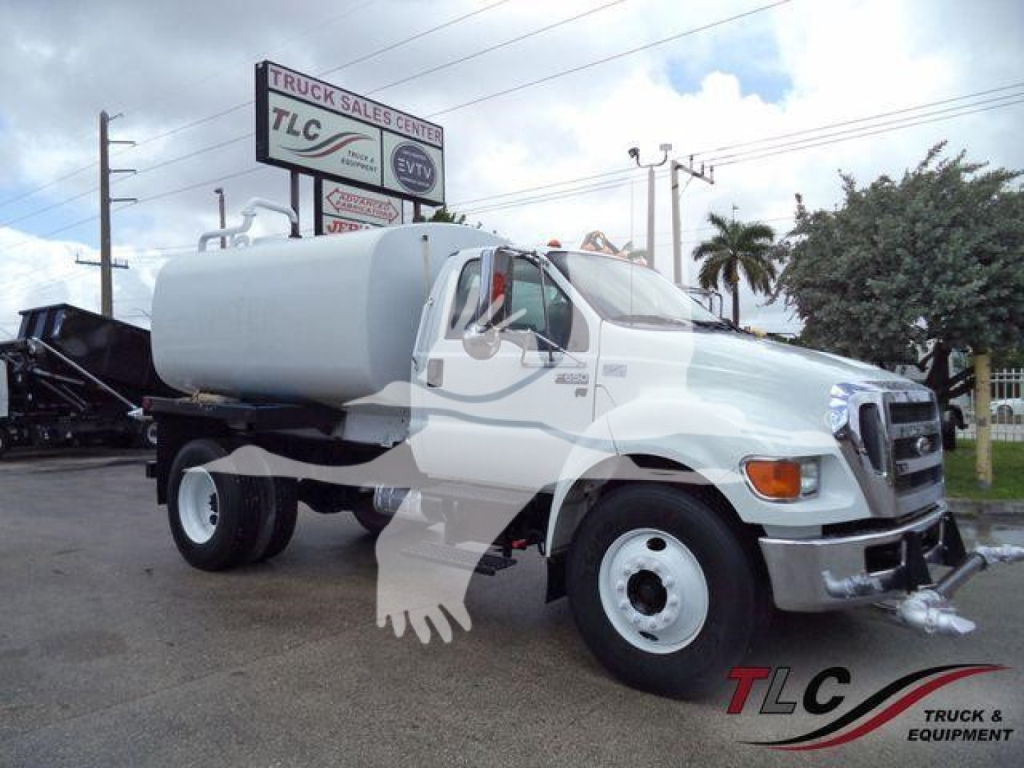
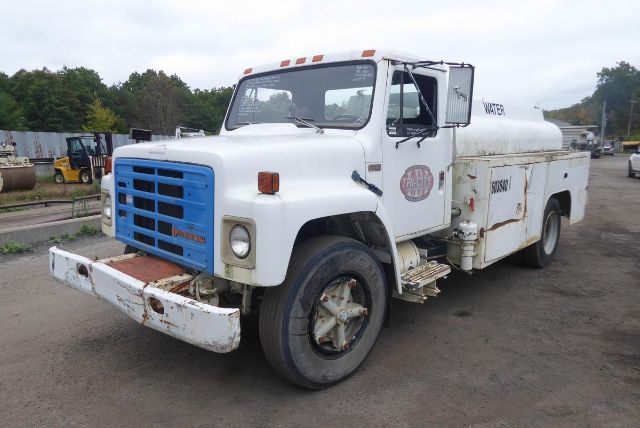
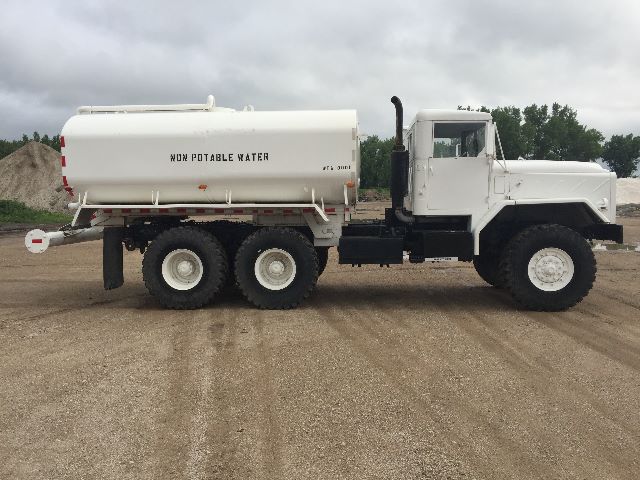
Have sterling water truck to sell? List it here to reach thousands of buyers.
Sterling Water Trucks
A typical Sterling water truck may be equipped with a carbon steel or stainless steel tank, internal baffles, a rear spray bar, side sprays, and a front bumper nozzle or jetter setup. PTO-driven pumps are common, and some units include hose reels, gravity spray capability, or recirculation systems for cold weather operation. Buyers should pay close attention to gallon capacity, tank material, pump output, plumbing condition, and whether the truck is configured for watering, flushing, or both. A 1,500-gallon setup works well for lighter municipal or facility use, while larger tanks are better suited to long cycles on construction and dirt jobs.
Sterling models used as water trucks are often selected from medium-duty and severe-service chassis, so axle ratings, wheelbase, suspension, and brake type should match the jobsite. A shorter wheelbase can improve maneuverability in tight areas, while a longer wheelbase may better support a larger tank and improve load distribution. Check PTO engagement, pump wear, tank mounting, and signs of corrosion around saddles, seams, valves, and spray components. If the unit will operate off-road, ground clearance, frame condition, and traction setup are worth reviewing along with tire size and tread suited to mixed terrain.
For buyers comparing listings, the real value is in how the truck is equipped today and how easily it can stay productive. A water truck with sound plumbing, solid tank baffling, functional spray controls, and a chassis that has not been overstressed will generally be more useful than a cheaper truck that needs immediate pump, tank, or valve work. Sterling water trucks remain relevant in fleets that want a vocational truck with practical parts interchange, proven diesel powertrain options, and a configuration that can be adapted for dust suppression, washdown, or seasonal municipal service.
Frequently Asked Questions about Sterling Water Trucks
What should I look for first on a used Sterling water truck?
Start with the tank, pump, and spray system, because those components define how the truck performs in the field. Check tank capacity, tank material, internal baffles, valve condition, PTO operation, and evidence of leaks or corrosion. After that, inspect the chassis like any vocational truck, including frame condition, axle ratings, brake system, suspension, and engine and transmission service history.
Are Sterling water trucks good for construction and dust control work?
Yes, Sterling water trucks are commonly used for dust control, haul road watering, compaction support, and general construction site service. Their vocational chassis design makes them a practical fit for repetitive low-speed work with frequent stops and PTO operation. The best setup depends on tank size, pump volume, spray coverage, and how well the truck matches the terrain and daily cycle length.
Is a stainless steel tank better than a carbon steel tank on a water truck?
A stainless steel tank generally offers better corrosion resistance and can be a strong choice for fleets that want longer tank life and lower rust-related maintenance. A carbon steel tank can still be a cost-effective option if it has been maintained properly and shows no serious thinning, seam issues, or internal corrosion. The better choice depends on budget, operating environment, water quality, and expected service life.
What tank size is common on a Sterling water truck?
Tank size varies widely by chassis and application, but medium-duty Sterling water trucks are often found with capacities suited to municipal work, smaller construction sites, and facility maintenance. Larger vocational chassis can support substantially more water for longer off-road cycles. The right size is the one that balances legal weight, maneuverability, refill frequency, and the amount of spray coverage needed per shift.
Do water trucks need internal baffles?
Yes, internal baffles are important because they reduce water surge inside the tank during braking, acceleration, and cornering. Proper baffling improves stability, helps protect the tank structure, and makes the truck more predictable to drive when partially loaded. On any used unit, it is worth confirming that the baffling is present and the tank has no signs of internal failure or movement.