
Used Kenworth Tank Trucks For Sale
Shop used Kenworth tank trucks, including petroleum transport specs, tank capacities, axle ratings, drivetrains, and compliance features.
No exact matches found for your search
Showing Used Tank Trucks instead.
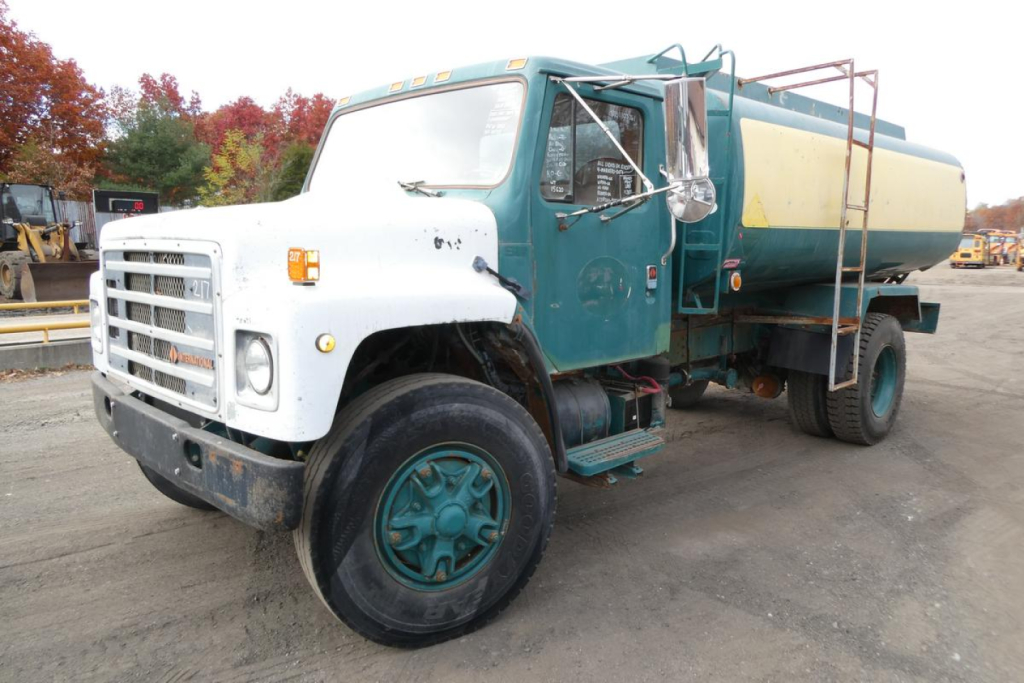
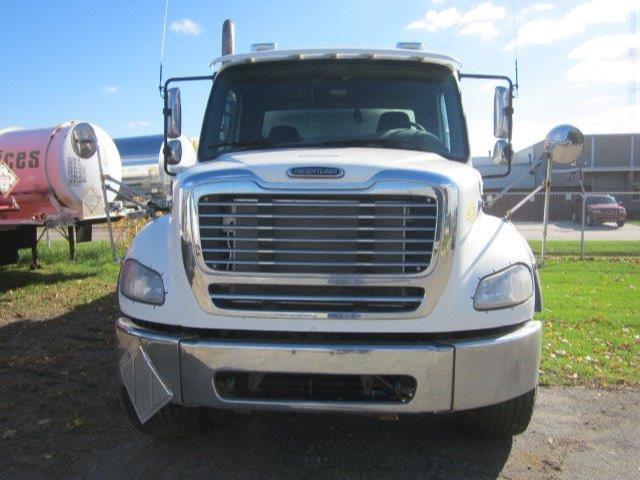

Selling a used kenworth tank truck? List your used kenworth tank truck for sale and reach thousands of commercial buyers.
Used Kenworth Tank Trucks
A typical used Kenworth tanker in this class may have a big-bore diesel in the 450 to 500 horsepower range, a manual 10-speed, 13-speed, or 18-speed transmission, and 40,000 lb rear axles with ratios like 3.55 or 3.70. Air ride suspension is common because it helps protect the load and improves ride quality on regional runs. Tank specifications matter just as much as chassis specifications. Buyers should review total gallon capacity, compartment count, discharge location, pressure manholes, vapor recovery, overfill protection, hose tube layout, ladder placement, and any load monitoring equipment. Single-compartment tanks are common on straight fuel haulers, but actual suitability depends on route structure, terminal requirements, and the products being delivered.
For used equipment, condition and compliance history are critical. A Kenworth tank truck may have a strong drivetrain, but the real value depends on the tank inspection status, lining or material condition, pump or PTO operation if equipped, and the integrity of valves, plumbing, and recovery systems. Aluminum tanks are popular for weight savings and corrosion resistance, but buyers still need to inspect welds, mounting points, subframe condition, and signs of repair. Brake condition, tire size, wheel material, and wheelbase also matter because they affect maneuverability, bridge law considerations, and usable payload. If the truck is intended for hazmat service, confirm that the unit matches current DOT and company compliance needs before putting it to work.
Kenworth remains a strong fit for tanker applications because the platform is serviceable, widely recognized, and often spec'd for demanding vocational use. Many used Kenworth tank trucks were built for regional petroleum work, so details like engine brake, PTO or wetline equipment, aluminum wheels, and driver comfort features are common. The right truck is usually the one that balances tank code, capacity, wheelbase, drivetrain, and documented maintenance history with the exact type of liquid service you plan to run.
Frequently Asked Questions about Used Kenworth Tank Trucks
What should I check first on a used Kenworth tank truck?
Start with the tank specification and compliance status before looking at cosmetic condition. Confirm the tank code, gallon capacity, compartment layout, discharge setup, vapor recovery, overfill protection, and current inspection records. After that, review the chassis specs such as engine, transmission, axle ratings, suspension, wheelbase, and PTO equipment to make sure the truck matches your intended product, route, and payload requirements.
Are Kenworth W900 tank trucks mainly used for petroleum hauling?
Many used Kenworth W900 tank trucks on the market are configured for petroleum transport, fuel delivery, and related hazmat service. Common features include aluminum tanks, pressure manholes, vapor recovery systems, rear or side discharge, and drivetrains built for regional highway work. That said, the actual application depends on the tank code, fittings, and legal compliance for the product being hauled, so buyers should verify the truck is suitable for their exact liquid commodity.
How important is wheelbase on a tank truck?
Wheelbase is a major buying factor because it affects tank fitment, axle loading, turning radius, and route flexibility. A longer wheelbase can help accommodate larger tanks and support weight distribution, but it may reduce maneuverability at tight terminals, retail sites, or older fuel stops. Buyers should compare wheelbase with tank capacity, rear axle rating, and the delivery environment to avoid ending up with a truck that is legal on paper but difficult to operate in daily service.
What tank features matter most on a used petroleum transport truck?
The most important tank features are the ones tied directly to safe loading, unloading, and compliance. Buyers usually look closely at compartment count, discharge location, hose storage, overfill protection, vapor recovery, pressure relief components, ladder access, and manhole condition. The tank material, usually aluminum in this segment, also matters for payload and corrosion resistance. A clean, well-documented tank with current inspections is often more valuable than a stronger chassis paired with unclear tank history.
Is a manual transmission common on used Kenworth tank trucks?
Yes. Many used Kenworth tank trucks, especially older petroleum transport units, are equipped with manual transmissions such as 10-speed, 13-speed, or 18-speed gearboxes. These setups are common in fleets that wanted driver control, durability, and flexibility with heavy loads or varied terrain. Buyers should match the transmission choice to driver availability, regional terrain, and maintenance preferences, since drivetrain simplicity can be an advantage but only if it fits the operation.