
Kenworth Tank Trucks For Sale
No exact matches found for your search
Showing Tank Trucks instead.

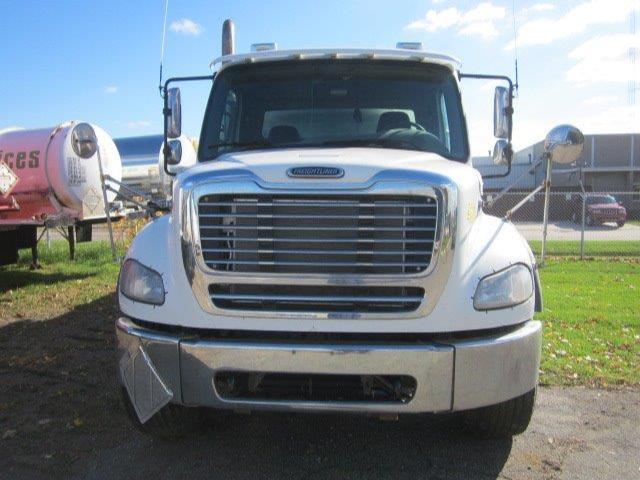
Have kenworth tank truck to sell? List it here to reach thousands of buyers.
Kenworth Tank Trucks
A typical Kenworth tank truck in this class runs a heavy-duty diesel such as a Caterpillar C15 around 475 horsepower, backed by a manual transmission ranging from 10-speed to 18-speed. That combination is common in older petroleum transport specs because it gives solid pulling power, good driver control, and service familiarity in fleets that still maintain mechanical and early electronic engines. Rear axle ratings around 40,000 pounds, gear ratios in the mid-3s, air ride suspension, and longer wheelbases are also common. Those specs usually point to highway-oriented fuel hauling rather than tight city bobtail work, so wheelbase and turning radius deserve close attention if the route includes convenience stores, cardlock sites, or older bulk plants.
Tank construction and product compatibility are where smart buyers separate one truck from another. Aluminum tanks are popular because they help control tare weight and resist corrosion, but the exact cargo tank code, shell design, fittings, and recovery system need to match the intended product and jurisdiction. Petroleum trucks often include Type 407 or similar spec tanks, single manhole designs, and external plumbing set up for efficient loading and unloading. A PTO or hydraulic wetline kit may already be installed for product transfer equipment, but buyers should still confirm pump setup, meter integration, hose condition, emergency shutoff systems, and the current status of required inspections and certifications. On a used tank truck, the value is in the complete package, not just the truck brand.
Kenworth remains a strong choice in this category because parts support is broad, the chassis is well regarded by owner-operators and private fleets, and the cab layout is familiar to technicians and drivers alike. The W900 platform in particular has long been favored for vocational and specialty applications that need a sturdy frame, strong front axle options, and straightforward service access. When comparing listings, focus on tank age, test history, engine emissions generation, transmission model, and how the truck was actually used. A clean-looking petroleum transport can still require significant spending if the tank paperwork, safety systems, or transfer components are out of date.
Frequently Asked Questions about Kenworth Tank Trucks
What should I check first on a used Kenworth tank truck?
Start with the tank and compliance side before the cosmetic condition of the truck. Confirm the cargo tank specification, gallon capacity, compartment layout, product compatibility, discharge configuration, and the status of inspections, tests, and certifications required for the intended service. After that, review the chassis specs such as engine, transmission, axle ratings, wheelbase, and PTO or pump equipment to make sure the truck matches the route and loading requirements.
Are Kenworth W900 tank trucks mainly used for petroleum hauling?
Many Kenworth W900 tank trucks on the used market are configured for petroleum transport, especially with aluminum tanks, vapor recovery, overfill protection, and rear or side discharge plumbing. That said, suitability depends on the exact tank code and equipment installed. A buyer should verify that the tank specification and transfer components are correct for the product being hauled and for the regulatory requirements in the operating area.
What engine and transmission specs are common in Kenworth tank trucks?
In this segment, it is common to find heavy-duty diesel engines in the 400 to 500 horsepower range, often paired with manual transmissions such as 10-speed, 13-speed, or 18-speed gearboxes. Older Kenworth petroleum transports are frequently equipped with Caterpillar power and 40,000-pound rears with mid-range axle ratios like 3.55 or 3.70. These specs are aimed at highway fuel delivery and regional liquid hauling where durability and pulling power are more important than maximizing payload in stop-and-go urban service.
Is an aluminum tank better than a steel tank on a Kenworth tank truck?
Aluminum tanks are widely preferred in petroleum transport because they reduce empty weight and offer good corrosion resistance, which can help payload and long-term operating cost. Steel can still make sense in certain chemical or specialized applications depending on product compatibility and tank design. The better choice is the one that matches the cargo, required tank code, maintenance environment, and repair expectations for the fleet.
Why does wheelbase matter on a Kenworth tank truck?
Wheelbase affects turning radius, bridge law considerations, load distribution, and how the truck performs at customer sites. A longer wheelbase can support a larger tank and improve ride quality on highway runs, but it may be less maneuverable at tight fuel islands, service stations, or terminal yards. Buyers should compare wheelbase to the actual delivery environment, not just to tank capacity or appearance.