
Used CIMC Container Trailers For Sale in Iowa
Browse used CIMC container trailers and domestic containers in Iowa. Compare 53-foot specs, payload features, and intermodal freight applications.
No exact matches found for your search
Showing Used Container Trailers instead.
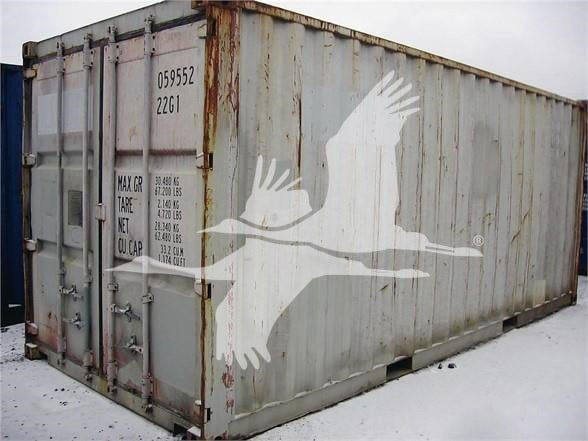
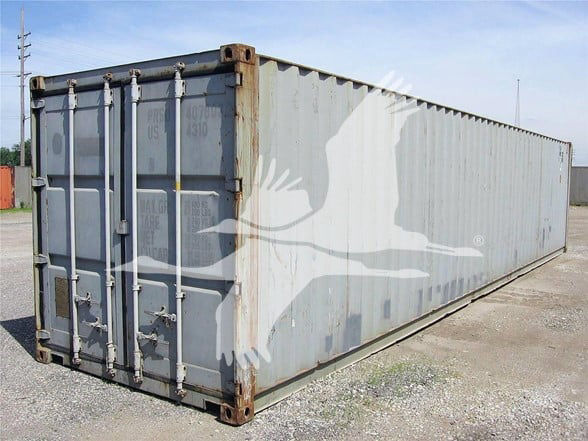
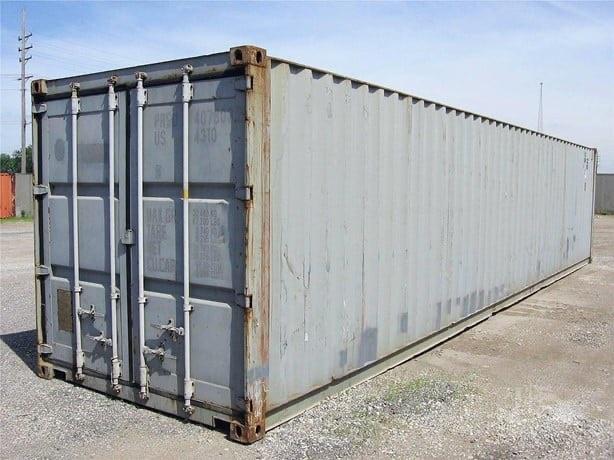
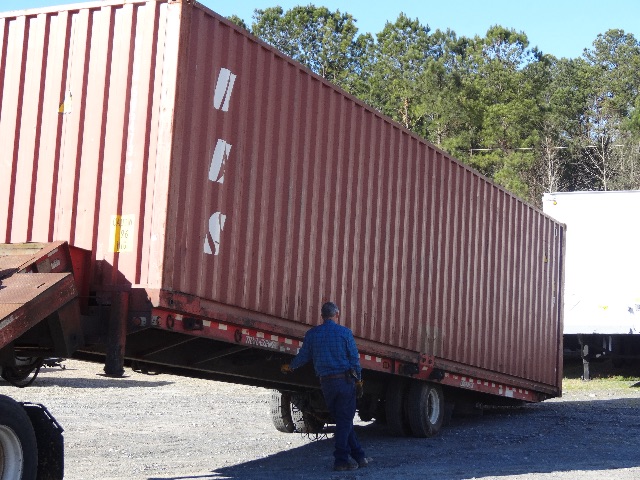
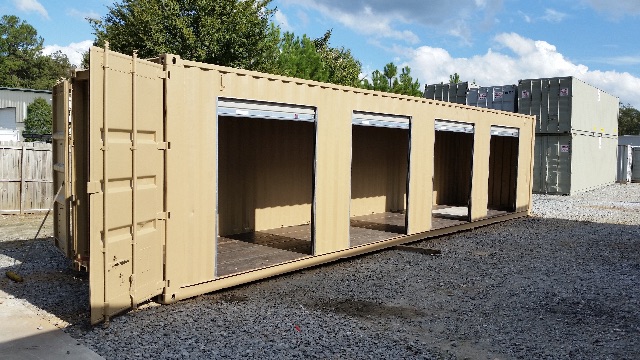

Selling a used cimc container trailer? List your used cimc container trailer for sale and reach thousands of commercial buyers.
Used CIMC Container Trailers in Iowa
A key buying point in this category is the difference between a container itself and the trailer chassis or trailer platform used to move it. Many listings in this segment are 53-foot domestic containers used in over-the-road and rail-connected freight networks, typically built with steel construction, oak or laminated hardwood flooring, and high-strength steel crossmembers. Buyers should confirm overall length, height, internal cube, floor rating, door condition, CSC or domestic compliance markings where applicable, and whether the unit is set up strictly for storage, road service, or intermodal transfer. Common specs include 102-inch width, 9-foot 6-inch high-cube configuration, and reinforced gooseneck tunnel construction to improve compatibility with domestic container transport systems.
Condition matters differently here than it does on a dry van or flatbed. Surface rust, scrapes, and prior decal removal are common and usually less important than structural integrity. Pay close attention to corner posts, top and bottom rails, crossmember condition, floor wear, threshold area, and door seal performance. If the unit has been stacked, lifted by top corner fittings, or used heavily in yard service, inspect for twist-lock area fatigue, forklift damage, and any deformation at the lower side rails. For buyers moving freight instead of using the container for static storage, cargo-worthiness and handling readiness are the first filters.
CIMC container equipment appeals to buyers who need standardized dimensions, durable steel construction, and compatibility with domestic freight networks. It is also known simply as a domestic shipping container or dry freight container, depending on the listing. In Iowa, these units are often considered for agricultural inputs, packaged consumer goods, industrial freight, and overflow storage tied to transportation operations. The right choice depends on how the unit will be handled, how often it will be loaded, and whether it needs to stay in active transport rotation or serve as a dependable stationary asset.
Frequently Asked Questions about Used CIMC Container Trailers in Iowa
What should I inspect first on a used CIMC container trailer or domestic container?
Start with the structure. Check the corner castings, corner posts, crossmembers, floor, door frame, and lower rails for bends, cracks, corrosion, or repairs. On a used CIMC domestic container, the floor rating, door seal condition, and any damage from forklifts or lifting equipment are usually more important than exterior appearance. If the unit will stay in transport service, confirm it can still be handled safely at the corner fittings and that the frame has not been distorted.
Are CIMC 53-foot domestic containers the same as standard ocean containers?
No. A 53-foot domestic container is built for North American freight networks and typically provides more cubic capacity than a standard 40-foot ocean container. Domestic units are commonly 102 inches wide and often high-cube in height, making them well suited for highway and rail intermodal use in the U.S. They are designed around domestic freight efficiency rather than international vessel slot compatibility.
What are common applications for used CIMC container equipment in Iowa?
Common applications include domestic dry freight hauling, rail-connected distribution, yard storage, seasonal inventory overflow, agricultural supply storage, and industrial materials handling. In Iowa, buyers often use these units in logistics yards, warehouse support operations, and dedicated shipping lanes where standardized 53-foot capacity is valuable. Some buyers prioritize road service, while others want a secure weather-resistant storage asset with transport flexibility.
How important is floor rating on a used container?
Floor rating is critical because it affects what cargo the unit can safely carry and how it will hold up under repeated forklift loading. A higher floor rating is especially important for dense palletized freight, industrial products, and operations with concentrated wheel loads. Buyers should verify the floor material, thickness, wear level, and any soft spots or delamination, since floor repair can become a major ownership cost.
What is the difference between buying a container and buying a chassis?
The container is the freight box itself, while the chassis is the wheeled frame designed to carry that box on the road. Some listings use container terminology loosely, so buyers should confirm exactly what is included. If the listing is for a domestic container only, you may still need a compatible chassis for highway transport. If it is a container trailer or chassis setup, confirm length compatibility, locking points, axle configuration, and road-ready status.