
CIMC Container Trailers For Sale
Shop CIMC container trailers and domestic containers, including dry and refrigerated models built for intermodal freight, storage, and cold chain use.
No exact matches found for your search
Showing Container Trailers instead.
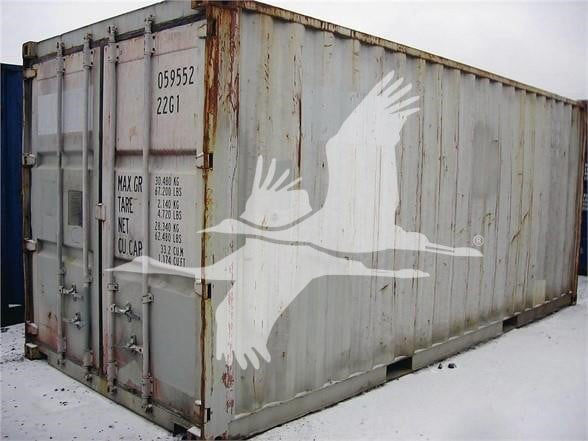
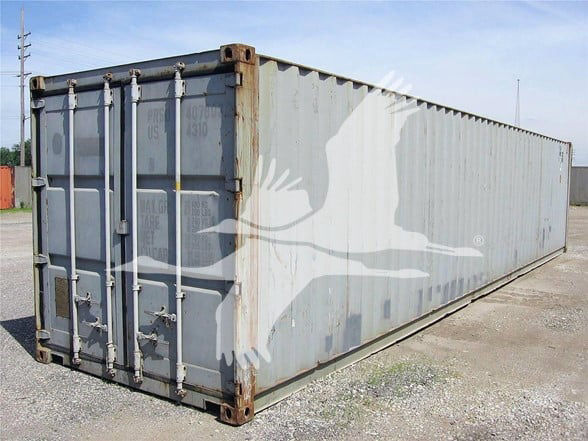
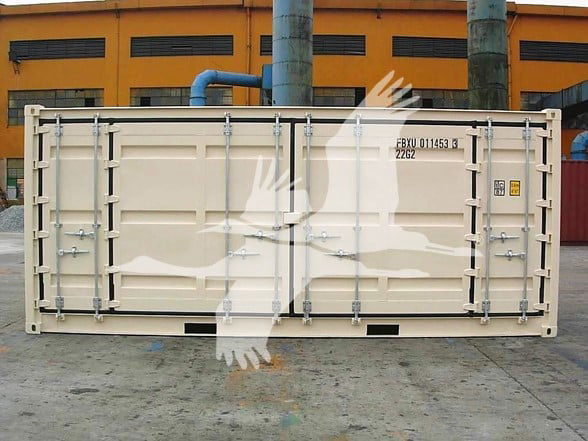
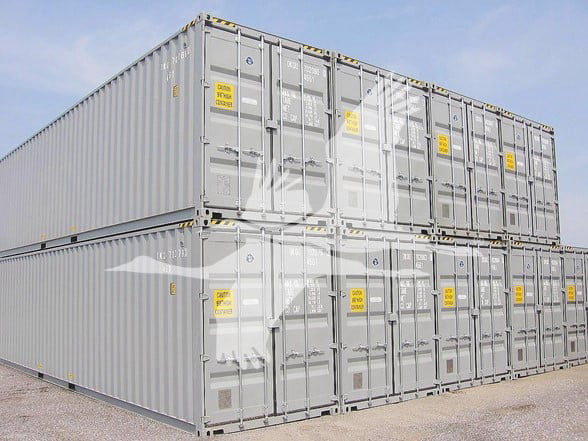
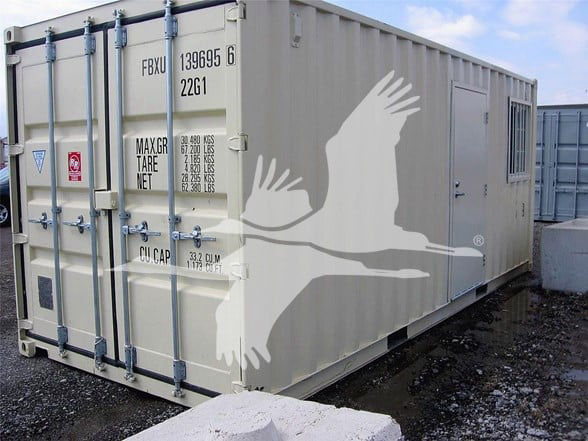
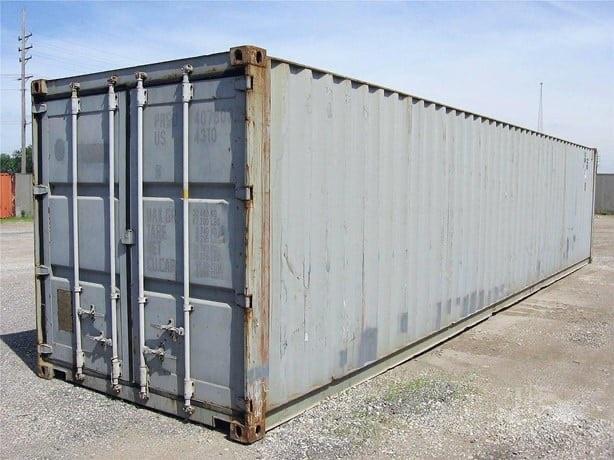
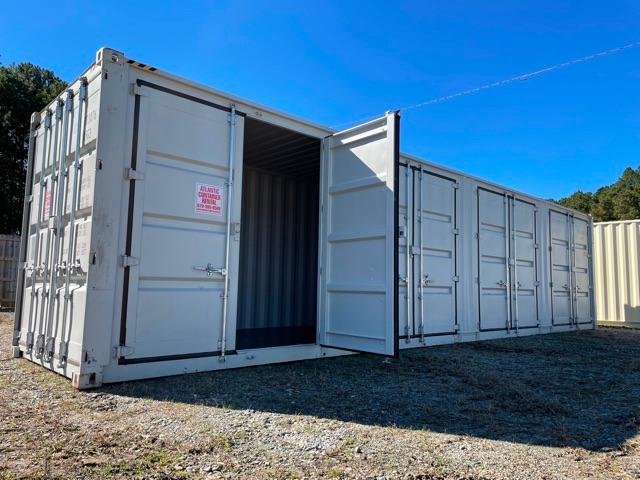
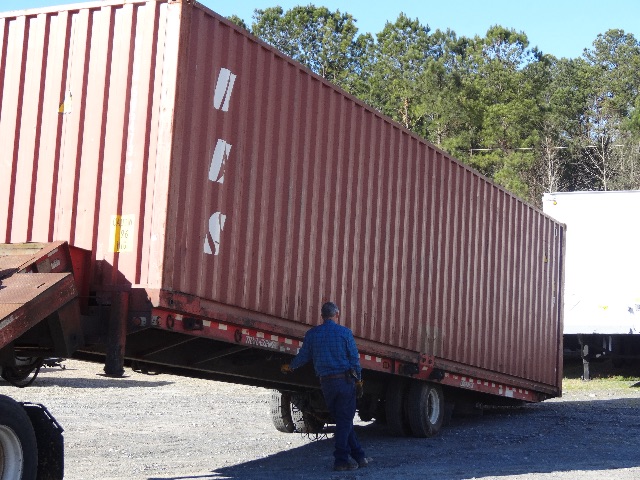

Selling a cimc container trailer? List your cimc container trailer for sale and reach thousands of commercial buyers.
CIMC Container Trailers
The first decision is usually dry versus refrigerated. Dry CIMC containers are a practical fit for general freight, transload work, and domestic intermodal lanes that depend on stackability, crane handling, and repeated chassis mounting. Refrigerated containers, often called reefer containers, are designed for cold chain service and can be spec'd for thermal efficiency, lower tare weight, and compatibility with common refrigeration units. Buyers comparing dry and reefer equipment should look closely at payload demands, insulation needs, repair support for the refrigeration system, and how the container will cycle through rail, yard, and over-the-road operations.
On dry units, pay attention to floor rating, floor material, sidewall integrity, and the structure around the gooseneck tunnel and bottom rails. Many domestic CIMC containers use steel construction with hardwood flooring, often around 1-1/8 inches thick, and floor ratings suitable for concentrated forklift traffic. Extra high-strength steel in crossmembers, outriggers, and side rails can make a difference in long-term durability, especially in fleets handling heavy palletized freight or frequent dock loading. Buyers should also confirm the container's lifting and stacking capability, door frame condition, roof straightness, and corner fitting wear if the unit will see regular intermodal handling.
If the container will spend most of its life on a chassis, check chassis compatibility, tunnel dimensions, loaded weight targets, and the service environment. Northern climates and port-adjacent operations tend to punish understructures, door hardware, and flooring faster than mild regional lanes. For reefer models, add insulation condition, evaporator and condenser access, unit hours, temperature pull-down performance, and parts support to the checklist. CIMC equipment is often chosen for buyers who want a domestic container that can handle repeated handling cycles, practical maintenance, and the demands of high-volume freight networks.
Frequently Asked Questions about CIMC Container Trailers
What sizes are most common for CIMC container trailers and domestic containers?
The most common configuration in this category is a 53-foot domestic container built for intermodal use. Many are 102 inches wide and 9 feet 6 inches high, which gives strong cubic capacity for domestic freight. Buyers may also see refrigerated container variants built on similar domestic dimensions, but the exact interior space and tare weight will vary depending on insulation package, floor design, and refrigeration equipment.
What is the difference between a CIMC dry container and a CIMC refrigerated container?
A dry container is designed for general freight that does not require temperature control, so the buying focus is usually on structural condition, floor strength, and door integrity. A refrigerated container adds insulated walls, specialized flooring, and a reefer unit to maintain cargo temperature. That makes reefer models suitable for food, beverage, pharmaceutical, and other cold chain applications, but they also require more maintenance planning and closer inspection of the cooling system.
What should I inspect first on a used CIMC domestic container?
Start with the frame, corner castings, crossmembers, and gooseneck tunnel because those areas take the most stress in intermodal service. After that, inspect the floor for forklift damage, soft spots, delamination, or excessive wear, then check the doors for proper seal, alignment, and hardware condition. Roof damage, sidewall waviness, rust at lower rails, and wear around lifting points can all indicate how hard the container has been worked.
Are CIMC container trailers suitable for intermodal and stacking operations?
Many CIMC domestic containers are built specifically for intermodal handling, including lifting by top corner fittings and stacking in yard environments. That makes them a strong fit for rail-connected freight networks, drop lots, transload facilities, and operations that move cargo between chassis, rail, and storage yards. Buyers should still verify the exact handling and stacking ratings of the individual unit, especially if the application involves repeated loaded lifts or high stack density.
What floor rating matters on a domestic container?
Floor rating matters when the container will be loaded by forklift or carry concentrated pallet weights. A higher floor rating helps reduce long-term damage to the decking and understructure, especially in beverage, paper, building products, and dense retail freight. Many buyers also prefer hardwood floors because they hold up well under repeated dock loading and forklift traffic, but the condition of the floor is just as important as the original spec.