
Used CIMC Container Trailers For Sale
Used CIMC container trailers and domestic containers for sale. Compare 53-foot specs, payload design, stacking capability, and intermodal use.
Learn moreNo exact matches found for your search
Showing Used Container Trailers instead.
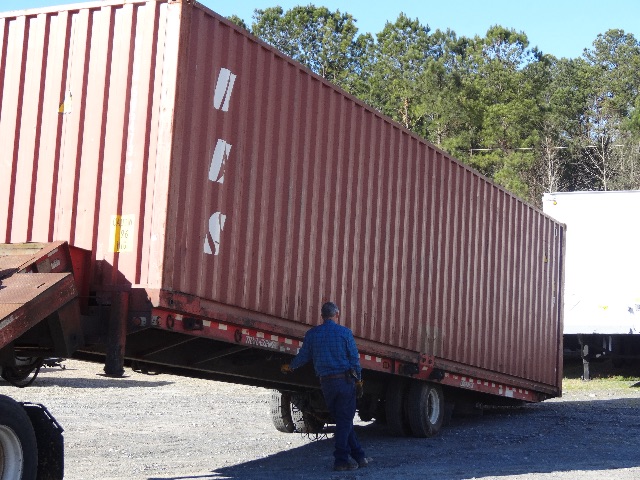
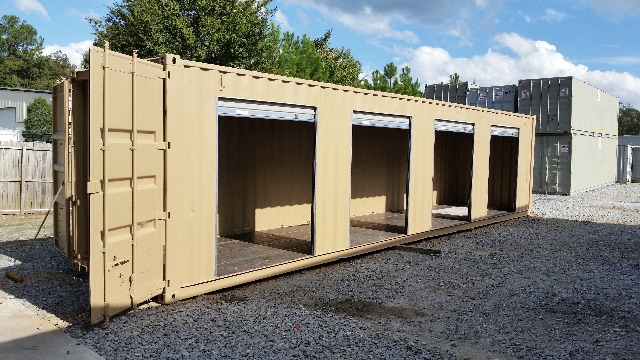
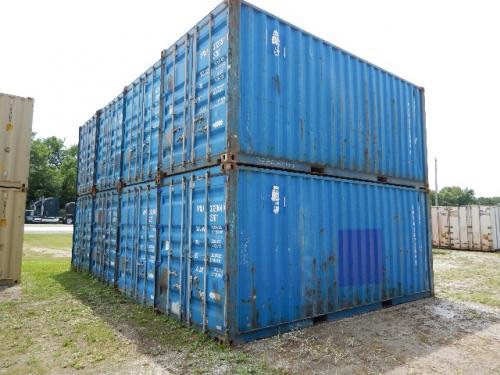

Have used cimc container trailer to sell? List it here to reach thousands of buyers.
About Used CIMC Container Trailers
A key buying point is dimensional and structural spec. Many CIMC domestic containers in the used market are 53 feet long, 8 feet wide, and 9 feet 6 inches high, giving shippers cube capacity similar to a high-cube dry van while keeping the advantages of containerized handling. Common features include laminated hardwood floors, often around 1-1/8 inches thick, and floor ratings in the 24,000-pound range. Buyers should pay close attention to crossmember condition, side rail integrity, corner fittings, roof panel straightness, and door frame alignment. If the container will be lifted loaded, stacked in the yard, or moved frequently between chassis, the condition of the top corner castings and bottom rail structure matters as much as cosmetic appearance.
Used CIMC container equipment is especially relevant for private fleets, drayage-heavy operations, retail distribution, and drop-and-hook systems that want container flexibility without stepping into marine-size limitations. Domestic 53-foot containers are different from a standard container chassis. The container is the freight box itself, while a chassis is the wheeled frame that carries it. Buyers need to confirm compatibility with their chassis fleet, yard handling equipment, and any rail or terminal requirements. Gooseneck tunnel design is important because it allows the container to sit lower on the chassis for legal height compliance while preserving internal cube. Door seals, floor wear, patch history, and evidence of forklift impact should also be reviewed closely on used units, since those items directly affect service life and cargo protection.
The best used CIMC container choice depends on how the box will be used after purchase. A single-use or one-way domestic container may show minimal road wear compared with older fleet units, but even newer used containers should be inspected for CSC labeling where applicable, prior repairs, corrosion at weld points, and any distortion from improper lifting. If the container will spend time in stacked storage, verify stacking capability and load ratings. If it will stay in active domestic rotation, focus on doors, floors, understructure, and how easily it integrates with existing chassis and terminal workflows. For buyers comparing listings, the most important differences are usually age, structural condition, floor and door integrity, and whether the unit has been used lightly in one-way service or worked hard in regular fleet rotation.
Frequently Asked Questions
What is the difference between a CIMC domestic container and a container chassis?
A CIMC domestic container is the enclosed freight box, usually a 53-foot steel dry freight container designed to be lifted, stacked, stored, and transported on compatible equipment. A container chassis is the trailer frame with wheels, suspension, lights, and twist locks that carries the container over the road. Buyers need to evaluate both pieces separately because the container's structural condition and the chassis compatibility both affect how the unit will perform in service.
What should I inspect first on a used CIMC 53-foot container?
Start with the structure that carries the load and absorbs handling stress. Check the corner castings, crossmembers, bottom rails, gooseneck tunnel, door frame, roof, and floor. Then inspect the doors for smooth operation and proper sealing, and look for forklift damage, sidewall dents, patchwork, corrosion around welds, and any signs the box has been lifted improperly. A container can look clean outside and still have expensive structural issues underneath.
Are used CIMC domestic containers suitable for intermodal service?
Many are, but suitability depends on the exact build, condition, and the requirements of the railroad or terminal network involved. Domestic 53-foot containers are widely used in intermodal freight, but buyers should verify lifting points, stacking capability, corner fitting condition, and any applicable compliance markings. Terminal acceptance standards and chassis compatibility should be confirmed before purchase if the container will move regularly through rail ramps or port-adjacent facilities.
What does single-use or one-way mean on a used CIMC container listing?
Single-use or one-way usually means the container was manufactured overseas, loaded once for delivery into the domestic market, and then offered for domestic service rather than being returned in international rotation. These units are often sold as used because they have already carried cargo, but they may show far less wear than older fleet containers. Even so, buyers should still inspect them carefully for transit damage, floor moisture exposure, door alignment, and any impact damage from handling.
Why is the gooseneck tunnel important on a 53-foot domestic container?
The gooseneck tunnel allows the front underside of the container to fit down over a gooseneck chassis. That lower ride height helps maintain legal overall height while preserving the interior cube of a 9-foot 6-inch high-cube container. For fleets running domestic intermodal or highway service, proper gooseneck compatibility is critical because it affects chassis fit, loaded height, and operational flexibility across different terminals and lanes.