
Used Yard Trucks For Sale
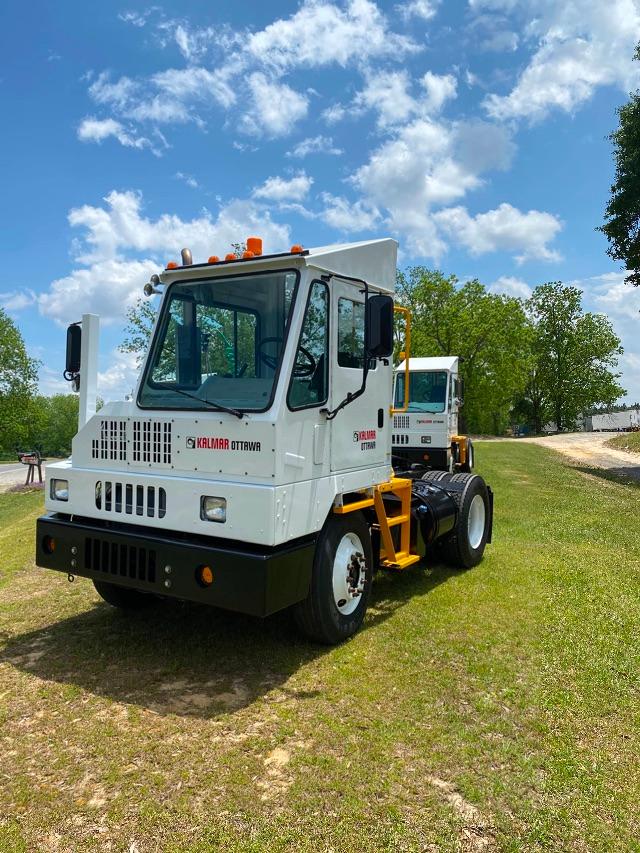
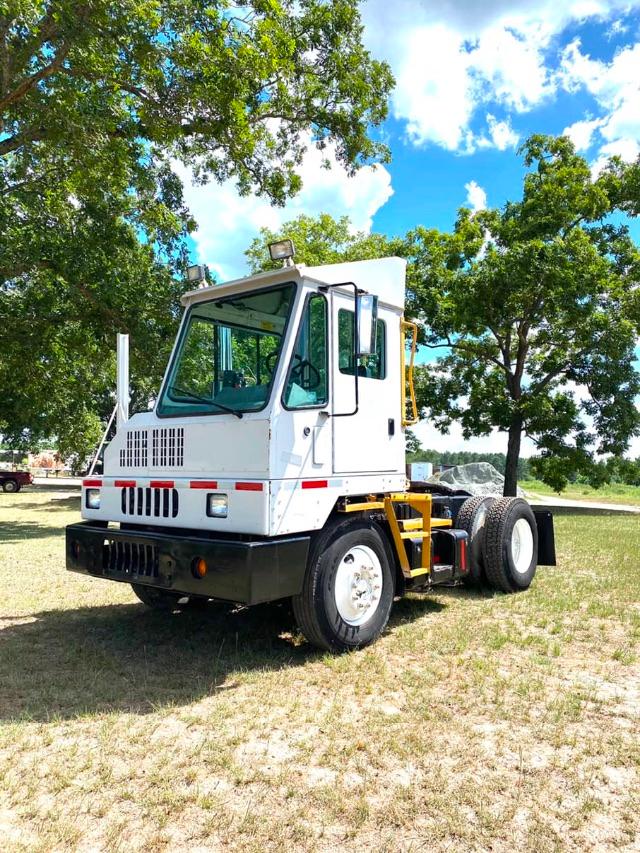
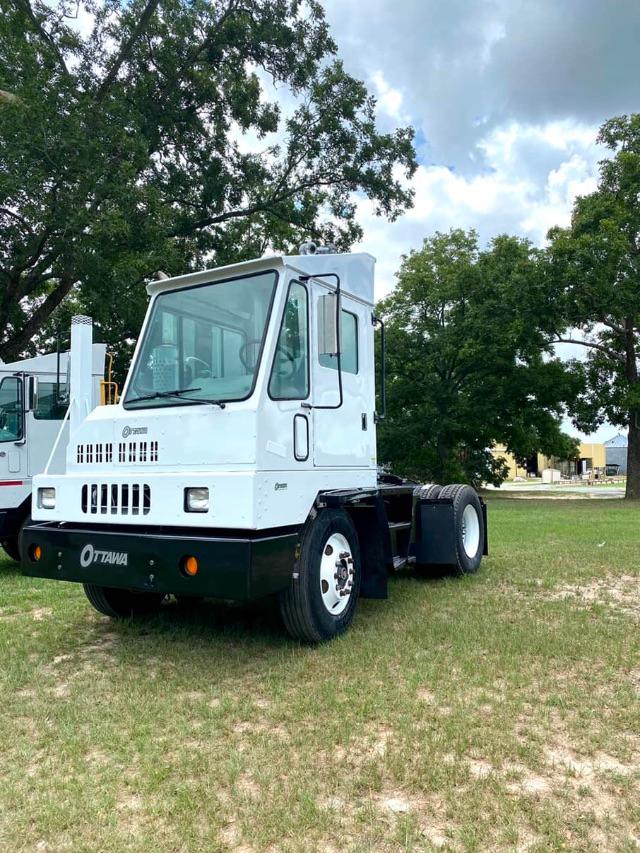
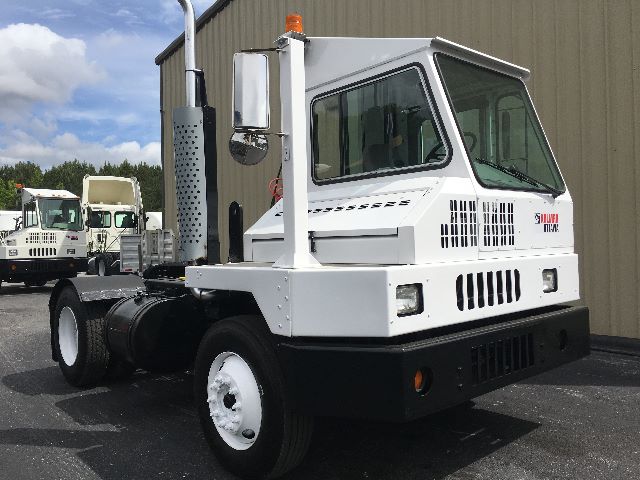
Used yard trucks for sale, including Ottawa, Kalmar, Capacity, and TICO spotters with hydraulic fifth wheels, automatic transmissions, and DOT-ready options.

Showing 29 to 39 of 39 results
Selling a used yard truck? List your used yard truck for sale and reach thousands of commercial buyers.
Used Yard Trucks
The core spec decisions usually start with powertrain, cab layout, and legal status. Many used yard spotters are equipped with Cummins diesel engines, often paired with Allison automatic transmissions because they hold up well in repetitive low-speed shifting and backing cycles. Buyers comparing older mechanical-engine units to newer electronic diesel or CNG models should pay attention to hours, idle history, cooling system condition, and transmission engagement quality. A DOT-legal yard truck can be useful if the operation includes short public-road moves between lots or nearby facilities, while off-road-only units may be a better value for closed-yard work. Air conditioning, heater performance, cab entry height, and seat condition matter more than they do on over-the-road equipment because operators are cycling in and out all shift.
On the chassis side, focus on the hydraulic fifth wheel system, frame condition, and rear axle setup. The fifth wheel should raise and lower smoothly under load, lock positively, and show limited wear in the pins, bushings, and hydraulic cylinders. Common specs include 22.5-inch rubber, solid or severe-service rear suspension, heavy steel frame rails, and rear axles in the 20,000 to 23,000 lb range. Yard trucks are designed for durability over speed, so rear ratios are typically deep to improve low-speed pulling and trailer launch. Visibility from both sides of the cab, step placement, and overall cab ergonomics are important if the truck will handle hundreds of trailer exchanges per day.
For a used purchase, condition matters more than model year alone. High-hour spotters can still be good fleet assets if the fifth wheel hydraulics, transmission, brakes, cooling system, and electricals have been maintained. Rust is worth checking closely on floor structure, cab mounts, frame crossmembers, and hydraulic mounting points, especially in northern service regions. If the truck is advertised as work-ready, confirm actual operating condition of the lift system, PTO or hydraulic pump setup, lights, backup alarm, and any road-legal equipment. Brands such as Ottawa, Kalmar, Capacity, and TICO dominate this segment, and parts support is generally strong, which helps keep a used yard truck productive long after its original fleet cycle.
Frequently Asked Questions about Used Yard Trucks
What is a yard truck used for?
A yard truck is used to move semi-trailers within a confined area such as a warehouse yard, port terminal, distribution center, or plant site. Its hydraulic fifth wheel allows the operator to lift a trailer and move it quickly between dock doors, parking rows, and staging areas. Yard trucks are optimized for short-distance, high-frequency trailer moves rather than highway hauling.
What is the difference between a yard truck and a road tractor?
A yard truck is built for low-speed maneuvering, quick trailer hookups, and repeated entry and exit from the cab. It usually has a shorter wheelbase, a hydraulically lifting fifth wheel, and gearing suited for constant stop-and-go work. A road tractor is designed for sustained highway speeds, ride comfort, fuel economy, and long-distance pulling. Some yard trucks are DOT legal for short road use, but they are still purpose-built for terminal operations.
What should I inspect first on a used yard spotter?
The first items to inspect are the hydraulic fifth wheel operation, transmission engagement, engine starting and idle quality, brake function, and frame condition. A used yard spotter lives a hard life with frequent direction changes, heavy trailer handling, and long idle periods. Check for leaks at the hydraulic cylinders and pump, wear in the fifth wheel pins and bushings, rust in structural areas, and signs of overheating or neglected maintenance.
Are used yard trucks usually automatic?
Yes, many used yard trucks are equipped with Allison automatic transmissions. Automatic transmissions are common in this category because they simplify repetitive forward-reverse cycles and reduce operator fatigue during constant trailer spotting. When evaluating a used unit, smooth engagement in both directions and clean shifting under load are more important than transmission type alone.
Can a used yard truck be driven on public roads?
Some used yard trucks are DOT legal and can operate on public roads for short transfers between facilities or lots, provided they meet the required lighting, brake, registration, and local compliance standards. Others are off-road-only terminal tractors intended strictly for private property use. Buyers should confirm road-legal status directly from the truck’s equipment, title situation, and local regulations rather than assuming all yard trucks can leave the yard.