
Used 2006 Yard Trucks For Sale
Shop used 2006 yard trucks, also called terminal tractors or spotter trucks, with common specs, applications, and buyer tips for fleet use.
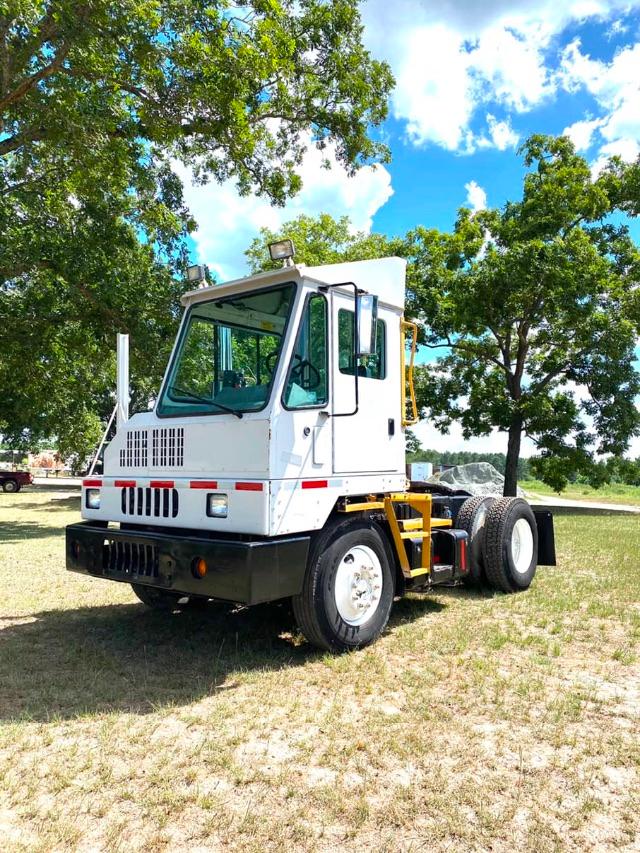
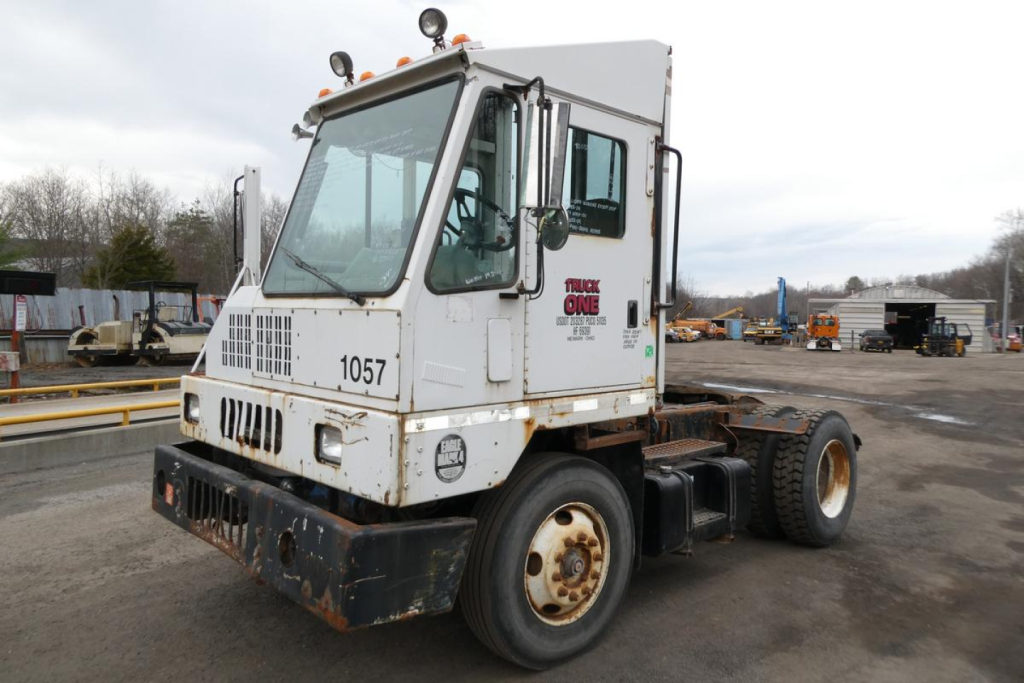
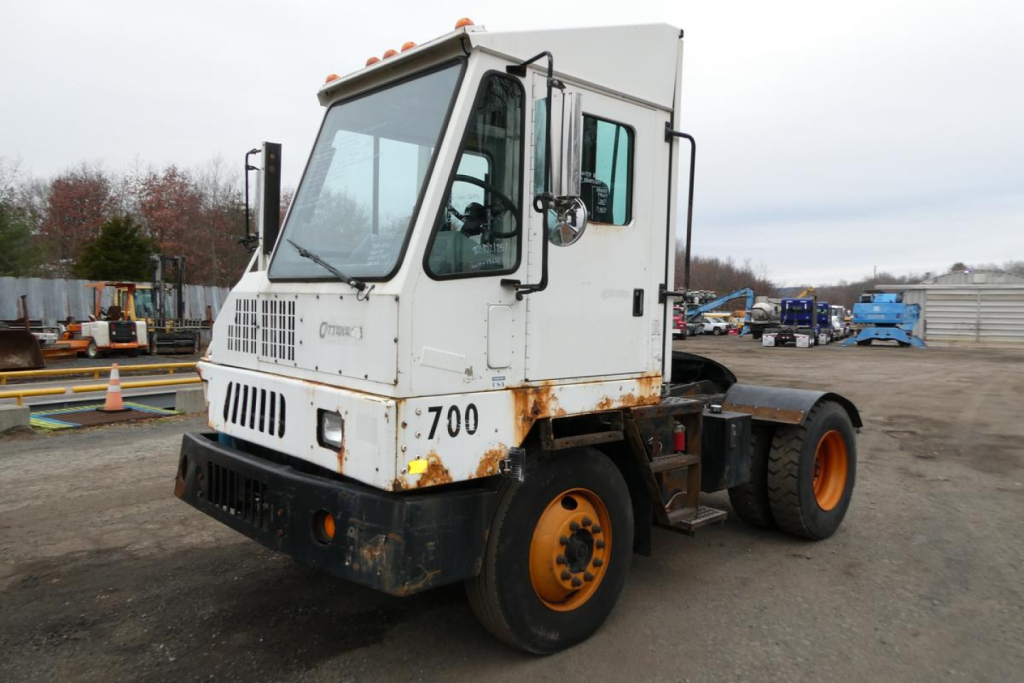
Selling a used 2006 yard truck? List your used 2006 yard truck for sale and reach thousands of commercial buyers.
Used 2006 Yard Trucks
The most common buying decisions on a 2006 yard truck are powertrain condition, fifth wheel performance, and frame integrity. Cummins 5.9L and early 6.7L engines are common in this class, usually paired with Allison automatic transmissions such as the MT643 or 3000-series. Rear axles in the 23,000 lb range, solid suspension, and 22.5-inch rubber are typical. Buyers should confirm whether the hydraulic fifth wheel powers up and down smoothly, check for cylinder leaks, worn pins and bushings, and verify PTO operation under load. On older yard tractors, transmission engagement, steering play, brake system condition, and hour meter accuracy usually tell more than appearance alone.
A 2006 yard tractor is best matched to low-speed, high-cycle work where maneuverability matters more than highway comfort. Typical specs include wheelbases around 108 to 116 inches, GVW ratings often near the mid-30,000 lb range, and a steel frame designed to handle repeated trailer coupling. Some units are DOT-ready or highway-capable for short public-road transfers between facilities, but many are strictly yard machines. If occasional road use is required, buyers should verify lighting, brakes, registration requirements, and whether the tractor was originally spec'd for on-road service. Cab layout, entry steps, visibility, heater and A/C operation, and ease of repeated ingress and egress are also important because these trucks often spend all day in stop-and-go service.
On a used 2006 unit, the real value comes from mechanical soundness and application fit, not age alone. A fleet running dry vans in a flat warehouse yard may prioritize a basic single-shift tractor, while a busy container yard may need stronger hydraulics, better cooling performance, and a cab suited for constant operator turnover. Parts support remains strong for many Ottawa, Kalmar Ottawa, Capacity, and similar yard truck platforms, but component condition can vary widely after years of yard duty. The best approach is to inspect for hydraulic leaks, frame repairs, kingpin lift performance, corrosion around the cab and electrical system, and signs of hard impact use at the rear frame or fifth wheel plate.
Frequently Asked Questions about Used 2006 Yard Trucks
What is the main advantage of a 2006 yard truck compared with a road tractor?
The main advantage is trailer spotting efficiency. A yard truck uses a hydraulic fifth wheel to lift and move trailers quickly without the repeated landing gear work required with a standard road tractor. Its short wheelbase, high-visibility cab, and tight turning radius also make it much better suited for docks, drop lots, and confined yard traffic patterns.
Are 2006 yard trucks good for buyers who want simpler emissions systems?
Yes. Most 2006 yard tractors are from the pre-DEF period, which usually means less emissions complexity than later units. That can reduce downtime and simplify maintenance for fleets with in-house technicians. Buyers still need to confirm the exact engine family and local compliance requirements, especially if the truck will operate in regulated port or metro environments.
What should I inspect first on a used 2006 yard tractor?
Start with the hydraulic fifth wheel, transmission operation, engine start-up behavior, and frame condition. The fifth wheel should raise and lower smoothly, hold pressure, and show no major leaks. The transmission should engage cleanly in forward and reverse because constant shifting is hard on yard tractors. Also inspect steering looseness, brake function, axle condition, PTO operation, tire wear, and any cracking or repair work in the frame around high-stress areas.
Can a 2006 yard truck be used on public roads?
Some can, but not all. Certain yard tractors were built to be DOT-compliant for short highway transfers, while others were intended only for private property use. Buyers should verify lighting, brake specifications, registration status, tire condition, and original chassis configuration before planning any public-road operation. If the application includes frequent road miles, a highway-spec unit is usually the better fit.
How are yard trucks usually measured for wear, by miles or hours?
Hours are often more useful than miles on a yard truck because these machines spend much of their life in low-speed, high-idle, stop-and-go service. A relatively low odometer reading does not always mean light use. Engine hours, transmission behavior, hydraulic response, and evidence of repeated coupling cycles usually give a clearer picture of actual wear.