
Yard Trucks For Sale in North Carolina
Browse yard trucks for sale, including terminal tractors and spotter trucks built for trailer shuttling, dock work, and tight-yard maneuvering.
No exact matches found for your search
Showing Yard Trucks instead.
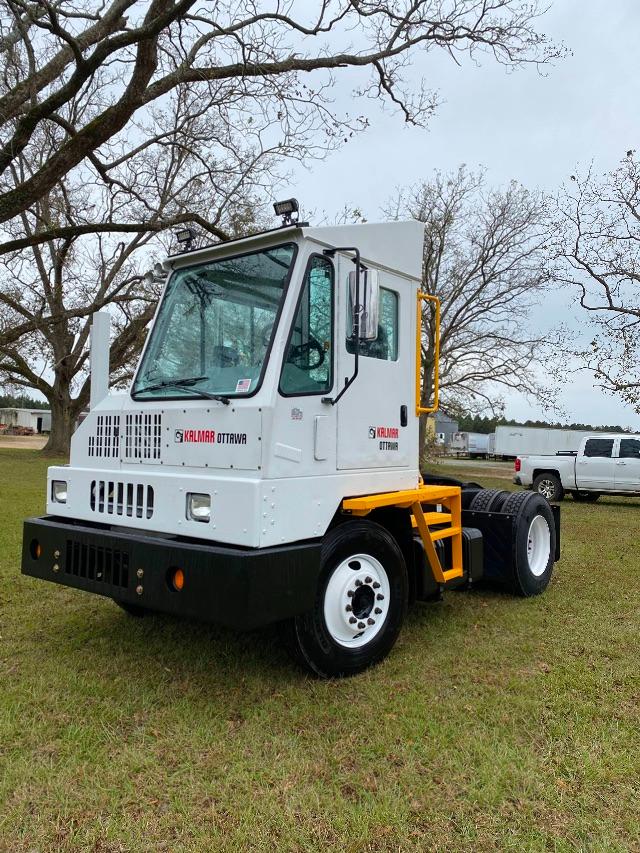
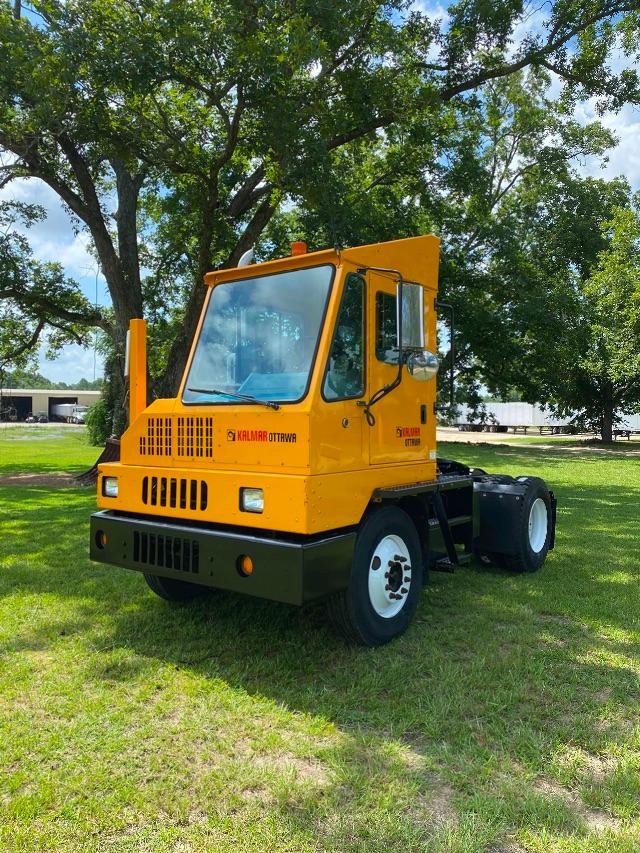
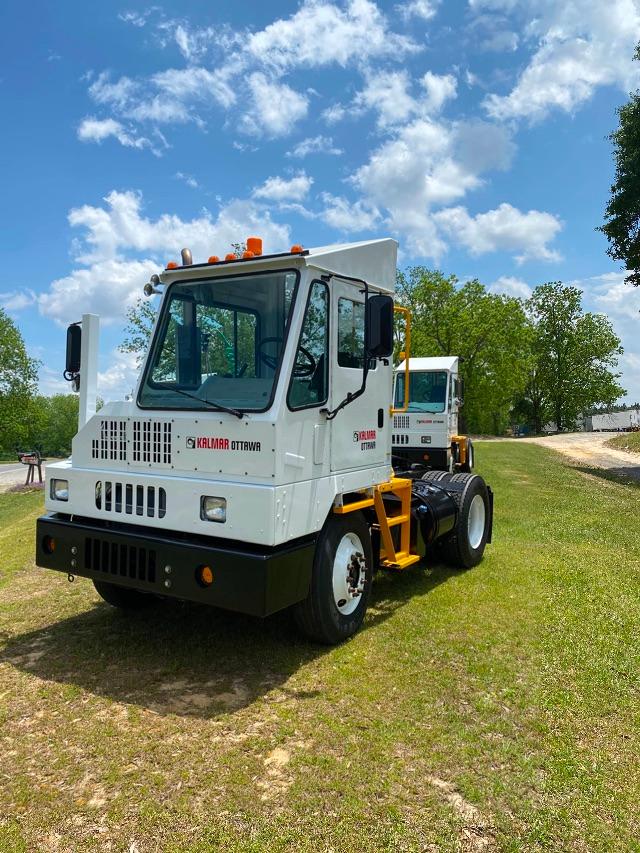
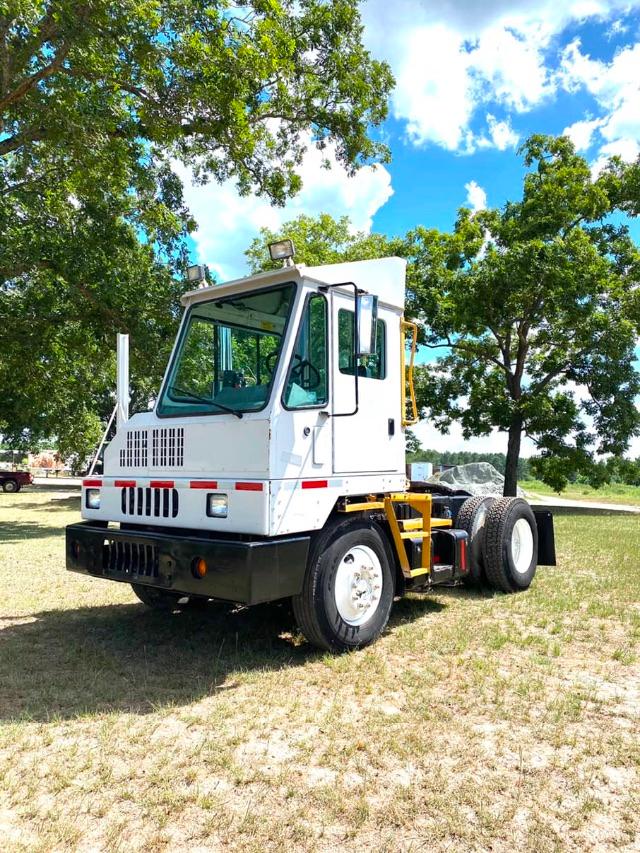
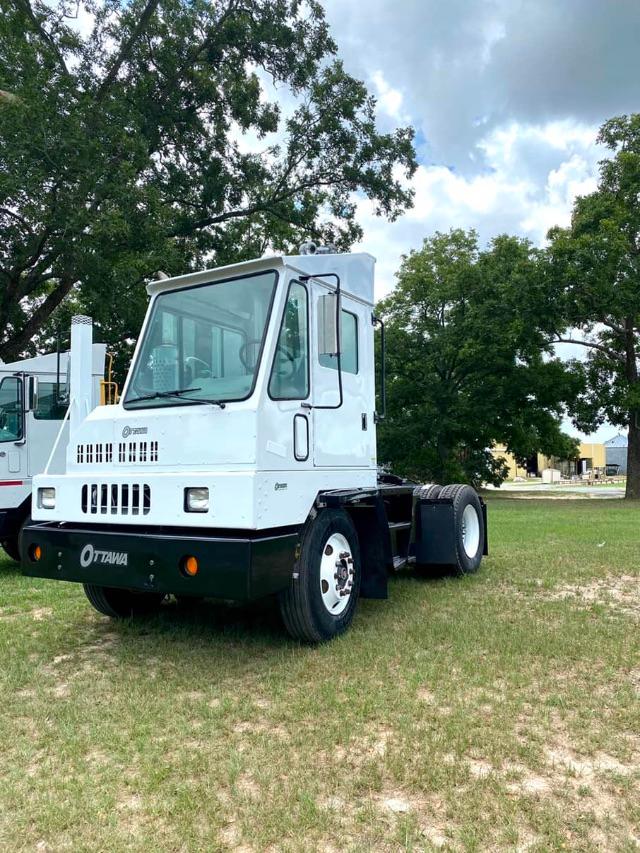
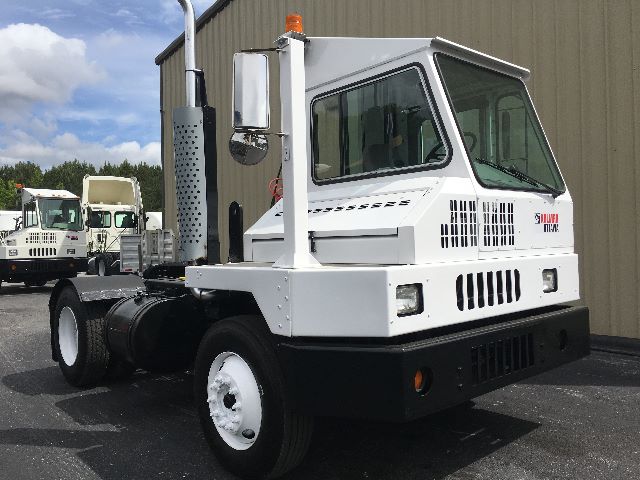

Showing 29 to 35 of 35 results
Selling a yard truck? List your yard truck for sale and reach thousands of commercial buyers.
Yard Trucks in North Carolina
A hydraulic lifting fifth wheel is one of the most important features in this category because it allows the operator to pick up a trailer without leaving the cab. That saves time at the dock and reduces strain during high-cycle yard work. Many yard trucks run a single rear axle and an automatic transmission, often paired with medium-duty diesel engines or alternative-fuel engines depending on the fleet application. Horsepower is usually modest compared with over-the-road tractors, but low-speed torque, transmission calibration, and cooling performance matter more in real-world yard use. Buyers should also pay close attention to hours, not just model year, since these trucks often accumulate heavy idle time and repeated short-move cycles.
Cab design has a direct impact on operator efficiency. A low-entry cab, large glass area, and clear rearward visibility make a big difference in crowded yards where drivers are constantly mounting, dismounting, and backing into doors. Air ride seating, ergonomic controls, and left-hand or right-hand drive layouts can matter depending on traffic flow and site design. In North Carolina, yard trucks are commonly used in distribution corridors, food and beverage operations, intermodal support, and manufacturing plants where uptime and easy service access are critical. If the truck will stay strictly on private property, the spec can be simpler. If it needs to travel short public-road segments between facilities, confirm the lighting, registration, and road-legal equipment required for that operation.
Durability and maintenance access should be part of every buying decision. Look at frame condition, fifth wheel wear, transmission response, suspension setup, brake type, and the ease of servicing daily-check items. Common decision points include diesel versus CNG, single axle versus heavier-duty configurations, and enclosed cab versus more open operator-focused layouts. A good yard truck is not bought for top speed. It is bought for fast trailer spotting, tight turning radius, predictable hookup performance, and the ability to handle repetitive duty cycles without excessive downtime.
Frequently Asked Questions about Yard Trucks in North Carolina
What is a yard truck used for?
A yard truck is used to move semi-trailers around a confined area such as a warehouse yard, distribution center, port, or plant. Its main job is trailer spotting, dock staging, and short-distance repositioning rather than highway hauling. The design focuses on quick entry and exit, tight turning, strong low-speed control, and fast trailer hookup through a lifting fifth wheel.
What is the difference between a yard truck and a road tractor?
A yard truck is built for low-speed, high-frequency trailer moves inside a facility, while a road tractor is built for sustained highway travel. Yard trucks typically have a shorter wheelbase, a higher-visibility cab, and a hydraulic fifth wheel that lets the operator lift a trailer without extensive manual crank handling. Road tractors usually offer higher horsepower, road gearing, sleeper or day cab configurations, and full compliance for long-distance on-road service.
Should I compare hours or mileage on a used yard truck?
Hours are often more important than mileage on a used yard truck because these units spend much of their life idling, creeping through yards, and making very short moves. A lower-mileage unit can still have significant engine and transmission wear if it has high operating hours and a hard-duty cycle. Buyers should review both hours and maintenance history, then inspect the fifth wheel, cooling system, transmission behavior, brakes, and cab controls for signs of heavy use.
Are most yard trucks automatic?
Yes, many yard trucks are equipped with automatic transmissions because the job involves constant shifting, backing, and stop-and-go operation. An automatic helps reduce driver fatigue and can improve consistency in crowded yards where precise movement matters more than road speed. When comparing listings, look at the transmission model, service records, and how smoothly it engages under load.
Can a yard truck be driven on public roads?
Some yard trucks can operate on public roads for short transfers, but that depends on how the truck is equipped and how it is registered. A unit used only on private property may not be spec'd for regular road use. Buyers should verify lighting, brakes, mirrors, emissions compliance, registration class, and any state-specific requirements before planning off-site or cross-street operation.