
Mack Water Trucks For Sale in Oklahoma
Shop Mack water trucks in Oklahoma. Compare tank capacity, spray systems, axle ratings, PTO setup, and chassis specs for dust control work.
No exact matches found for your search
Showing Water Trucks instead.
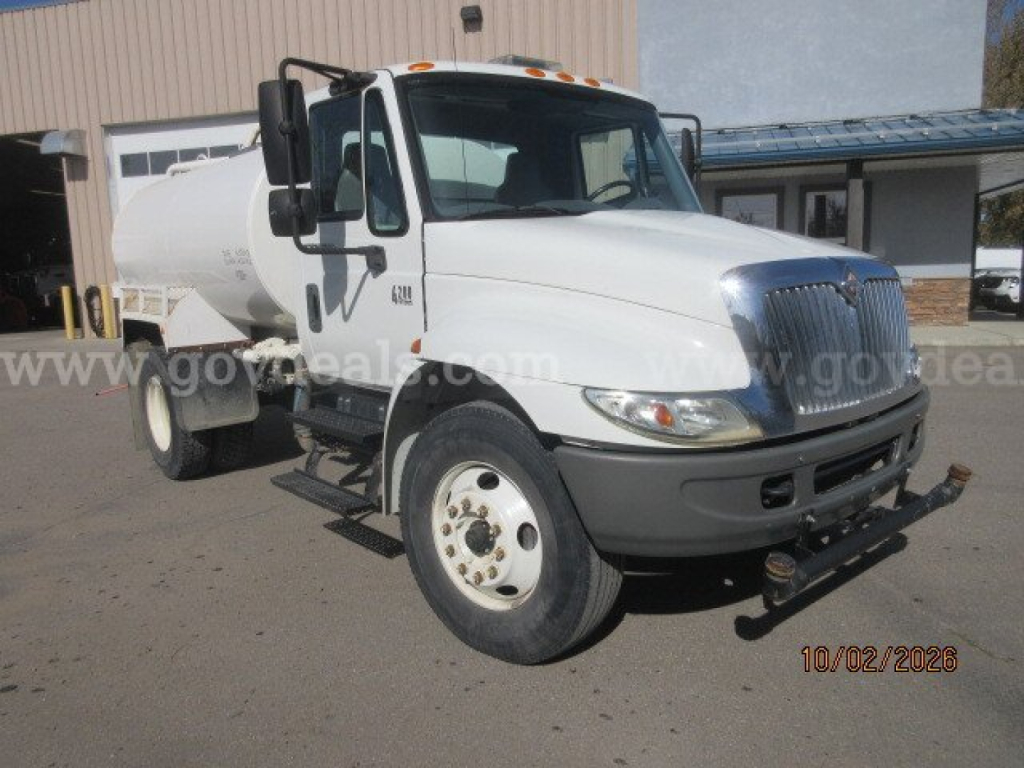
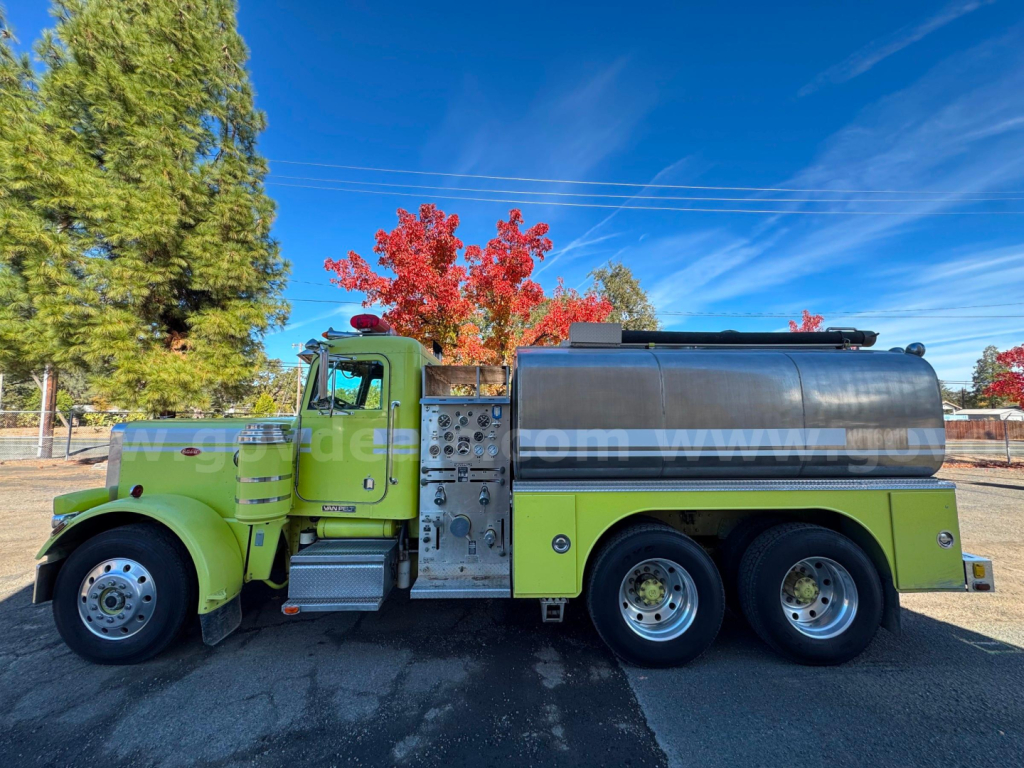
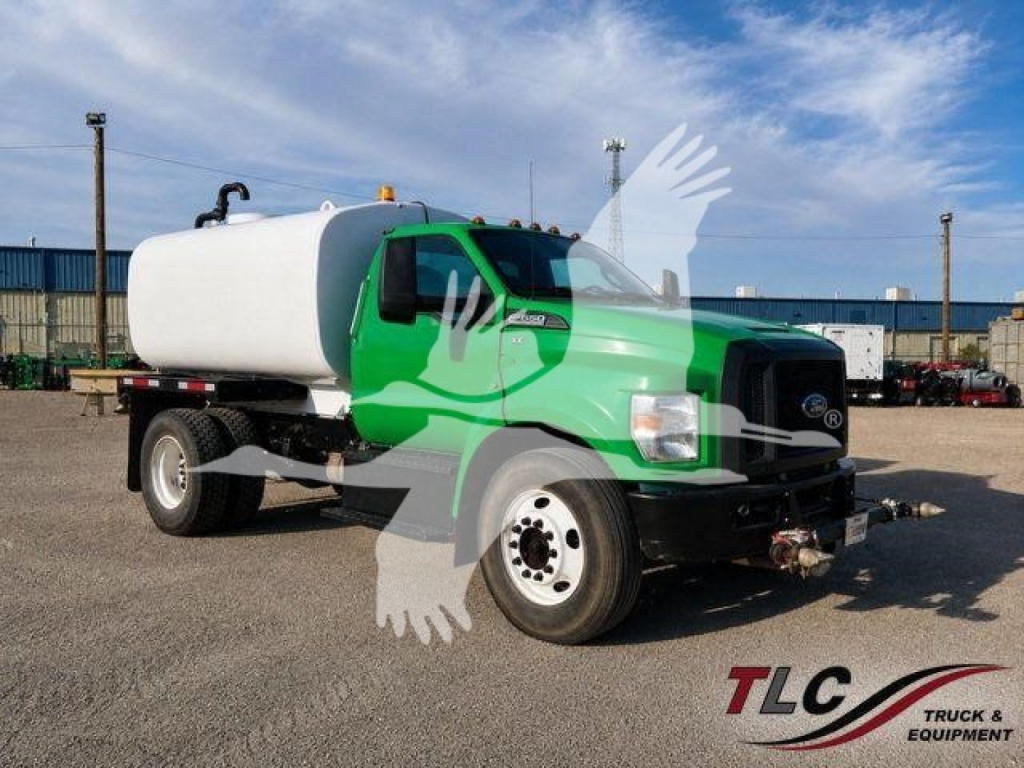
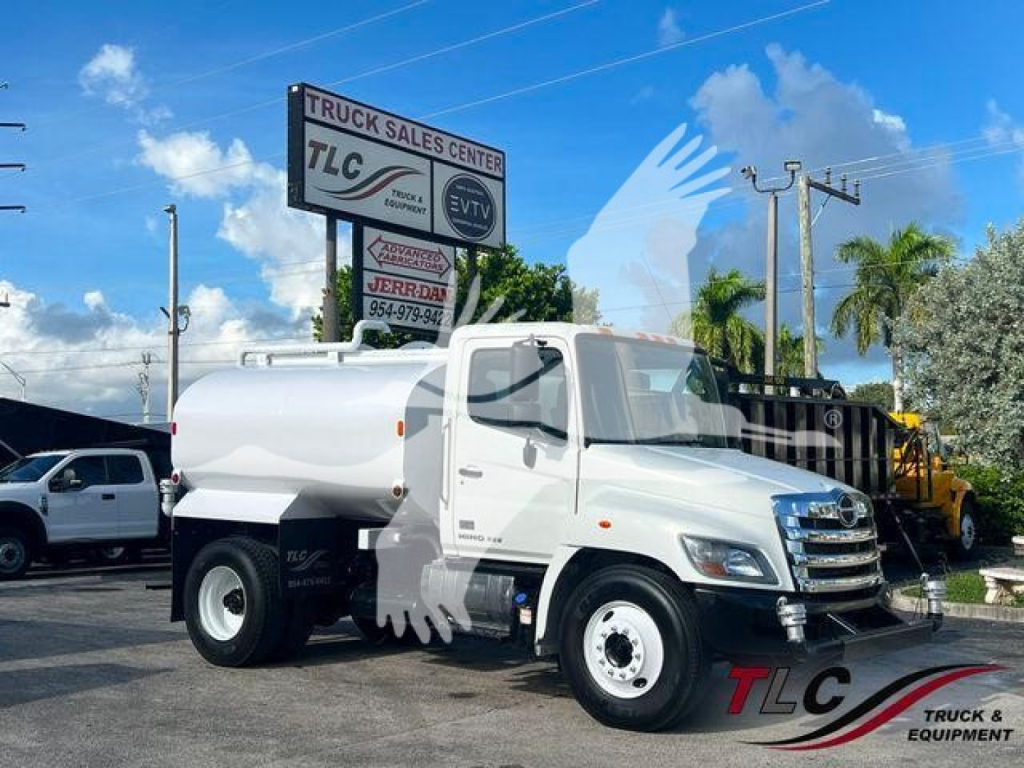
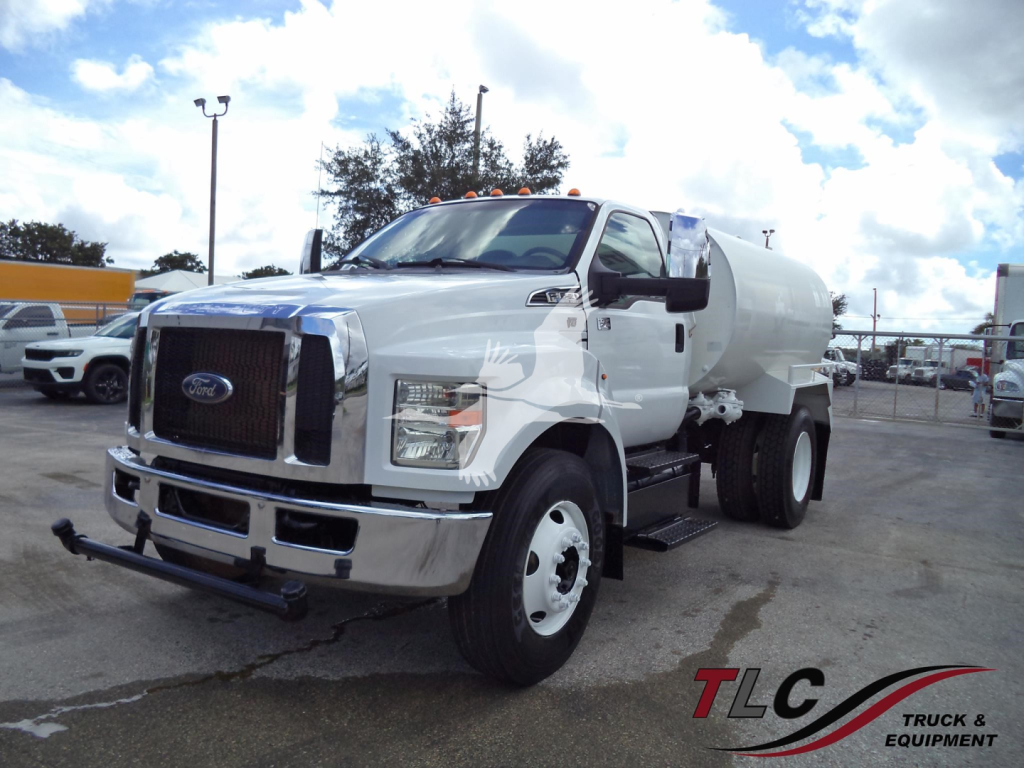
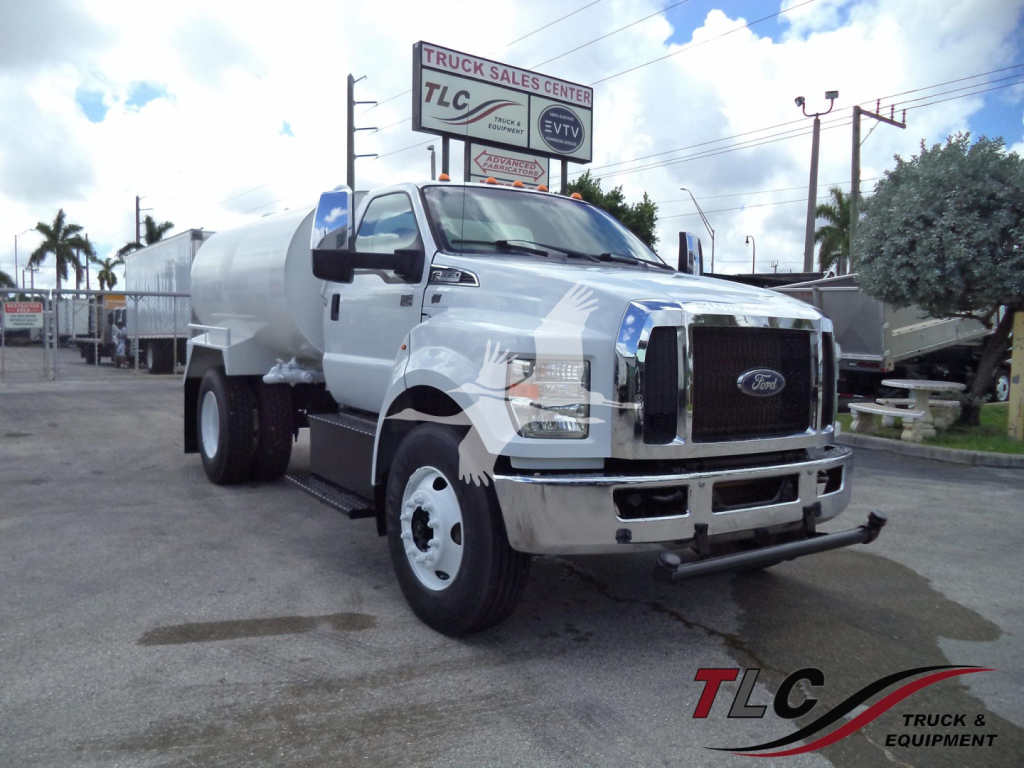
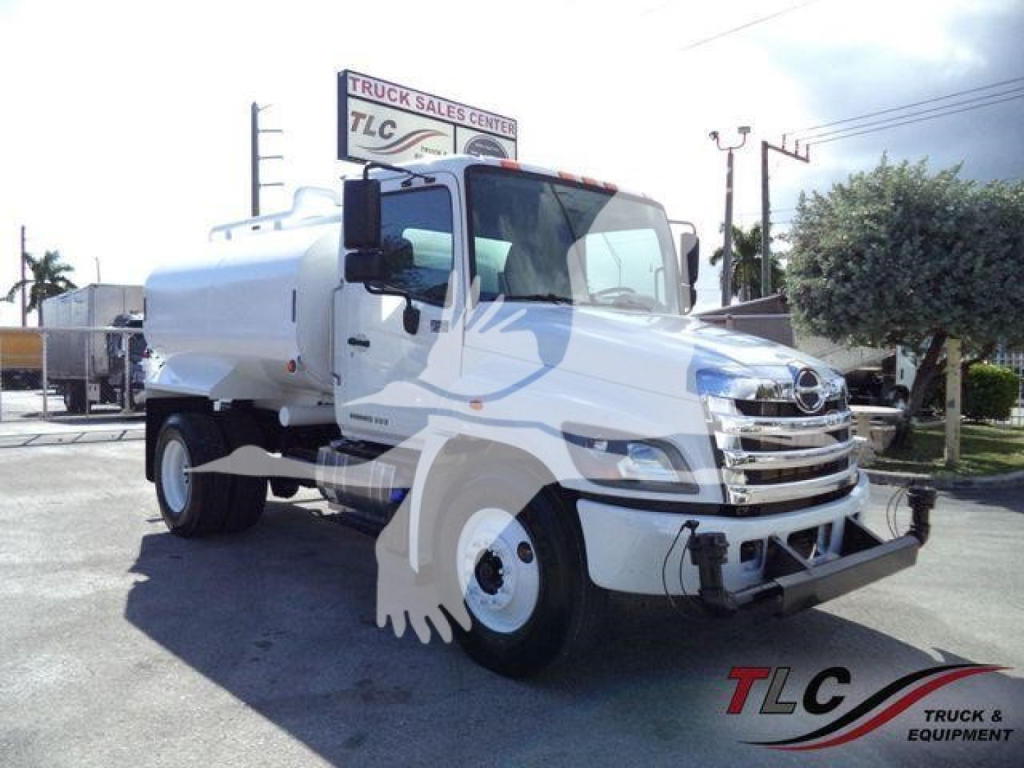
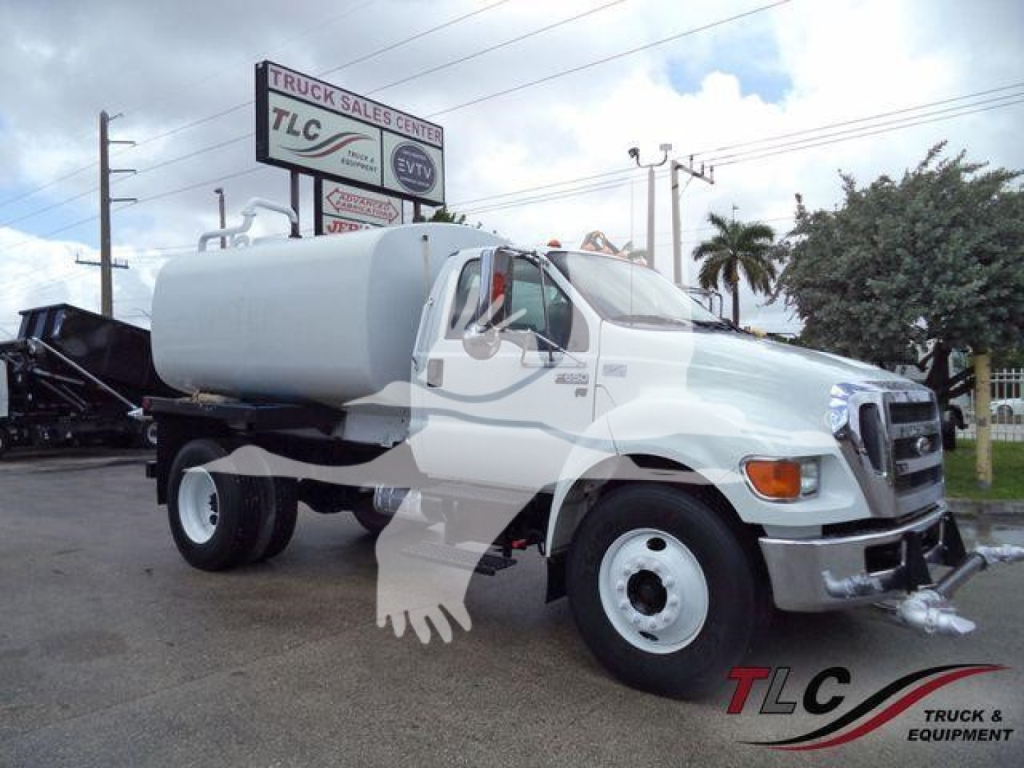
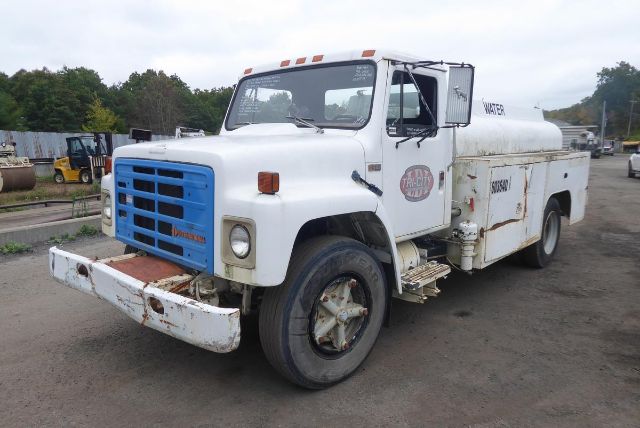
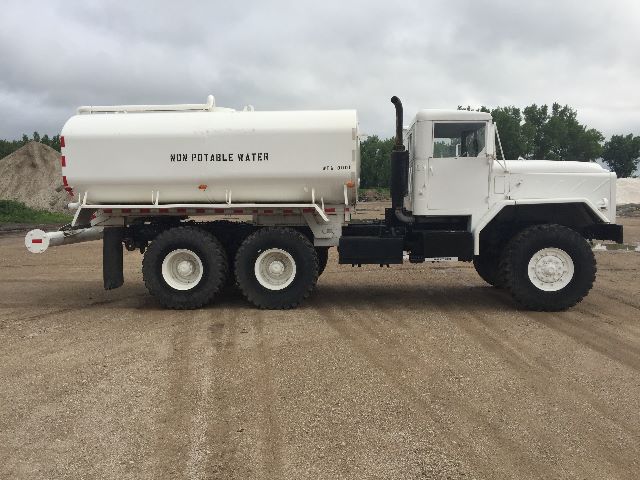
Selling a mack water truck? List your mack water truck for sale and reach thousands of commercial buyers.
Mack Water Trucks in Oklahoma
Tank capacity is one of the first decisions to make. Around 2,000 gallons is common on medium-duty single-axle builds, giving a good balance between payload, legal weight, and access to tighter jobsites. Buyers should look closely at tank material, baffle design, and spray controls. Steel tanks are common for rugged service, while internal baffles help control surge and improve handling when the truck is partially loaded. Front sprayers are useful for wetting haul roads and grading lanes ahead of the truck, while rear sprayers handle broader dust suppression behind the unit. If the truck is plumbed for a water cannon, that adds flexibility for stockpiles, trench work, and spot application.
Chassis specs matter because water is heavy and operating conditions are demanding. Mack water trucks are often chosen for stout vocational frames and straightforward upfit compatibility. Key items to compare include GVWR, front and rear axle ratings, wheelbase, suspension type, rear ratio, and transmission. A setup with a Cummins diesel and Allison automatic is common in this category because it works well for stop-and-go routes, low-speed jobsite work, and operators with varying experience levels. A shorter wheelbase improves turning radius, but it also has to be matched correctly to tank length and weight distribution. Buyers in Oklahoma should also consider leaf spring suspension, pump drive arrangement, and how the body builder integrated the tank, spray bar, valves, and hose handling.
A good Mack water truck is easy to service, predictable under load, and equipped for the specific type of spraying you do most. Check whether the unit uses manual or in-cab spray controls, what kind of pump output it provides, and how easily nozzles, valves, and plumbing can be maintained in field conditions. For road maintenance fleets, a simple and durable spray system usually wins. For contractors who need more versatility, cannon-ready plumbing, multiple spray zones, and well-laid-out controls can save time on every shift. The best buying decision comes from treating the truck and tank as one system, with the chassis, water capacity, and spray package all sized for the same job.
Frequently Asked Questions about Mack Water Trucks in Oklahoma
What size tank is common on a Mack water truck?
A medium-duty Mack water truck often carries around 2,000 gallons, especially on a single-axle chassis. That size works well for construction sites, municipal road service, and dust control routes where access and turning radius matter. Larger capacities are available on heavier chassis, but the right tank size depends on axle ratings, empty weight, local road limits, and how far the truck must travel between fills.
What should I look for in a water truck spray system?
The most important items are pump capacity, spray coverage, control layout, and plumbing durability. Many buyers want front sprayers and rear sprayers as a baseline, since that covers general dust suppression and road wetting. Plumbing for a water cannon adds flexibility for targeted application. Internal tank baffles, serviceable valves, and easily replaced nozzles are also important because they affect daily usability and long-term maintenance.
Why do axle ratings and GVWR matter so much on a water truck?
Water is a dense payload, so axle capacity and GVWR directly affect how much usable water the truck can legally and safely carry. A truck may have a large tank, but if the chassis ratings are not matched to that capacity, payload can be limited in real-world use. Buyers should compare front axle rating, rear axle rating, suspension, wheelbase, and the installed tank size together rather than looking at any one number by itself.
Are automatic transmissions a good choice for Mack water trucks?
Yes. Allison automatic transmissions are common on water trucks because they perform well in stop-and-go service, jobsite operation, and routes with frequent speed changes. They simplify operation for multiple drivers and are well suited to vocational work where the truck spends time maneuvering, spraying, and idling between short moves. Buyers should still confirm that the transmission is matched properly to engine output, rear ratio, and intended terrain.
What matters most for a Mack water truck in Oklahoma?
In Oklahoma, buyers usually focus on durability, ease of service, and a setup that can handle construction sites, gravel roads, and changing weather conditions. Dust control work often means repeated low-speed operation on rough surfaces, so suspension, tank baffling, and spray system reliability are key. A practical spec includes enough capacity for the route, a wheelbase that fits the jobsite, and a chassis and pump package that can stand up to daily vocational use.