
Mack Water Trucks For Sale
Shop Mack water trucks with 2,000 to 4,000-gallon capacities, vocational chassis options, and specs suited for dust control and municipal work.
No exact matches found for your search
Showing Water Trucks instead.
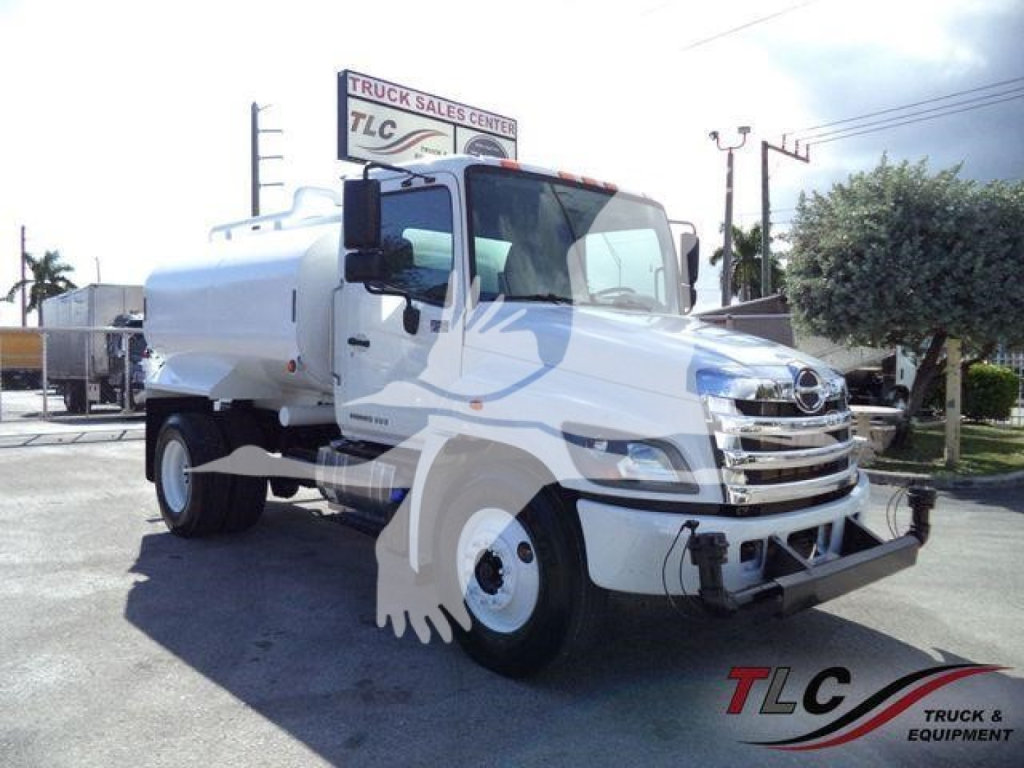
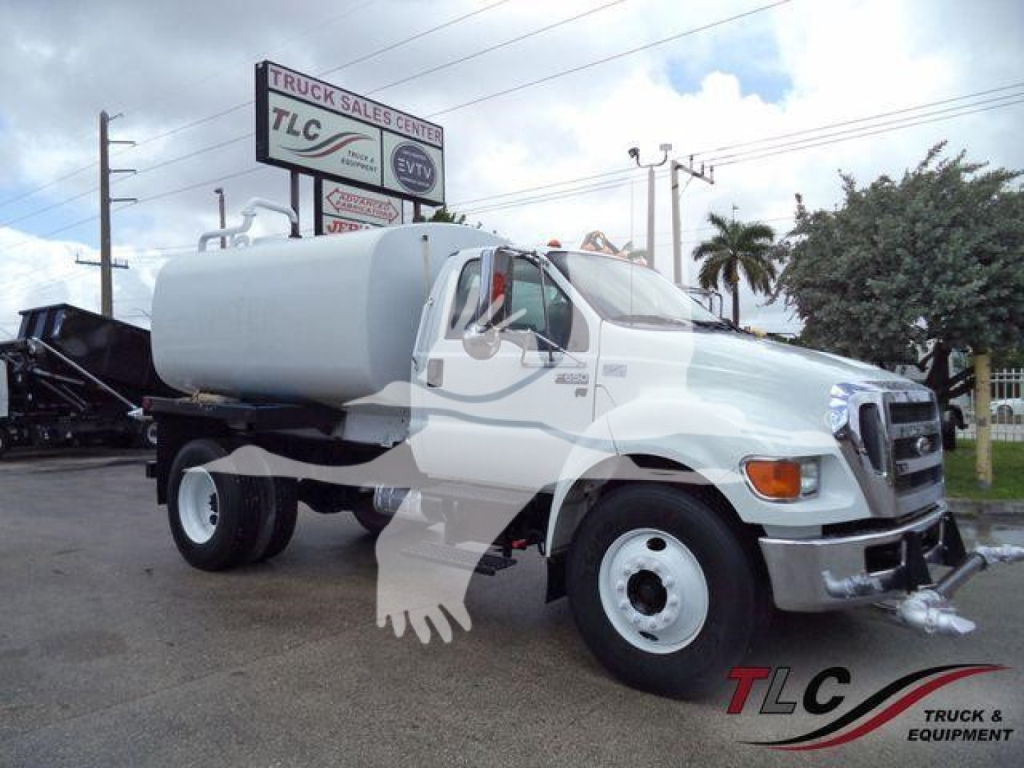
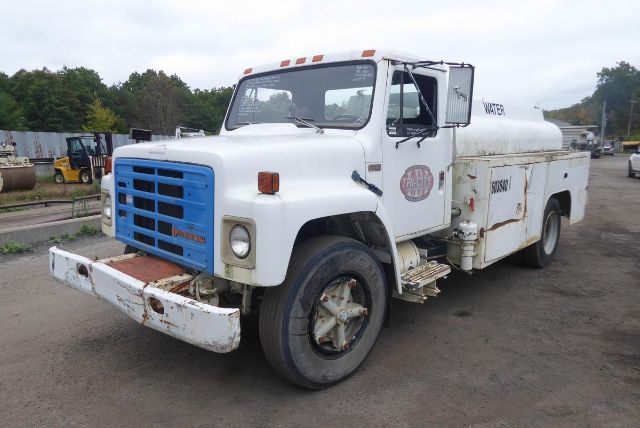
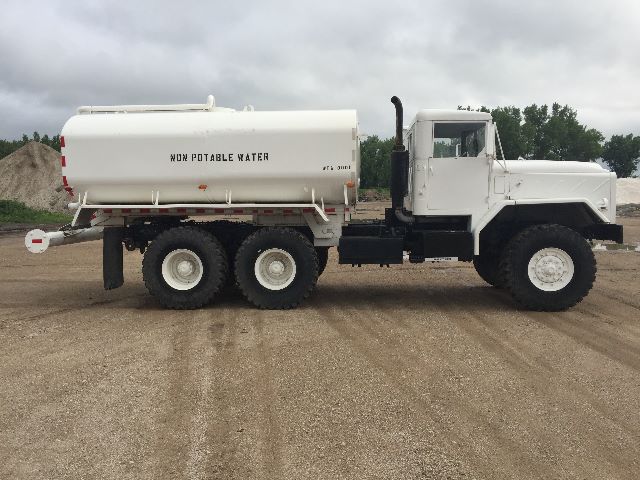
Have mack water truck to sell? List it here to reach thousands of buyers.
Mack Water Trucks
Tank capacity, axle configuration, and spray system layout should drive the buying decision before cab trim or appearance. Common water truck bodies in this class use steel tank construction and may include rear hydrant fill, rear ladder access, and spray heads at the front, rear, and sides of the cab. Buyers should confirm pump type, spray bar coverage, hose reel provision, and how the baffling is designed, since surge control affects handling when the tank is partially loaded. A 2,000-gallon body on a 33,000 GVWR single axle truck is often a practical fit for construction sites, paving support, and local municipal routes. A 4,000-gallon body on a tandem chassis with a 58,000-plus GVWR is better aligned with mine sites, large developments, and county road departments.
On the chassis side, Mack water trucks often pair vocational suspensions with proven automatic transmissions for stop-and-go work. Medium-duty MD7 configurations commonly use the Cummins ISB 6.7 with 300 horsepower and an Allison automatic, a combination that is easy to run and well suited to non-CDL or CDL applications depending on final GVWR and registration. Heavier Mack water trucks may use the Mack MP8 and mDRIVE transmission, along with Camelback or similar heavy vocational suspension, differential locks, and higher axle ratings for off-road traction and load stability. Rear axle ratio, brake type, wheelbase, and suspension all matter because water trucks spend much of their life on uneven surfaces, in low-speed service, and under shifting liquid loads.
A good buyer focuses on application details that affect daily productivity and service life. Check tank material thickness, internal weld quality, corrosion protection, PTO and pump access, and whether the spray controls are manual, electric, or air actuated. For municipal and contractor use, also verify hydrant fill plumbing, suction capability if needed, cab visibility, backup camera setup, and ladder and walkway safety. Mack has a strong vocational reputation, and that matters in a water truck because the chassis is only part of the value. The best setup is the one that matches your gallon requirement, route distance, ground conditions, and operator needs without carrying more truck than the job requires.
Frequently Asked Questions about Mack Water Trucks
What size Mack water truck is best for construction and dust control work?
For many general construction, paving, and site-prep jobs, a Mack MD7 with a 2,000-gallon tank is a practical choice because it balances capacity, maneuverability, and lower overall size. If the truck will run longer distances between fills, work on large developments, or support road and aggregate operations, a larger tandem-axle Mack with a 4,000-gallon body usually makes more sense. The right size depends on daily water demand, refill access, terrain, and whether the truck needs to stay compact for urban or confined jobsites.
Are Mack water trucks available in non-CDL configurations?
Some Mack water trucks can be configured for non-CDL use, but buyers need to verify actual GVWR, state regulations, and how the finished body is registered. Medium-duty Mack MD7 water trucks are often built in this range, though some sample units may also be rated at 33,000 GVWR, which is typically above the federal non-CDL threshold. The body, axle ratings, and local licensing rules all affect compliance, so the final completed truck specification matters more than the model name alone.
What features matter most on a water truck body?
The most important body features are tank capacity, internal baffling, pump and PTO setup, spray head layout, and fill options. Good baffling improves stability by reducing water surge, especially when the tank is not full. Buyers should also look at steel thickness, weld quality, corrosion protection, rear hydrant fill, hose reel availability, and whether the truck has front, rear, and side spray functions. These features have a direct effect on productivity, operator control, and long-term maintenance.
Why choose a tandem-axle Mack water truck over a single axle?
A tandem-axle Mack water truck is typically the better choice when the application requires more water capacity, heavier-duty suspension, and better stability on rough ground. Tandem trucks usually support larger tanks, higher GVWR, and stronger vocational components such as heavy rear suspensions and differential locks. A single-axle truck is often easier to maneuver and may cost less to operate, but it generally cannot match the payload, off-road durability, or cycle efficiency of a tandem on demanding jobs.
What engine and transmission combinations are common in Mack water trucks?
Medium-duty Mack water trucks commonly use the Cummins ISB 6.7 paired with an Allison automatic transmission, especially in 2,000-gallon single-axle applications. This setup is popular because it is straightforward to operate in stop-and-go service and works well for local jobsite and municipal duty. Heavier Mack water trucks often move into Mack MP-series power with the mDRIVE automated manual transmission, which is more typical for high-capacity tandem applications where torque, durability, and vocational driveline strength are priorities.