
New Volvo Trucks For Sale in Louisiana
Shop new Volvo trucks for sale in Louisiana, including VNL and VHD models with fuel-efficient powertrains, safety tech, and vocational specs.
Selling a new volvo truck? List your new volvo truck for sale and reach thousands of commercial buyers.
New Volvo Trucks in Louisiana
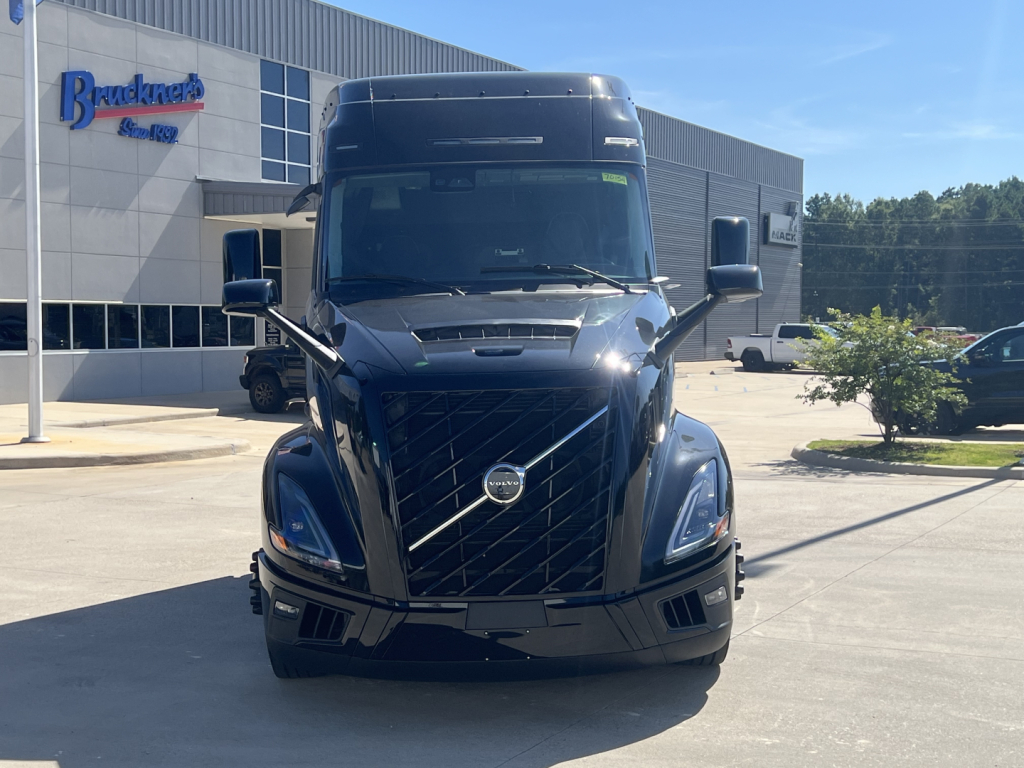
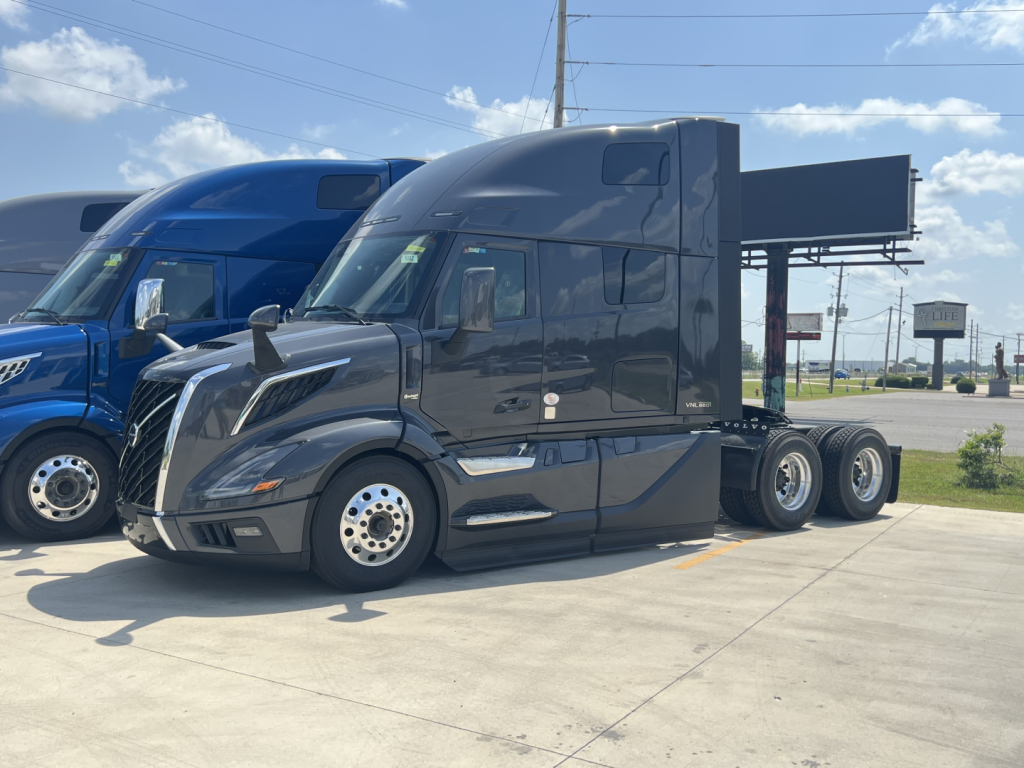
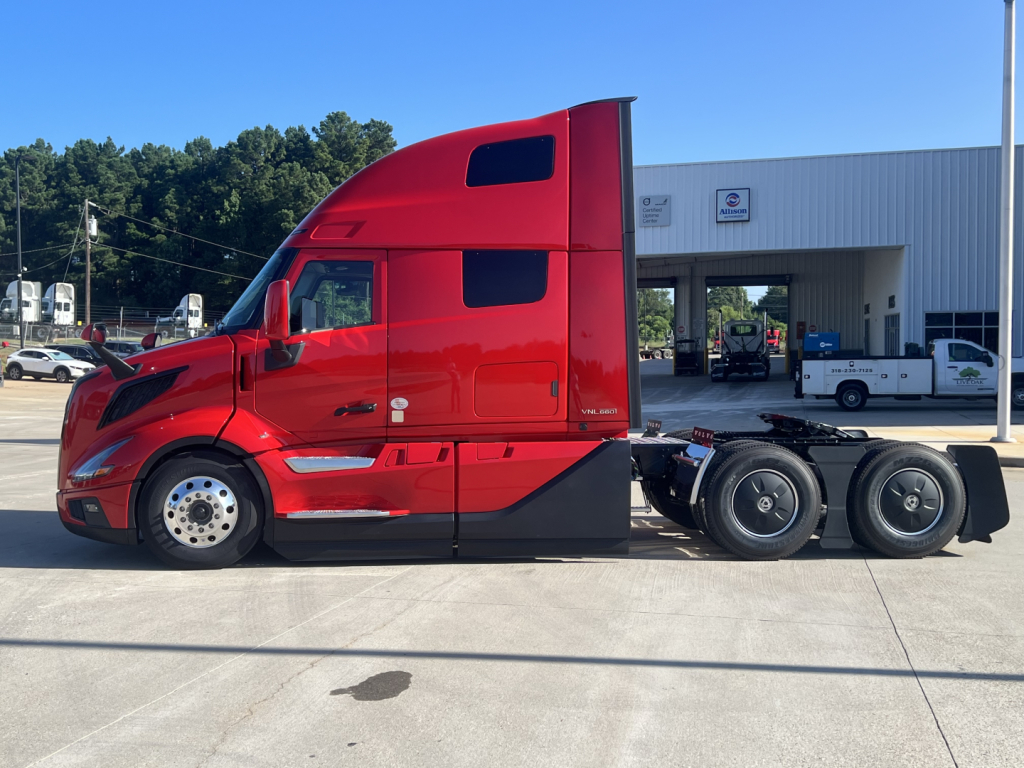
For over-the-road buyers, the current Volvo VNL lineup is typically centered on the D13 or D13 Turbo Compound engine paired with the Volvo I-Shift automated manual transmission. That combination is popular for fuel economy, driver acceptance, and clean integration between engine, transmission, and predictive shifting features. Common highway specs include tandem drive axles, 40,000 lb rears, 12,000 to 13,200 lb steer axles, and fast rear ratios like 2.15 for downsped cruising. Sleeper configurations range from mid-roof to high-roof, and wheelbase choice matters depending on sleeper size, fairing setup, and trailer gap. Buyers comparing new Volvo sleepers should pay close attention to horsepower ratings, sleeper packaging, idle reduction equipment, and how the spec fits average gross weight and terrain across Louisiana lanes and Gulf Coast freight patterns.
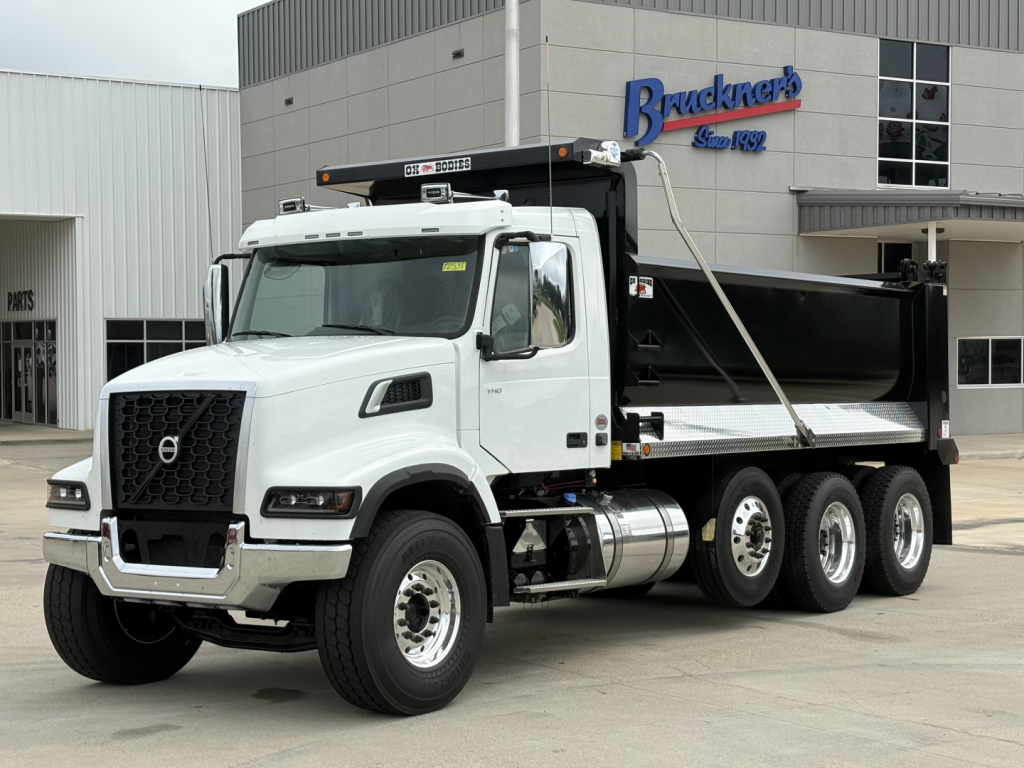
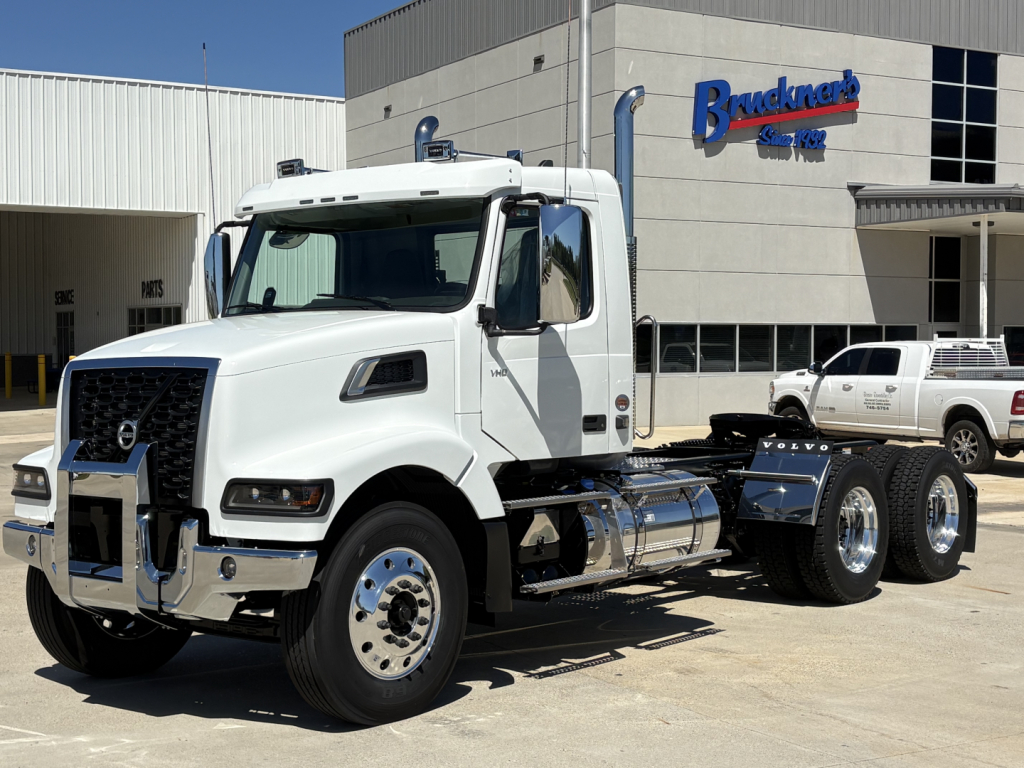
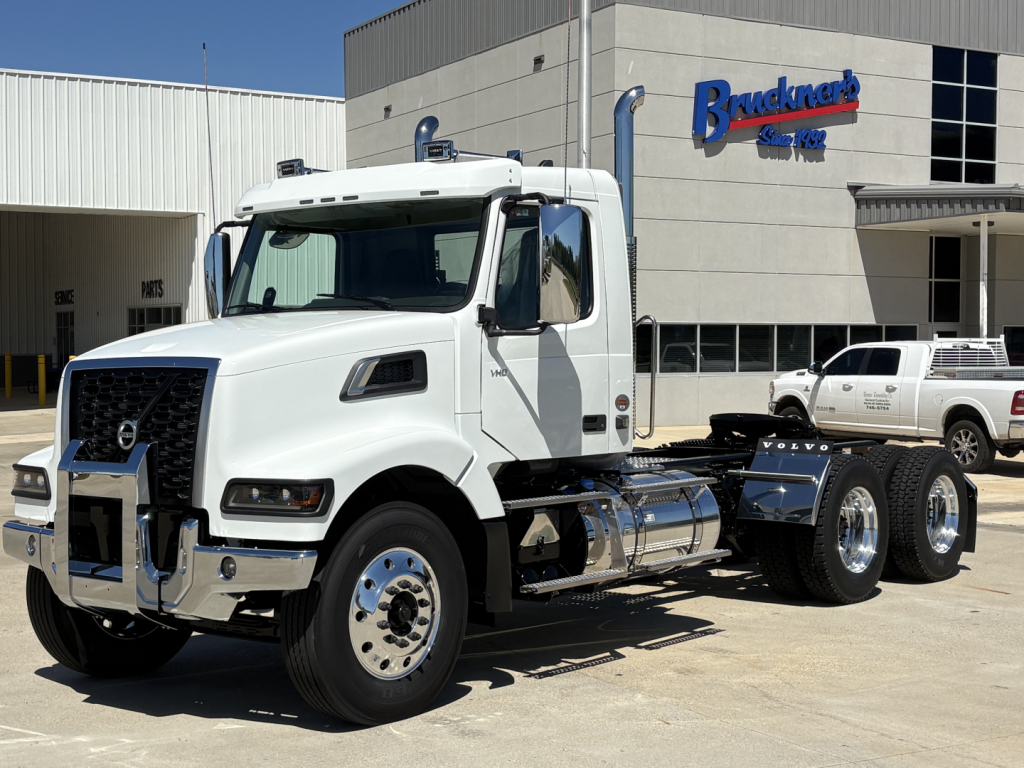
For vocational fleets, new Volvo VHD trucks are commonly spec'd as day cabs, roll-off trucks, dump trucks, and heavy tractors. These trucks often carry higher GVWRs, heavier front axles, stronger suspensions such as air ride or spring setups, and more aggressive rear axle ratios for startability and PTO-driven work. Engine choices often include the Volvo D11 or D13, while transmission selection depends on application. An Allison automatic is common for stop-and-go refuse and roll-off work, while the I-Shift HD is a strong option for heavy haul, construction, and severe-duty tractor applications. Buyers should evaluate frame rail strength, axle ratings, locking differentials, suspension type, brake spec, and body or hoist compatibility before settling on a vocational chassis.
Volvo has earned a strong reputation for driver comfort, safety systems, and integrated powertrain controls, and those advantages matter in both private fleet and for-hire operations. On highway trucks, that usually translates into lower fatigue, better visibility, and efficiency-focused electronics. On vocational trucks, it means a cab designed for long shifts with practical controls and durable chassis engineering underneath. When comparing new Volvo trucks in Louisiana, focus less on badge loyalty and more on the exact operating profile: payload, route length, idle time, body upfit needs, axle weight distribution, and maintenance support. A VNL optimized for fuel economy and driver retention is a very different tool than a VHD built for high-GVWR municipal or construction work, even though both carry the same Volvo nameplate.
Frequently Asked Questions about New Volvo Trucks in Louisiana
What is the difference between a Volvo VNL and a Volvo VHD?
The Volvo VNL is a highway tractor platform designed for over-the-road and regional freight, with an emphasis on aerodynamics, fuel economy, sleeper comfort, and integrated powertrain efficiency. The Volvo VHD is a vocational truck platform built for heavier-duty work such as construction, dump, roll-off, and severe-service tractor applications. VHD models usually have higher axle capacities, heavier suspensions, stronger chassis specs, and drivetrain choices better suited to low-speed, high-load work.
Is the Volvo I-Shift a good transmission for a new Volvo truck?
The Volvo I-Shift is one of the most widely accepted automated manual transmissions in the Class 8 market because it is well matched to Volvo engines and helps standardize driver performance. In highway service, it supports fuel economy and reduces driver fatigue. In vocational service, the I-Shift HD version can be spec'd for heavier applications where durability, low-speed control, and integration with the driveline are important. The right choice still depends on the job, since some roll-off, refuse, and PTO-intensive applications may still favor a full automatic such as an Allison.
What specs matter most when buying a new Volvo sleeper in Louisiana?
The key specs are engine rating, transmission, sleeper size, wheelbase, rear axle ratio, suspension, and axle capacities. For Louisiana operations, buyers often look closely at fuel economy on flatter regional lanes, cooling performance in hot weather, and driver comfort features that reduce idle time. If the truck will run heavier freight or more mixed terrain, horsepower and driveline ratio become more important. If it is a fleet truck intended for recruiting and retention, sleeper layout, storage, and ride quality can carry just as much weight as the engine badge.
What should I look for in a new Volvo VHD for vocational work?
Start with the application, because a dump truck, roll-off truck, and heavy day cab tractor can all use the VHD platform but require very different specs. Front axle capacity, rear axle rating, suspension type, frame strength, transmission choice, PTO requirements, differential locks, and brake package should all be matched to the body and the work cycle. A vocational truck that is under-spec'd will struggle with payload and durability, while an over-spec'd truck can add cost and empty weight that the job does not need.
Are new Volvo trucks known for fuel efficiency?
Yes, especially in highway configurations. Volvo has built a strong reputation around integrated engine and transmission calibration, aerodynamic cab design, and downsped driveline specs that help reduce fuel consumption. Models equipped with the D13 Turbo Compound engine and I-Shift transmission are often chosen specifically for fuel-focused linehaul work. Actual results still depend on payload, rear ratio, cruise speed, driver behavior, and how well the spec matches the route.