
New Volvo Conventional Sleeper Trucks For Sale in Louisiana
Shop new Volvo conventional sleeper trucks in Louisiana. Compare VNL sleeper specs, cab options, fuel economy, safety tech, and driver comfort.
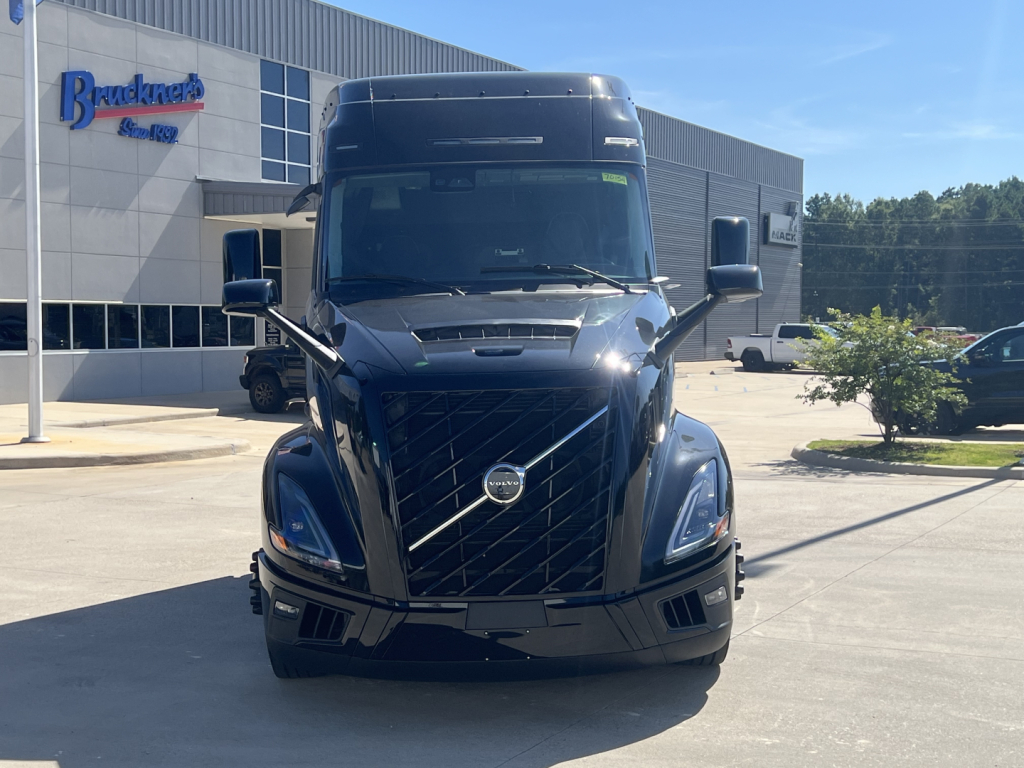
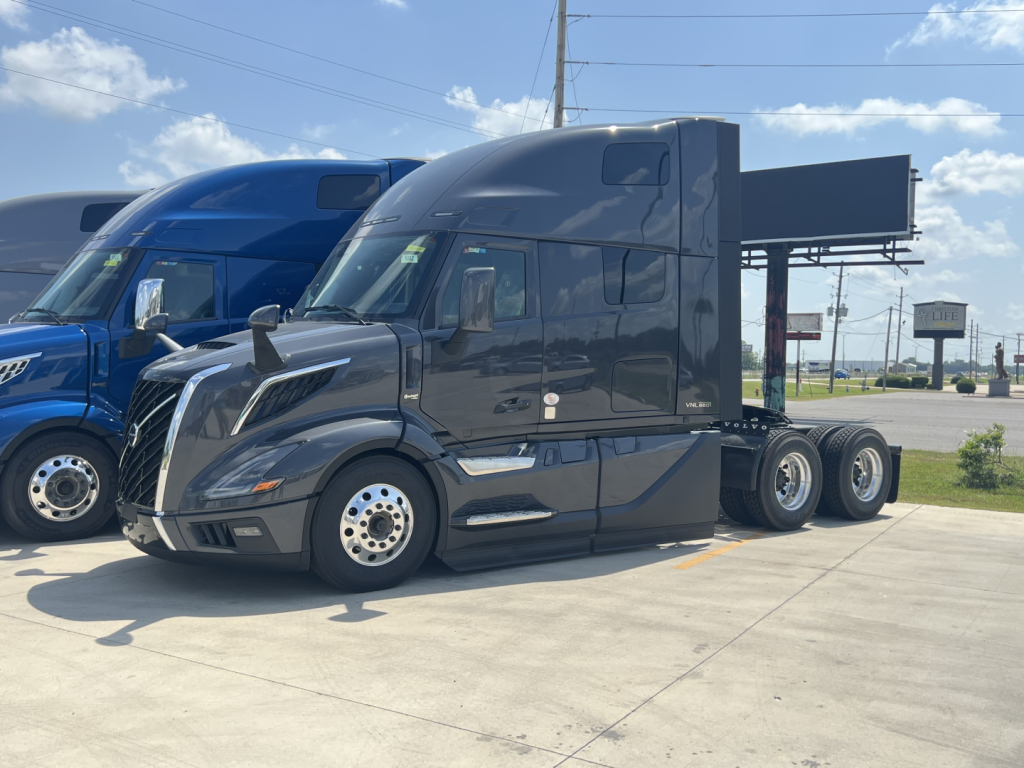
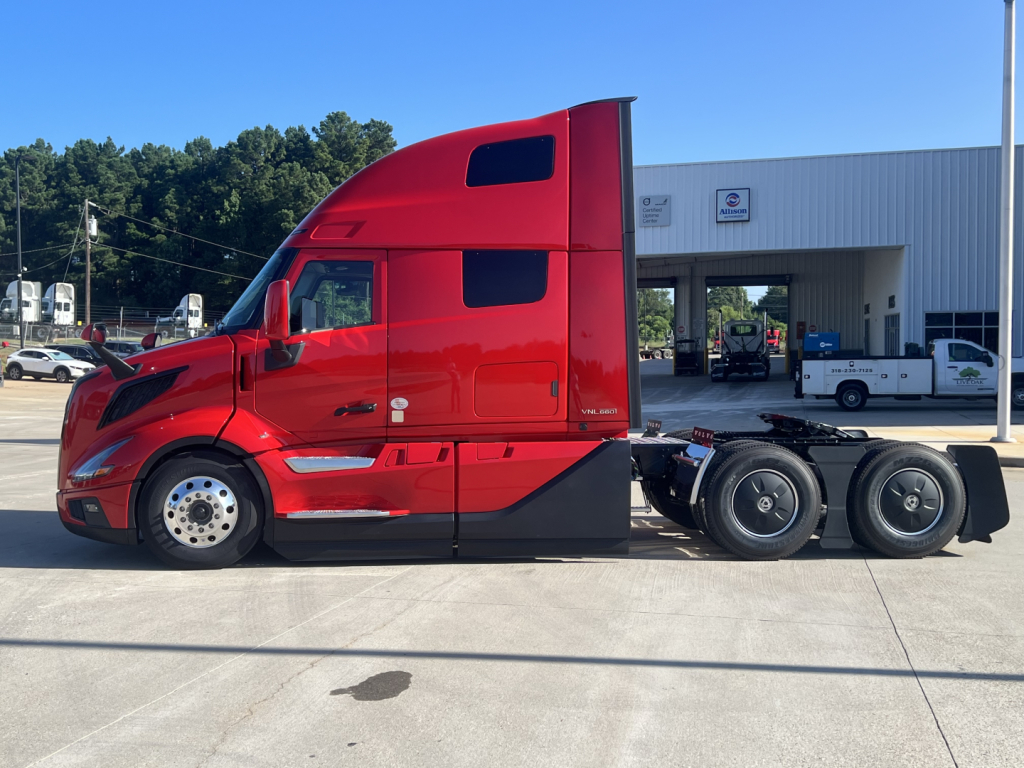
Selling a new volvo conventional sleeper truck? List your new volvo conventional sleeper truck for sale and reach thousands of commercial buyers.
New Volvo Conventional Sleeper Trucks in Louisiana
One of the biggest buying decisions is sleeper size and roof profile. Volvo conventional sleepers are commonly found in mid-roof and high-roof configurations, with models such as the VNL 640, 660, 840, and 860 aimed at different length-of-haul needs. A mid-roof sleeper can be a practical fit for fleets balancing weight, aerodynamics, and occasional overnight use. A larger high-roof sleeper makes more sense when the truck will stay out for multiple nights and the driver needs better stand-up room, more cabinet space, and a more livable bunk area. Features such as premium mattresses, organized storage, and factory-installed parking coolers can make a measurable difference in driver comfort, idle reduction, and rest compliance in hot southern climates.
Powertrain spec is where a new Volvo sleeper can be matched closely to the freight. Buyers should compare engine ratings, torque curves, transmission choice, rear axle ratio, and wheelbase against the trailer type and average gross combination weight. Volvo conventional sleepers are often spec'd for over-the-road van, reefer, dedicated contract freight, and general dry freight, but they can also be set up for heavier regional applications. The Volvo integrated powertrain is a major draw for many fleets because it is designed to optimize shift logic, cruise performance, and fuel economy as a package. Front axle capacity, suspension spec, fifth wheel height, kingpin setting compatibility, and fuel tank capacity also deserve attention, especially if the truck will alternate between different trailer lengths or operate in lanes with limited fuel stops.
New-model Volvo sleeper trucks also stand out for safety and operational technology. Buyers often look for advanced driver assistance systems, collision mitigation, lane support features, camera and visibility upgrades, and telematics that support maintenance planning and fuel reporting. Interior ergonomics are another strength, including seat comfort, steering wheel adjustment, bunk access, and usable storage for teams or solo operators. For a buyer comparing multiple new Volvo conventional sleeper trucks, the smartest approach is to treat the sleeper, wheelbase, drivetrain, and onboard comfort systems as one package. The right spec is the one that fits the route profile, keeps the driver productive, and delivers the lowest real operating cost over the life of the truck.
Frequently Asked Questions about New Volvo Conventional Sleeper Trucks in Louisiana
What is the difference between a Volvo mid-roof sleeper and a high-roof sleeper?
A mid-roof sleeper usually offers a lower overall cab height, slightly less interior volume, and a good balance of aerodynamics and overnight practicality. A high-roof sleeper provides more stand-up room, larger storage areas, and a more comfortable living space for long-haul drivers who spend multiple nights in the truck. The right choice depends on haul length, driver expectations, and how much emphasis the operation places on interior space versus weight and profile.
Are Volvo conventional sleeper trucks a good fit for Louisiana freight operations?
Yes. Volvo conventional sleepers are well suited for Louisiana lanes because they combine highway fuel efficiency with strong driver comfort features for hot, humid conditions. Engine-off climate options such as parking coolers are especially valuable for rest periods in warm weather, and the aerodynamic VNL platform works well for interstate freight, regional distribution, and Gulf Coast long-haul applications.
Which specs matter most when buying a new Volvo VNL sleeper?
The most important specs are sleeper size, engine horsepower and torque, transmission, rear axle ratio, wheelbase, axle capacities, and fuel capacity. Buyers should also check the fifth wheel setup, ride suspension, and cab features that affect uptime and driver satisfaction. A truck pulling dry van at standard highway weights may need a very different spec than one handling reefer freight, heavier payloads, or frequent urban starts and stops.
What are Volvo conventional sleeper trucks commonly used for?
These trucks are most commonly used as over-the-road semis for dry van, reefer, and general freight hauling. They are also used in dedicated fleet service, regional lanes with overnight stays, and longer contract routes where a true sleeper compartment is necessary. Their combination of aerodynamic design, integrated powertrain options, and livable cab layouts makes them a common choice for carriers focused on both operating cost and driver retention.
Do new Volvo sleeper trucks help with fuel economy and idle reduction?
They can. Volvo conventional sleepers are designed with aerodynamics, powertrain integration, and driver-assist features that support fuel-efficient operation. Many buyers also look for idle reduction equipment such as parking coolers or other hotel-load solutions so the driver can stay comfortable during rest periods without excessive engine idling. That can reduce fuel burn, lower engine hours, and support emissions-related operating goals.