
2020 Volvo Trucks For Sale
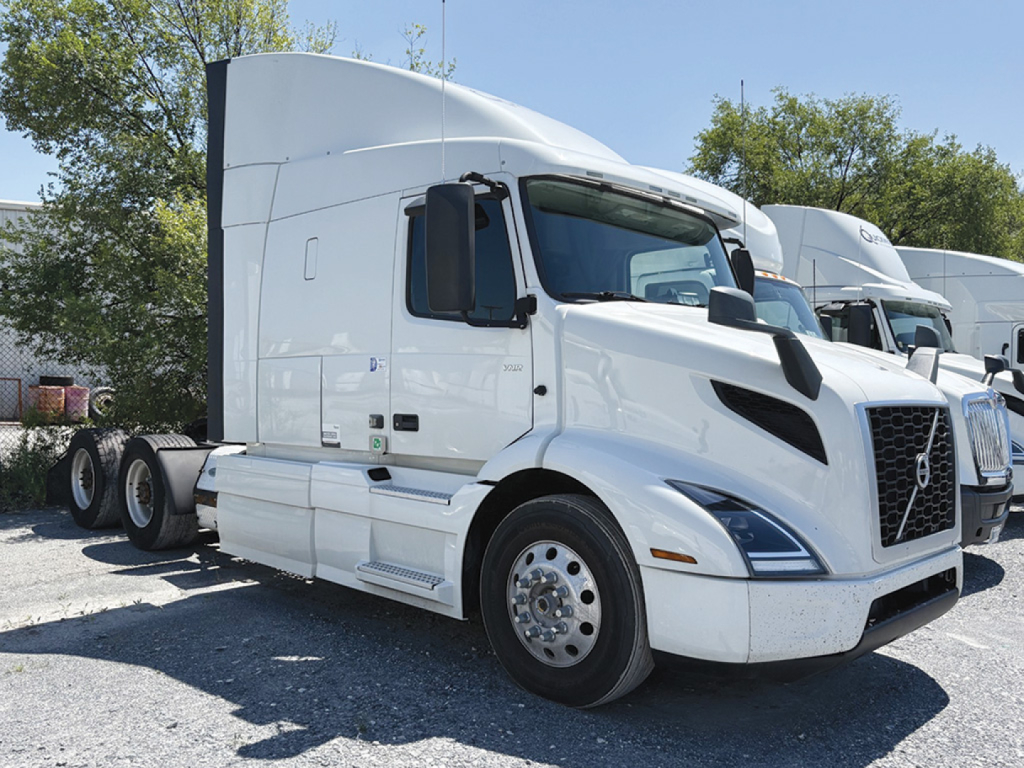
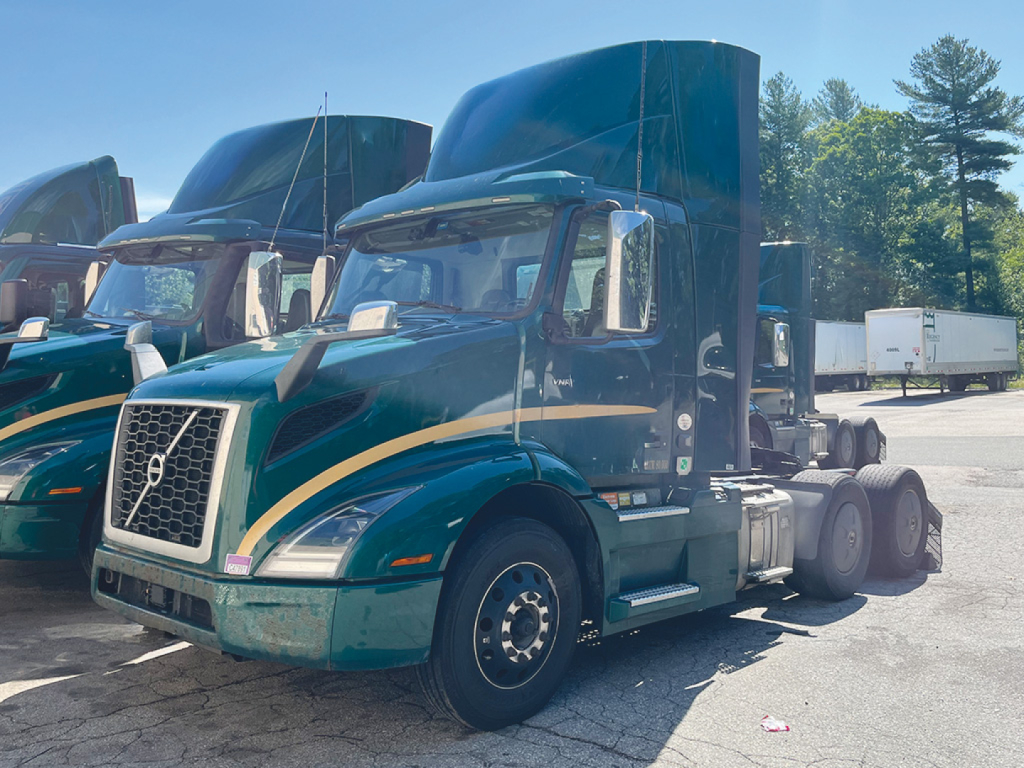
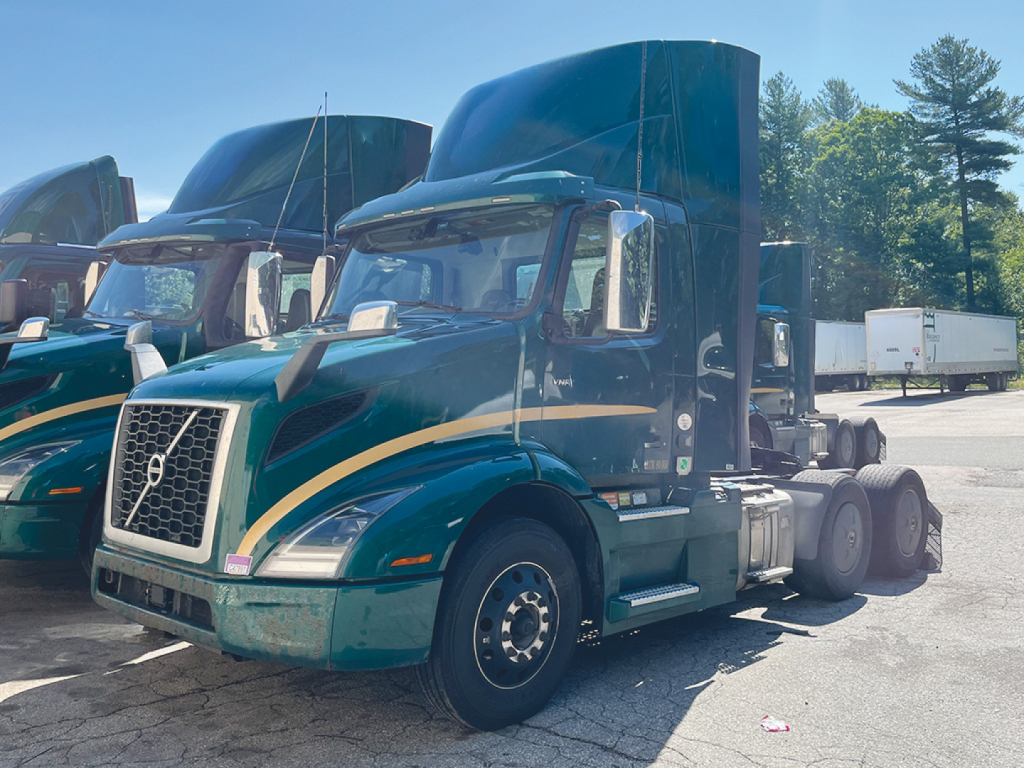
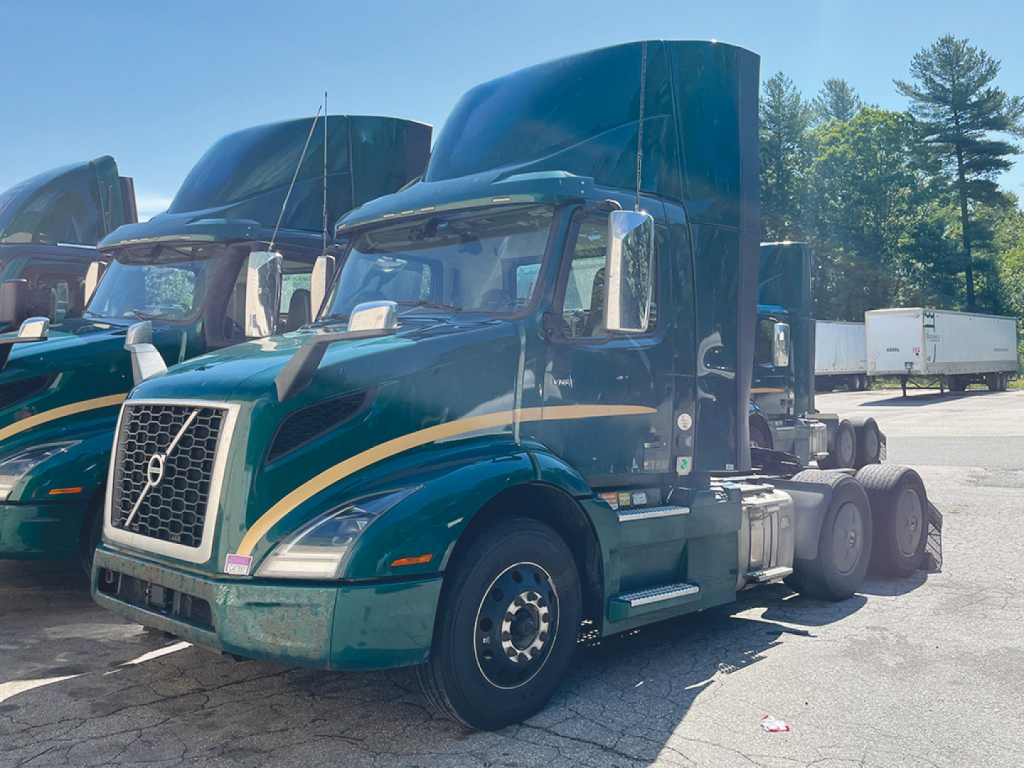
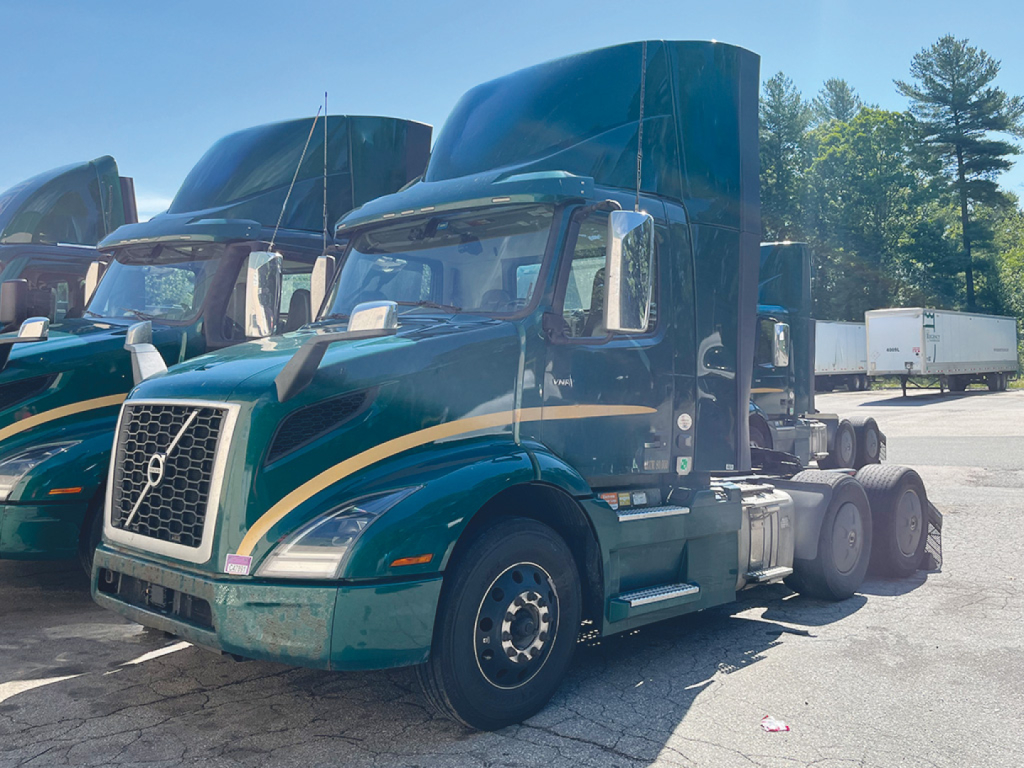
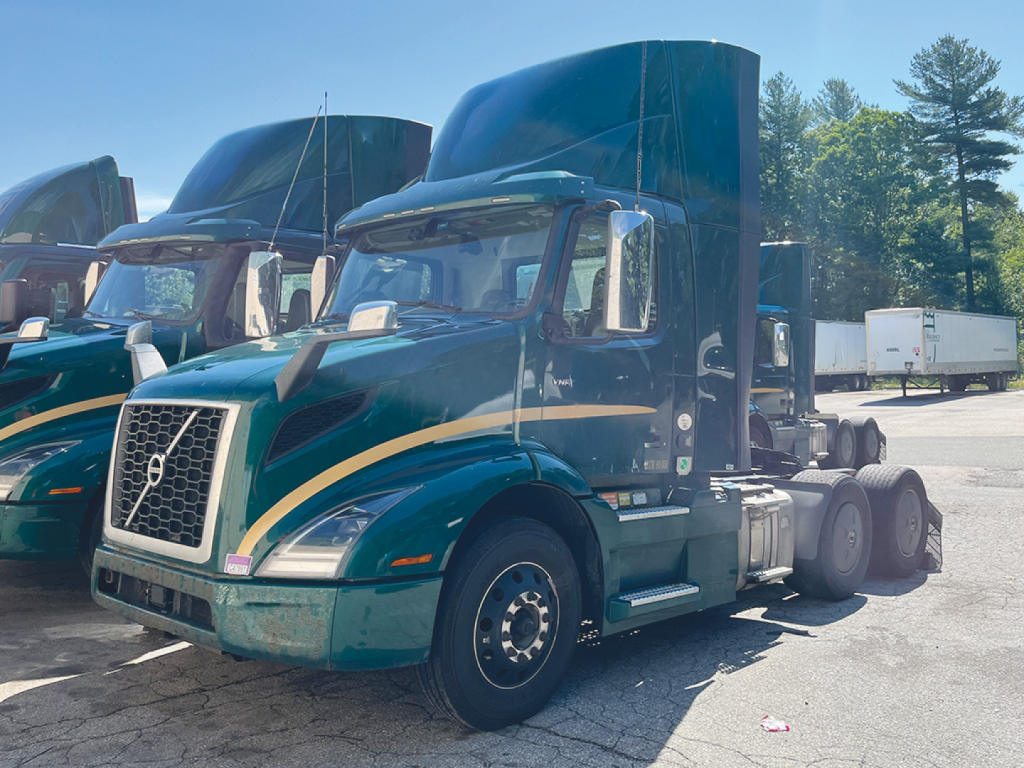
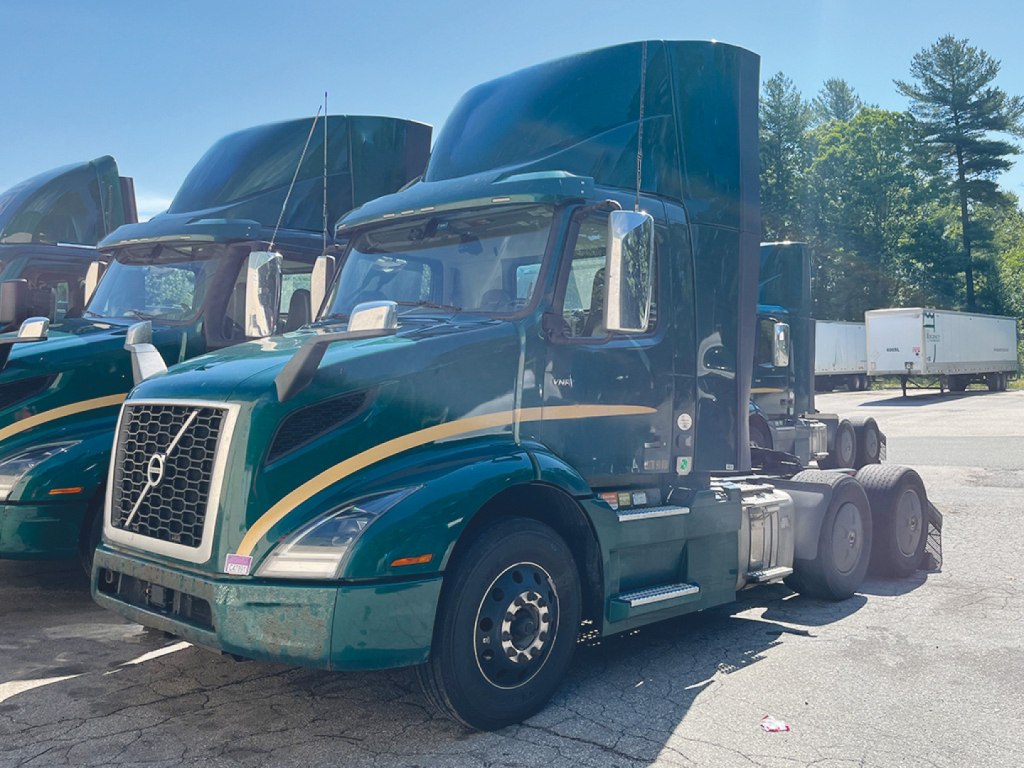
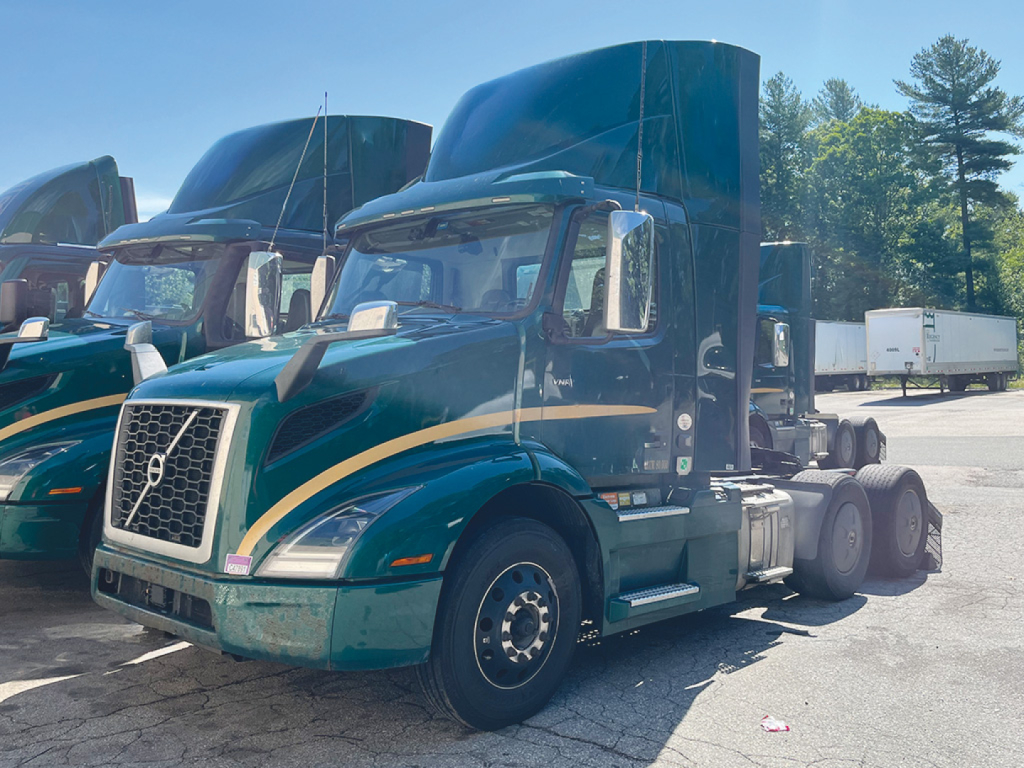

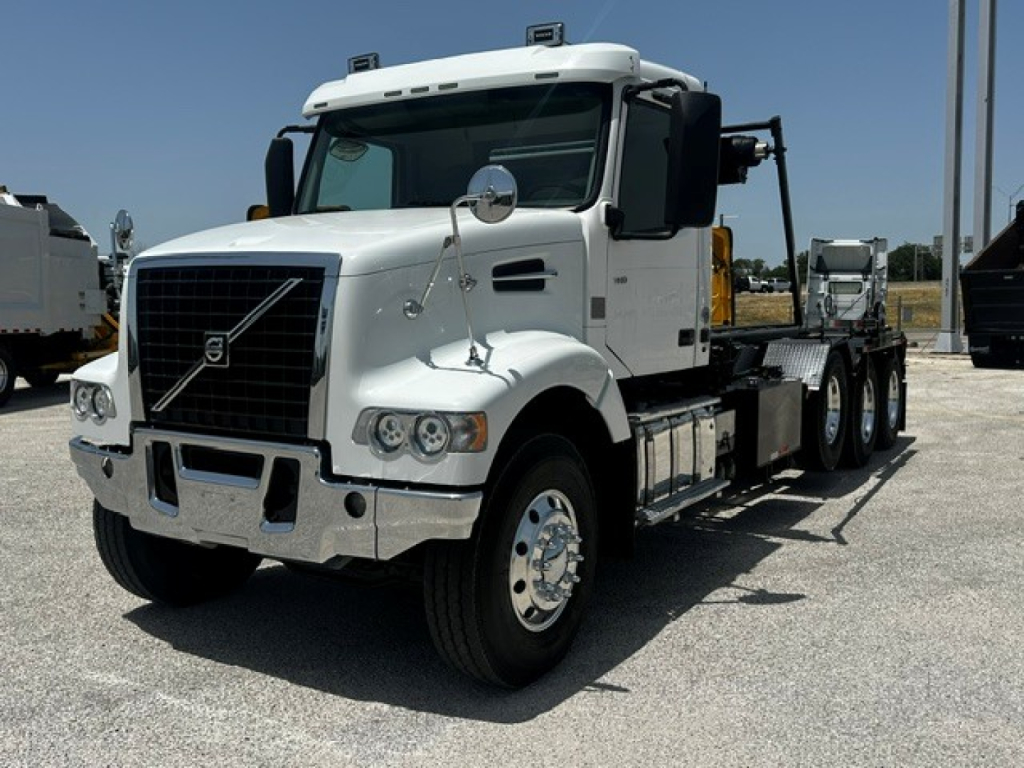
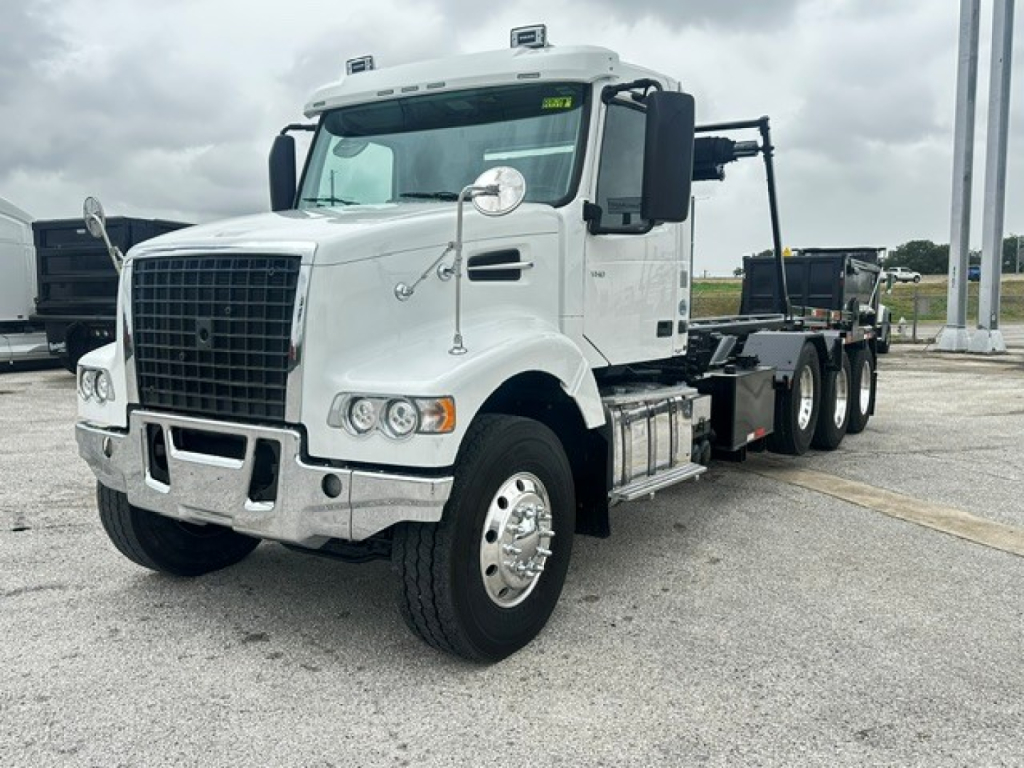
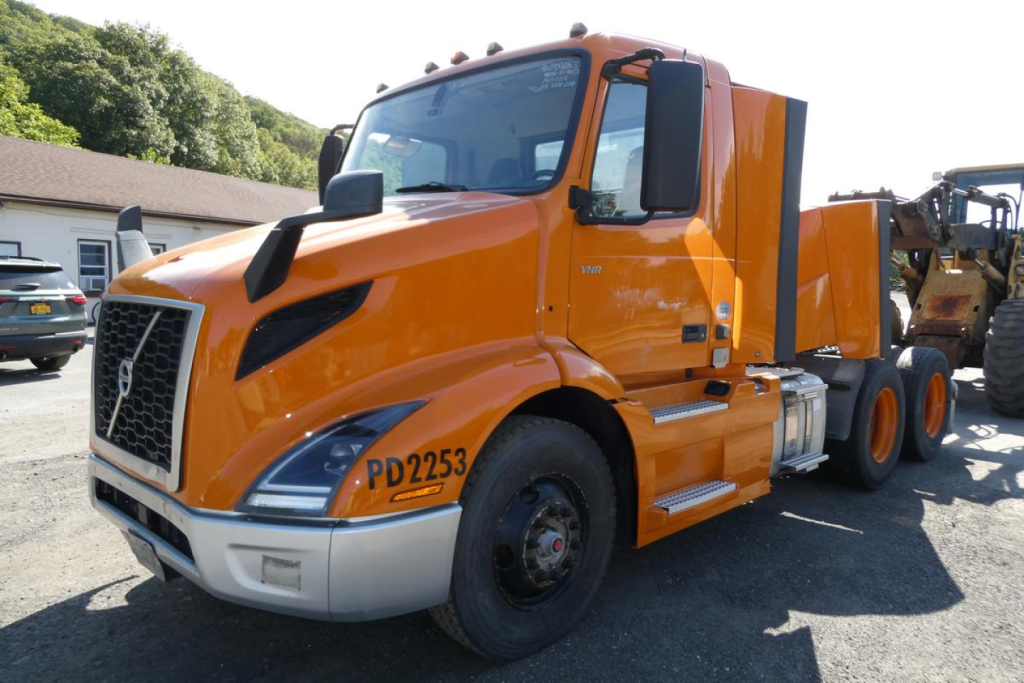
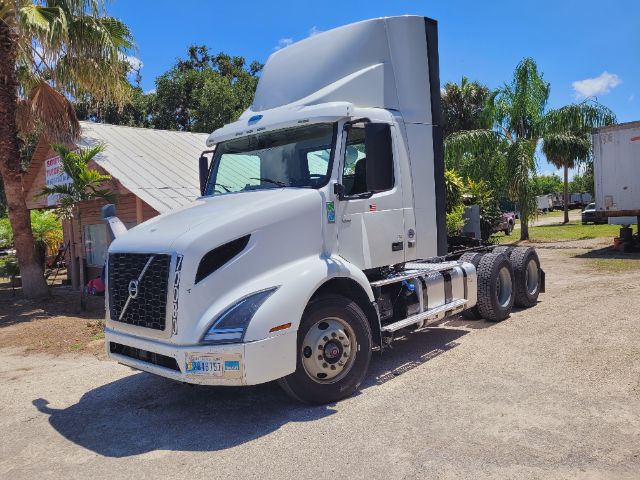
Showing 25 to 42 of 42 results
Have 2020 volvo truck to sell? List it here to reach thousands of buyers.
2020 Volvo Trucks
Powertrain selection is a major factor on 2020 Volvo trucks. Common engines include the Volvo D11 and D13, with horsepower ratings often ranging from the mid-300s into the 400s and beyond depending on intended use. Many 2020 models are paired with the Volvo I-Shift automated manual transmission, which is widely favored for fuel economy, easier driver onboarding, and consistent shift logic in fleet service. Rear axle ratios, suspension type, and axle capacity should be checked closely because they directly affect cruise RPM, gradeability, payload, and how the truck fits tanker, dry van, reefer, flatbed, or dedicated regional work. Buyers running heavy freight or steep terrain should pay particular attention to horsepower, torque, engine brake performance, and GCWR.
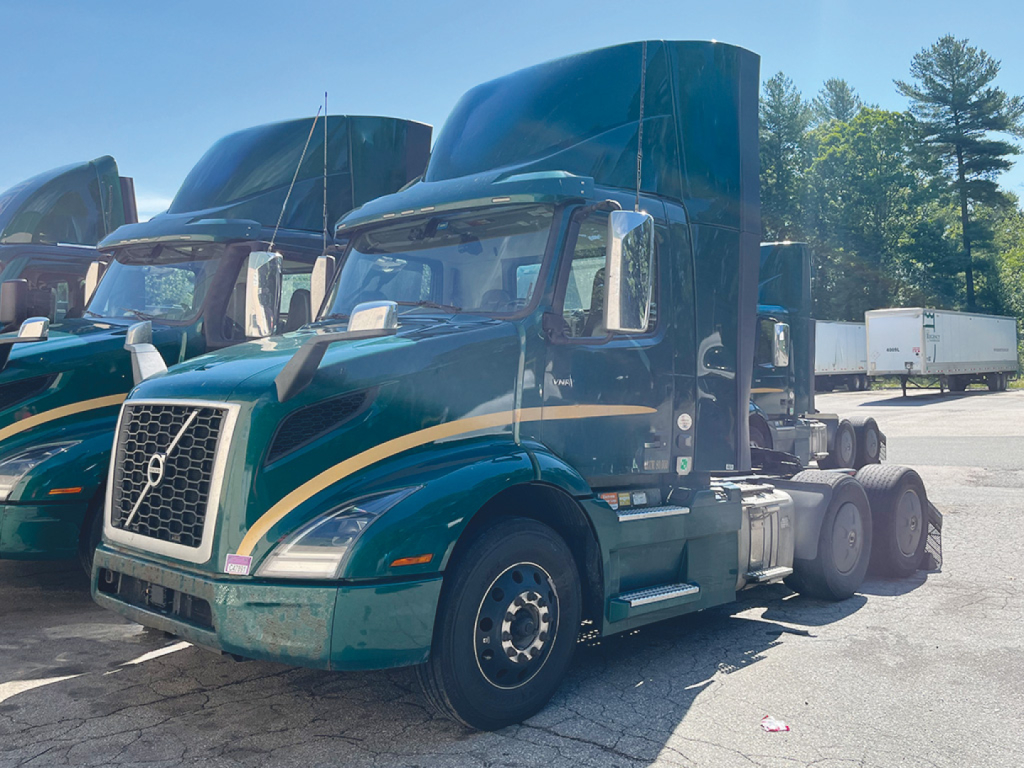
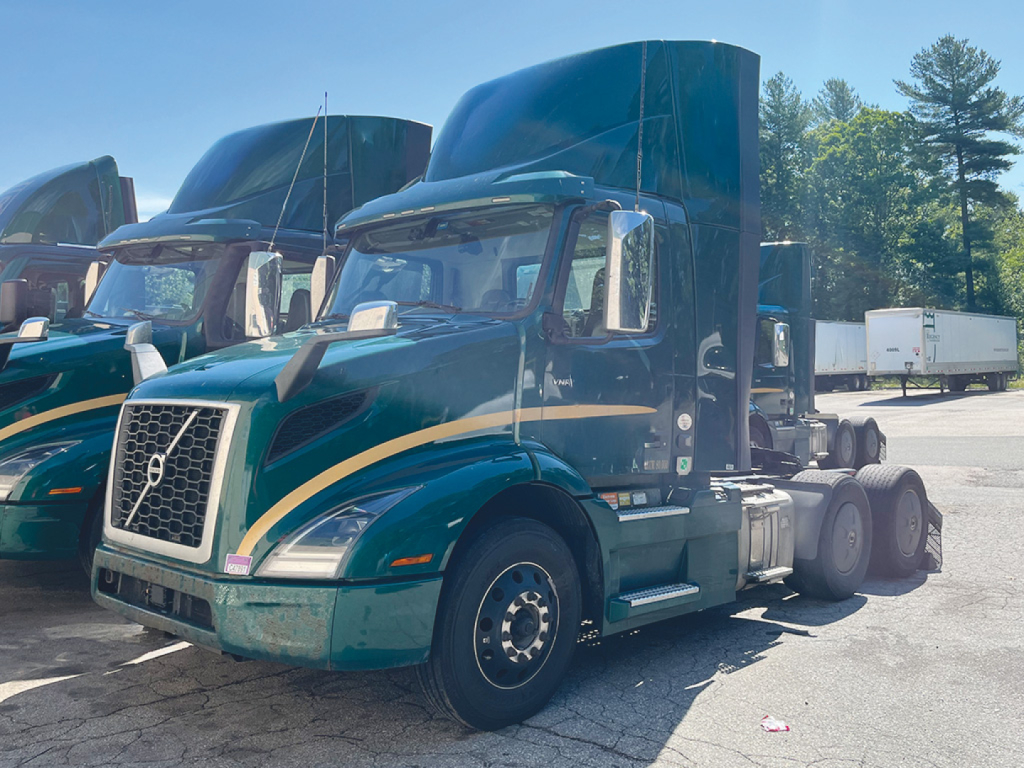
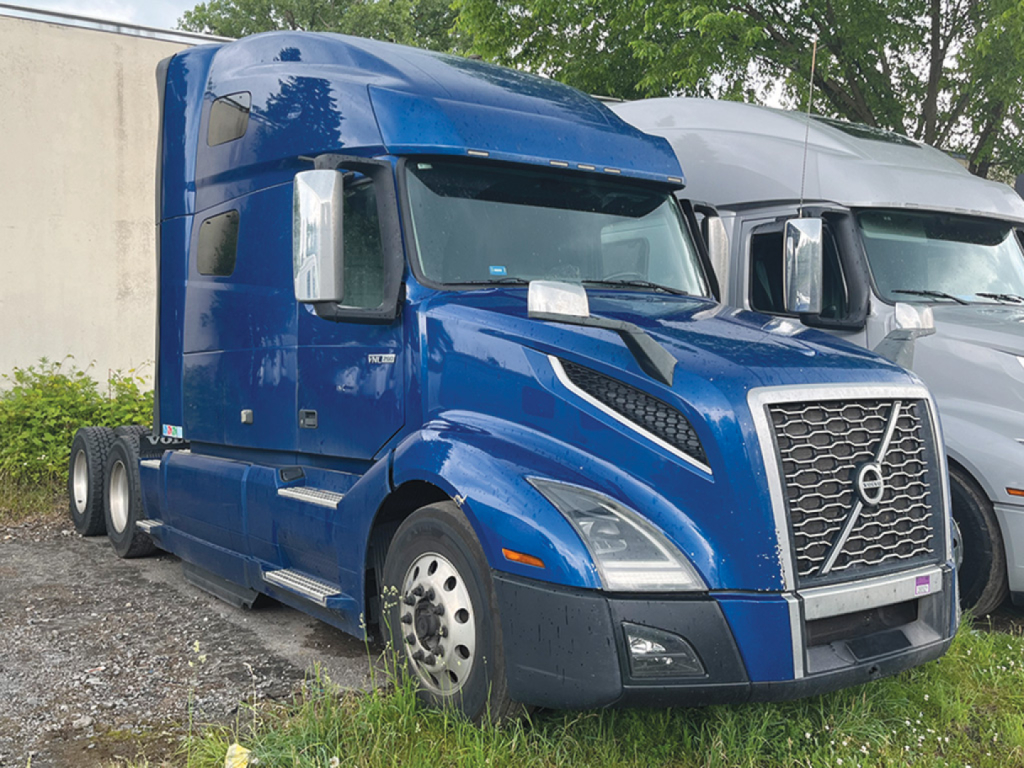
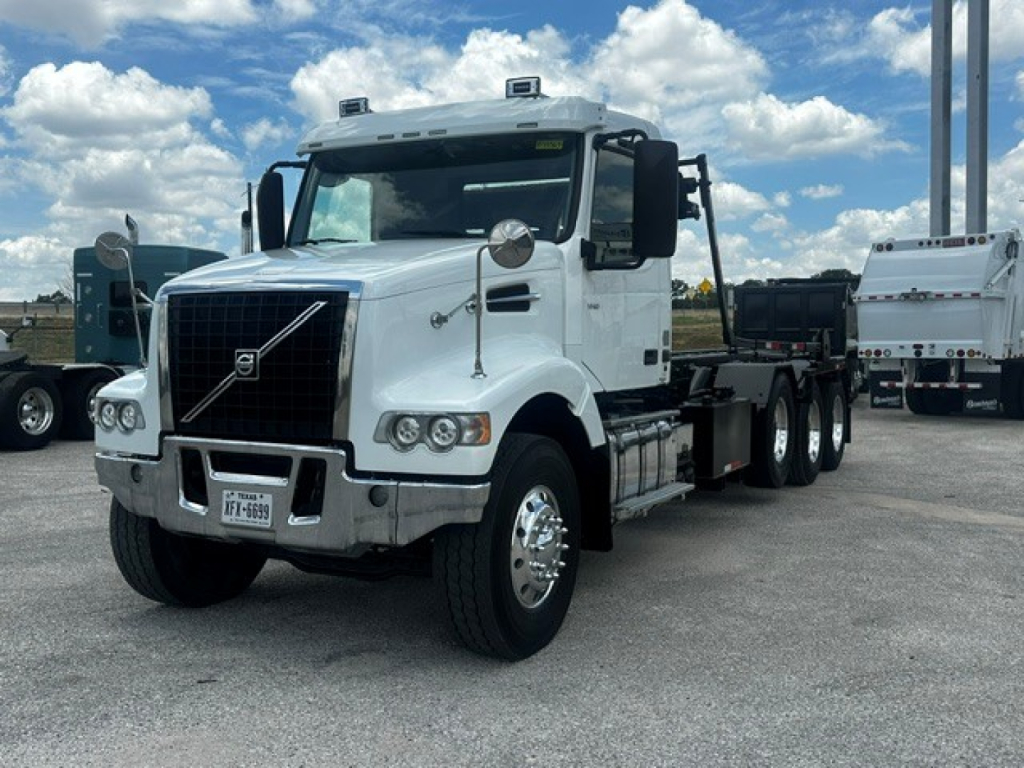
Cab configuration and chassis layout are just as important. A 2020 Volvo day cab can make sense for local and terminal work where maneuverability, visibility, and lower tare weight matter. A 2020 Volvo sleeper is more aligned with long-haul operations where stand-up room, bunk size, storage, and idle-management features affect driver retention and comfort. Wheelbase, fifth wheel location, frame layout, and fairing package all influence trailer gap, bridge law flexibility, and body upfit compatibility. On many Volvo tractors from this era, buyers will also look for air ride suspension, air disc brakes, collision mitigation features, adaptive cruise options, and telematics capability, especially if the truck is headed into a managed fleet.
For used 2020 Volvo trucks, inspection priorities usually include aftertreatment service history, transmission calibration and clutch actuation on I-Shift units, DPF and DEF system performance, steer tire wear patterns, suspension condition, and signs of frame modification or hard fifth wheel use. Volvo trucks from this period are well regarded for cab ergonomics, visibility, and highway manners, but spec differences between seemingly similar units can be significant. The best buy is usually the truck whose axle package, engine rating, transmission, and cab layout already match the freight and route profile, rather than a truck that looks right but needs costly changes to fit the job.
Frequently Asked Questions about 2020 Volvo Trucks
What are the most common 2020 Volvo truck models buyers look for?
The most common 2020 Volvo truck models on the used market are typically the VNL and VNR series. The VNL is generally associated with long-haul and sleeper applications, while the VNR is more common in regional haul, local delivery, and metro routing. Exact configuration matters because both platforms can appear as day cabs or sleepers with different axle layouts, wheelbases, and power ratings.
Is the Volvo I-Shift a good transmission in a 2020 Volvo truck?
The Volvo I-Shift is widely considered a strong choice for a 2020 Volvo truck, especially in fleet and regional applications where fuel economy, reduced driver fatigue, and shift consistency matter. It is an automated manual transmission, not a traditional torque-converter automatic, so buyers should still verify clutch operation, software calibration, and service history. A properly maintained I-Shift can be a major advantage for both driver acceptance and operating cost control.
What engine options are common in 2020 Volvo trucks?
Many 2020 Volvo trucks are equipped with Volvo D11 or D13 diesel engines. The D11 is often selected for lighter weight and regional efficiency, while the D13 is a common choice for linehaul, heavier freight, and higher horsepower demands. The right engine depends on average load weight, terrain, annual miles, and target cruise speed, so buyers should evaluate horsepower, torque, rear ratio, and transmission together rather than looking at engine size alone.
What should I inspect first on a used 2020 Volvo truck?
The first items to inspect on a used 2020 Volvo truck are the emissions system history, fault codes, transmission operation, tire wear, brake condition, and maintenance records. Pay close attention to DPF, DEF, and EGR system service history because emissions repairs can be expensive. It is also smart to check suspension wear, fifth wheel condition, frame integrity, and electronic safety system function, especially on trucks that were used in high-mileage fleet service.
Are 2020 Volvo trucks better for regional or long-haul work?
2020 Volvo trucks can be well suited for either regional or long-haul work, depending on how they were spec'd. A VNR day cab with the right wheelbase and axle ratio may fit short-haul or city routes better, while a VNL sleeper with a D13 and aerodynamic package is more aligned with over-the-road service. The better question is not whether a 2020 Volvo is regional or long-haul, but whether the specific truck’s cab, drivetrain, axle package, and suspension match the freight lane and operating profile.