
New Rolloff Trucks For Sale in Texas
New rolloff trucks for sale in Texas. Compare hoist capacity, axle specs, wheelbase, suspension, and tarp options for waste and scrap work.
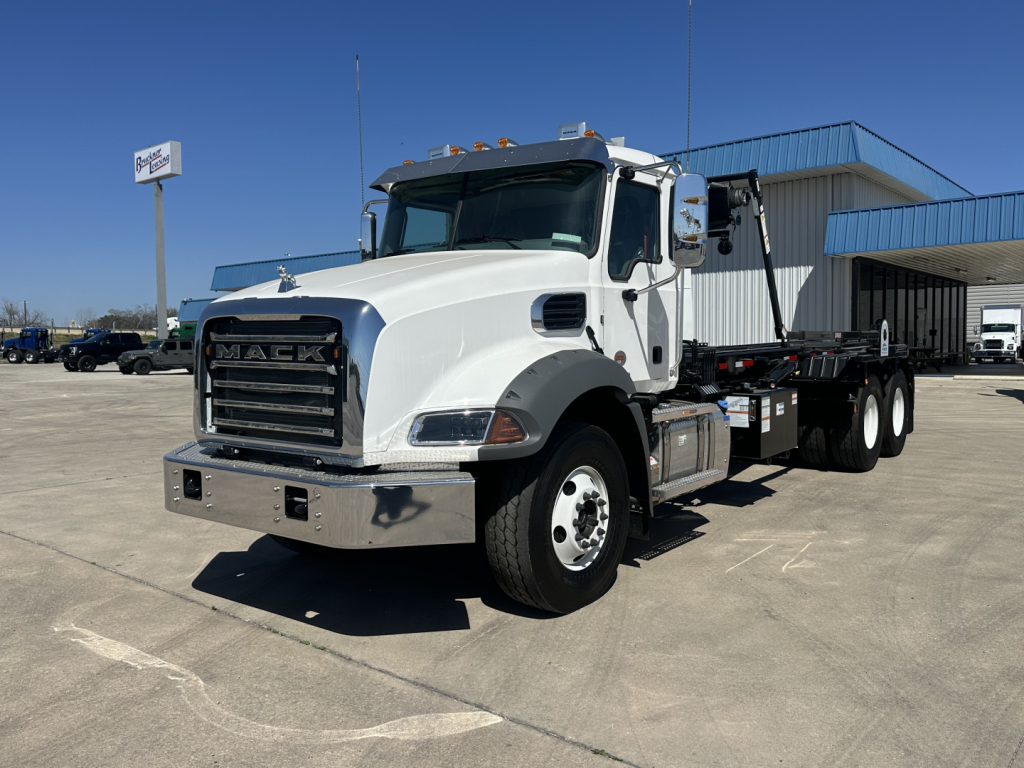
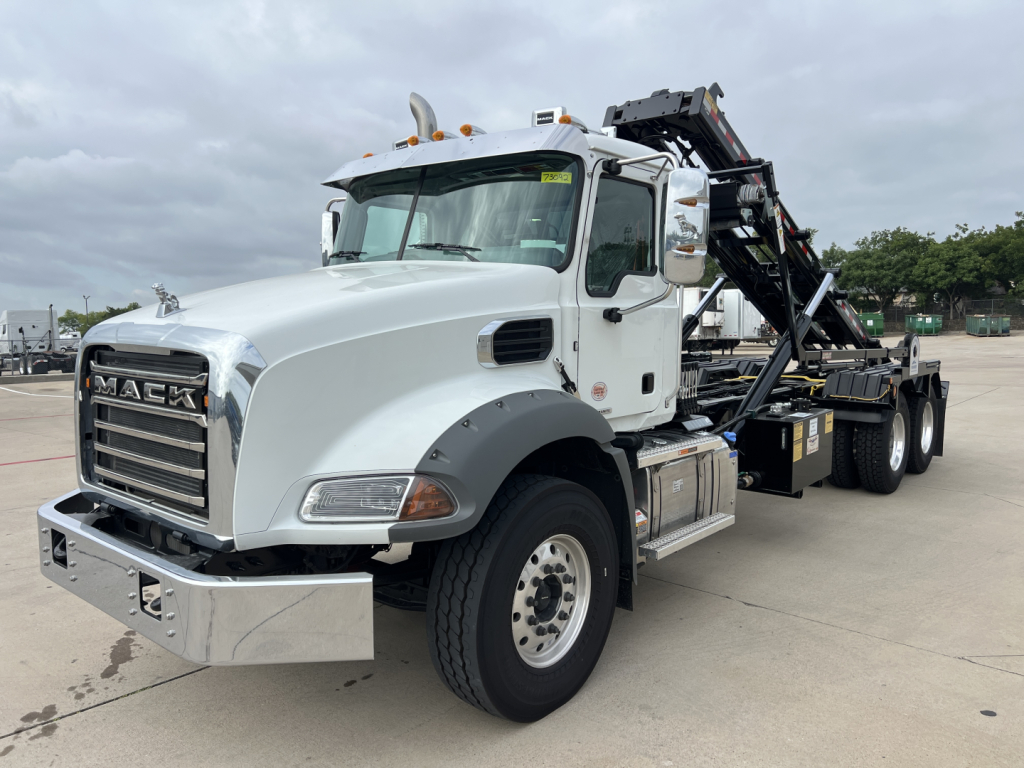
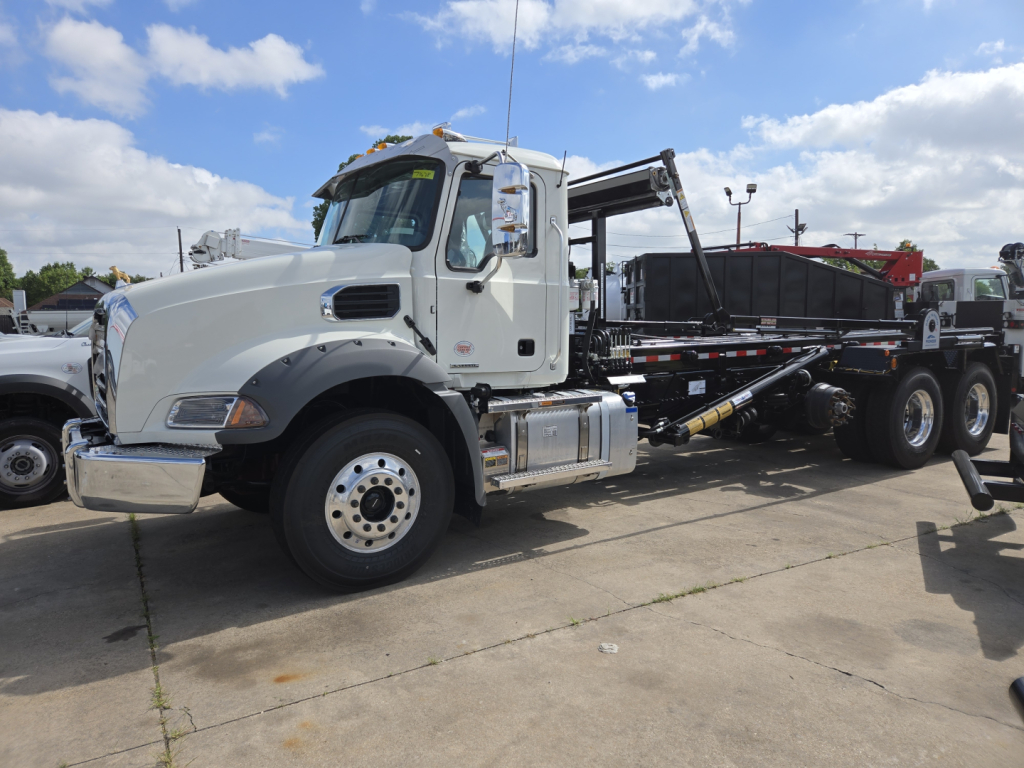
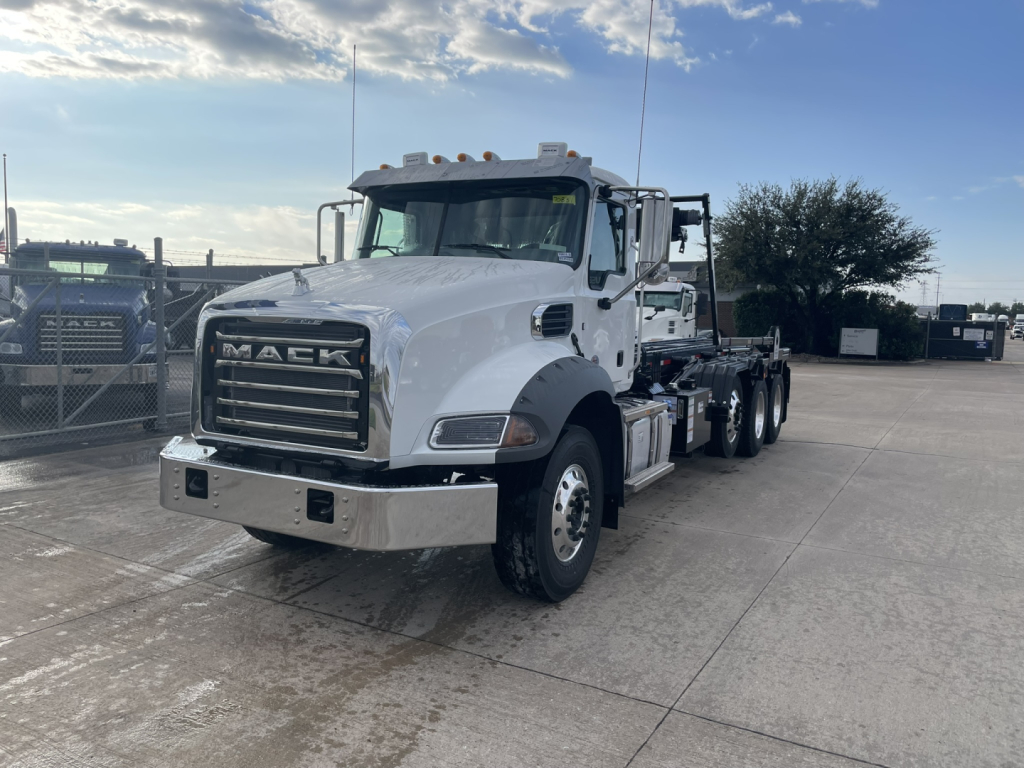
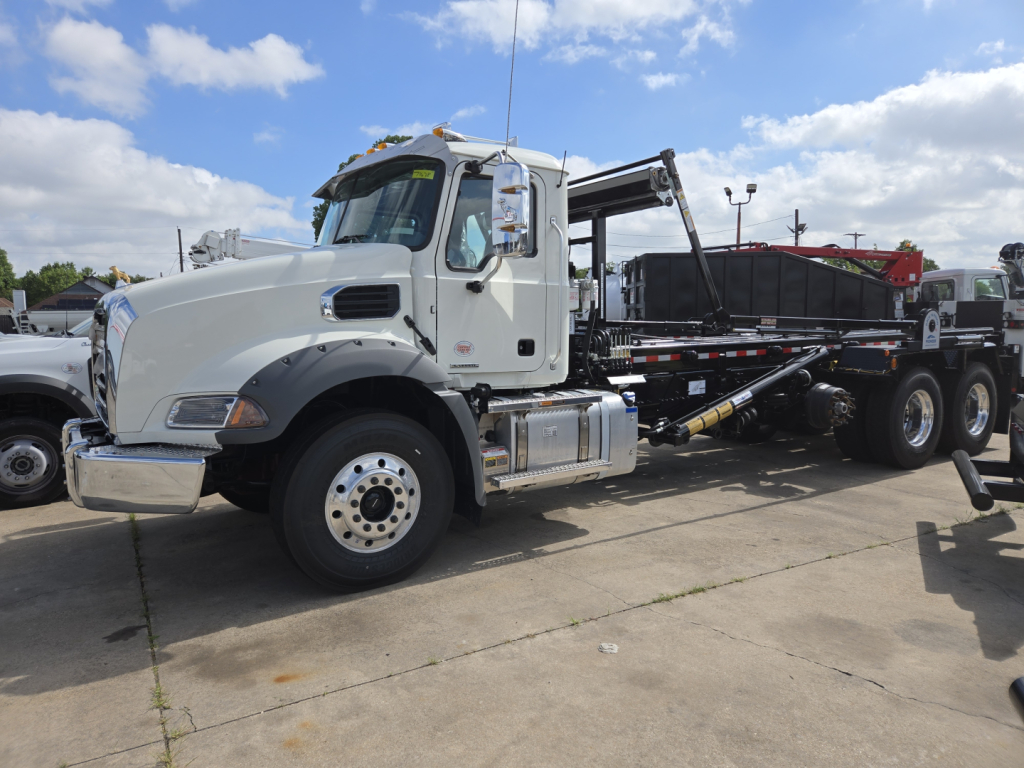
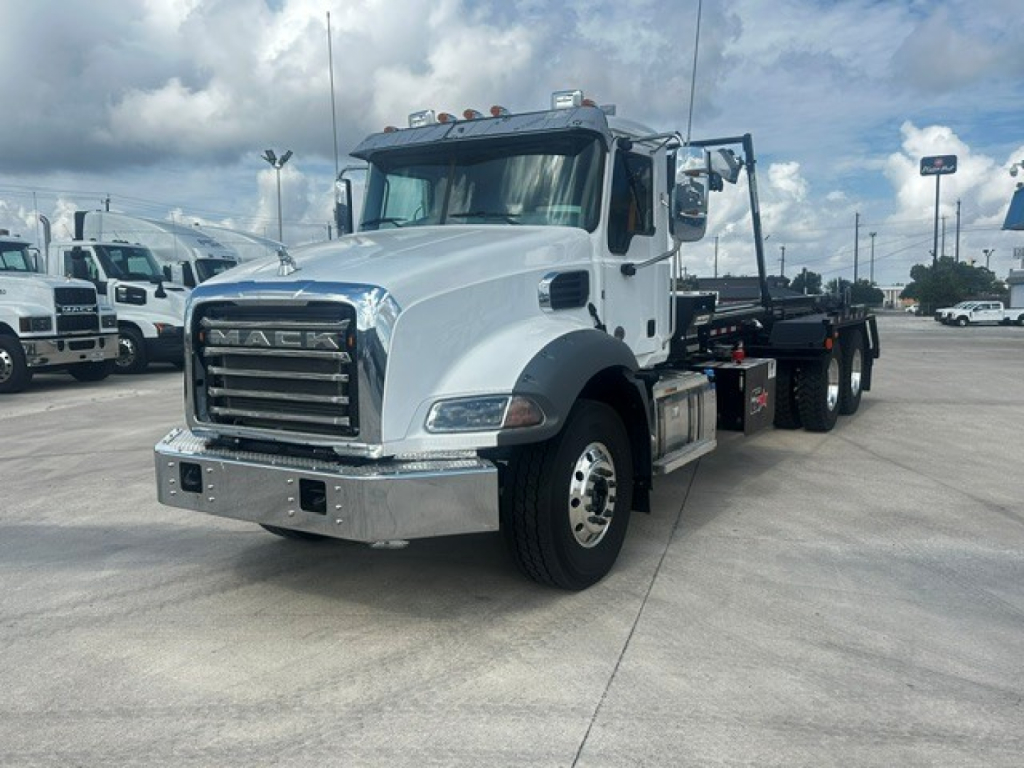
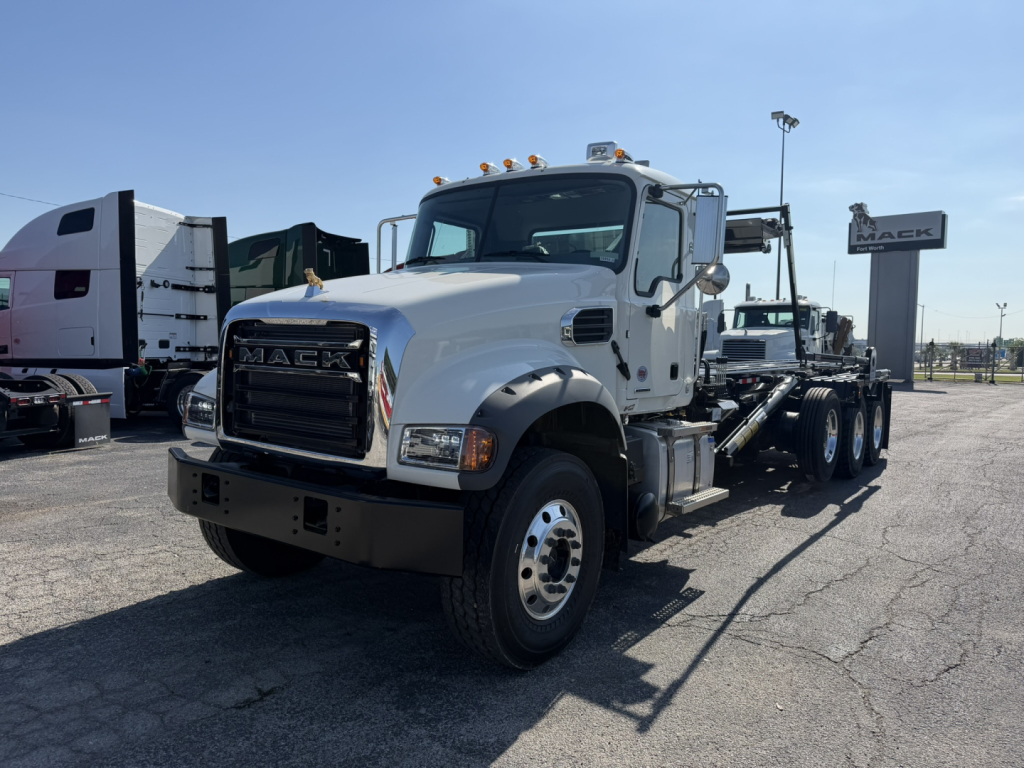
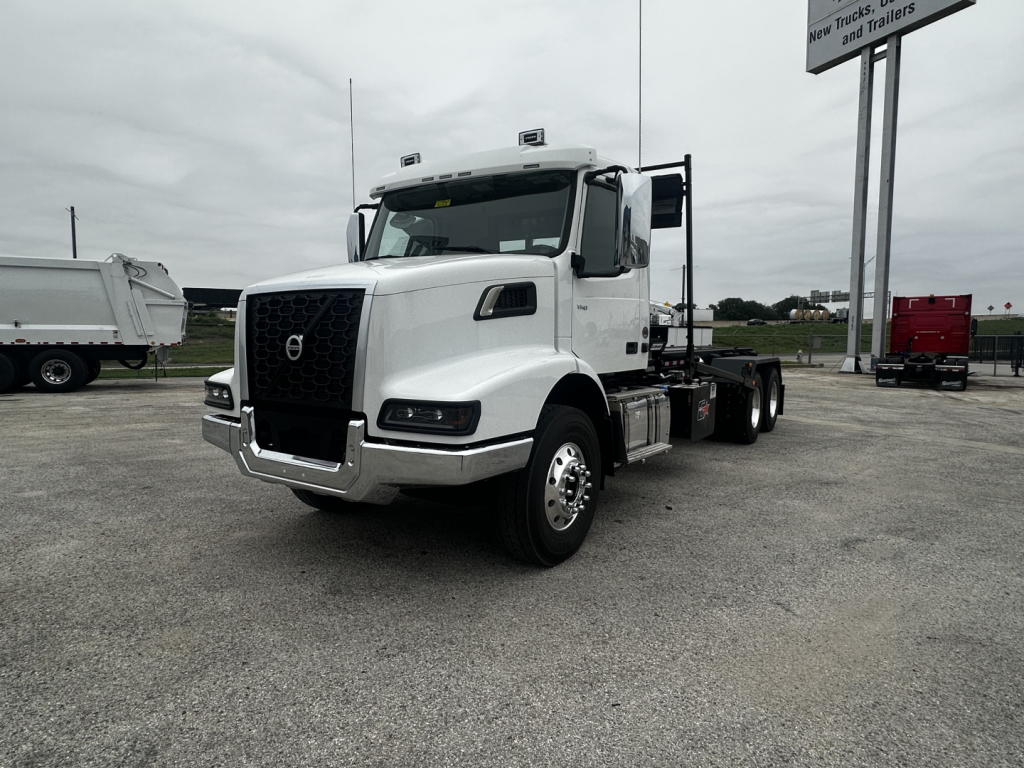
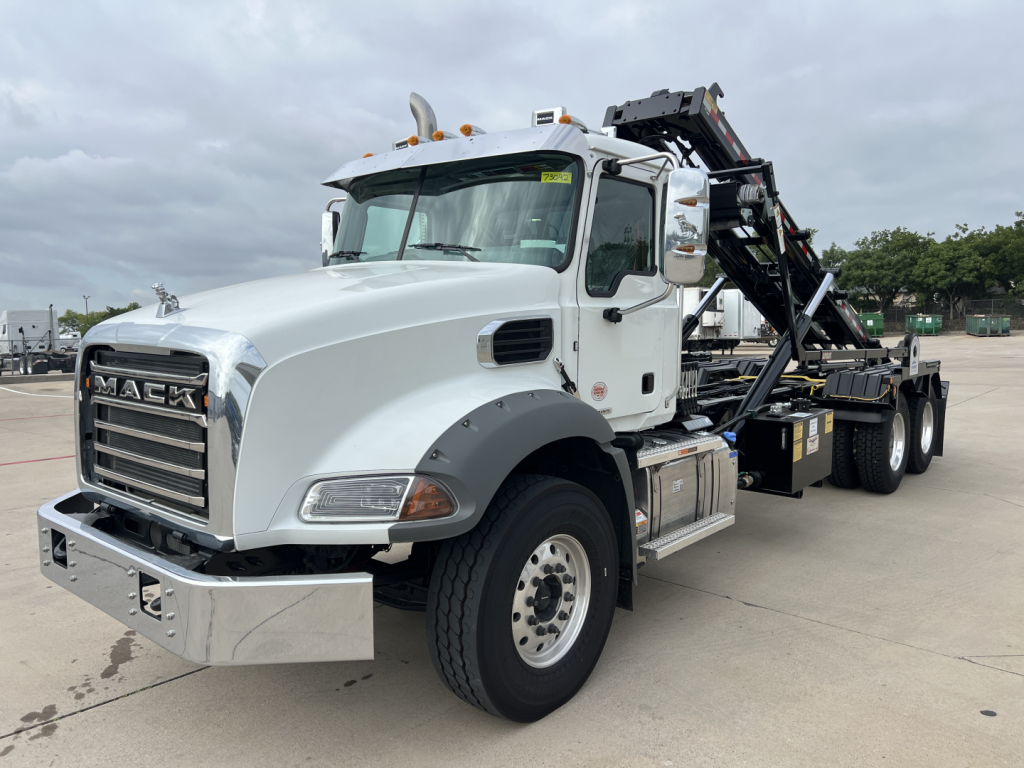
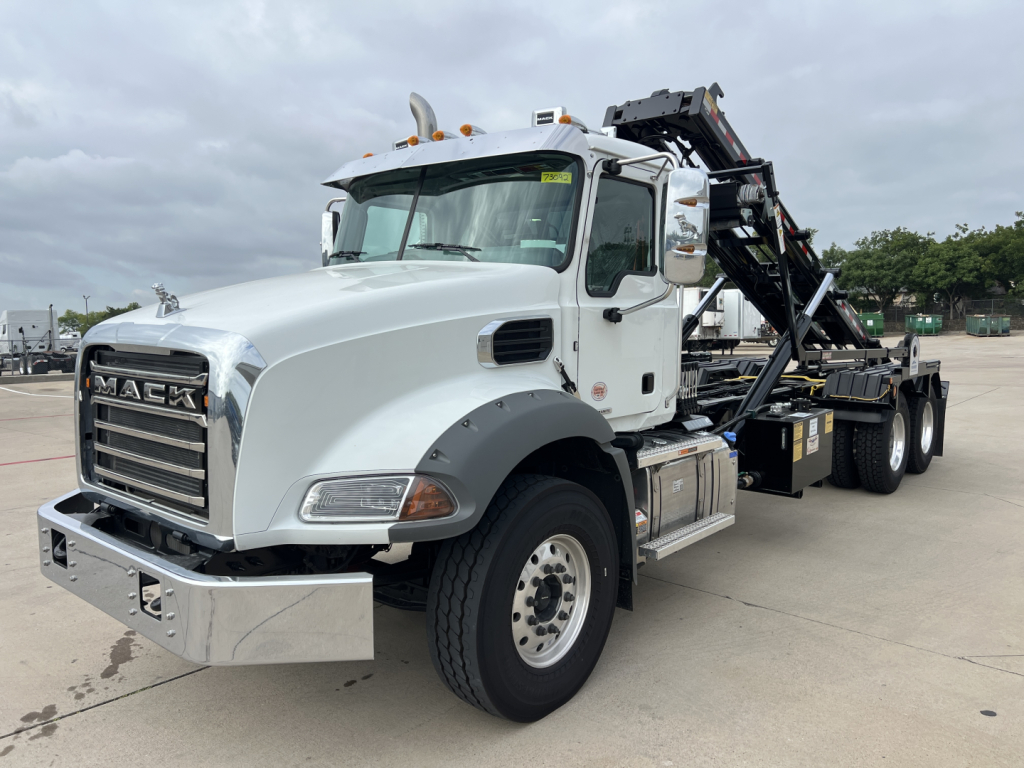
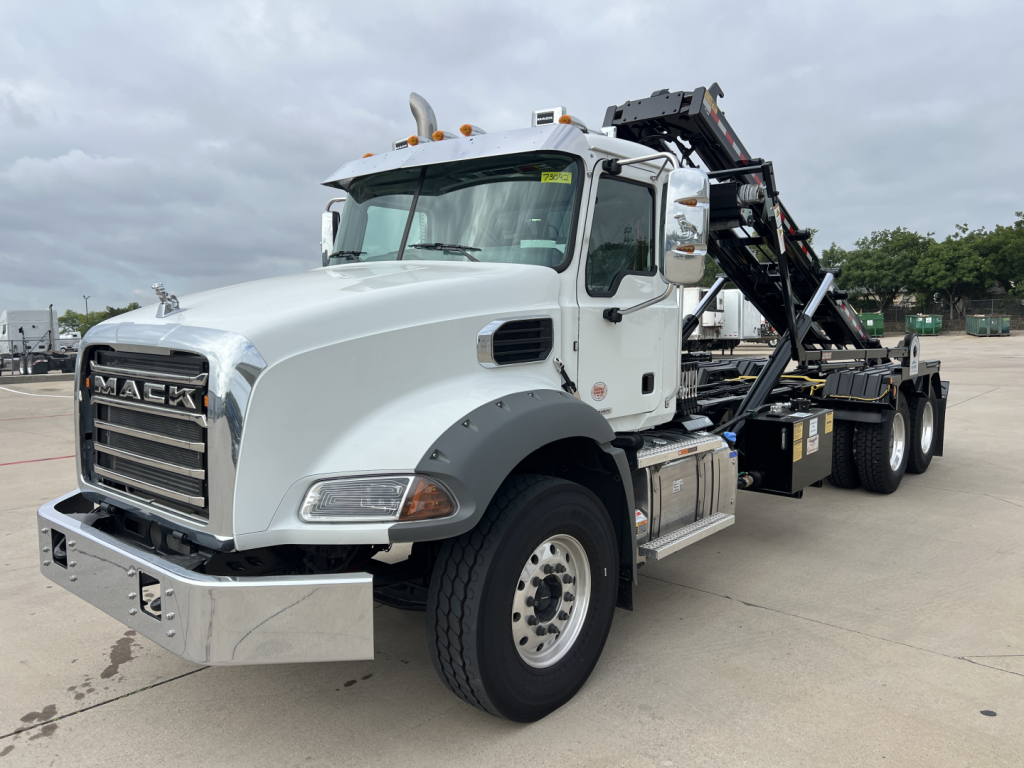
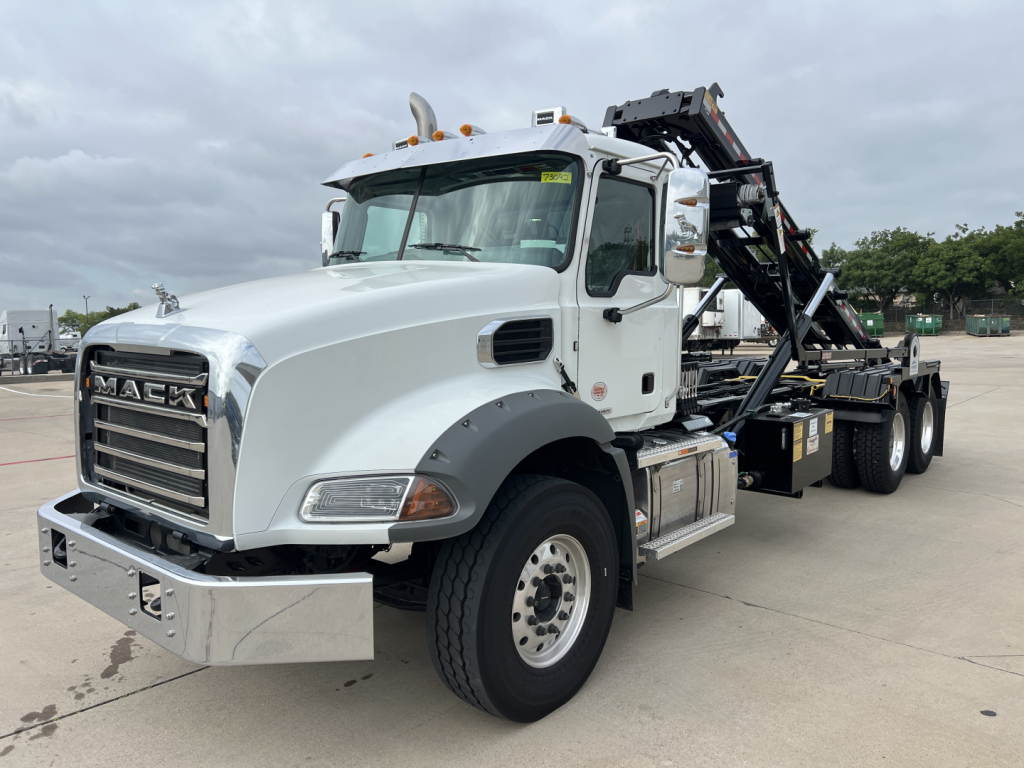
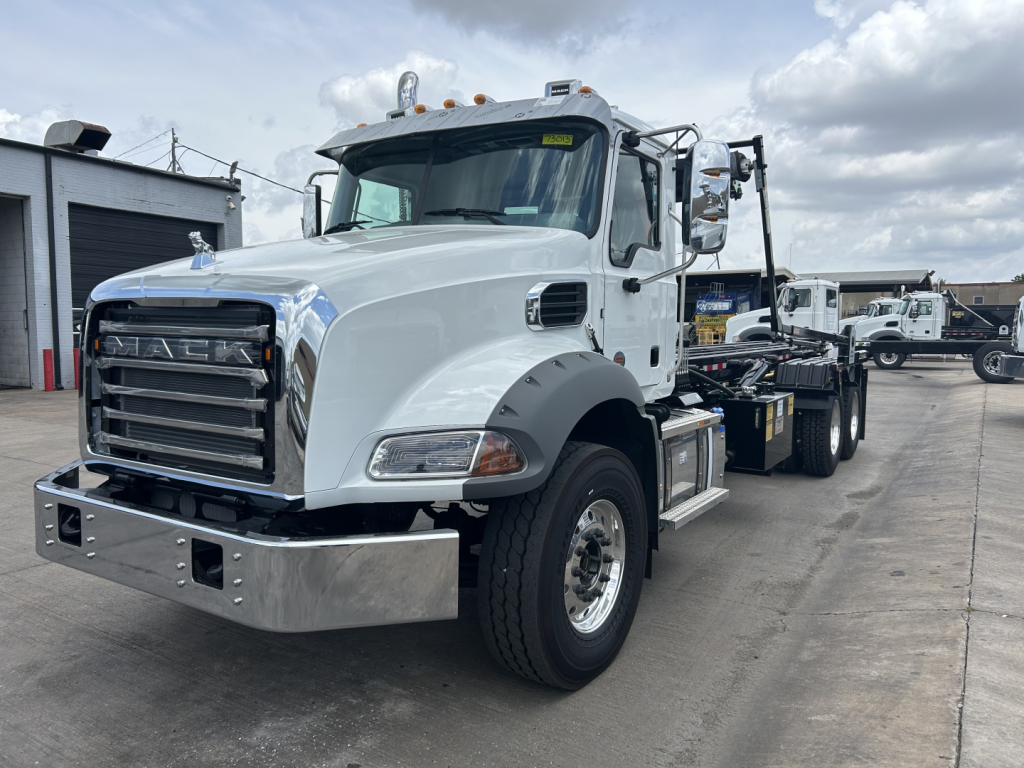
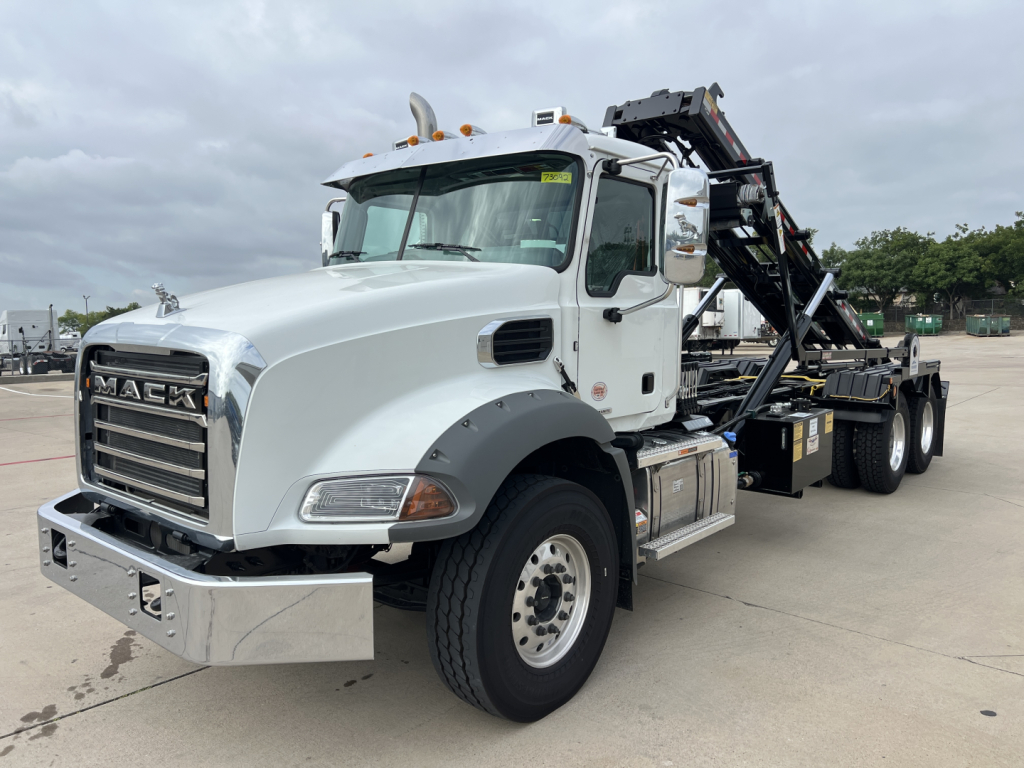
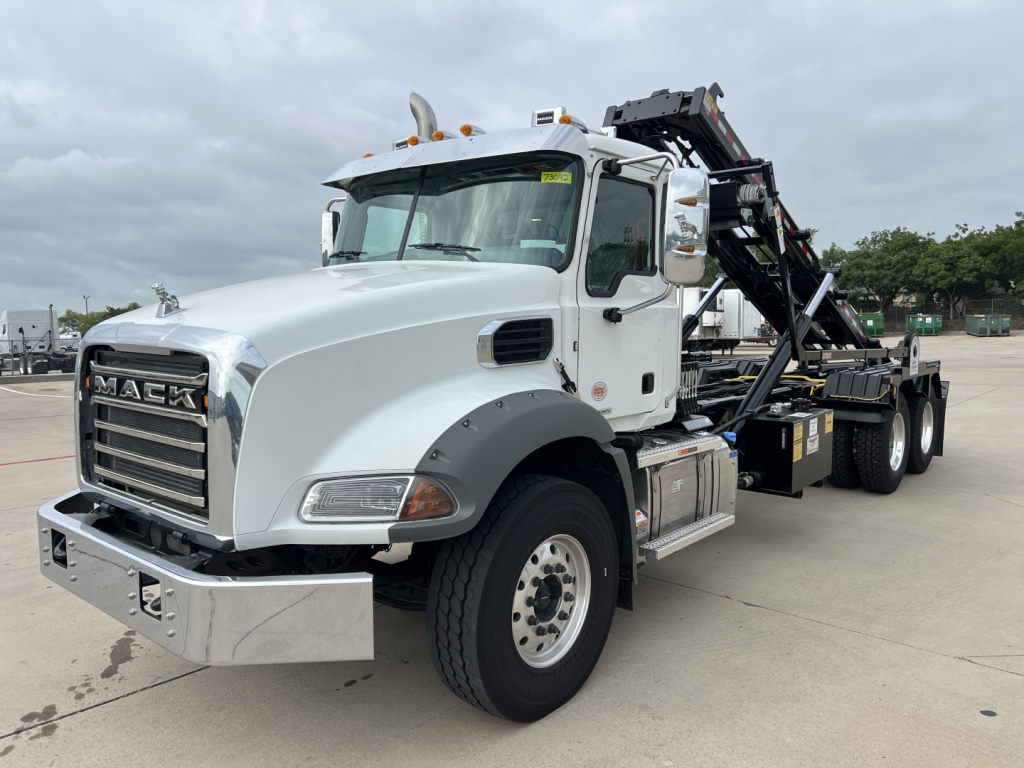
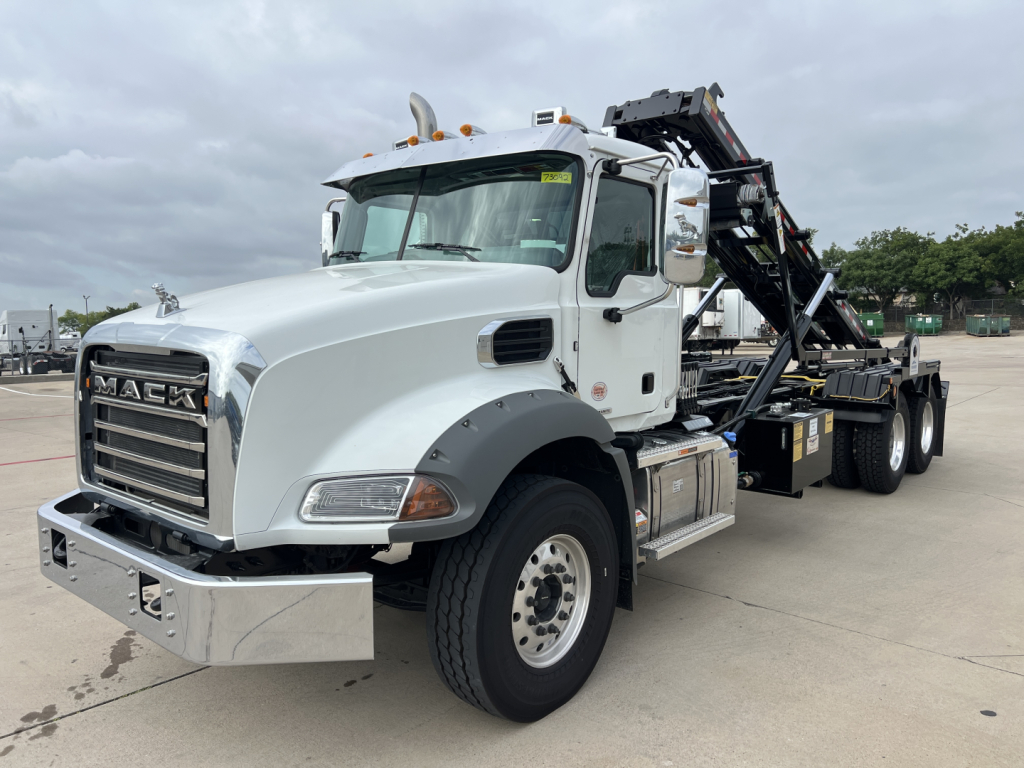
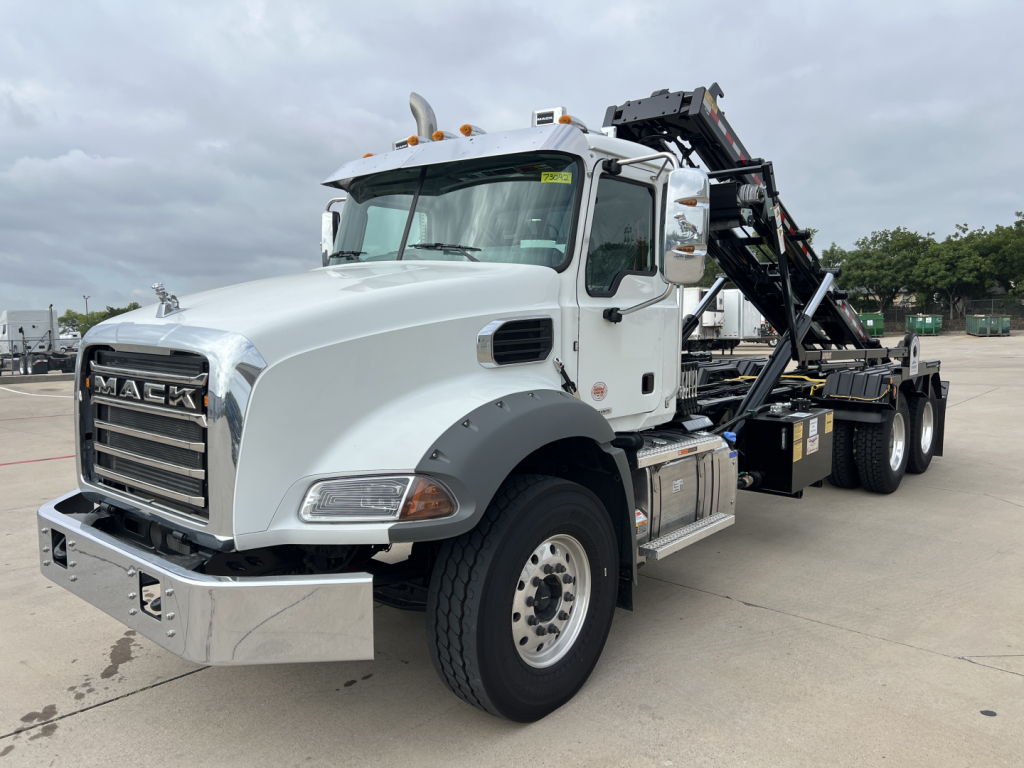
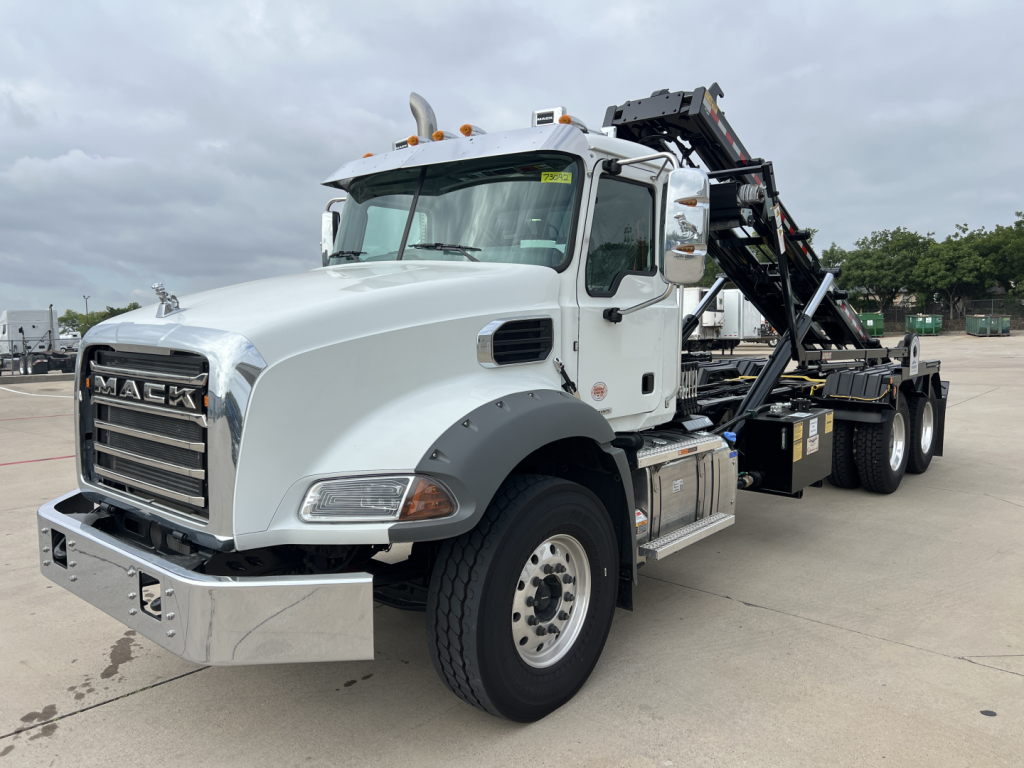
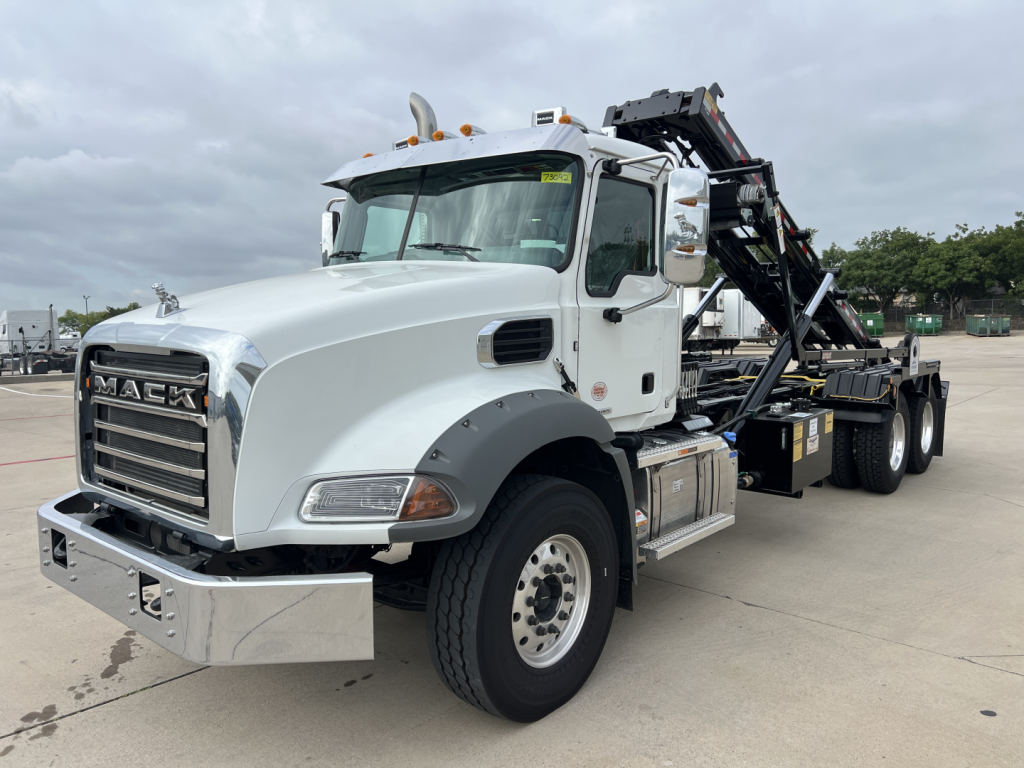
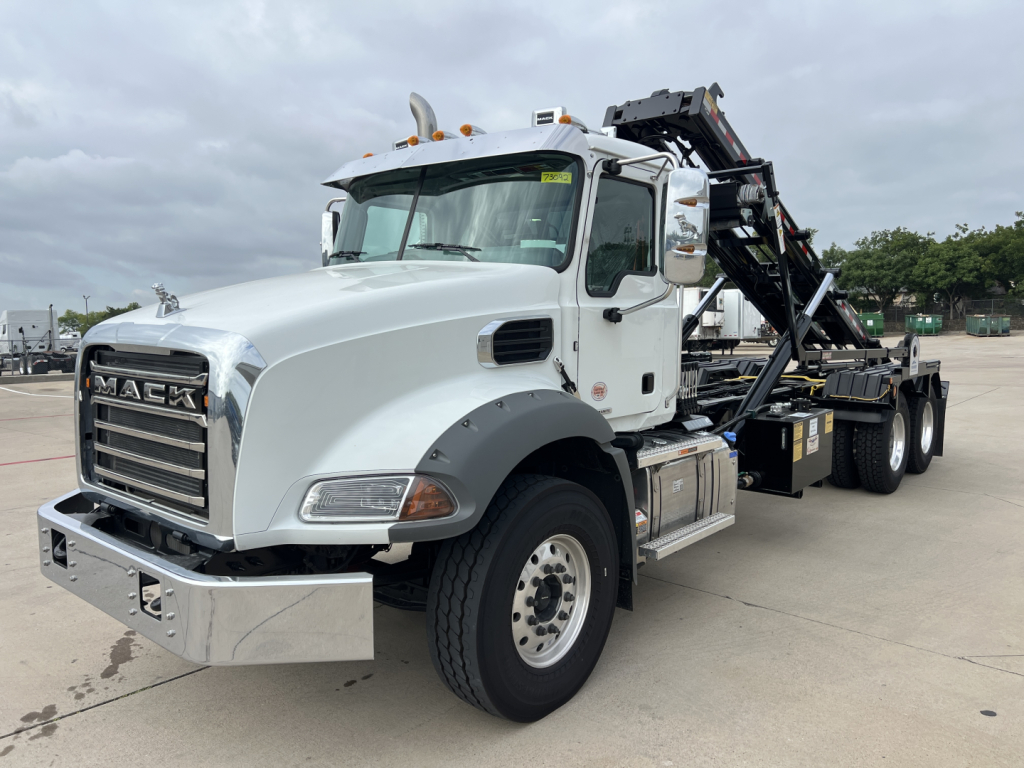
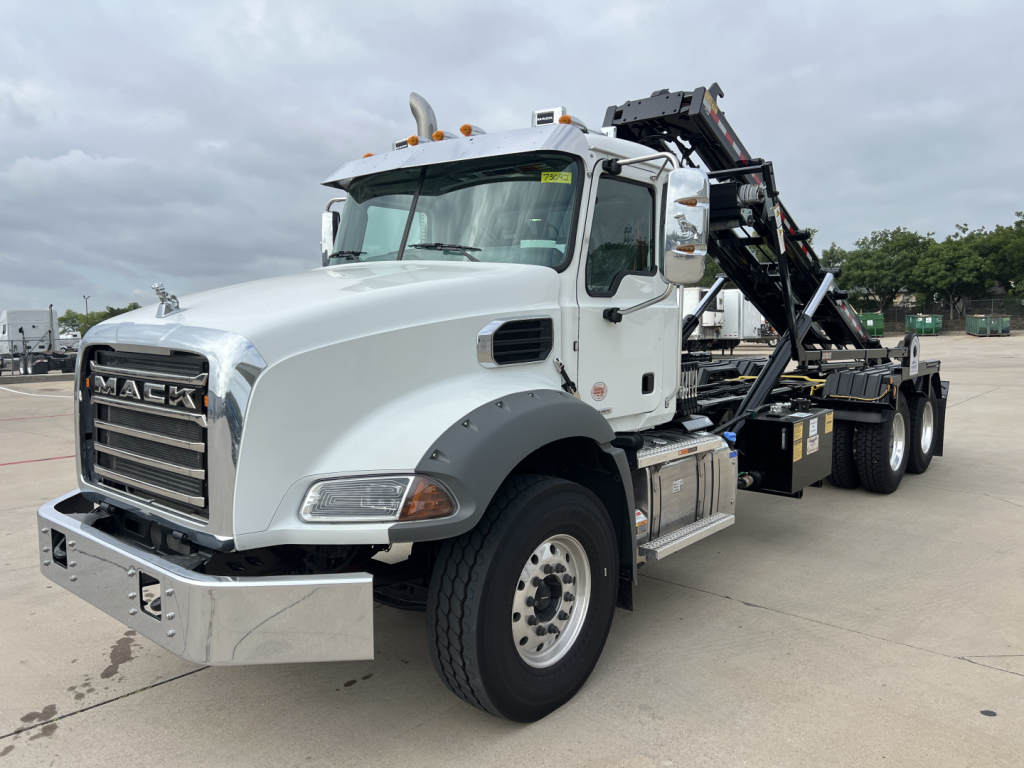
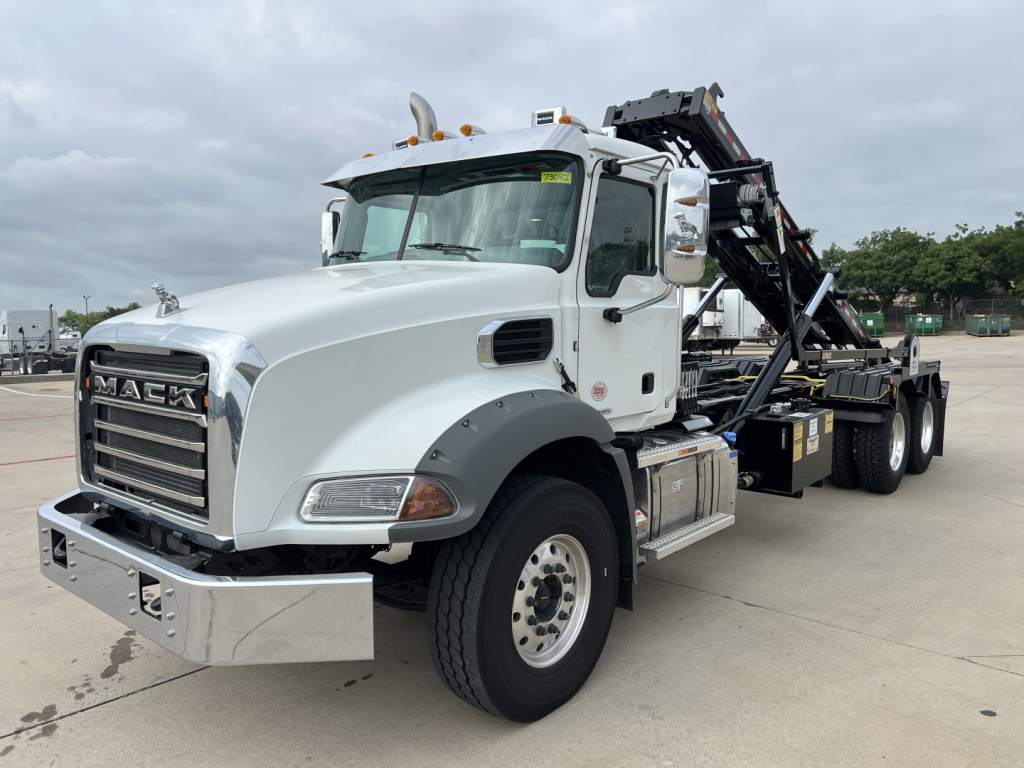
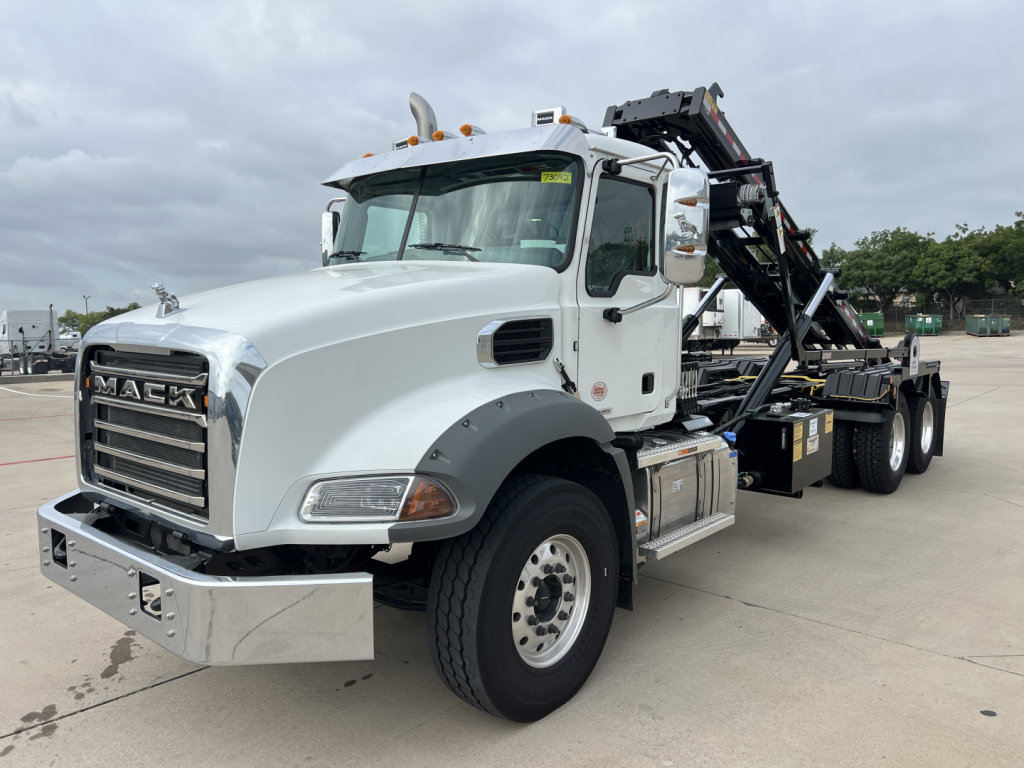
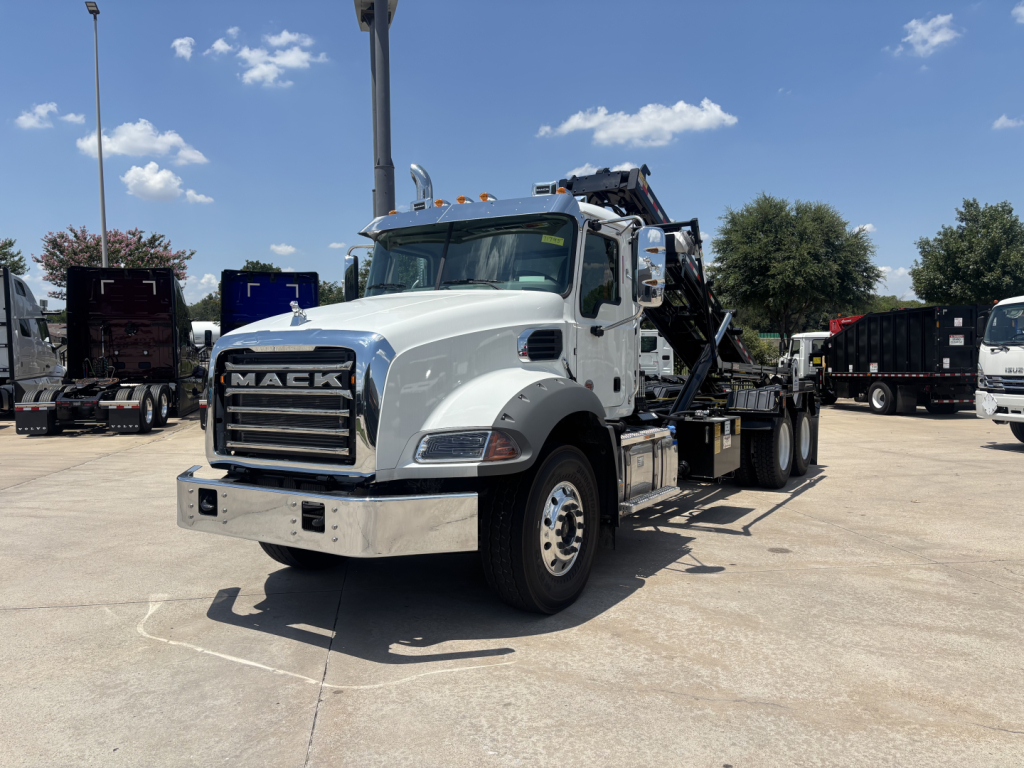
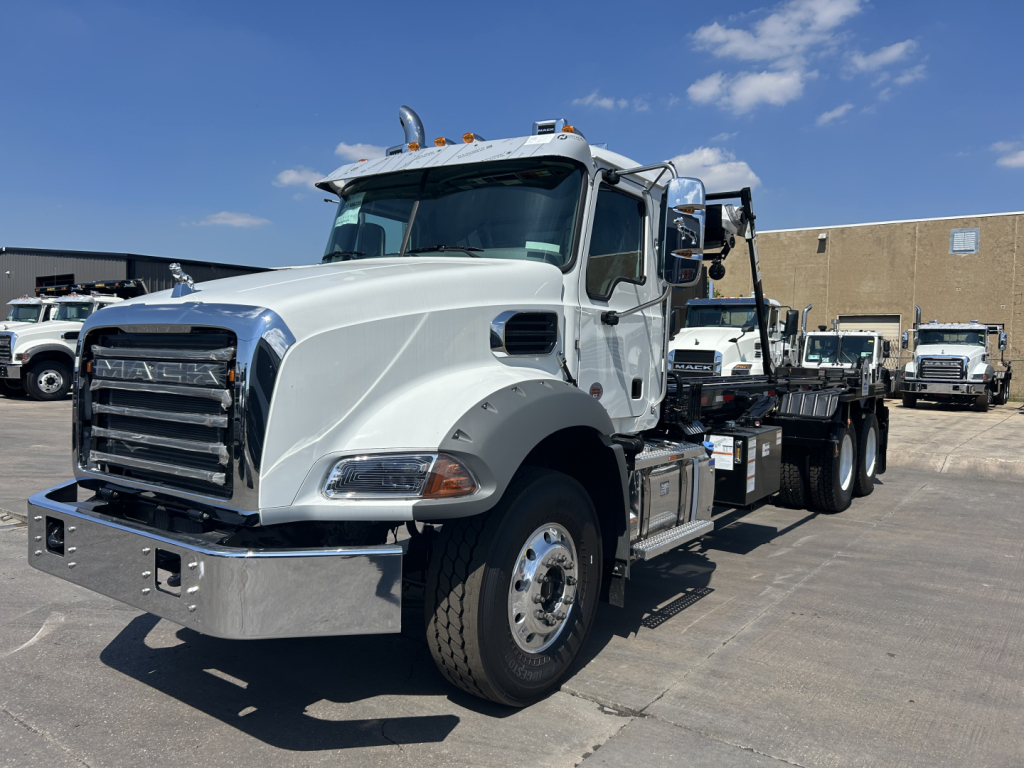
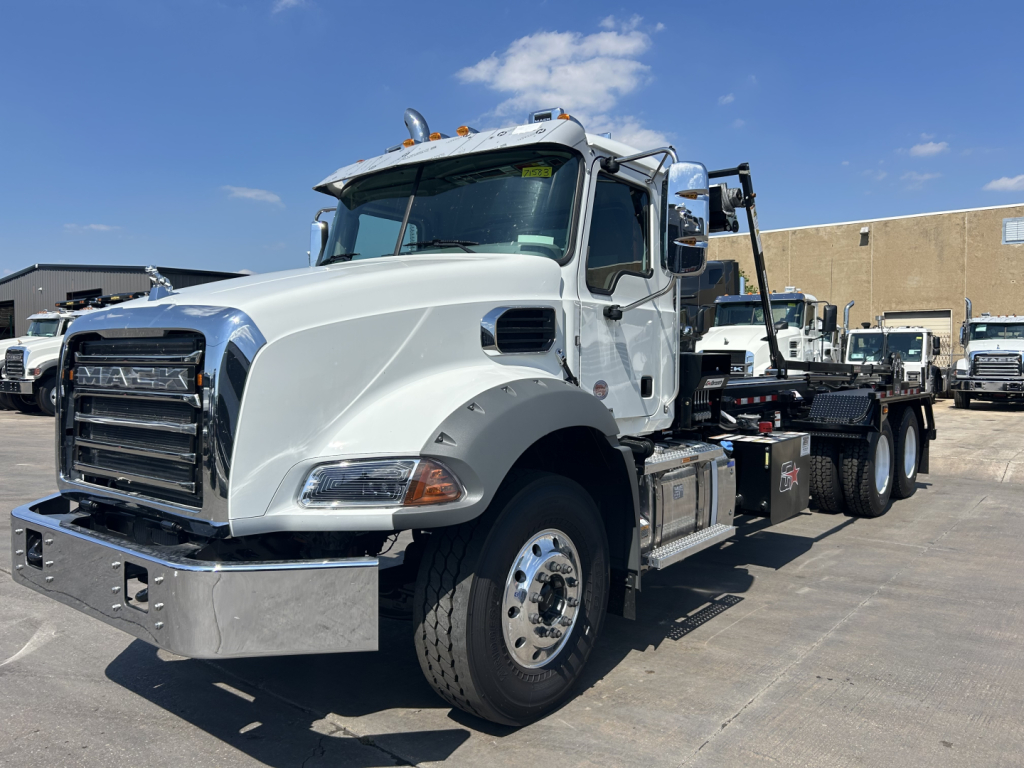
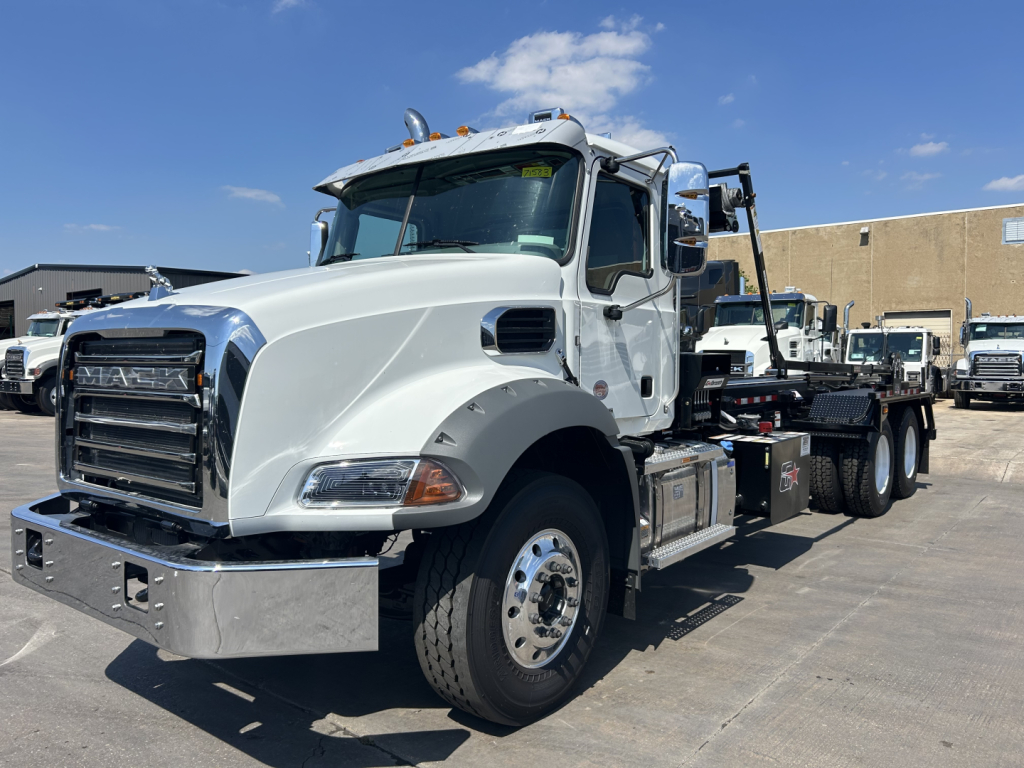
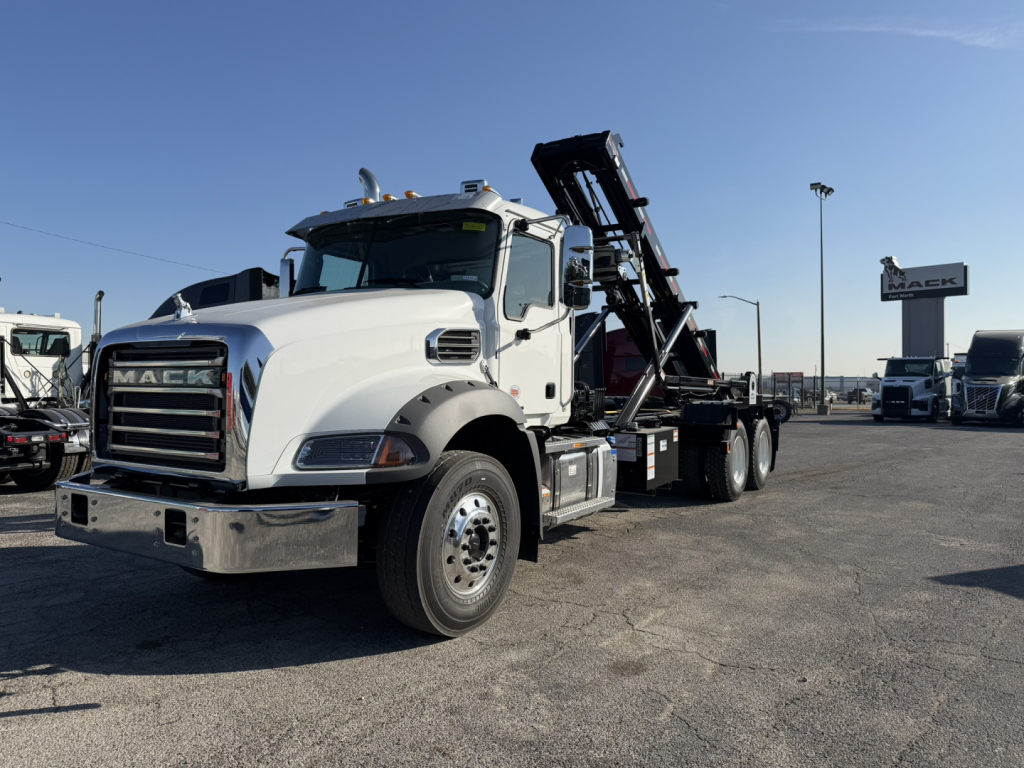
Showing 1 to 28 of 55 results
Selling a new rolloff truck? List your new rolloff truck for sale and reach thousands of commercial buyers.
New Rolloff Trucks in Texas
In Texas, buyers usually pay close attention to axle ratings, bridge law compliance, and site conditions. A tandem-axle rolloff with a 20,000 lb front axle and 46,000 lb rears is a common heavy-duty spec, and some applications benefit from a lift or pusher axle to manage payload distribution. Wheelbase affects both legal capacity and maneuverability, so a truck around the 250-inch range can be a practical middle ground for full-size cans without becoming too cumbersome in tighter urban work. Suspension choice also matters. Camelback and similar vocational suspensions are favored for durability in severe service, while locking differentials help when the truck backs into muddy transfer stations, construction sites, or unpaved yards.
Powertrain selection should match terrain, gross weight, and stop-and-go frequency. Engines in the 425 to 455 horsepower range are common in new rolloff trucks, with torque and cooling package capacity often more important than headline horsepower alone. Allison automatics are widely used for repeat loading cycles, precise low-speed control, and driver familiarity. Automated manual transmissions can be a strong choice for fleets focused on fuel economy and highway travel between jobs. Buyers should also look closely at frame reinforcement, rear axle ratio, PTO setup, brake configuration, fuel capacity, and cab controls for the hoist and tarp system. Pioneer and other tarp systems are frequently paired with rolloff bodies to help with load securement, reduce debris blow-off, and support compliance.
A well-spec'd new rolloff truck should be evaluated as a complete vocational package, not just a chassis with a hoist. Check container compatibility, hoist manufacturer support, hydraulic plumbing layout, and body upfitter quality. Look for practical details such as work lights, backup alarms, heated mirrors, air ride seating, and tire choices suited to mixed pavement and jobsite use. For Texas operations covering long distances between disposal sites, fuel tank size and driver comfort can have a real impact on uptime. If the work involves dense scrap, demolition debris, or repeated max-load pulls, prioritize frame strength, suspension rating, and driveline durability over cosmetic options.
Frequently Asked Questions about New Rolloff Trucks in Texas
What hoist capacity is typical on a new rolloff truck?
A 60,000 lb hoist is one of the most common specs on heavy-duty new rolloff trucks because it fits a wide range of full-size container work in waste, scrap, demolition, and construction debris service. The right capacity depends on the size of the cans you run, the density of the material, and how often the truck will operate near maximum gross weight. Buyers should confirm both hoist rating and chassis axle ratings because the truck must be matched as a complete system.
Is an automatic transmission better for rolloff truck work?
For many rolloff applications, an Allison automatic is a strong choice because it handles constant stop-and-go operation well and gives the driver smooth low-speed control during loading, unloading, and backing. Automated manuals can also work well, especially for fleets that spend more time on the highway and want fuel-efficiency benefits. The best choice depends on route density, driver preference, terrain, and how much time the truck spends cycling containers versus traveling between sites.
What axle setup should I look for on a Texas rolloff truck?
A tandem rear axle with a heavy front axle is a standard starting point for Texas rolloff work, especially when hauling full-size cans and dense debris. Many buyers look for front axle ratings around 20,000 lb and rear ratings around 46,000 lb, with a pusher axle added when payload distribution or bridge compliance requires it. Local route conditions, disposal site access, and expected container weights should guide the final axle configuration.
Why does wheelbase matter on a rolloff truck?
Wheelbase affects container fit, weight distribution, turning radius, and overall maneuverability. A longer wheelbase can help with larger box compatibility and axle loading, but it may be less agile in alleys, urban jobsites, and tight transfer stations. A mid-range vocational wheelbase is often chosen to balance legal payload, hoist geometry, and ease of operation.
What features improve day-to-day rolloff truck productivity?
The most useful productivity features are the ones that reduce cycle time and downtime. A reliable tarp system, strong work lighting, backup alarm, locking differentials, durable suspension, and clear in-cab controls all matter in real-world service. Driver comfort items such as air ride seats, heated mirrors, and adequate fuel capacity also help, especially in Texas where routes can be long and workdays can involve repeated loading cycles in harsh conditions.