
New Rolloff Trucks For Sale in Florida
New rolloff trucks for sale in Florida. Compare hooklift-style and cable rolloff setups, GVWR, hoist specs, container sizes, and chassis options.
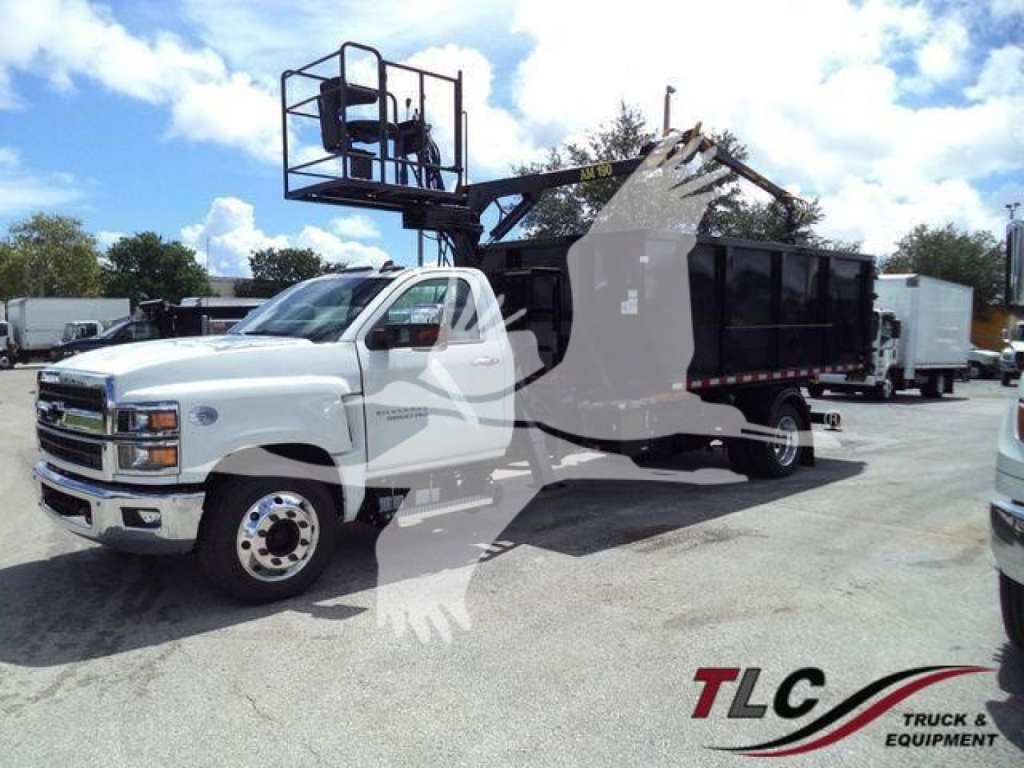
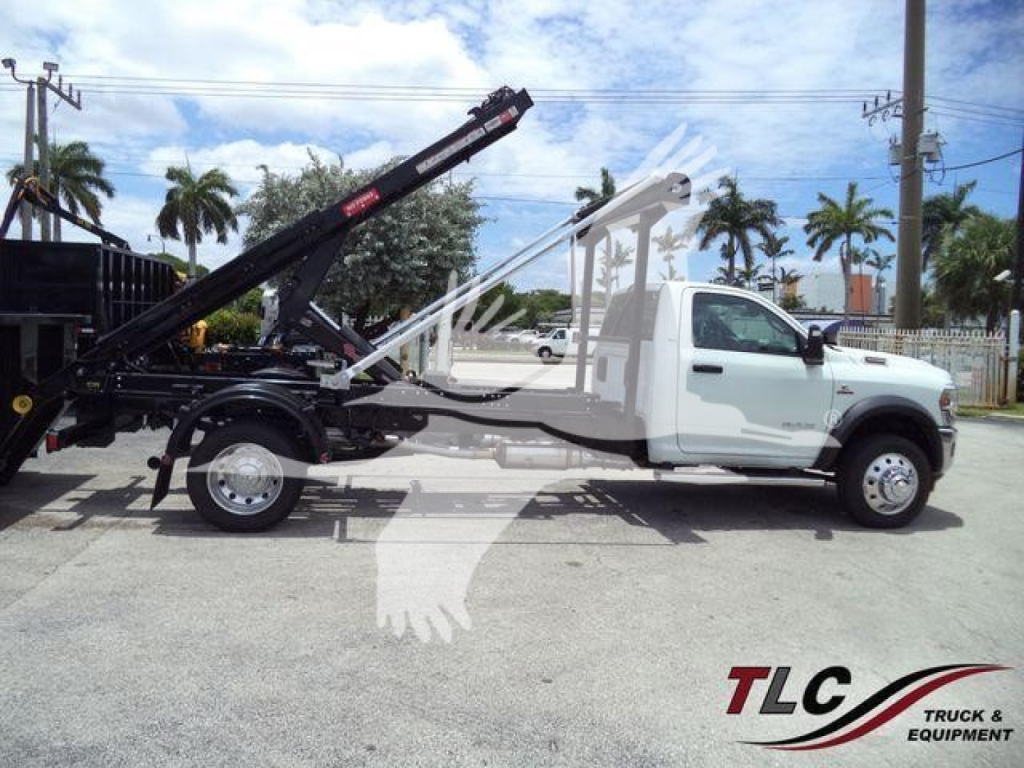
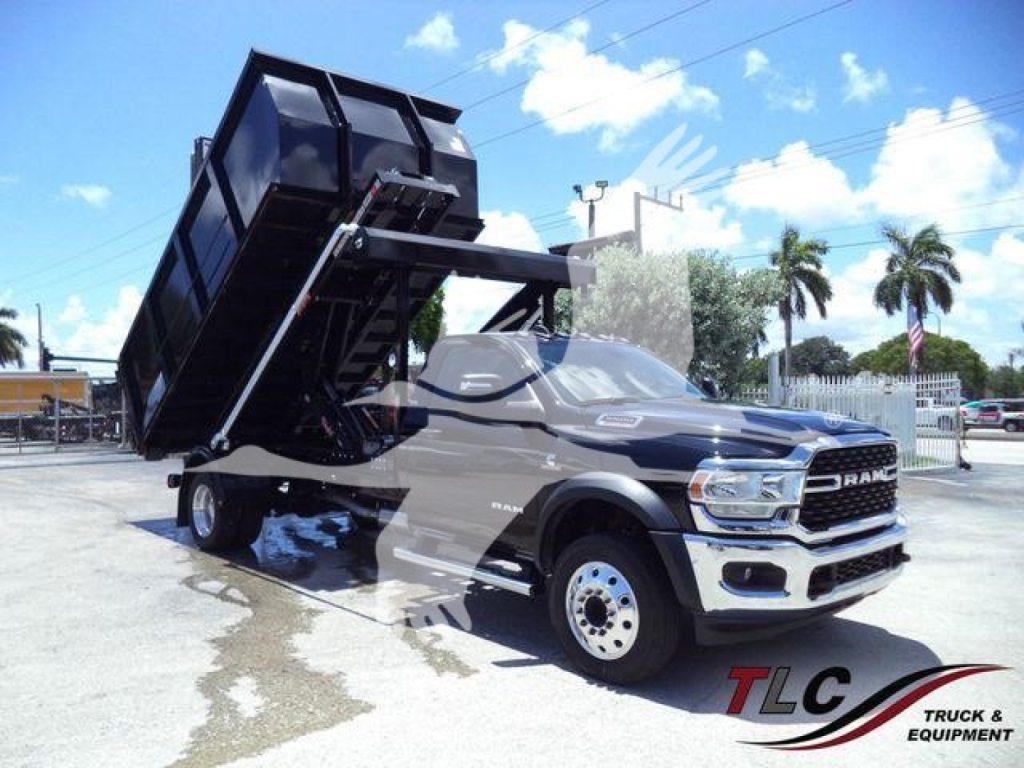
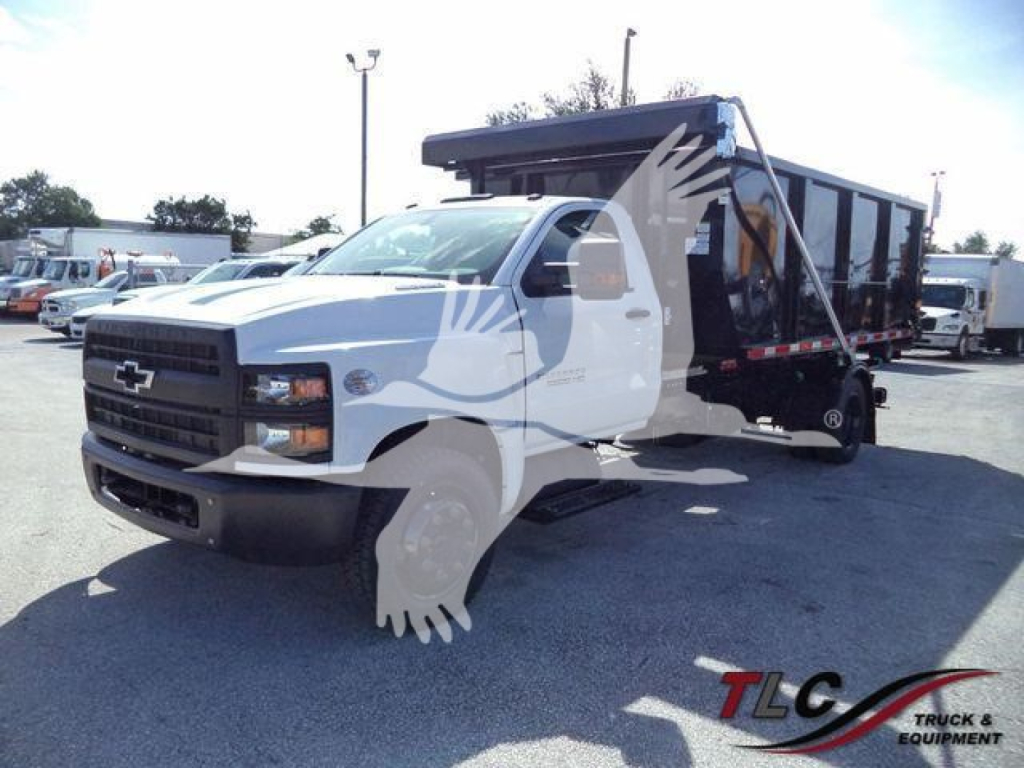
2023 Chevrolet Silverado 6500Hd
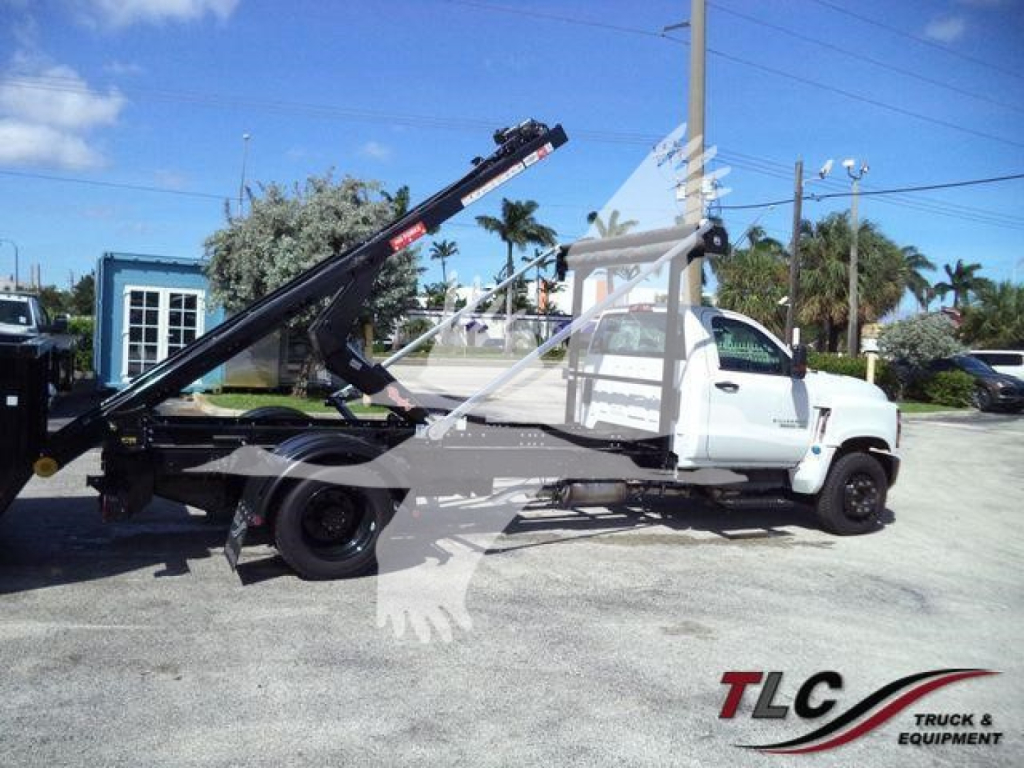
2023 Chevrolet Silverado 6500Hd
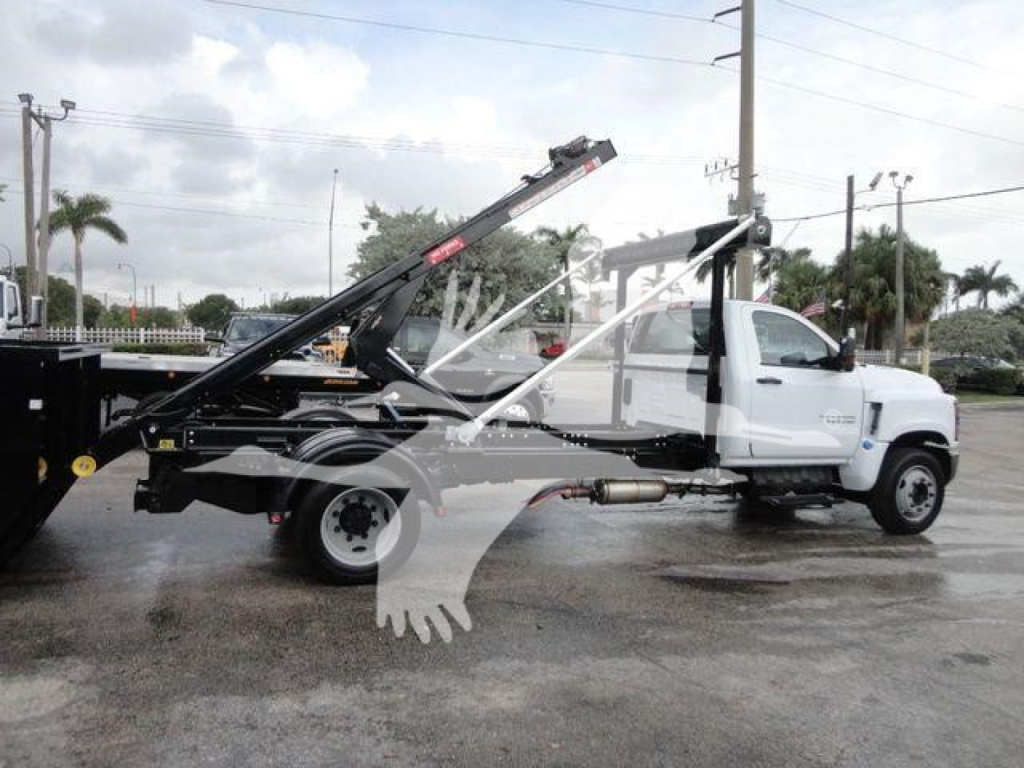
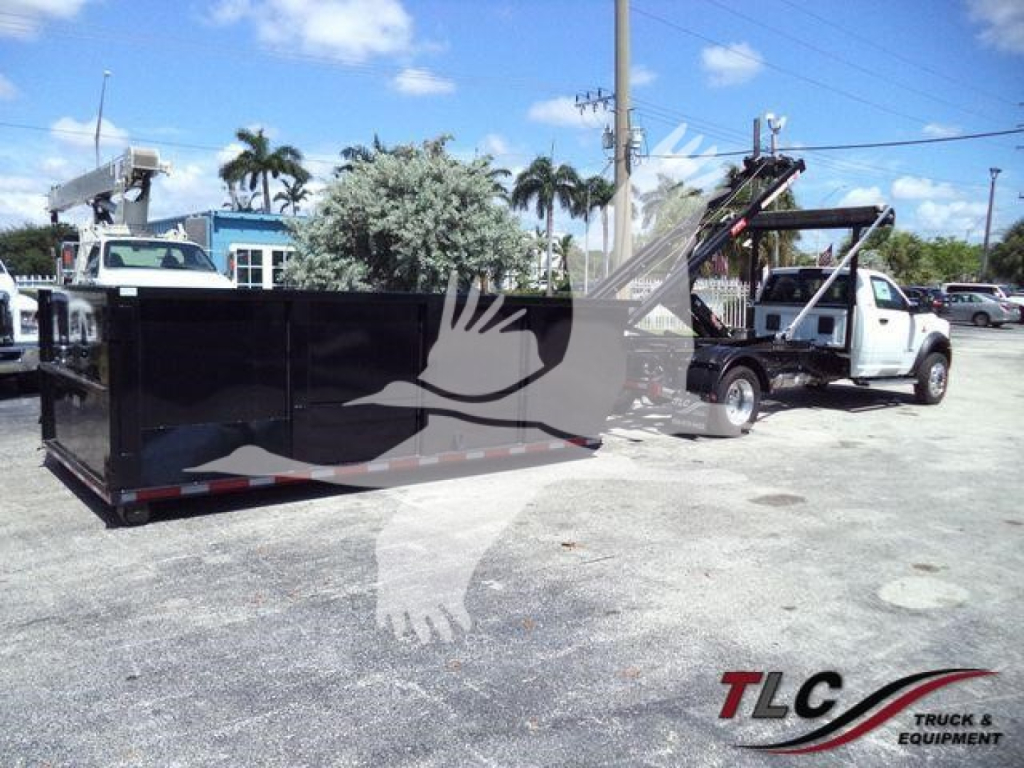
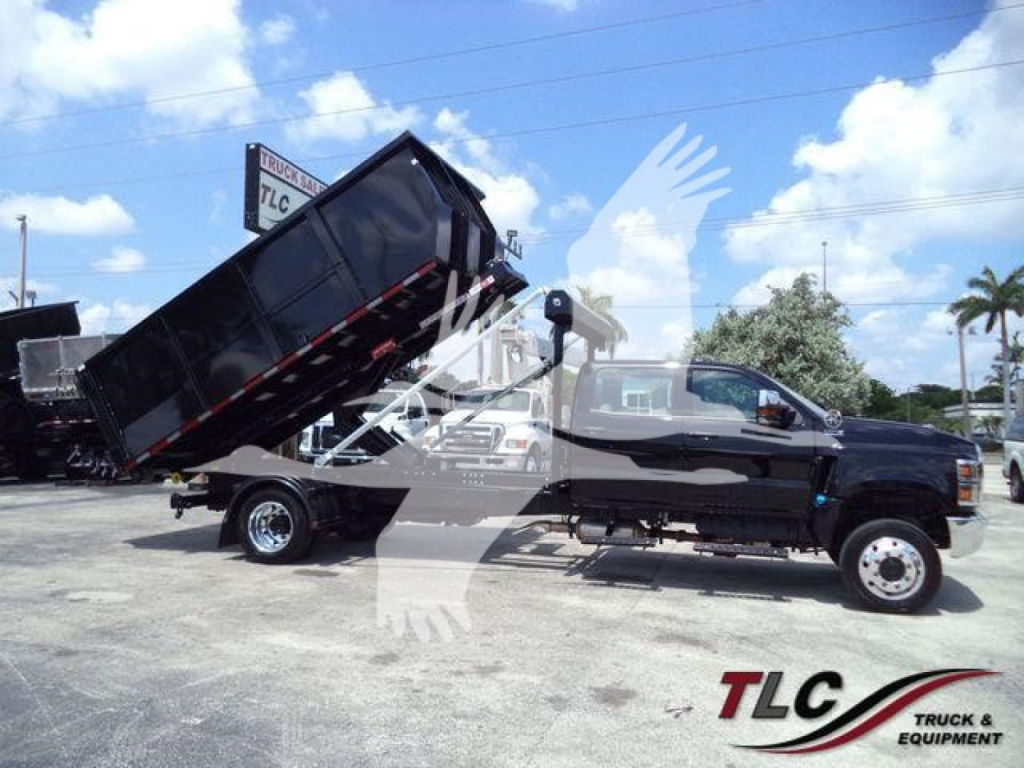
2023 International Cv
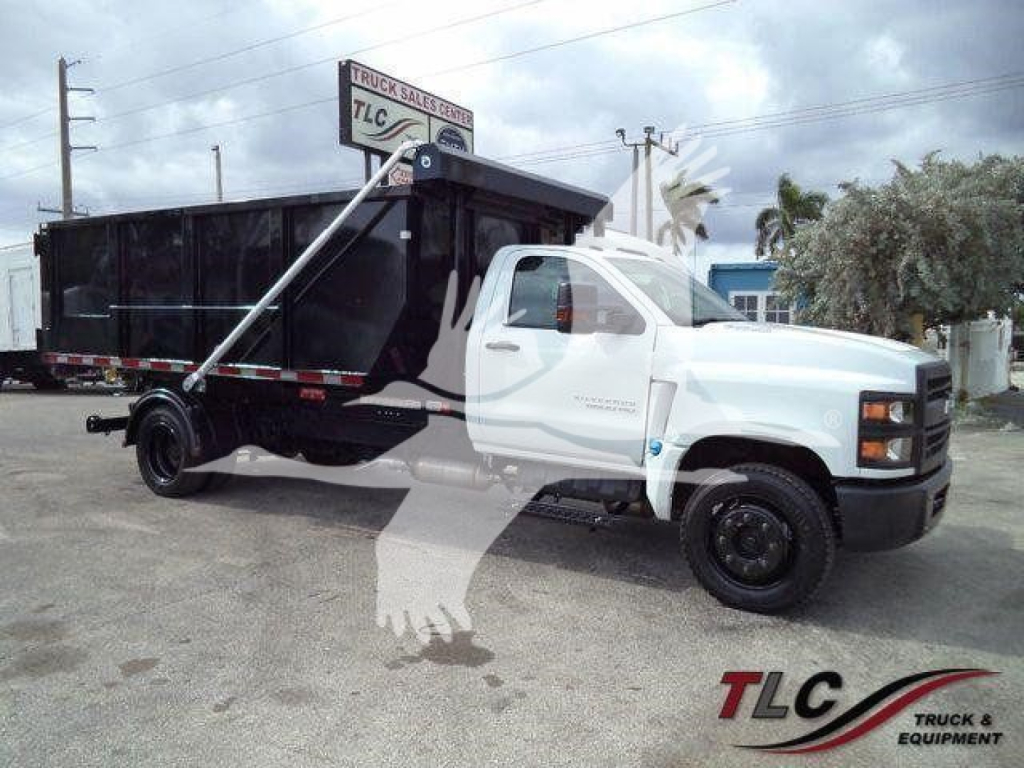
2023 Chevrolet Silverado 6500Hd
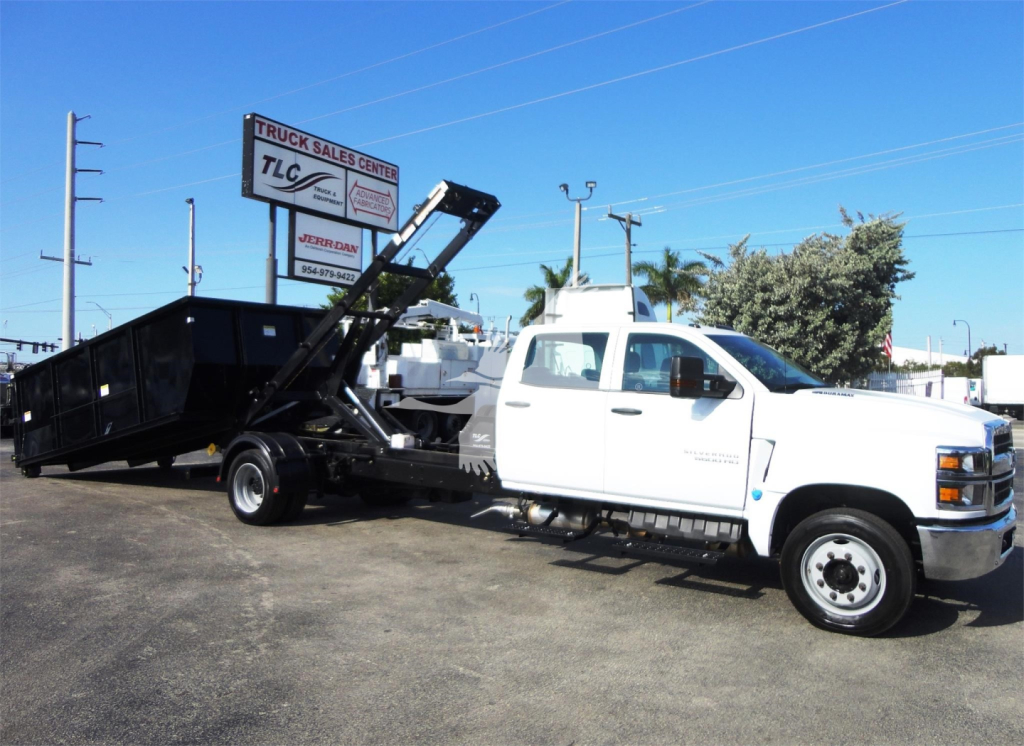
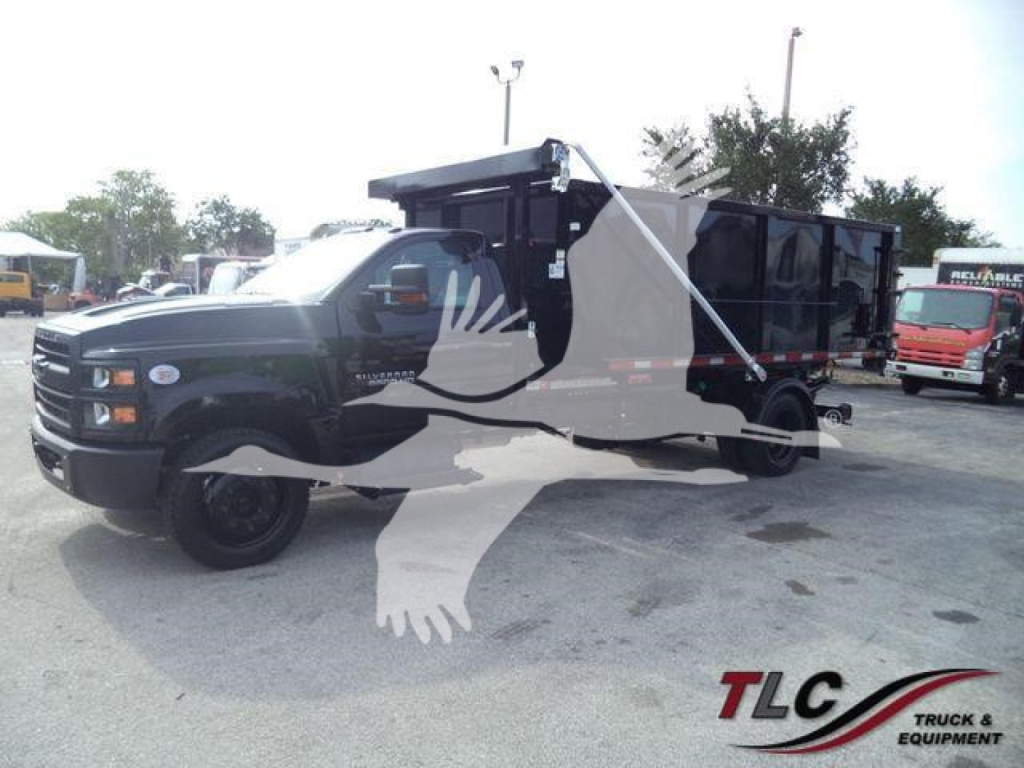
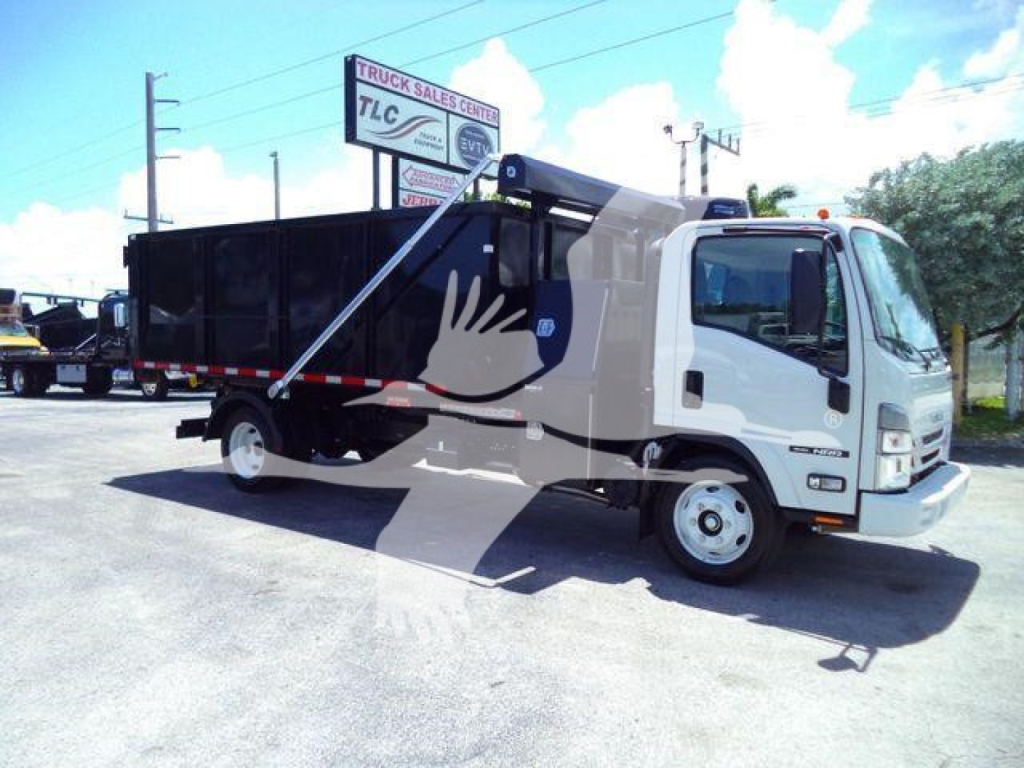
Selling a new rolloff truck? List your new rolloff truck for sale and reach thousands of commercial buyers.
New Rolloff Trucks in Florida
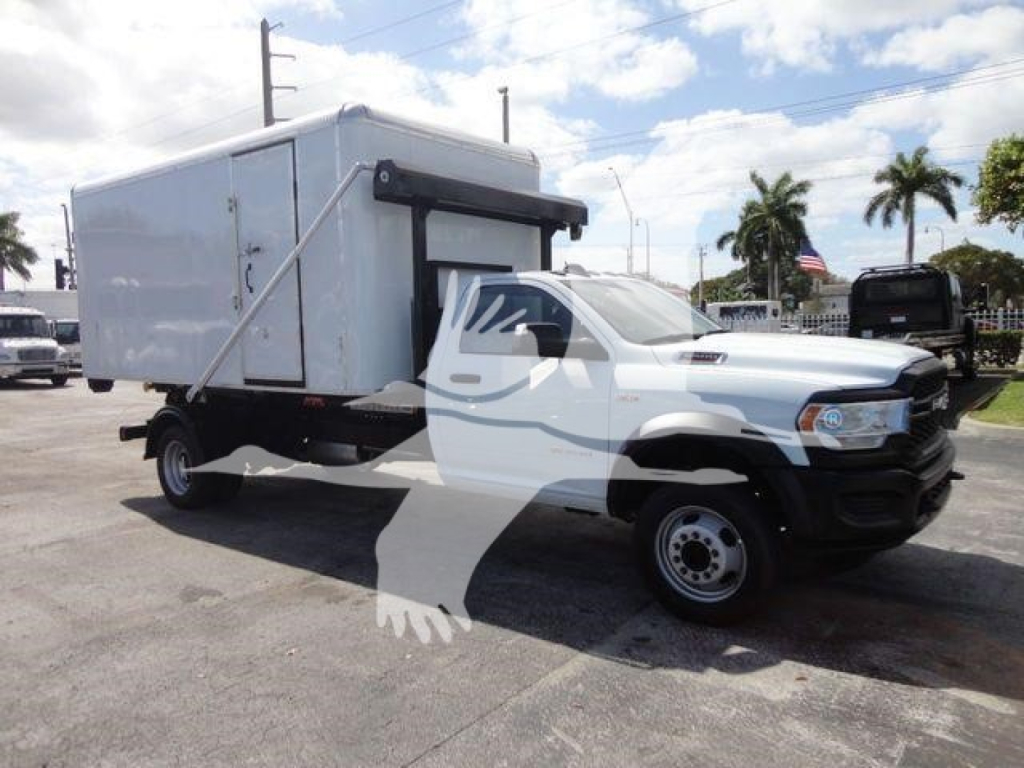
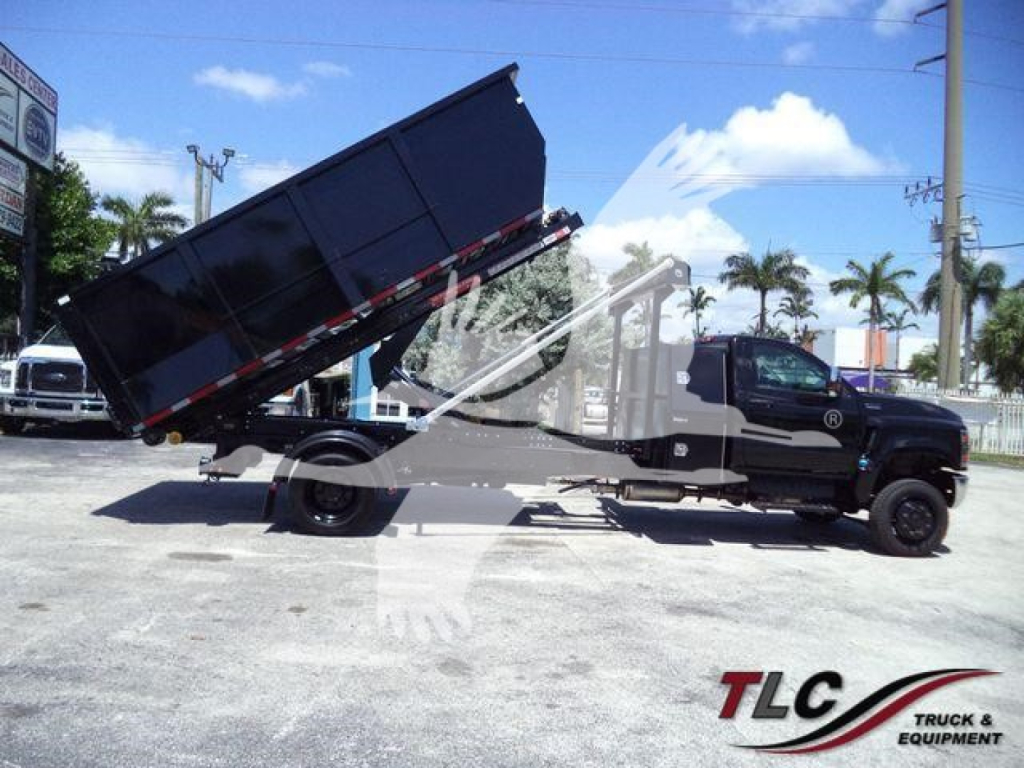
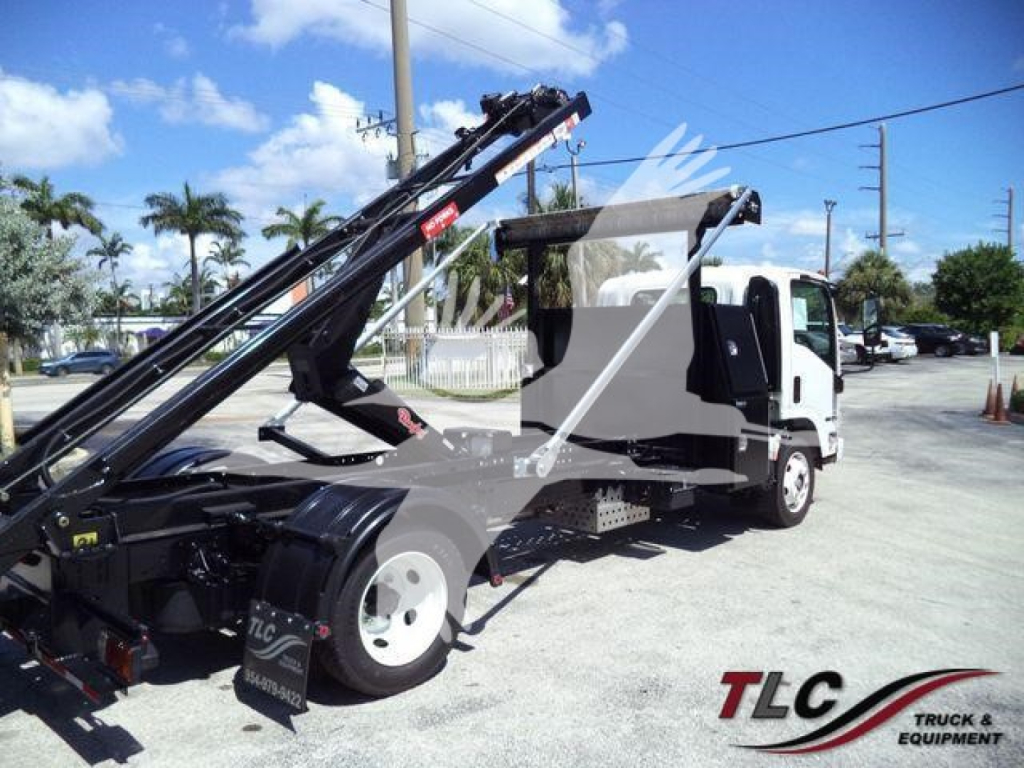
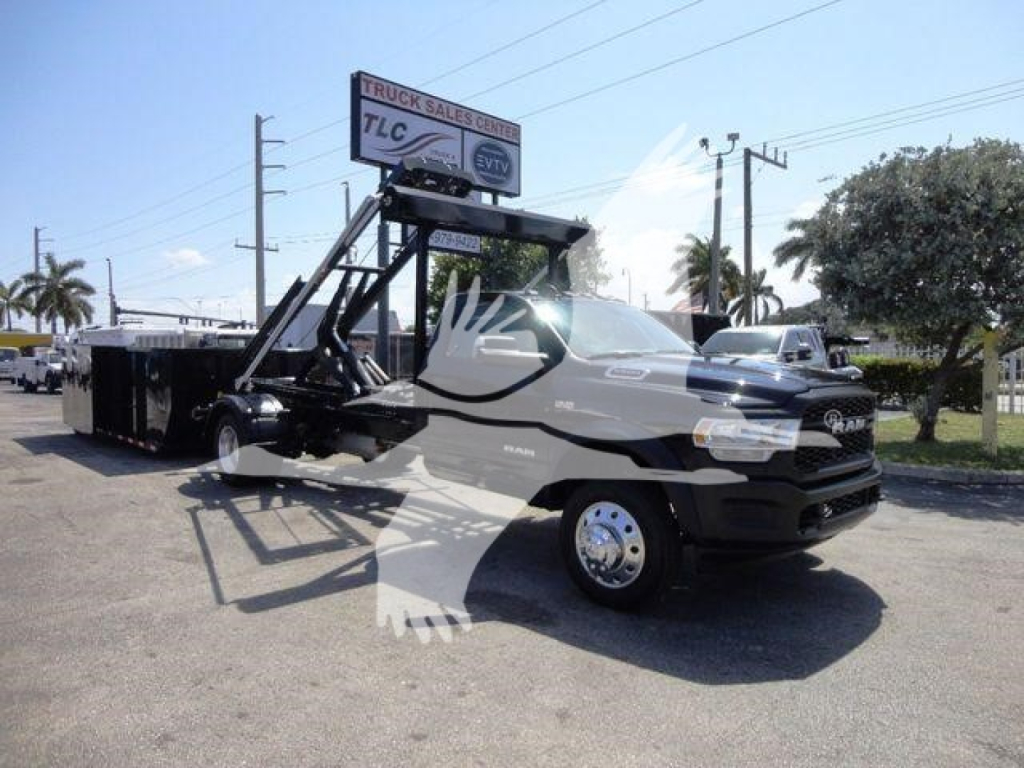
The first decision is usually chassis and capacity. Common new rolloff trucks in this size range are built on Chevrolet Silverado 5500HD or 6500HD, International CV, and Ram 5500 chassis, typically with diesel engines, automatic transmissions, and either 4x2 or 4x4 drivetrains. A 19,500 GVWR truck is a practical fit for residential routes, tighter city access, and crews that need CDL-sensitive flexibility depending on exact operating weight and local rules. Moving up to a 23,500 GVWR chassis can provide more margin for heavier containers, denser debris, and higher-duty cycle use. Wheelbase, cab style, and axle rating all matter because they affect body length compatibility, turning radius, payload, and how well the truck handles a loaded can on uneven jobsite surfaces.
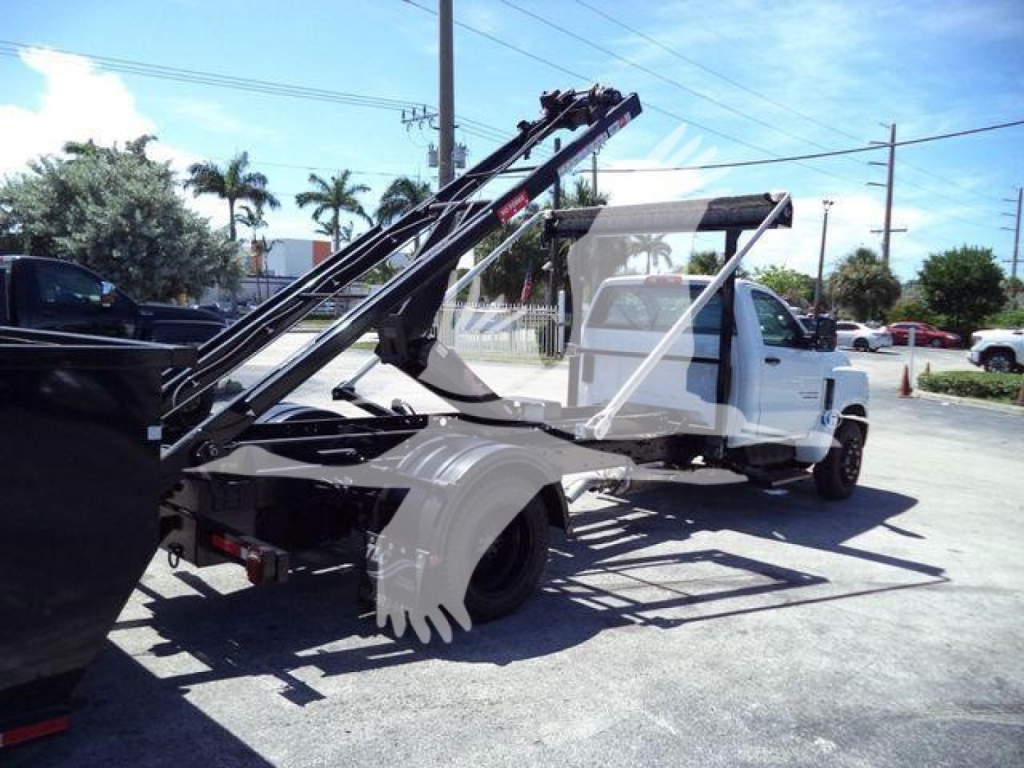
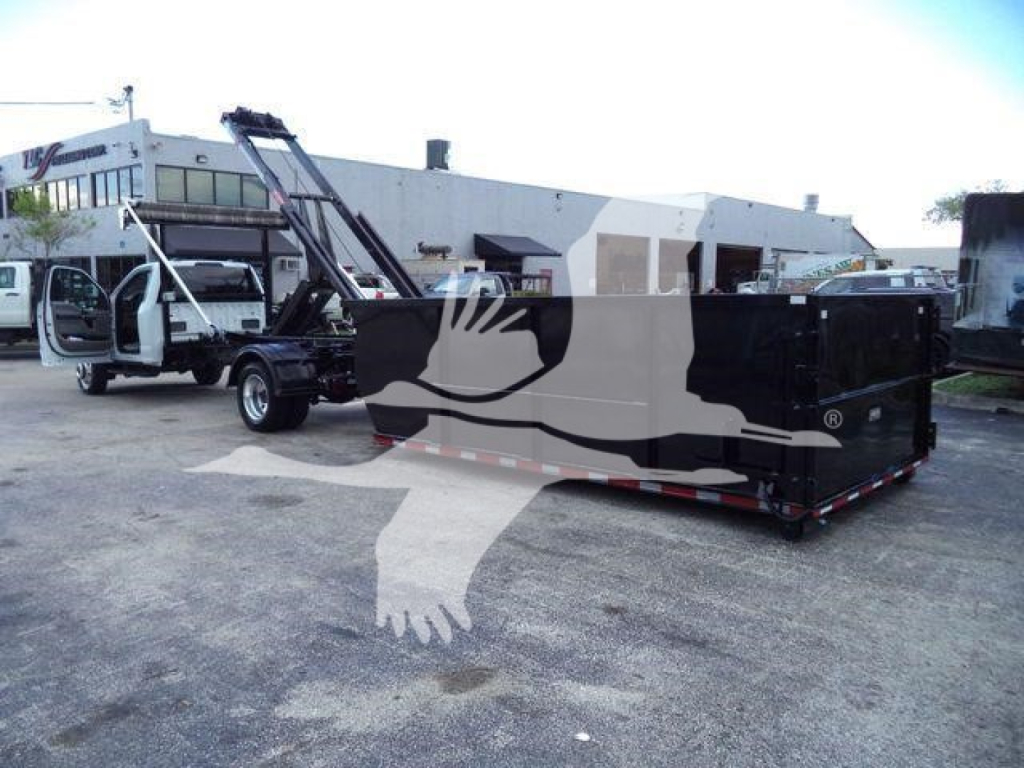
Body and hoist specs are what separate a general-purpose rolloff truck from one that fits your route. Many new units in this category carry 14-foot containers with roughly 8-foot width and 51-inch sides, often with all-steel construction, powder-coated finishes, and single swing rear doors. Electric over hydraulic hoists are common on these medium-duty setups, along with winches, cable systems, in-cab and exterior controls, tarp systems, trailer brake wiring, and receiver or ICC hitch arrangements. Buyers should pay close attention to hoist rating, cable length, container rail design, rear door configuration, and controller layout. Those details affect load angle, pickup speed, container interchangeability, and how safely the truck can be operated by different drivers over a long workday.
For Florida service, corrosion resistance, uptime, and maneuverability usually rank high. Coastal humidity, frequent rain, and stop-and-go commercial driving make sealed electrical components, durable coatings, and easy hydraulic service access more important than they might be in drier regions. A compact new rolloff truck is often preferred by landscapers, roofing contractors, junk removal companies, municipal crews, and small waste operators because it can reach residential streets and urban sites where a larger traditional refuse truck is less efficient. The best buyer matches container size, hoist capacity, axle rating, and chassis footprint to the material being hauled, not just the truck's advertised body length.
Frequently Asked Questions about New Rolloff Trucks in Florida
What is the difference between a rolloff truck and a hooklift truck?
A rolloff truck usually loads and unloads containers using a cable hoist and winch system, while a hooklift truck uses a hydraulic hook arm to engage the body. Both are designed for interchangeable containers, but the body interface, loading geometry, and container compatibility are different. Many buyers use the terms loosely in the light and medium-duty market, so it is important to confirm exactly what hoist system is installed and which container style it accepts before comparing trucks.
What GVWR is common for new medium-duty rolloff trucks?
Many new medium-duty rolloff trucks fall in the 19,500 to 23,500 pound GVWR range. A lower GVWR chassis can be easier to maneuver and may better suit lighter debris, landscape material, or residential work. A higher GVWR chassis generally gives you more usable capacity and durability for heavier containers or denser loads. The right choice depends on actual payload, container tare weight, route conditions, and licensing requirements in your operating area.
What container size is typical on this type of rolloff truck?
A common setup in this category is a 14-foot container that is about 8 feet wide with side heights around 51 inches. That size works well for light construction debris, green waste, roofing tear-off, and general cleanup. Container dimensions should be matched to the hoist design, rail spacing, and intended material. Buyers should also consider rear door style, wall height, and steel thickness because those details affect loading method, usable volume, and body life.
Are new rolloff trucks good for landscaping and junk removal businesses?
Yes. Medium-duty new rolloff trucks are widely used by landscapers, junk removal companies, roofing crews, and small construction contractors because they let one truck service multiple containers instead of tying up a dump body full time. That flexibility can improve route efficiency and reduce downtime between jobs. The compact chassis size also helps in residential neighborhoods, apartment complexes, and tighter commercial properties where larger refuse equipment is harder to place and operate.
What features matter most on a new rolloff truck in Florida?
In Florida, buyers often prioritize corrosion-resistant finishes, dependable hydraulic components, weather-protected electrical systems, and a chassis size that handles urban traffic and wet jobsite access. Full electric tarp systems, trailer brake provisions, receiver hitches, and inside-outside controls are also practical features for daily work. If the truck will run near the coast or on year-round outdoor routes, coating quality and service access can be just as important as engine and transmission specs.