
New 2024 Rolloff Trucks For Sale in Florida
Shop new 2024 rolloff trucks for sale in Florida. Compare non-CDL and CDL chassis, hoist systems, container sizes, and work-ready specs.
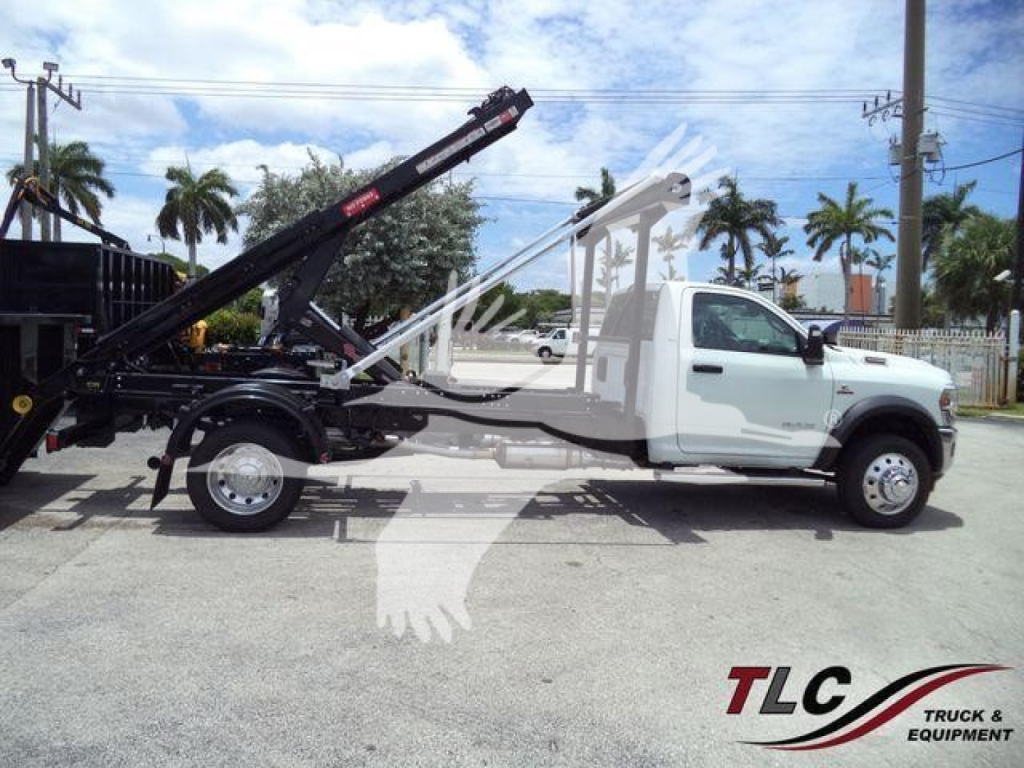
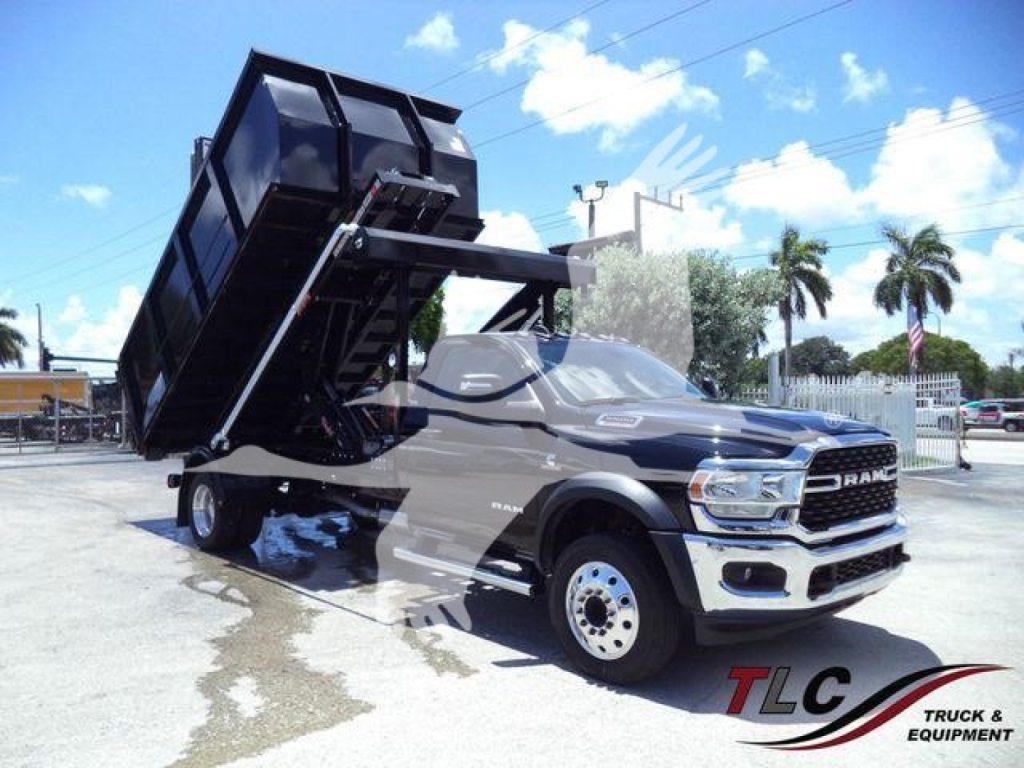
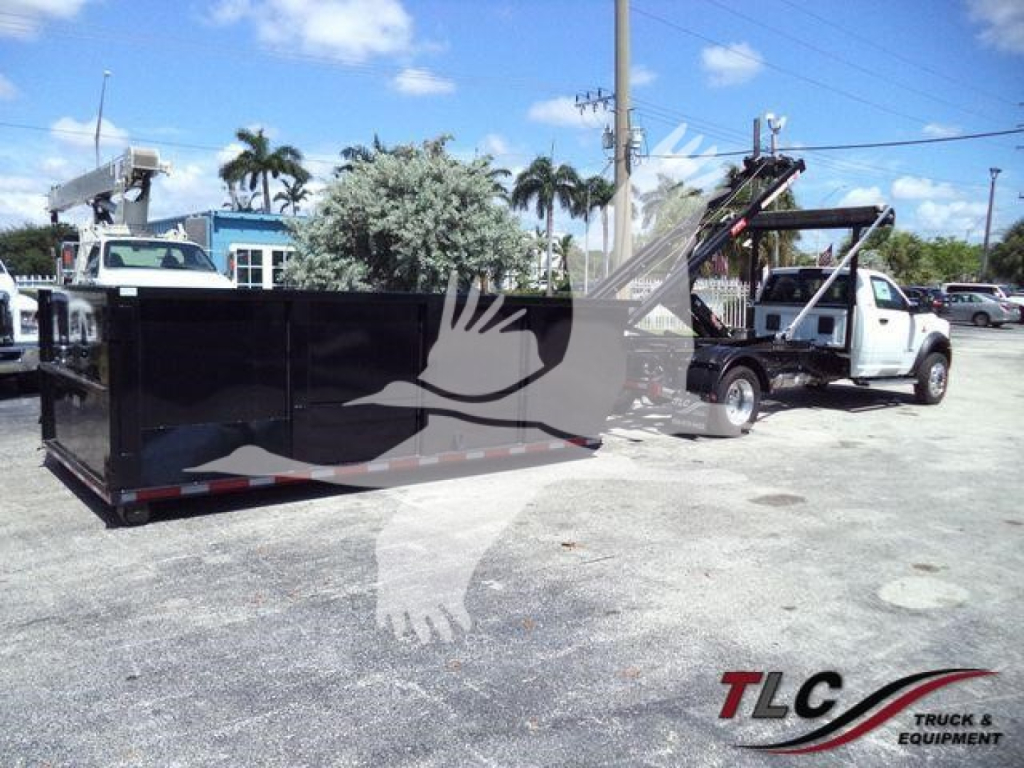
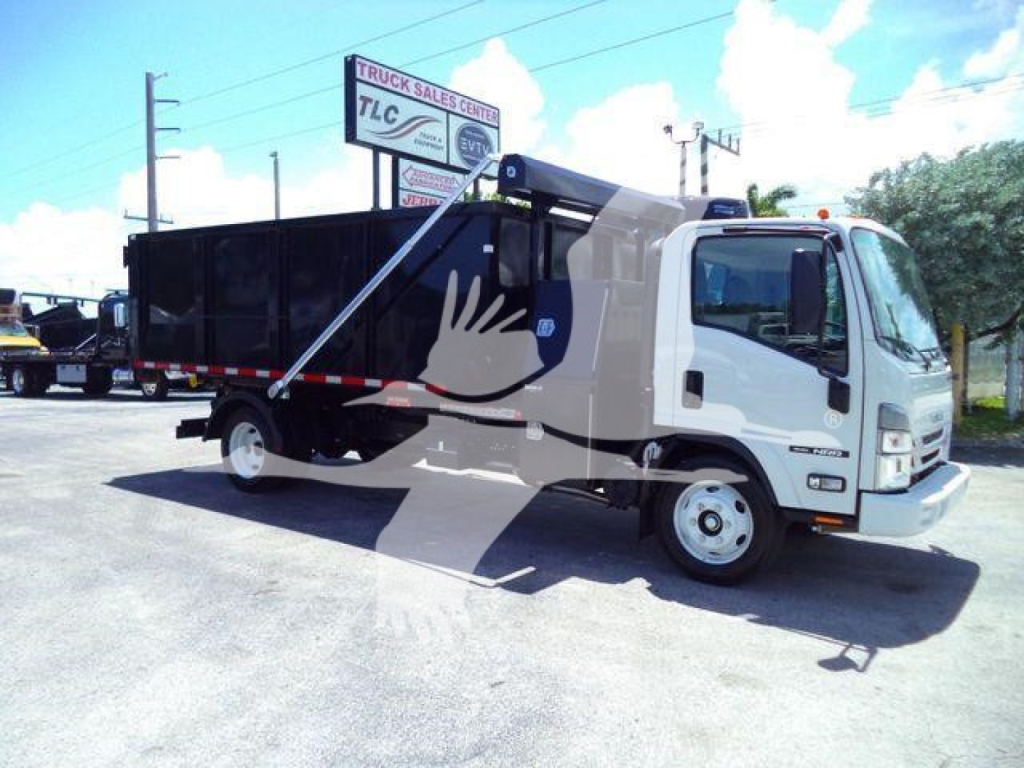
Selling a new 2024 rolloff truck? List your new 2024 rolloff truck for sale and reach thousands of commercial buyers.
New 2024 Rolloff Trucks in Florida
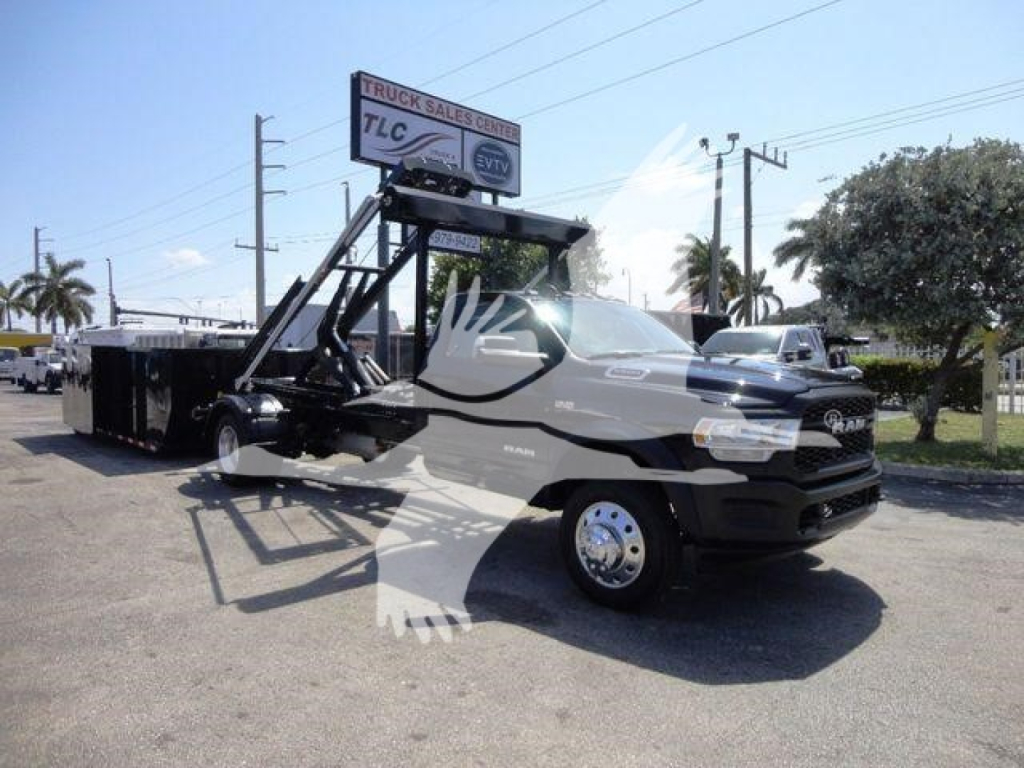
The first major decision is chassis size and CDL exposure. A 19,500 GVWR truck can be attractive for operators trying to stay in the non-CDL range while still carrying a serious hoist and container package. Common chassis in this segment include the Ram 5500, Ford F-550, Chevrolet Silverado 5500HD, Isuzu NRR, and heavier 6500HD models for buyers who need more payload headroom. Engine choice matters by route and duty cycle. Diesel platforms like the Cummins 6.7L and Duramax 6.6L are common for torque and towing, while gas engines such as the Ford 7.3L V8 or Isuzu/Chevrolet 6.6L gas can make sense for lower annual miles, simpler emissions concerns, and municipal-style stop-and-go operation.
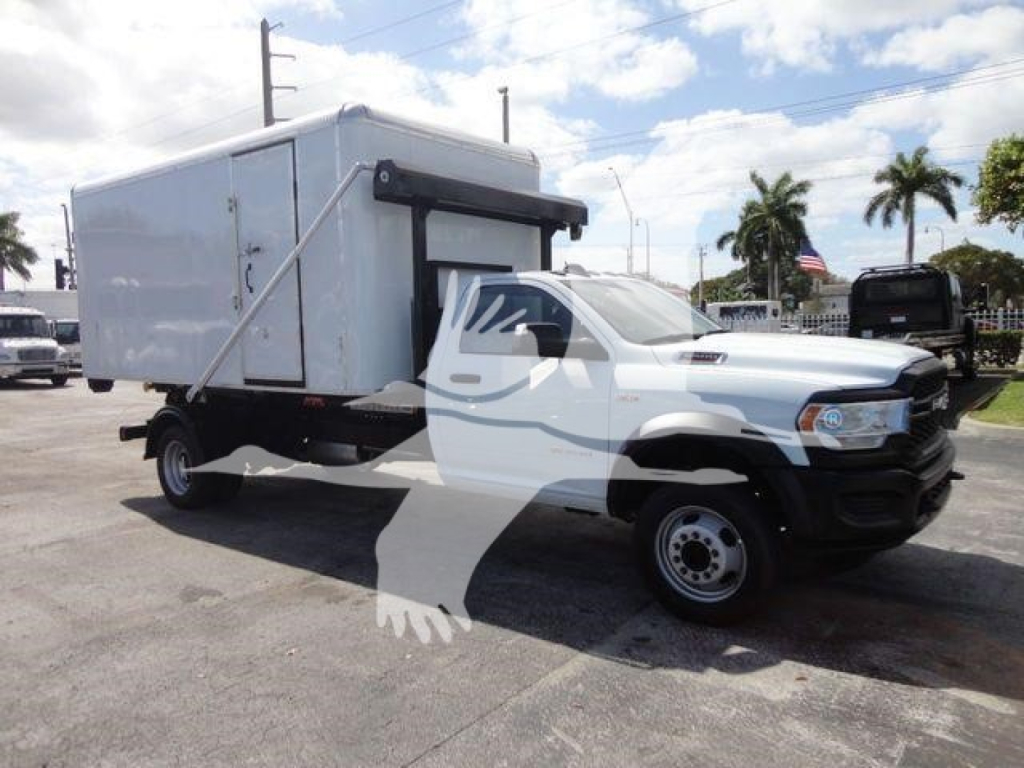
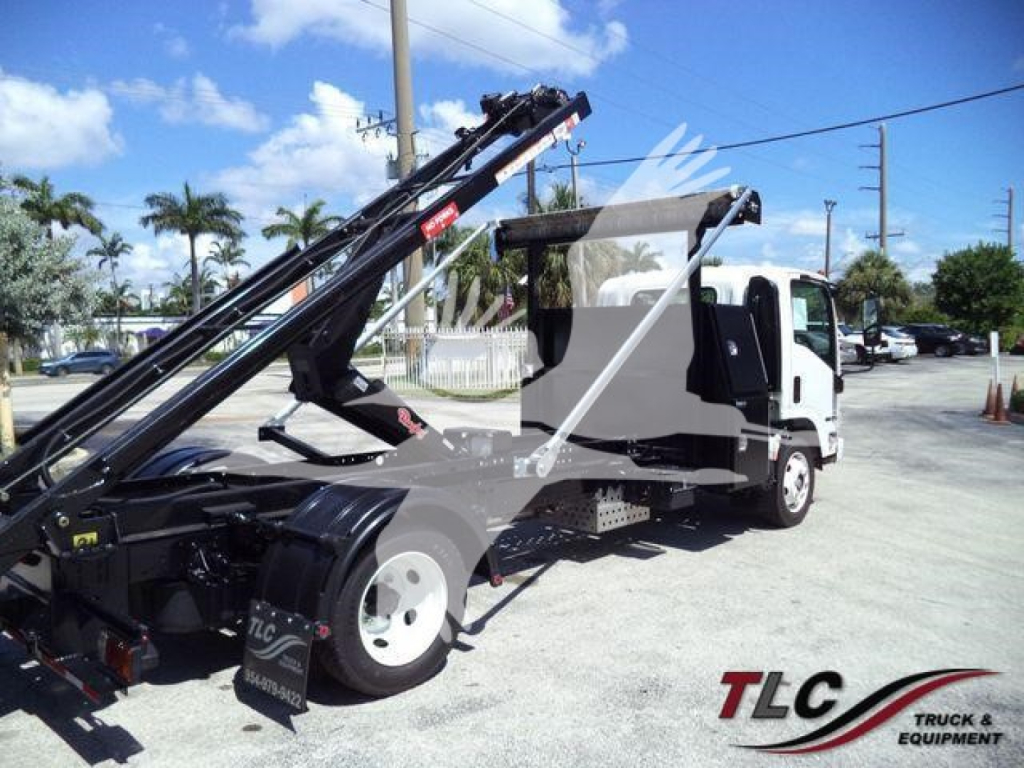
Most trucks in this category use an electric-over-hydraulic hoist with a winch and cable, typically paired with a 14-foot container around 8 feet wide and roughly 51-inch sides. Buyers should pay close attention to hoist rating, cable length, winch capacity, inside and outside controls, and how the body is mounted to the chassis. A full electric tarp system, receiver hitch, ICC bumper hitch, electric trailer brake wiring, and 7-way plug are common jobsite-friendly features. Container details matter too. Single swing rear doors, all-steel construction, powder coating, and toolbox placement all affect daily usability, cleanout time, and long-term corrosion resistance in Florida's humid and coastal conditions.
For Florida work, maneuverability, corrosion control, and uptime usually matter as much as raw capacity. A regular cab 4x2 truck is often the most efficient setup for urban service, tight driveways, and transfer station runs, while 4x4 may be worth the added cost for soft ground, storm debris, or rural properties. Buyers should match wheelbase, cab style, and body length carefully so the truck can load containers cleanly without sacrificing turning radius. The best rolloff truck is the one sized to your container fleet, driver requirements, disposal routes, and the material you haul most often.
Frequently Asked Questions about New 2024 Rolloff Trucks in Florida
What is the difference between a rolloff truck and a hooklift truck?
A rolloff truck in this size class typically uses a cable hoist and winch to pull a container onto rails, while a hooklift truck uses a hydraulic hook arm to lift and load compatible bodies. Cable rolloff systems are common on 14-foot interchangeable body trucks and are often simpler and cost-effective for debris boxes and trash containers. Hooklifts can offer faster body changes and broader body compatibility, but they require hooklift-specific containers.
Can a 2024 rolloff truck be operated without a CDL?
Some can. Many rolloff trucks are built on 19,500 GVWR chassis specifically to stay below the 26,001-pound threshold that usually triggers CDL requirements. That said, actual CDL exposure depends on the truck's GVWR, trailer use, combined weight, and state and federal rules. Buyers should verify the door sticker GVWR, intended payload, and any towing plans before assuming a truck is non-CDL.
What size container is common on a medium-duty rolloff truck?
A common setup is a 14-foot container with about 8-foot width and 51-inch sides. This size works well for landscape debris, construction cleanup, junk removal, and light demolition material. Container dimensions should always be matched to the hoist design, rail geometry, and the type of material being loaded, since bulky green waste and dense debris place very different demands on payload and volume.
Are diesel or gas engines better for rolloff truck service?
Diesel is usually preferred for heavier hauling, more frequent towing, and higher annual mileage because it delivers strong low-end torque and durability under load. Gas engines can be a smart choice for local fleets with shorter routes, lower yearly miles, and a focus on reducing upfront cost and simplifying maintenance. In stop-and-go work, the right choice depends on payload expectations, emissions tolerance, fuel cost, and how long the truck will be kept in service.
What features matter most on a new rolloff truck in Florida?
Corrosion resistance, tight turning radius, reliable hydraulic controls, and easy tarp operation are especially important in Florida. Salt air, humidity, and frequent rain can shorten body and electrical system life if the truck is not well protected. Buyers should look closely at powder-coated steel bodies, wiring protection, fender kits, toolbox placement, and whether the truck's size fits urban routes, gated communities, and transfer station traffic.