
New 2024 Rolloff Trucks For Sale
Shop new 2024 rolloff trucks built for waste, demolition, scrap, and container hauling with heavy-duty hoists, durable chassis, and jobsite-ready specs.
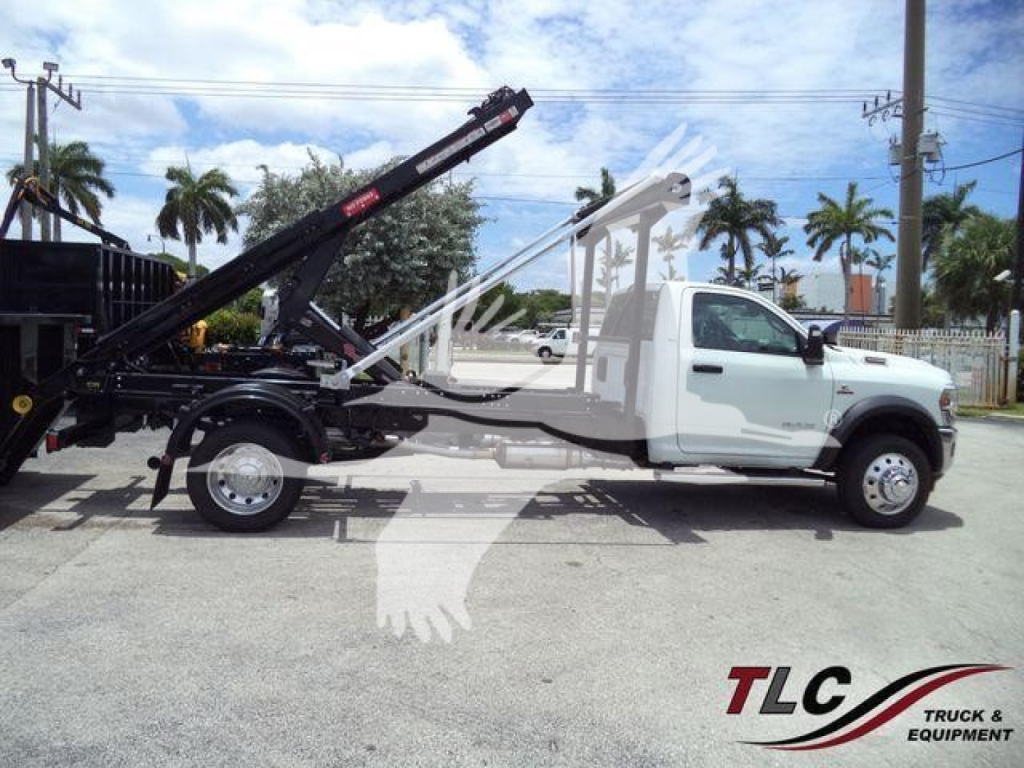
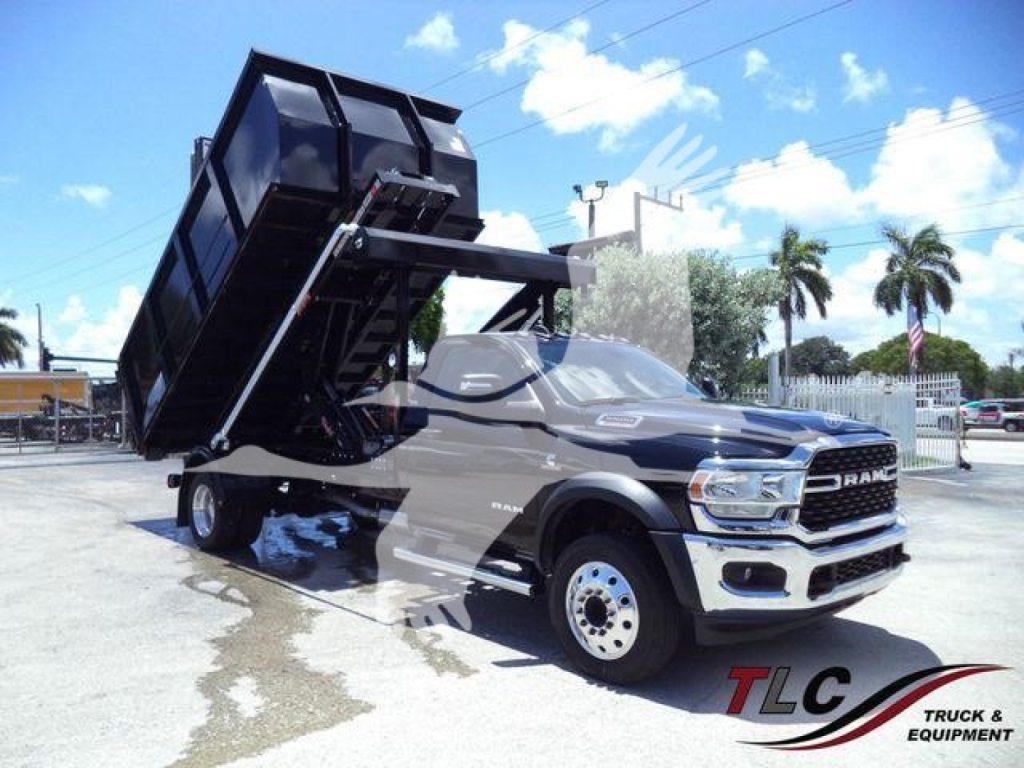
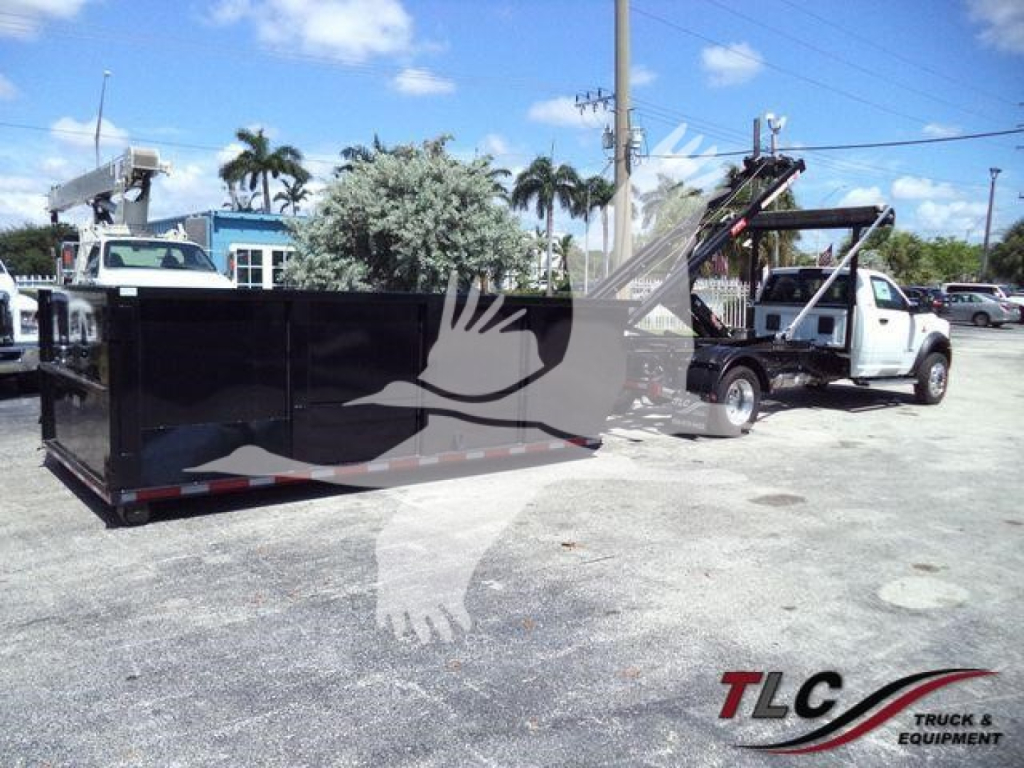
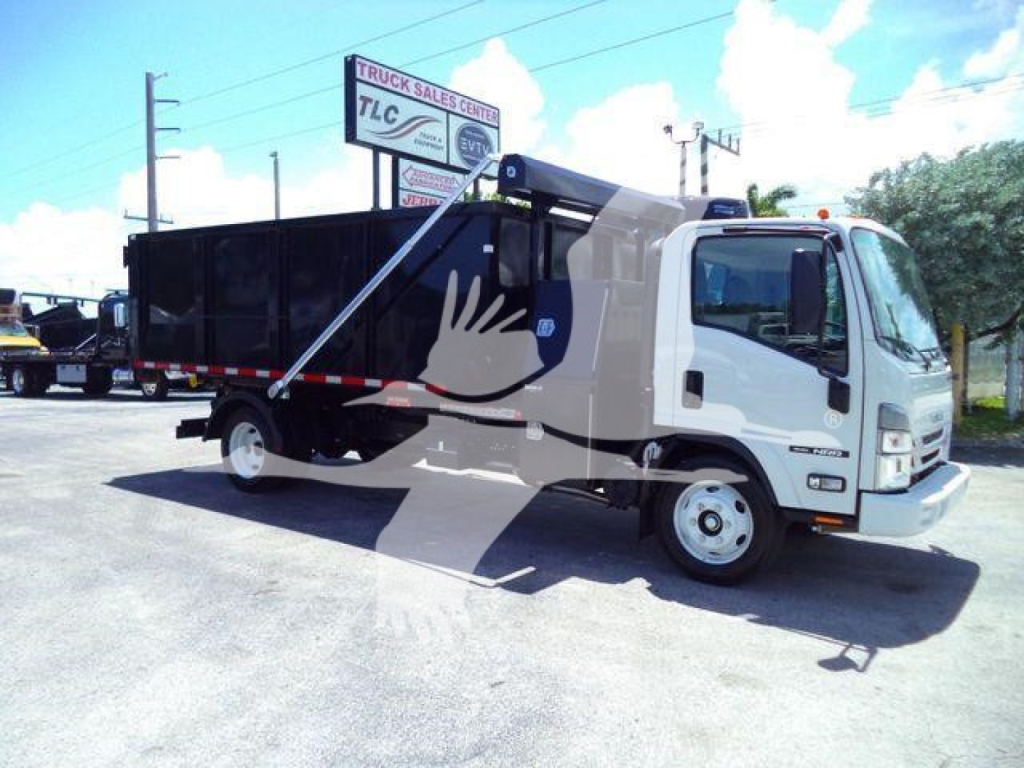
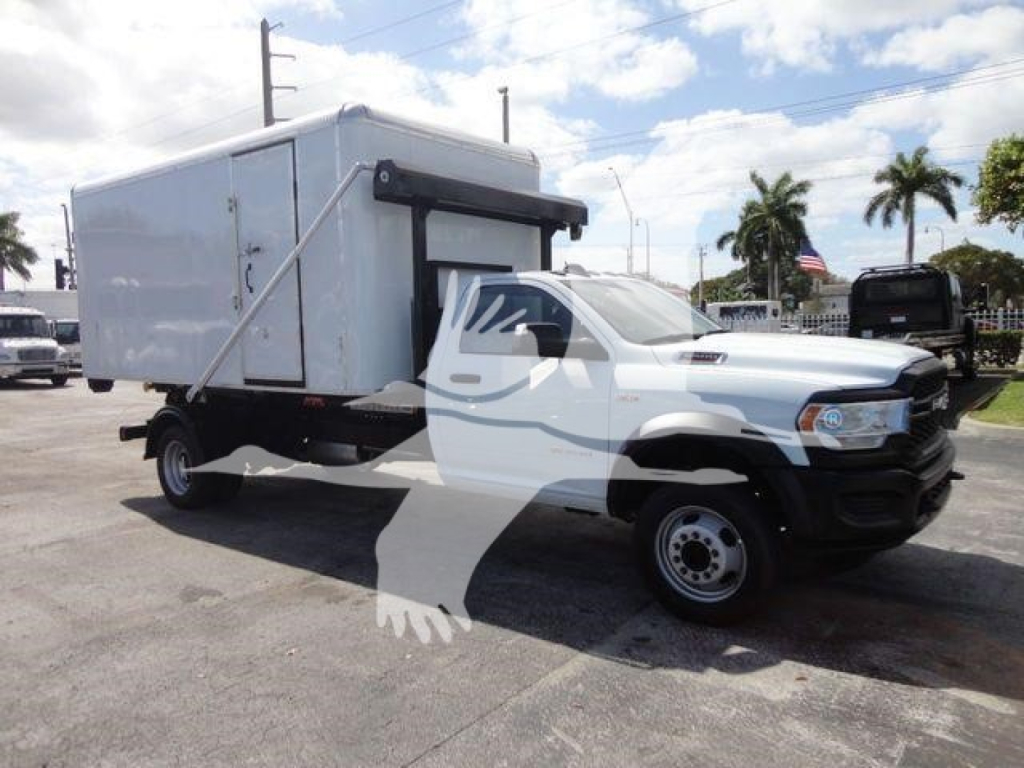
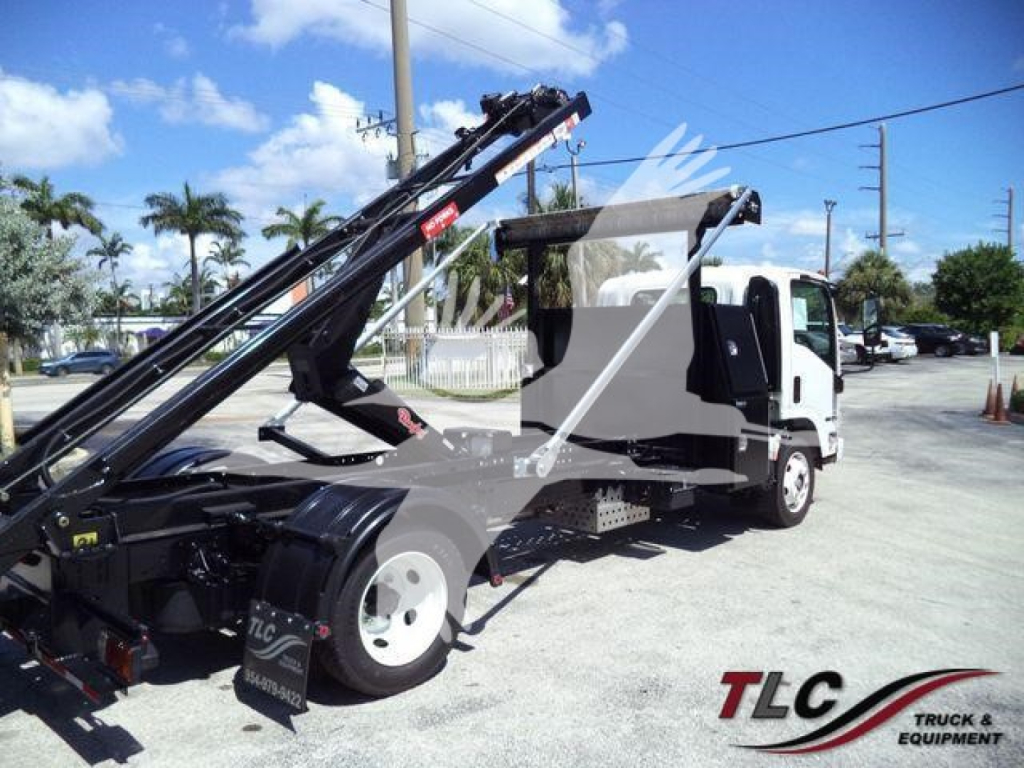
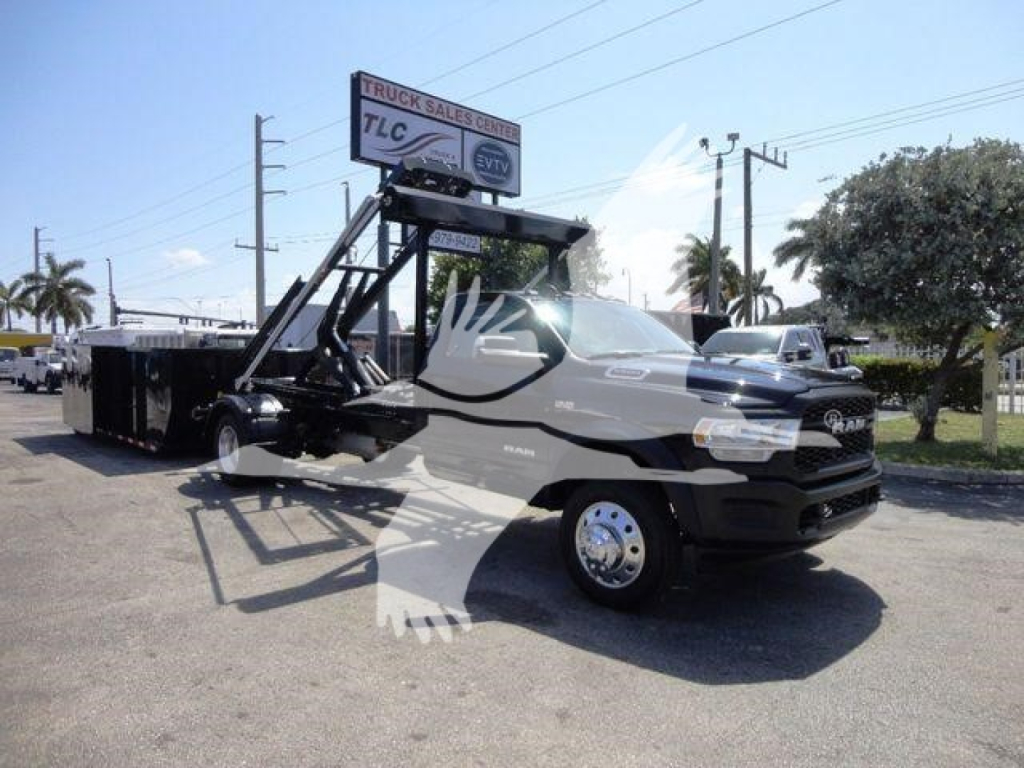
Selling a new 2024 rolloff truck? List your new 2024 rolloff truck for sale and reach thousands of commercial buyers.
New 2024 Rolloff Trucks
The most important spec decision is matching the truck chassis to the container size and material density you plan to haul. Class 8 rolloff trucks often run 20,000-lb front axles with 40,000-lb to 46,000-lb rears, paired with multileaf vocational suspension and automatic transmissions like an Allison 4500 RDS with PTO provisions. Engines in the 350 to 450 HP range are common because low-end torque matters more than highway speed in stop-and-go vocational work. Hoist ratings frequently land in the 60,000-lb to 75,000-lb range on heavier Mack Granite-style builds, while lighter-duty rolloff setups on medium-duty chassis may serve landscaping, junk removal, and small container routes with lower GVWR and shorter bodies. Wheelbase, overhang, and hoist geometry all affect container compatibility, load transfer, and maneuverability on tight urban jobs.
A buyer should pay close attention to the hydraulic and operational details because they directly affect uptime and operator efficiency. Outside-rail hoists remain popular for heavy containers and rough service, while cable systems, winch setup, gantry design, and body hold-downs all influence loading speed and container security. Features like auto tarpers, in-cab and exterior controls, pintle hitch arrangements, trailer brake wiring, toolboxes, LED work lighting, and fender packages matter on daily routes. If the truck will spend time on demolition sites or transfer stations, look closely at frame reinforcement, rear bumper design, container stops, and access to service points. For mixed fleets, standardizing on hoist brand, control layout, and common hydraulic components can simplify training and maintenance.
For 2024 buyers, the real question is not simply new versus used. It is whether the truck is spec'd for the containers, route density, and legal payloads your operation actually runs. A truck set up for 14-foot landscape boxes is a different tool than a tandem-axle rolloff handling dense demolition debris in 30-yard cans. The best rolloff trucks combine a durable vocational chassis, correctly rated hoist, dependable PTO-driven hydraulics, and practical operator features that reduce cycle time. When comparing listings, focus on hoist manufacturer, axle and suspension package, transmission, tarping system, and the intended container range first. Those are the details that determine long-term productivity more than paint, trim, or badge.
Frequently Asked Questions about New 2024 Rolloff Trucks
What is the difference between a rolloff truck and a hooklift truck?
A rolloff truck usually loads containers with a cable hoist or outside-rail hoist and is commonly used in waste, demolition, and scrap applications. A hooklift truck uses a hydraulic hook arm to pick up interchangeable bodies. Rolloff trucks are often preferred for heavier container work and higher-volume debris operations, while hooklifts are valued for body versatility. The two categories can overlap in buyer searches, but the loading system and container compatibility are different.
What hoist capacity is typical on a new rolloff truck?
Typical hoist capacity depends on chassis class and application. Medium-duty rolloff trucks used for landscaping, junk removal, or lighter waste service may run much lower capacity systems, while heavy tandem-axle vocational rolloff trucks commonly use hoists rated around 60,000 to 75,000 pounds. Buyers should match hoist rating to loaded container weight, material density, and the type of boxes being handled rather than choosing capacity by number alone.
Why are automatic transmissions so common in rolloff trucks?
Automatic transmissions are common because rolloff work involves frequent starts, stops, backing, PTO operation, and tight-site maneuvering. Units such as the Allison 4500 RDS are popular in vocational applications because they reduce driver fatigue, improve consistency across multiple operators, and generally work well with PTO-driven hydraulic systems. In urban or high-cycle container work, that operational simplicity can translate into better productivity and less wear from poor shifting technique.
What should I look for in a rolloff truck for demolition or waste hauling?
For demolition or waste hauling, focus on axle ratings, rear suspension, frame strength, hoist design, and hydraulic durability first. Heavy debris loads demand a chassis that can handle repeated stress, not just a high advertised hoist rating. It also helps to look for practical vocational features such as auto tarpers, reliable control placement, rear hold-downs, work lights, and a bumper or hitch setup that fits your operation. Container size range and legal payload in your region should drive the final spec.
Are medium-duty rolloff trucks a good fit for smaller container routes?
Yes, medium-duty rolloff trucks can be a strong fit for operators handling smaller cans, lighter debris, landscape material, or compact urban routes. They are generally easier to maneuver, may carry a lower acquisition cost, and can be better suited to residential or small commercial service. The tradeoff is lower GVWR, smaller hoist capacity, and less margin for dense materials. Buyers need to be realistic about box size, route frequency, and the actual weight of what they haul every day.