
New 2026 Freightliner Refrigerated Trucks For Sale in Georgia
Shop new 2026 Freightliner refrigerated trucks in Georgia. Compare M2 106 Plus reefer specs, body lengths, GVWR, and cold-chain features.
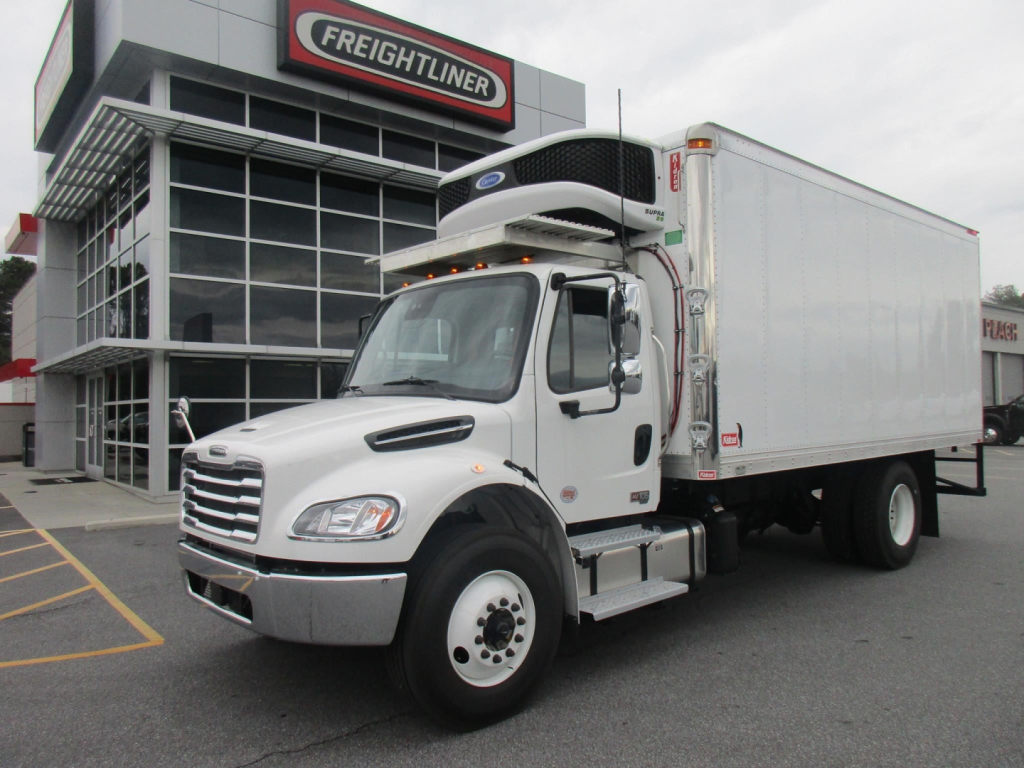
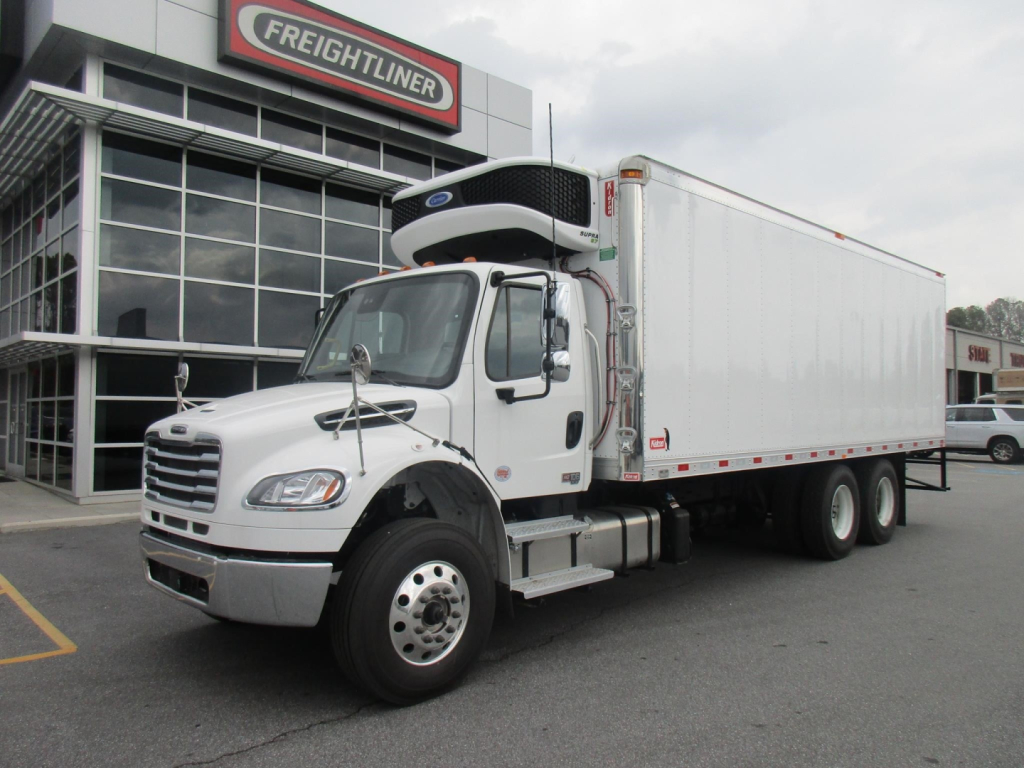
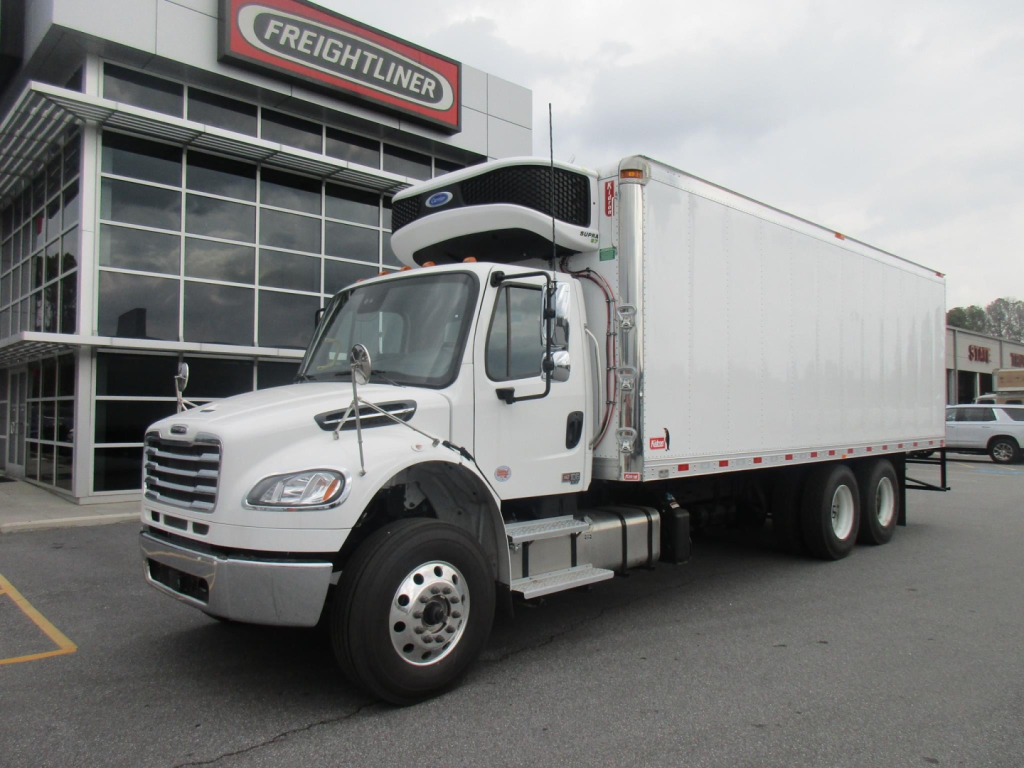
Selling a new 2026 freightliner refrigerated truck? List your new 2026 freightliner refrigerated truck for sale and reach thousands of commercial buyers.
New 2026 Freightliner Refrigerated Trucks in Georgia
The first decision for most buyers is body length and refrigeration capacity. In this category, 18-foot and 24-foot insulated bodies are common, with spec differences that directly affect route density, dock access, and payload. Shorter reefer bodies are easier in tight urban deliveries and multi-stop retail work. Longer 24-foot bodies typically support higher cube and pallet count for wholesale and food distribution. Buyers should look closely at insulation package, evaporator layout, floor construction, and door configuration. Features such as wood floors with forklift package, E-track, walk ramps, and locking roll-up doors can make a major difference in real-world loading speed and trailer replacement value for final-mile cold-chain operations.
On the chassis side, 2026 Freightliner refrigerated trucks in this class are often built around the Cummins B6.7 or Cummins L9 paired with Allison automatic transmissions such as the 2500HS or 3000HS. The B6.7 generally suits lighter local delivery applications where lower curb weight and operating efficiency are priorities. The L9 is better matched to larger bodies, heavier payloads, tandem setups, and routes that need stronger gradeability and acceleration under load. Pay attention to axle ratings, suspension type, wheelbase, and cab-to-axle dimensions because those numbers determine body compatibility and legal payload. Tandem rear axle specs, air-ride suspension, and GVWRs into the 50,000-pound range can be important for operators handling dense freight or larger reefer bodies.
Reefer unit selection deserves the same scrutiny as the truck itself. Carrier Supra units are common in this segment and should be evaluated for temperature pull-down performance, noise profile, maintenance intervals, and service support in your operating area. For buyers running strict product temperature requirements, confirm setpoint range, insulation integrity, door seal quality, and any standby or multi-temp needs before comparing prices. New Freightliner refrigerated trucks also commonly include modern safety systems such as collision mitigation, adaptive cruise control, lane departure warning, side object detection, and backup cameras. Those features matter on urban routes with frequent lane changes, pedestrians, and tight docks, and they can also help with driver retention and insurance conversations.
Frequently Asked Questions about New 2026 Freightliner Refrigerated Trucks in Georgia
What is the best body length for a Freightliner refrigerated truck?
The best body length depends on route structure, pallet count, and delivery environment. An 18-foot reefer body is typically easier to maneuver in urban streets, alleys, and crowded retail docks, making it a strong choice for local multi-stop work. A 24-foot body usually provides better cube and pallet capacity for wholesale, grocery, and foodservice routes, but it requires more attention to turning radius, dock space, and bridge or parking constraints.
What is the difference between the Cummins B6.7 and Cummins L9 in a reefer truck?
The Cummins B6.7 is generally used in lighter medium-duty refrigerated truck applications where efficiency, lower weight, and local delivery performance are the priority. The Cummins L9 offers more horsepower and torque, which better supports larger insulated bodies, heavier payloads, tandem axle configurations, and routes with more sustained highway use or grades. Engine choice should match body size, gross vehicle weight, and the density of the product being hauled.
What should buyers check on the refrigerated body itself?
The refrigerated body deserves a full spec review because insulation and cargo handling features directly affect operating performance. Buyers should verify body length, wall and roof insulation package, floor construction, door style, interior width and height, evaporator placement, and the condition or design of door seals. Cargo-control details such as E-track, scuff liners, forklift package flooring, and walk ramps also matter because they affect loading speed, product security, and resistance to daily abuse.
Are tandem axle refrigerated trucks worth considering?
Tandem axle refrigerated trucks are worth considering when payload, body length, or route demands exceed what a single axle chassis handles efficiently. They can support higher GVWR, better weight distribution, and improved stability with larger reefer bodies. The tradeoff is typically higher acquisition cost, more tire and brake maintenance, and a larger turning footprint, so the benefit is strongest for operators hauling dense product or running larger 24-foot bodies regularly.
Which safety features matter most on a new refrigerated delivery truck?
For refrigerated delivery work, the most valuable safety features are usually collision mitigation, adaptive cruise control, lane departure warning, side object detection, and a quality backup camera system. Reefer trucks spend a lot of time in traffic, backing into tight docks, and making frequent stops, so visibility and active driver-assist systems can reduce minor accidents and improve confidence behind the wheel. These features also add value for fleets focused on driver retention, training support, and risk management.