
Refrigerated Trucks For Sale in Florida
Shop refrigerated trucks for food, floral, pharma, and cold-chain delivery. Compare reefer bodies, GVWR, liftgates, ramps, and unit specs.
Learn more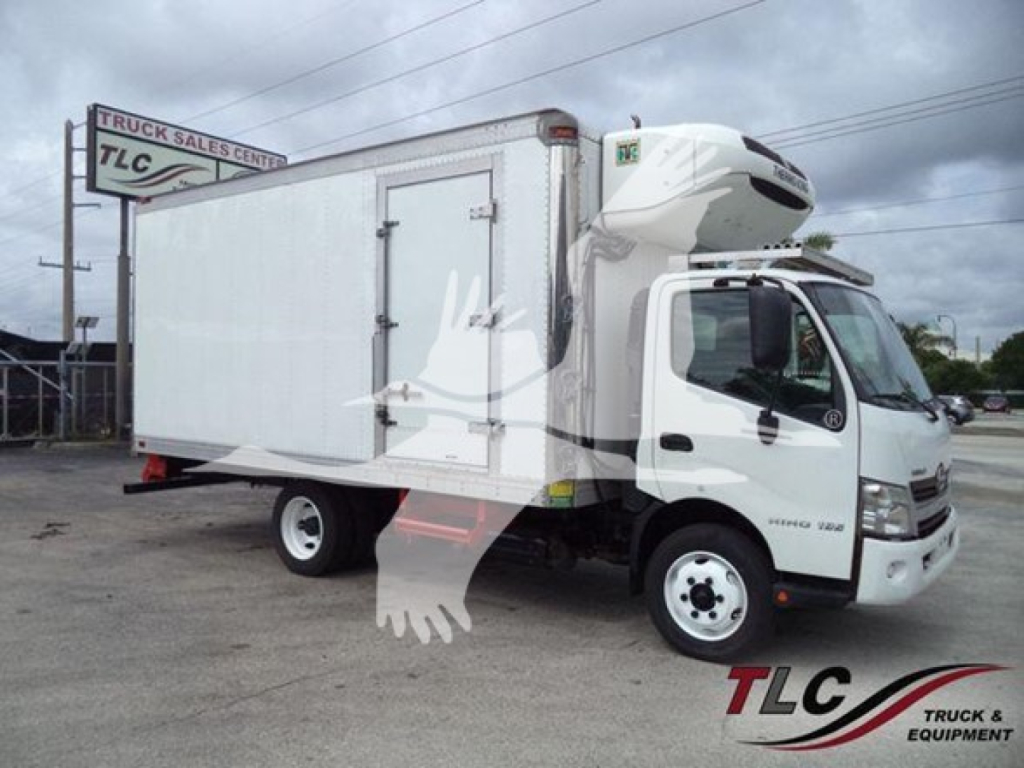
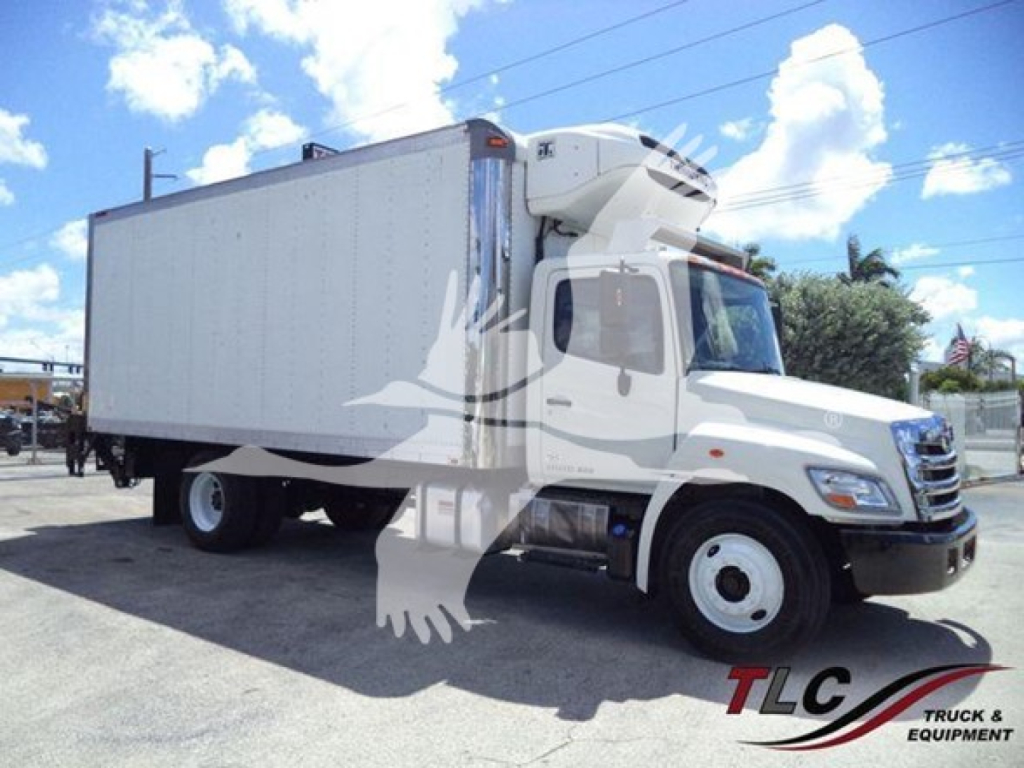
Showing 13 to 14 of 14 results
Have refrigerated truck to sell? List it here to reach thousands of buyers.
About Refrigerated Trucks in Florida
One of the biggest buying decisions is GVWR. Many refrigerated trucks are spec'd just under CDL threshold at 25,950 lbs, which is popular for urban and regional delivery because it broadens the driver pool while still supporting a useful payload. Heavier Class 7 trucks around 33,000 lbs GVWR offer more carrying capacity and are common when the body is longer, the reefer unit is larger, or liftgate use is frequent. Typical powertrains include diesel engines paired with Allison automatic transmissions, plus air brakes on larger specs. A buyer comparing trucks in this category should look closely at body length, axle rating, fuel capacity, and the weight of the refrigeration unit and liftgate, since every add-on reduces available payload.
The reefer unit itself deserves the closest inspection. Common medium-duty units such as Carrier Supra and Thermo King T-series models are designed for multi-stop distribution, rapid pull-down, and stable temperature recovery after repeated door openings. If the truck will handle frozen freight, not just chilled product, confirm the unit's low-temp capability and inspect insulation thickness, bulkhead condition, and door closure integrity. In Florida service, strong reefer performance at idle and during frequent stop-and-go operation is especially important. Runtime hours, maintenance history, compressor condition, and evidence of consistent preventive service matter as much as truck mileage.
Body access and unloading equipment should match the route. Roll-up rear doors are common for dock work, while curb-side doors help on hand-delivery routes. Tuck-under liftgates are preferred for palletized product and cities with limited dock access, while pull-out or roll-out ramps fit lighter carts and hand trucks. Inside the box, buyers should check for scuffed liner panels, damaged flooring, drainage issues, and signs of prior moisture intrusion. A good refrigerated truck is not just a box with a cold unit mounted on the front. It is a complete delivery system where chassis spec, reefer performance, insulation quality, and unloading setup all have to match the freight and the route.
Frequently Asked Questions
What GVWR is most common for refrigerated box trucks?
A common sweet spot is 25,950 lbs GVWR because it stays under the federal CDL threshold while still allowing a practical payload for local and regional cold-chain delivery. Heavier refrigerated trucks around 33,000 lbs GVWR are also common when operators need more payload, a longer body, or a larger liftgate and reefer package. The right choice depends on cargo weight, route density, and whether driver availability is a bigger concern than maximum capacity.
What should I inspect first on a used refrigerated truck?
Start with the refrigeration unit, insulated body, and door seals before focusing only on engine mileage. Verify the reefer reaches and holds setpoint, review engine hours on the unit, and inspect maintenance records for regular service. Then look for wall delamination, damaged scuff liners, floor wear, moisture intrusion, and poor door sealing. A sound chassis matters, but cold retention problems in the box can be expensive and harder to correct than many standard truck repairs.
Are Thermo King and Carrier reefer units both common on refrigerated trucks?
Yes. Thermo King and Carrier are two of the most common refrigeration unit brands found on refrigerated straight trucks. Both are widely used in multi-stop delivery applications and both have strong parts and service support in many markets. Buyers usually compare model size, cooling capacity, runtime hours, control features, and local service access more than brand name alone.
Is a liftgate or a ramp better on a reefer truck?
It depends on how the truck is unloaded. A tuck-under liftgate is usually the better fit for palletized freight, heavier product, and deliveries without dock access. A pull-out or roll-out ramp works well for hand trucks, carts, and lighter route work. Liftgates add flexibility but also add weight and reduce available payload, so the unloading method should be matched to the freight profile.
Why does Florida use put extra demands on refrigerated trucks?
Florida heat, humidity, traffic, and frequent stop-and-go delivery cycles all increase the workload on the refrigeration unit and make body integrity more important. Every door opening introduces warm, moist air, so trucks running local routes need strong temperature recovery and tight door seals. Buyers in this market should pay close attention to insulation condition, reefer service history, and the truck's ability to maintain setpoint during repeated urban stops.