
2015 Refrigerated Trucks For Sale in Florida
Shop 2015 refrigerated trucks in Florida. Compare reefer box truck specs, body lengths, cooling units, liftgates, and under-CDL options.
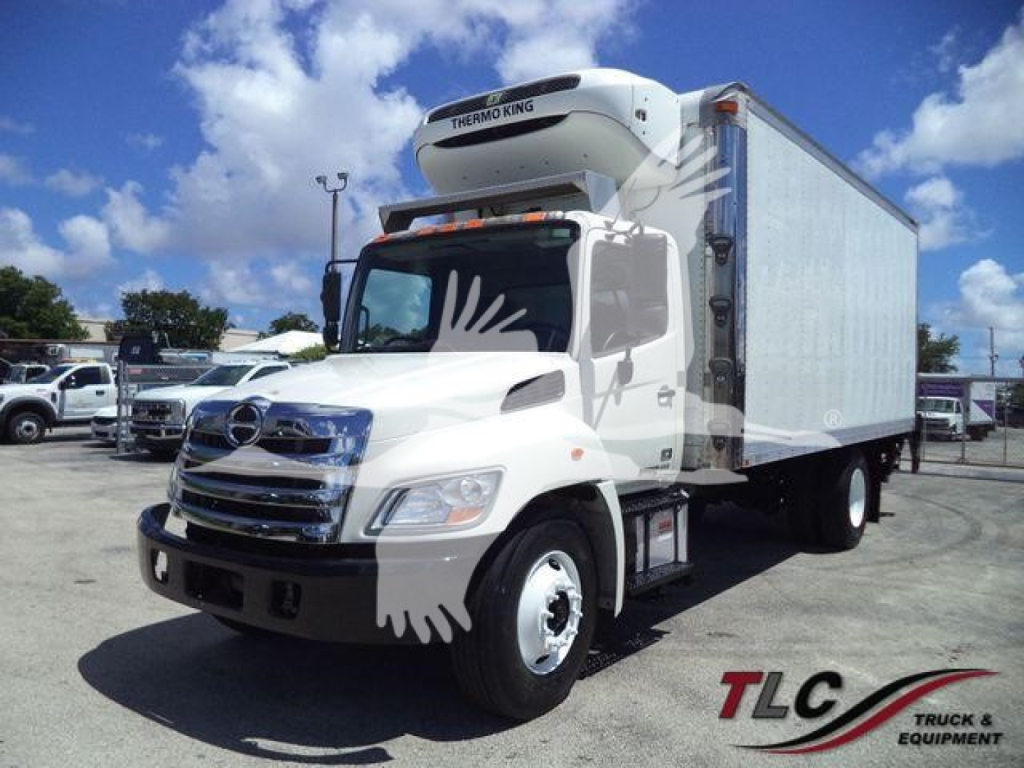
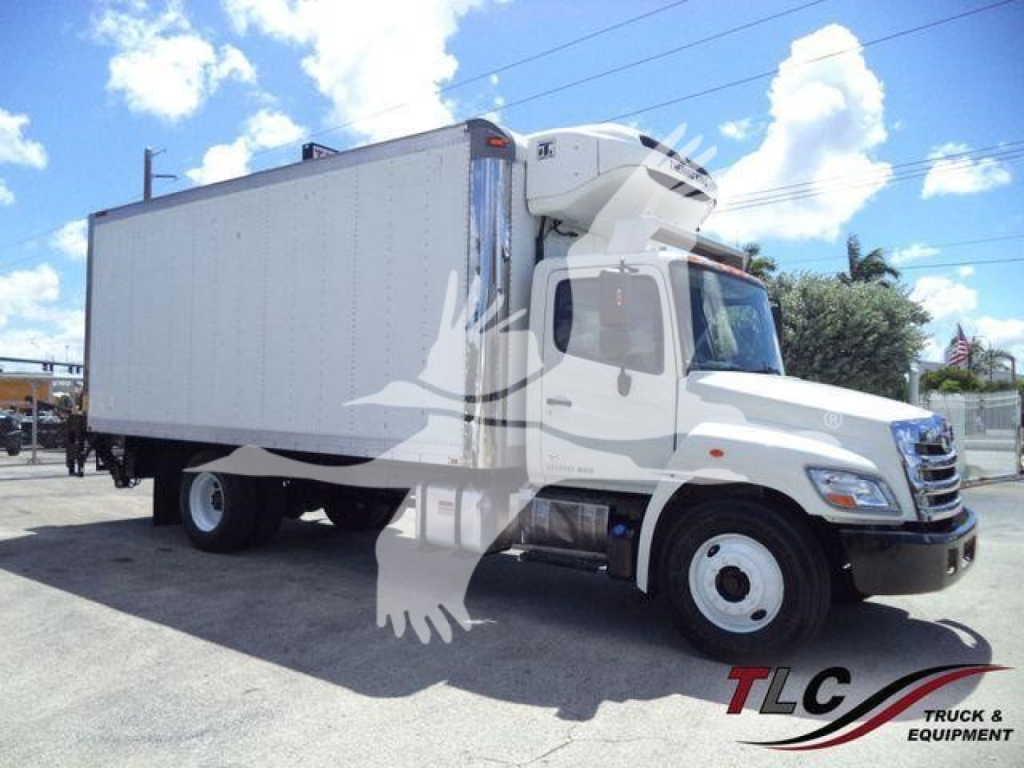
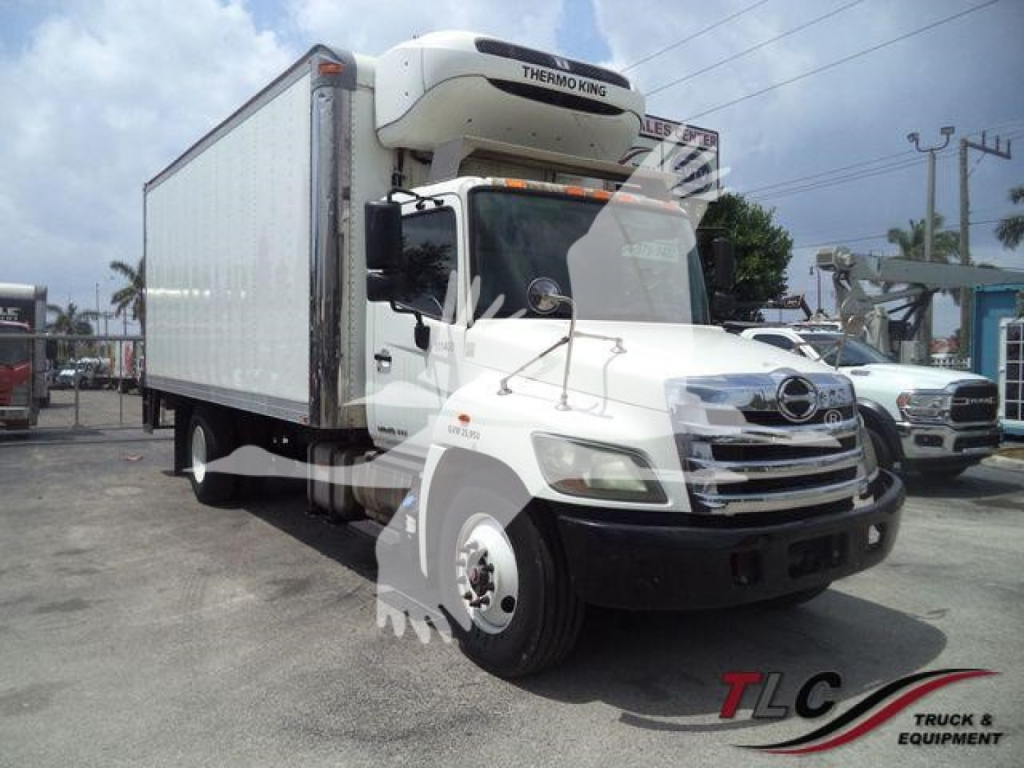
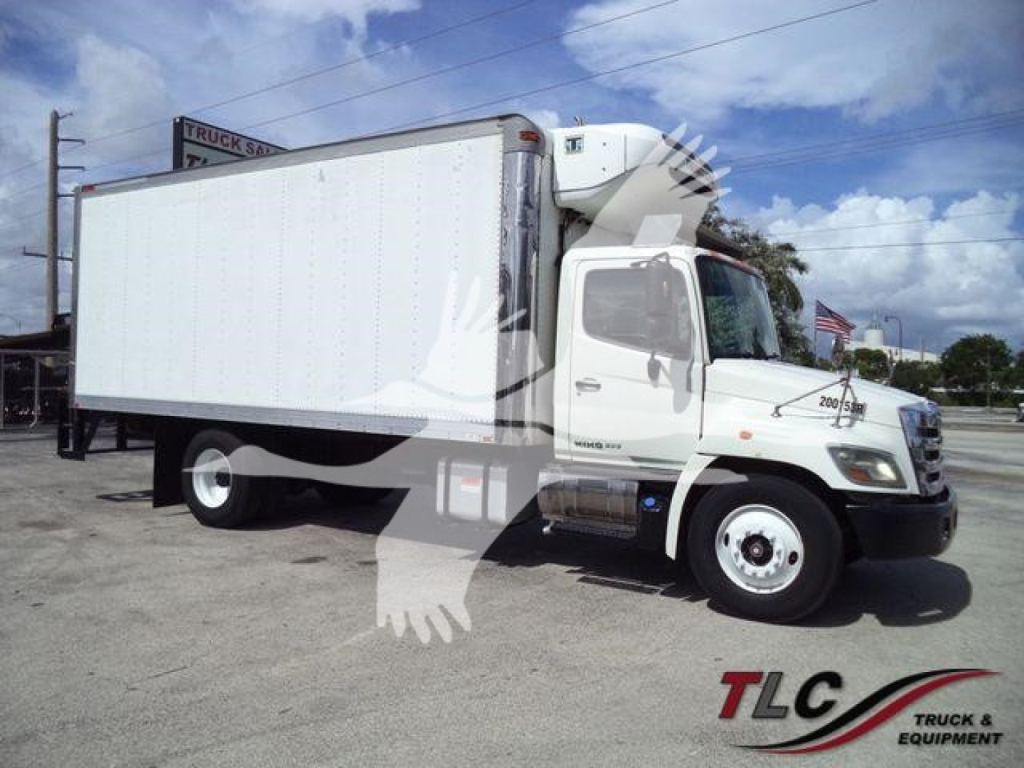
Selling a 2015 refrigerated truck? List your 2015 refrigerated truck for sale and reach thousands of commercial buyers.
2015 Refrigerated Trucks in Florida
One of the main buying decisions is GVWR and license requirements. Many 2015 refrigerated trucks fall in the 19,500 to 25,950 lb GVWR range, which can keep the truck under CDL thresholds depending on the exact spec and local operating requirements. That makes them attractive for city delivery fleets and private operators who want commercial capability without moving into a heavier class. Automatic transmissions are common in this category, and diesel engines in the 4-cylinder and 6-cylinder range are typical. Buyers should look closely at axle ratings, fuel capacity, wheelbase, and body length to make sure the truck can carry the intended product mix without sacrificing maneuverability at docks, alleys, or retail delivery points.
The refrigeration unit deserves the closest inspection. Common systems on 2015 reefer trucks include Thermo King and Carrier truck units, and unit condition should be evaluated by hours, maintenance history, pull-down performance, and the ability to hold setpoint under load. A truck used for frozen product needs a different standard than one hauling chilled beverages or produce. It also helps to confirm if the body has a liftgate, pull-out ramp, or roll-up rear door, since these features directly affect route speed and labor requirements. Scuffed interior lining, soft spots in the floor, damaged drains, and poor door alignment can all point to higher operating costs later.
For Florida buyers, corrosion is usually less about road salt and more about coastal exposure, humidity, and constant thermal cycling. Check the subframe, body mounts, crossmembers, and reefer unit mounting area for rust, cracking, or repairs. Also verify that the unit’s service network is strong in the lanes you run, since downtime on a refrigerated truck is far more expensive than downtime on a dry van box truck. A well-matched 2015 reefer truck can still be a strong local and regional asset if the chassis, insulated body, and refrigeration system have been maintained as one package rather than as separate components.
Frequently Asked Questions about 2015 Refrigerated Trucks in Florida
What should I check first on a 2015 refrigerated truck?
Start with the refrigeration unit, not just the chassis mileage. Confirm the reefer can pull down to the required temperature, hold setpoint consistently, and cycle properly under load. Review reefer hours, service records, compressor condition, evaporator cleanliness, and door seal integrity. After that, inspect the insulated box for floor damage, moisture intrusion, soft walls, and rear door wear, because body condition has a direct effect on temperature retention and operating cost.
Are most 2015 refrigerated trucks under CDL?
Many are, but not all. A large share of 2015 reefer box trucks are spec'd at 19,500 lb or 25,950 lb GVWR, which often keeps them under the 26,001 lb federal CDL threshold. Buyers still need to verify the exact GVWR on the door tag and confirm any state, route, or operational requirements that may still apply. Payload, body length, and refrigeration equipment weight should also be considered, since a truck can be under CDL and still be limited on legal carrying capacity.
Which is better for a reefer truck, a liftgate or a pull-out ramp?
It depends on the delivery environment and product weight. A liftgate is usually the better choice for palletized freight, heavier stops, and operations using electric pallet jacks or hand trucks. A pull-out ramp works well for lighter delivery work, carts, and frequent stop-and-go service where simplicity matters. On a 2015 refrigerated truck, buyers should inspect either setup for structural wear, corrosion, hinge condition, and proper operation, because rear access equipment takes constant abuse in local delivery service.
How important are reefer hours on a used 2015 refrigerated truck?
Reefer hours matter as much as engine miles, and in some cases more. The refrigeration unit has its own service life, maintenance intervals, and wear points separate from the truck chassis. High hours are not automatically a problem if the unit has documented maintenance and strong performance, but neglected units can become expensive quickly. A buyer should compare reefer hours with the truck’s age, application, and service history to judge whether the unit was used normally or has seen unusually hard duty.
What body size is most common for a 2015 refrigerated truck?
Common body lengths in this model year are 16, 20, 24, and 26 feet. A 16-foot reefer truck is often chosen for urban routes and tight delivery zones, while 20-foot and 26-foot bodies are common for broader local distribution and higher cube requirements. The right length depends on dock access, pallet count, product density, and turning radius needs. In refrigerated service, the best body size is not always the largest one, because extra box space that is rarely used can add weight, reduce maneuverability, and increase cooling load.