
Used Peterbilt Trucks For Sale in Florida
Shop used Peterbilt trucks for sale in Florida, including medium-duty, cabover, rollback, tow, and vocational models with diesel power.
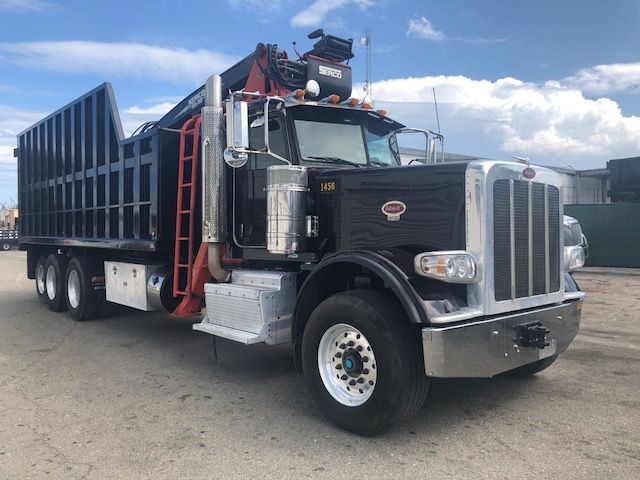
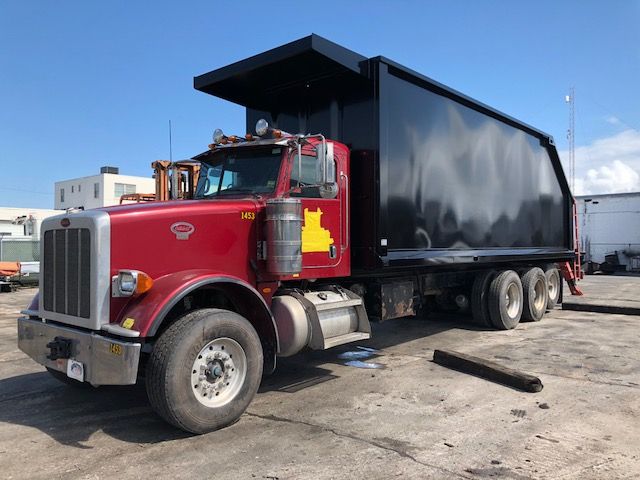
Showing 29 to 38 of 38 results
Selling a used peterbilt truck? List your used peterbilt truck for sale and reach thousands of commercial buyers.
Used Peterbilt Trucks in Florida
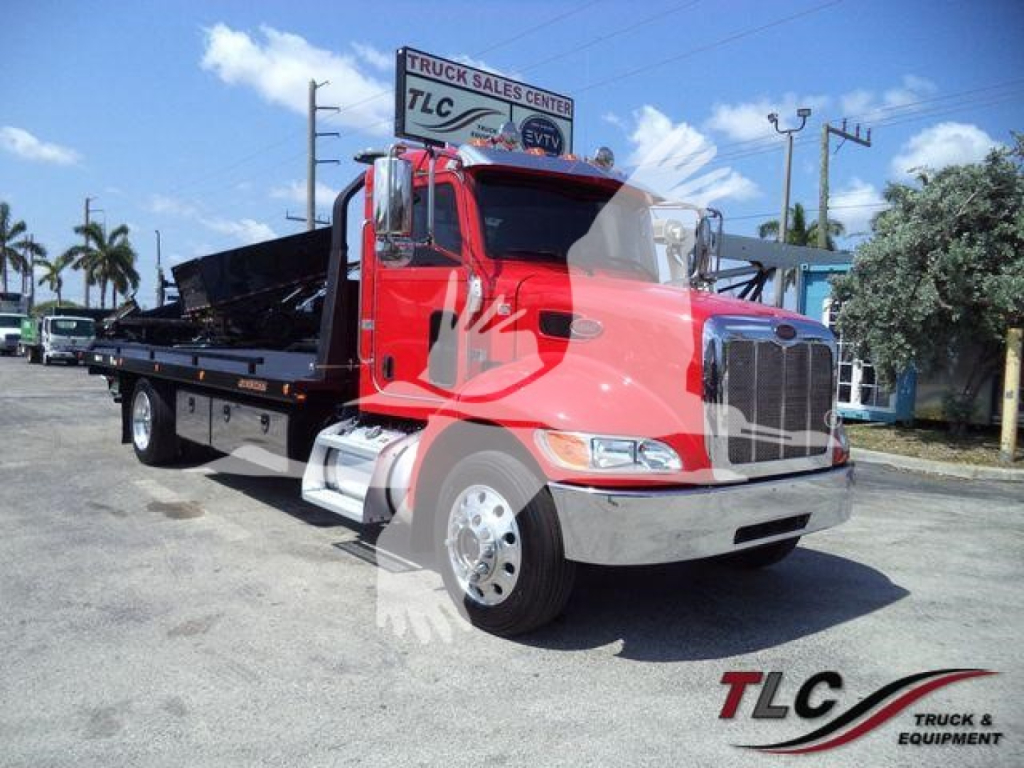
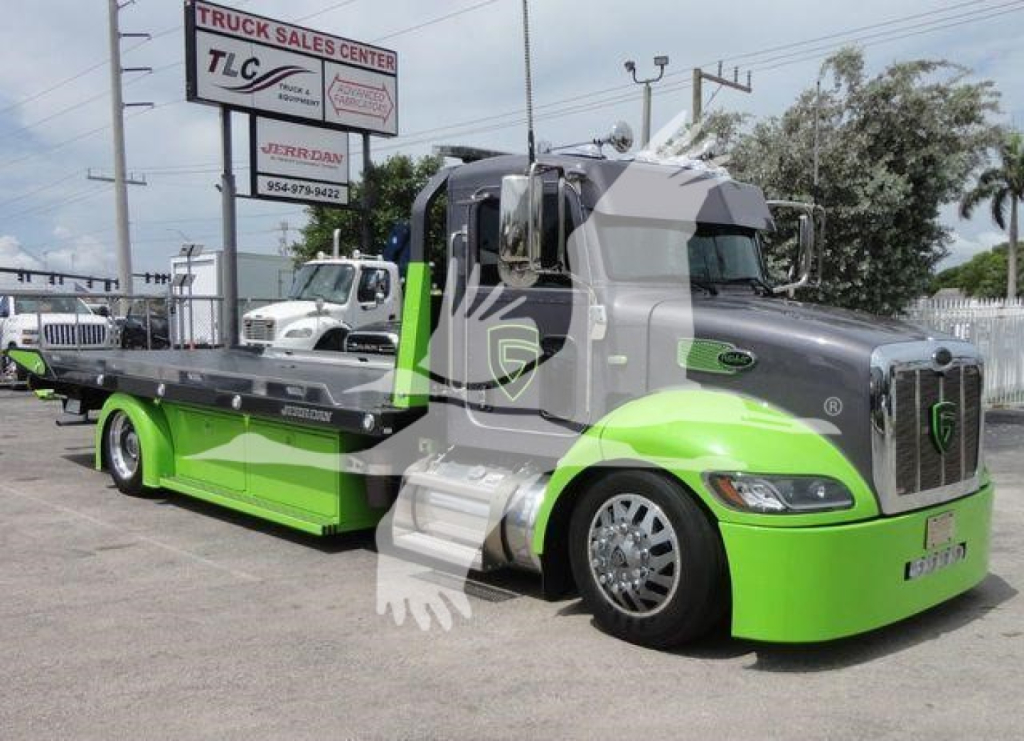
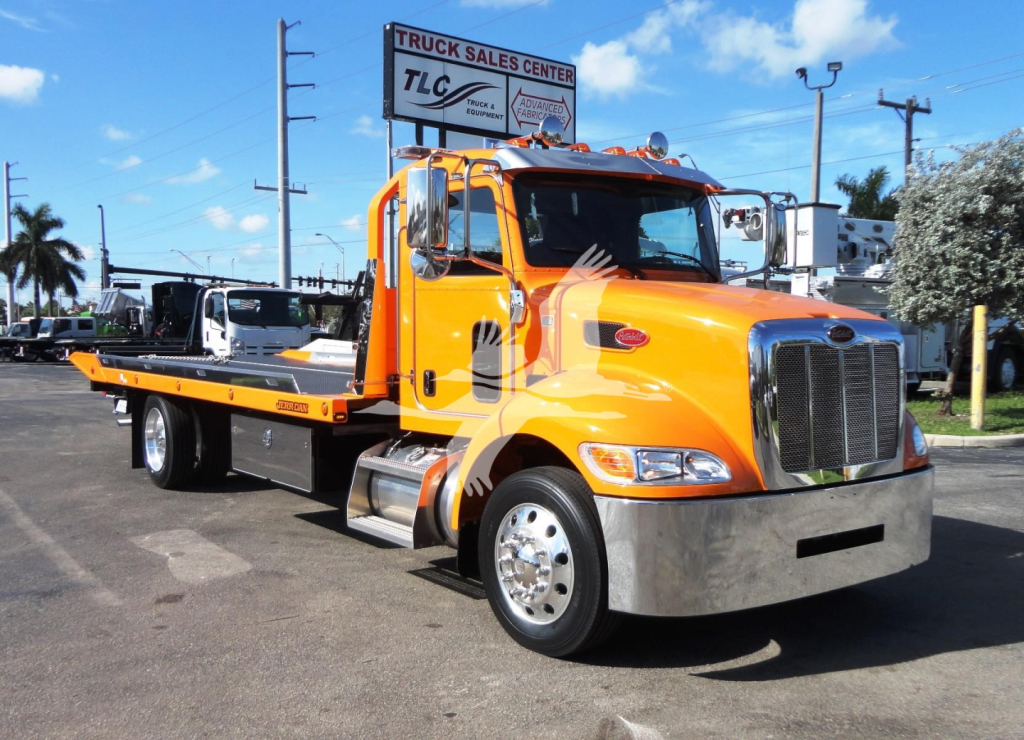
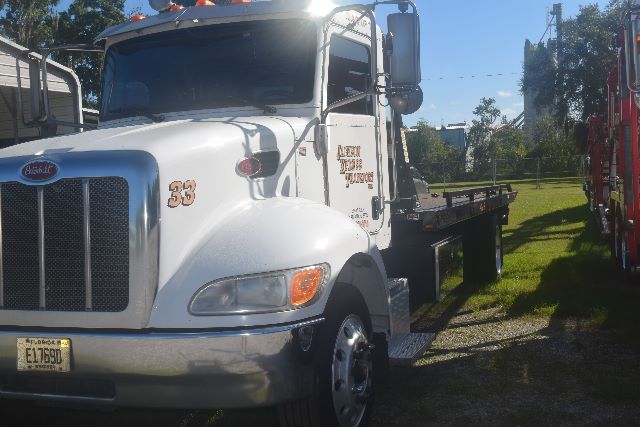
For Florida buyers, the job matters more than the badge on the hood. A Peterbilt 337 is commonly spec'd as a rollback tow truck, carrier, flatbed tow truck, or wrecker platform, often with a Cummins diesel, Allison automatic transmission, air brakes, and air ride suspension. Those specs are popular because they fit stop-and-go service, municipal routes, equipment hauling, and recovery work without stepping into a full Class 8 chassis. If the truck will spend most of its life in tighter streets, ports, or commercial districts, a Peterbilt 220 cabover can make sense because the shorter overall length improves visibility and turning radius. For heavier towing or higher GVWR applications, the Peterbilt 567 brings more axle, frame, suspension, and powertrain capacity, often with larger Cummins engines, manual or automated transmissions, PTO capability, and double-frame configurations.
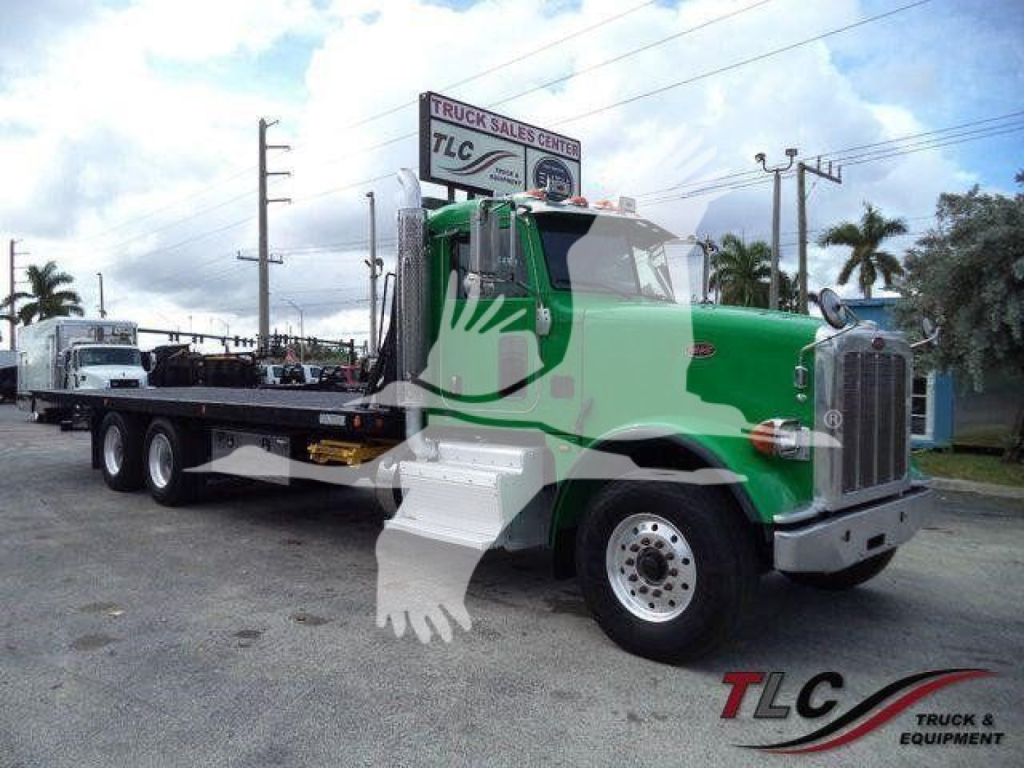
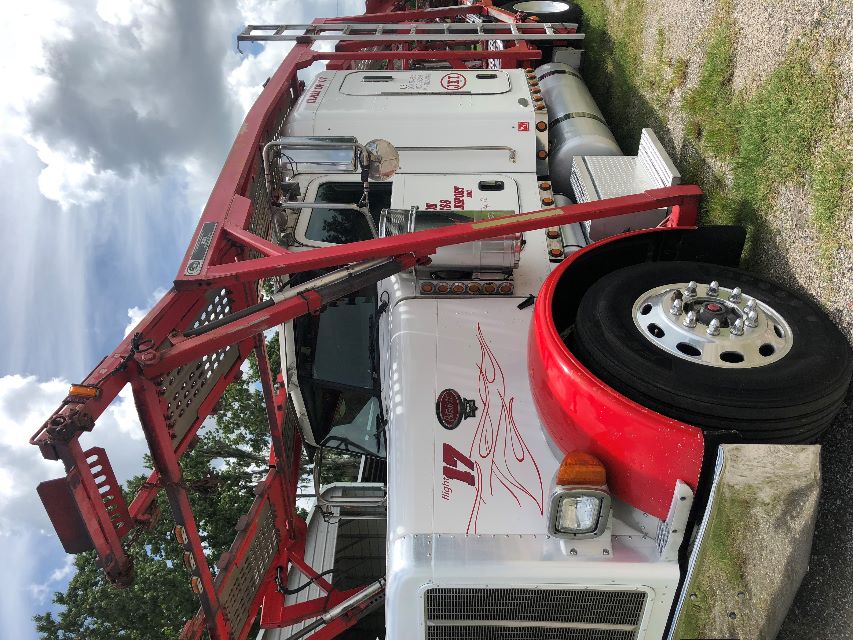
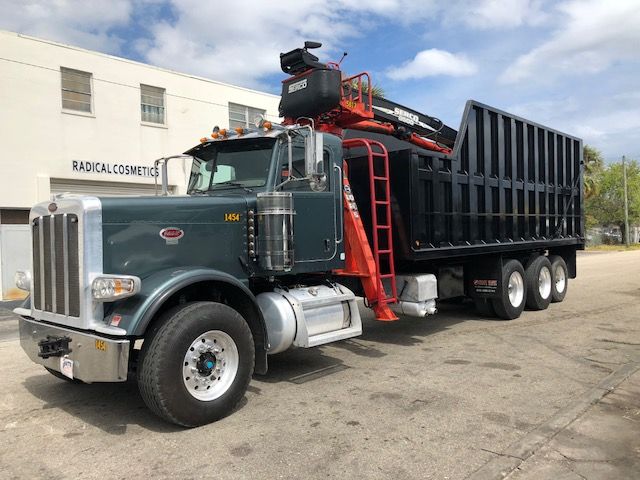
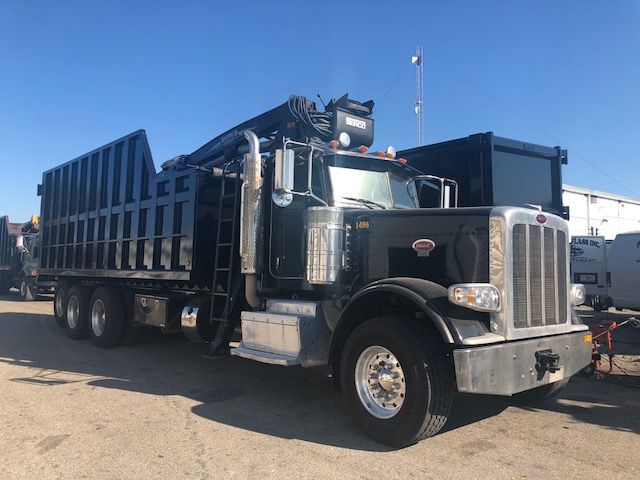
When comparing used Peterbilt trucks, pay close attention to GVWR, axle ratings, wheelbase, engine family, transmission type, brake system, and suspension. Medium-duty trucks in this make are often found with Cummins PX-7 or similar diesel engines, automatic transmissions, and single-axle 4x2 layouts. Heavy vocational Peterbilts may carry ISX-series power, tandem axles, engine brakes, and heavier front and rear axle ratings for towing and equipment support. Body equipment matters just as much as chassis condition. On rollback and carrier trucks, inspect bed length and width, wheel-lift rating, winch capacity, PTO operation, hydraulic response, toolbox condition, and any structural repairs to the deck or subframe. In Florida, corrosion is usually less severe than in road-salt regions, but coastal use still makes it smart to inspect wiring, air system components, light connections, crossmembers, and exposed hydraulic hardware.
Cab condition and maintenance history are especially important on used Peterbilt trucks because these units are often bought for daily revenue service. Look for clean service records, documented emissions repairs, proper DEF system operation on newer diesel models, and signs of consistent brake and suspension maintenance. Check for idle hours if available, not just odometer miles, especially on tow trucks and vocational units that spend long periods running PTO-driven equipment. Interior wear, seat condition, switchgear function, mirror controls, and HVAC performance can tell you a lot about how the truck was treated. A well-spec'd used Peterbilt can hold value well, but the best buy is usually the one with a chassis, body, and axle package matched to the actual workload rather than the one with the most chrome or the highest horsepower.
Frequently Asked Questions about Used Peterbilt Trucks in Florida
What are the most common used Peterbilt truck models in Florida?
Common used Peterbilt trucks in Florida include medium-duty models like the Peterbilt 220 and 337, along with heavier vocational trucks such as the Peterbilt 567. The 220 is popular for delivery and urban applications because of its cabover layout, while the 337 is frequently used for rollback, carrier, tow, and service bodies. The 567 is typically chosen for heavier towing, recovery, construction, and other severe-duty applications where higher GVWR and stronger frame specifications are required.
Is a used Peterbilt 337 a good choice for rollback or tow truck work?
A used Peterbilt 337 is a strong fit for rollback and light-to-medium tow work when it is properly spec'd. Many are equipped with Cummins diesel engines, Allison automatic transmissions, air brakes, and air ride suspension, which makes them well suited for stop-and-go operation and body upfit compatibility. Buyers should confirm bed size, wheel-lift rating, winch capacity, hydraulic condition, PTO function, and axle ratings to make sure the truck matches the intended towing and recovery workload.
What should I inspect on a used Peterbilt tow truck or rollback?
Focus on both the chassis and the body equipment. Inspect frame rails, crossmembers, suspension components, steering play, brake wear, tire condition, and signs of accident or overload damage. On the carrier or rollback body, check the deck structure, subframe, cylinders, hoses, control operation, winch, wheel-lift, toolboxes, lighting, and all tiedown points. It is also important to verify that any PTO-driven equipment engages smoothly and that the truck has no unresolved emissions, sensor, or electrical issues.
Are used Peterbilt trucks a good fit for Florida operating conditions?
Used Peterbilt trucks can be a very good fit for Florida because they are widely used in regional hauling, delivery, towing, and vocational service. The key is to inspect for coastal exposure and humidity-related wear, especially on wiring, connectors, air lines, hydraulic components, and underbody hardware. Trucks that have worked near salt air or marine environments may show corrosion in places that are easy to miss during a casual walkaround.
What matters most when comparing one used Peterbilt truck to another?
The most important factors are application, specification, and maintenance history. Compare GVWR, axle ratings, wheelbase, engine model, transmission, suspension, brake setup, and any installed body equipment before you compare cosmetic features. A used Peterbilt with the right chassis spec and documented service history will usually be a better long-term purchase than a nicer-looking truck that is underbuilt, overworked, or poorly maintained.