
Used 2016 Peterbilt Trucks For Sale in Florida
Browse used 2016 Peterbilt trucks in Florida, including highway and vocational models with Cummins or PACCAR power and buyer-focused specs.
Selling a used 2016 peterbilt truck? List your used 2016 peterbilt truck for sale and reach thousands of commercial buyers.
Used 2016 Peterbilt Trucks in Florida
The biggest buying decision is usually application first, then engine and transmission. In 2016 Peterbilt trucks, common engines include the Cummins ISX, ISX12, X15 in later overlap discussions, PX-9, and PACCAR MX-series depending on class and original spec. Horsepower can range from the mid-200s in medium-duty municipal and service bodies up into the 400 to 500 hp range in highway tractors and severe-service trucks. Buyers should confirm transmission type early because 2016 Peterbilts can show up with Eaton Fuller manual, automated manual, or Allison automatic transmissions, and each changes how the truck fits the route, driver pool, and maintenance plan. Rear axle ratings, wheelbase, suspension type, PTO provisions, and front axle capacity matter just as much on vocational builds as engine badge or cab trim.
Florida buyers should pay close attention to cooling system health, A/C performance, corrosion around body mounts and electrical connections, and any signs of salt-air exposure if the truck spent time near the coast. On highway models, look closely at fairings, hood alignment, aftertreatment service history, and fifth wheel wear. On vocational 2016 Peterbilt trucks, inspect frame condition, double-frame sections, hydraulic systems, winches, tow gear, dump hoists, pumps, and body integrity because the upfit often determines the truck’s real value more than the chassis alone. Engine hours can tell a better story than odometer miles on PTO-driven or jobsite equipment, especially tow trucks, vacuum units, and municipal trucks.
Peterbilt remains popular because of cab comfort, strong dealer support, and resale stability, but the right used 2016 truck comes down to how it was spec’d and maintained. A buyer comparing listings should match GVWR, axle configuration, cab style, and wheelbase to the intended trailer, body, or route before getting distracted by chrome or interior options. Service records, emissions repairs, tire condition, suspension wear, and evidence of consistent preventive maintenance will usually separate a dependable 2016 Peterbilt from one that becomes expensive after purchase.
Frequently Asked Questions about Used 2016 Peterbilt Trucks in Florida
What are the most common 2016 Peterbilt truck models buyers look for?
The most common 2016 Peterbilt trucks depend on the job. Highway buyers often focus on the Peterbilt 579 and 587, while vocational buyers commonly shop the 567, 365, 348, and 337. The 567 is especially common in heavy-duty applications such as towing, dump, and construction work because it can be spec’d with higher front axle ratings, double frames, PTO equipment, and heavier suspensions. The 579 is more common in day cab and sleeper tractor applications where fuel economy, cab comfort, and highway manners matter more.
What engines are typical in a used 2016 Peterbilt truck?
Typical engines in a 2016 Peterbilt include the Cummins ISX, ISX12, PX-7, PX-9, and the PACCAR MX-13 or MX-11 depending on the model and GVWR class. Medium-duty trucks often carry PX-series engines, while Class 8 highway and severe-duty models may have Cummins ISX or PACCAR MX engines. The best choice depends on the intended use, local service support, and the truck’s maintenance history. Buyers should verify horsepower, torque rating, emissions system service records, and whether the engine was matched properly to the transmission and rear axle ratio.
Is a 2016 Peterbilt a good choice for vocational work in Florida?
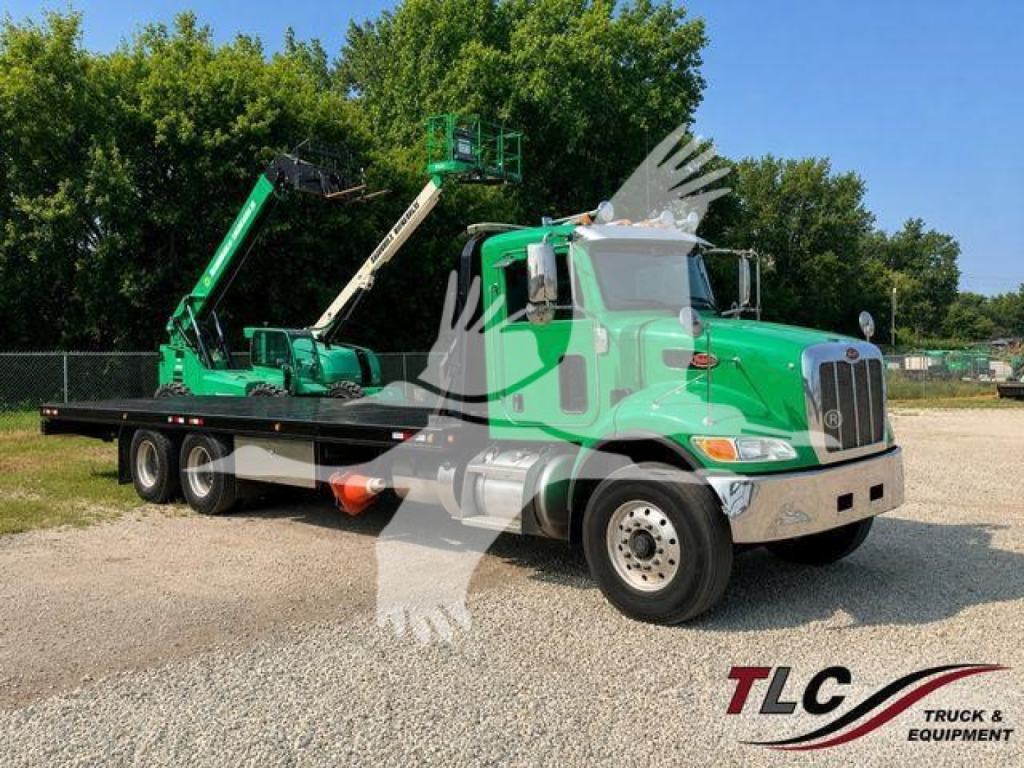
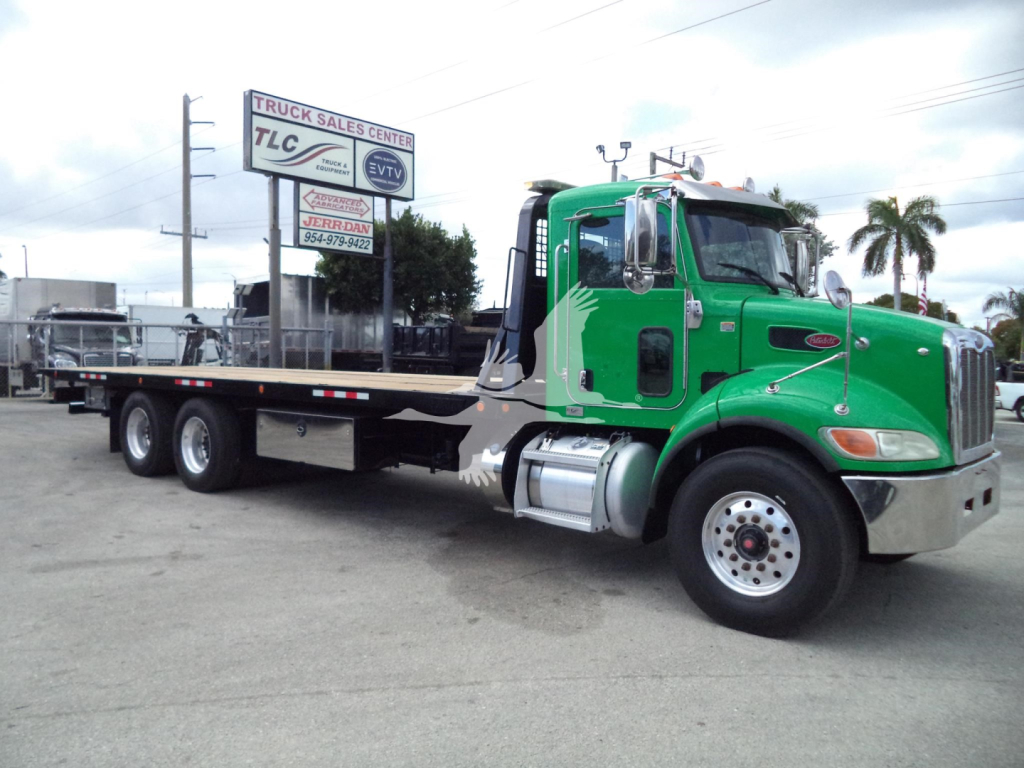
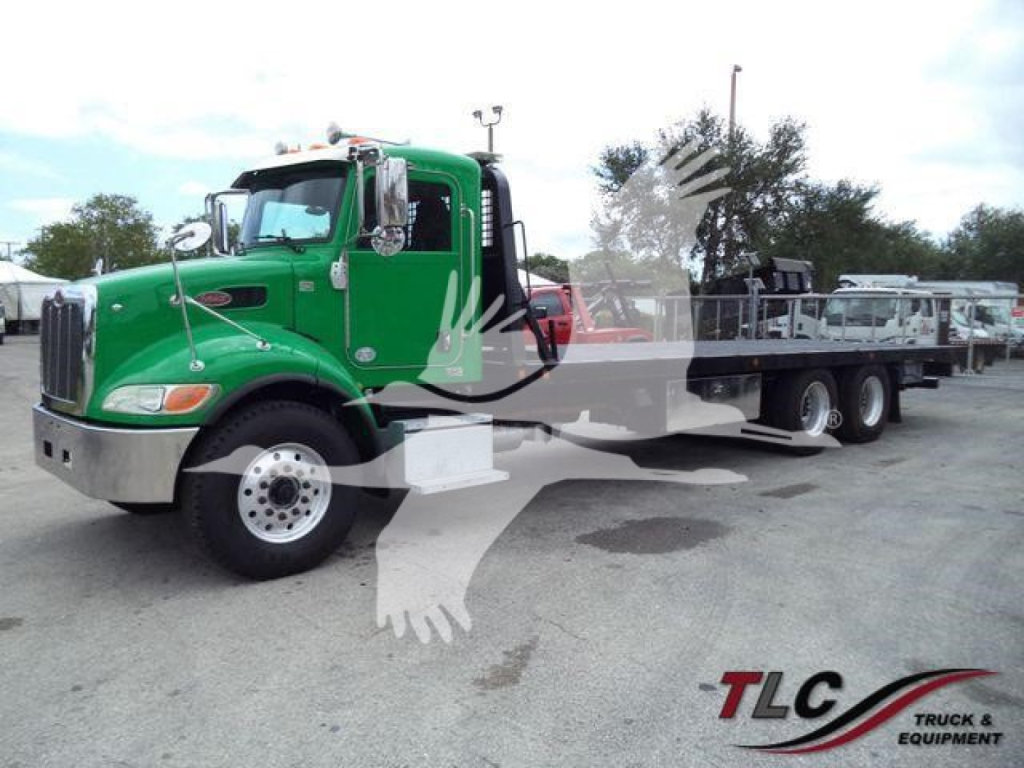
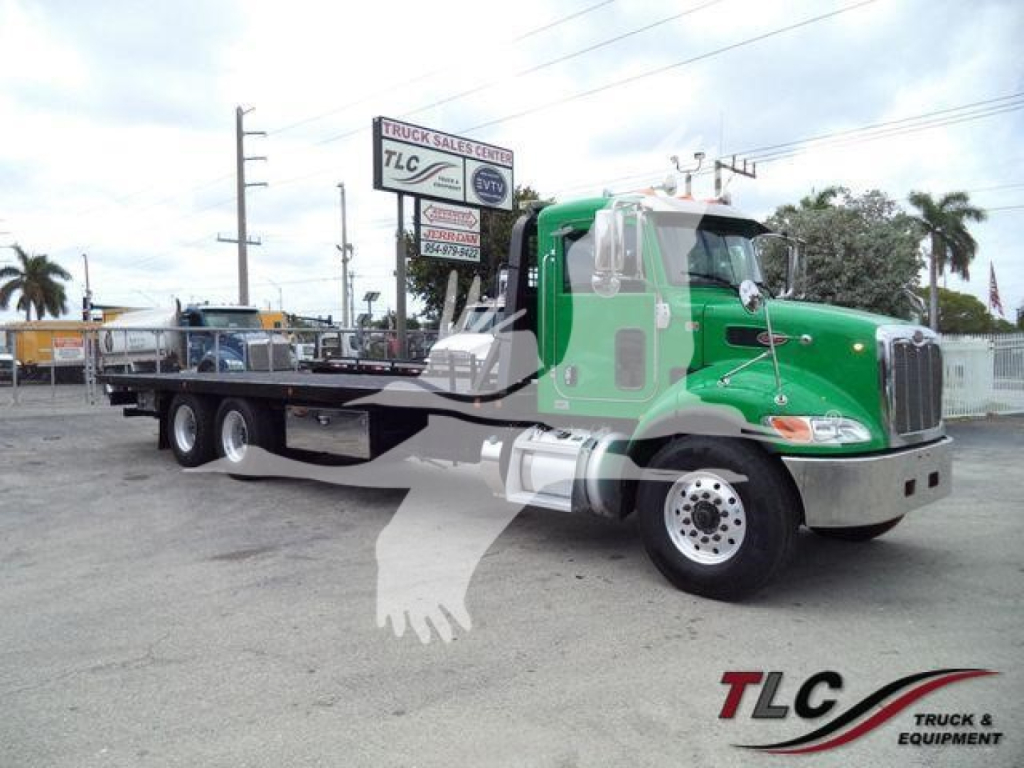
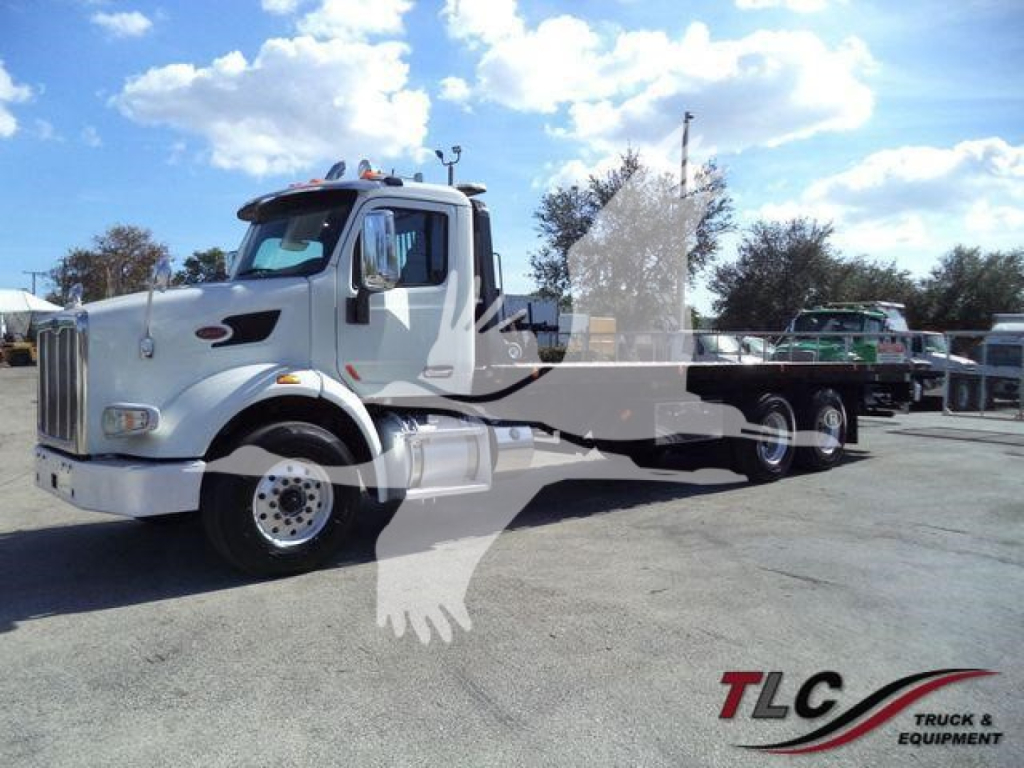
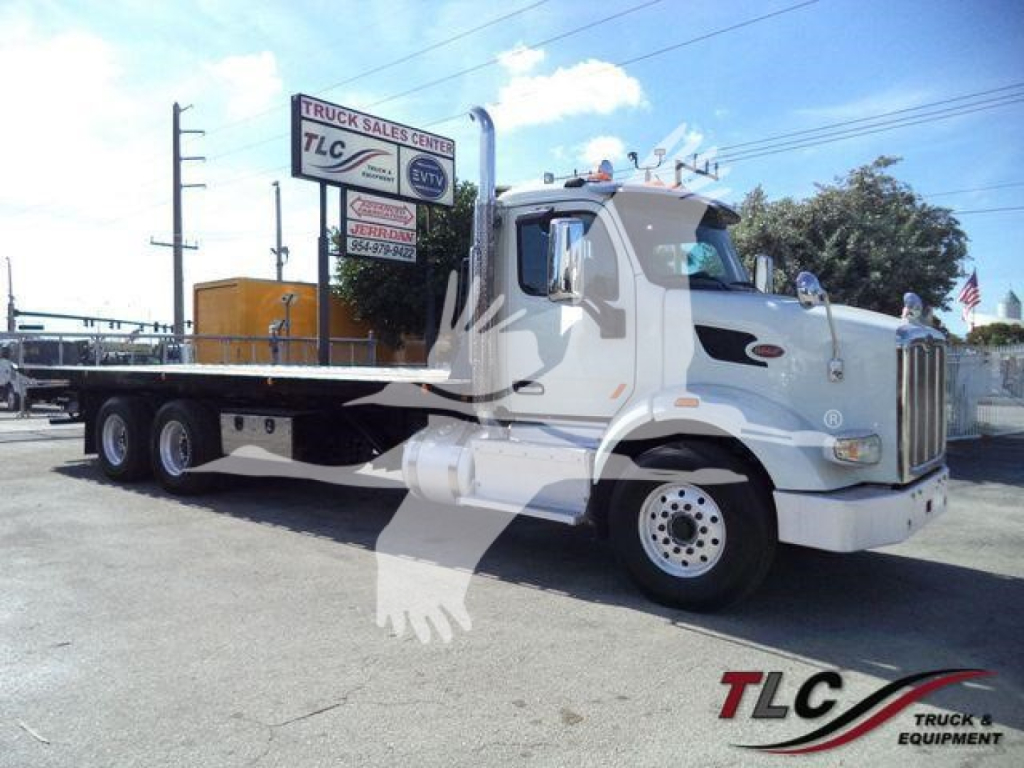
A 2016 Peterbilt can be a very good choice for Florida vocational work if the truck was built for the application and the body equipment has been maintained. Towing, rollback, vacuum, utility, and dump configurations are common, and many 2016 Peterbilts were ordered with heavy front axles, air ride suspensions, PTO setups, and reinforced frames. In Florida, buyers should inspect A/C operation, hydraulic systems, cooling performance, wiring condition, and any rust or corrosion related to coastal exposure. On vocational trucks, the body and hydraulic package often matter as much as the chassis.
What should buyers inspect first on a used 2016 Peterbilt truck?
Start with service records, engine hours versus miles, and signs of emissions system work. Then inspect the frame, suspension, tires, brakes, steering components, transmission operation, and any PTO or hydraulic equipment. On a highway tractor, pay attention to fifth wheel condition, driveline vibration, cab mounts, and aftertreatment history. On a vocational truck, check the upfit closely, including winches, hoists, pumps, bed structure, hose reels, and control systems. A pre-purchase inspection is especially important because two 2016 Peterbilts with the same model number can have very different value based on original spec and prior use.
Do 2016 Peterbilt trucks hold their value well?
Peterbilt trucks generally hold their value well because the brand has a strong reputation, broad operator acceptance, and good parts and dealer support. A 2016 model can still be attractive in the used market when it has the right engine, documented maintenance, and a clean vocational or highway spec. Resale strength is usually best on well-maintained trucks with desirable drivetrains, standard wheelbase and axle setups, and limited signs of hard vocational abuse. Poor maintenance, neglected emissions components, or worn body equipment will reduce value quickly even on a desirable Peterbilt chassis.