
Used Peterbilt Grapple Trucks For Sale in Florida
Shop used Peterbilt grapple trucks in Florida. Compare tri-axle specs, loader setups, debris bodies, and heavy-duty refuse applications.
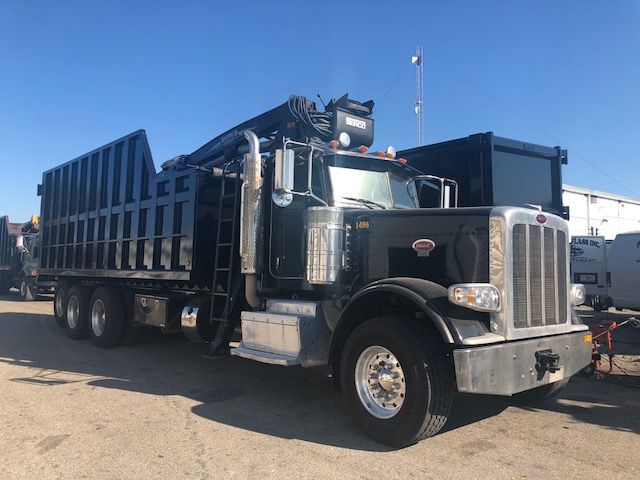
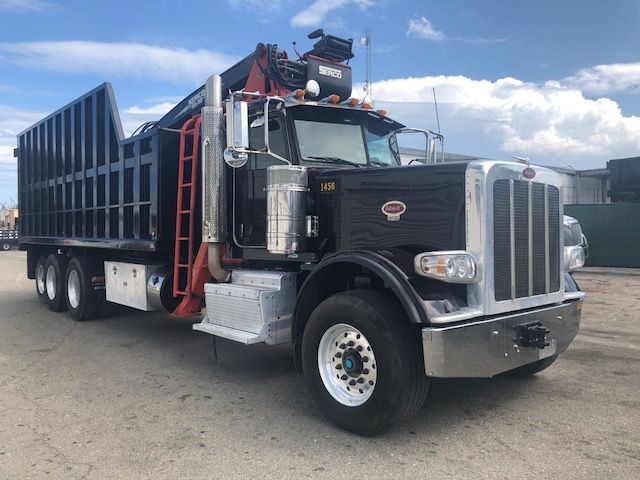
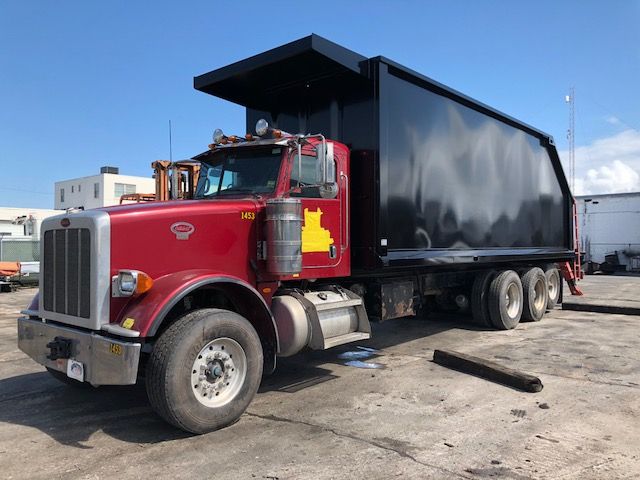
Selling a used peterbilt grapple truck? List your used peterbilt grapple truck for sale and reach thousands of commercial buyers.
Used Peterbilt Grapple Trucks in Florida
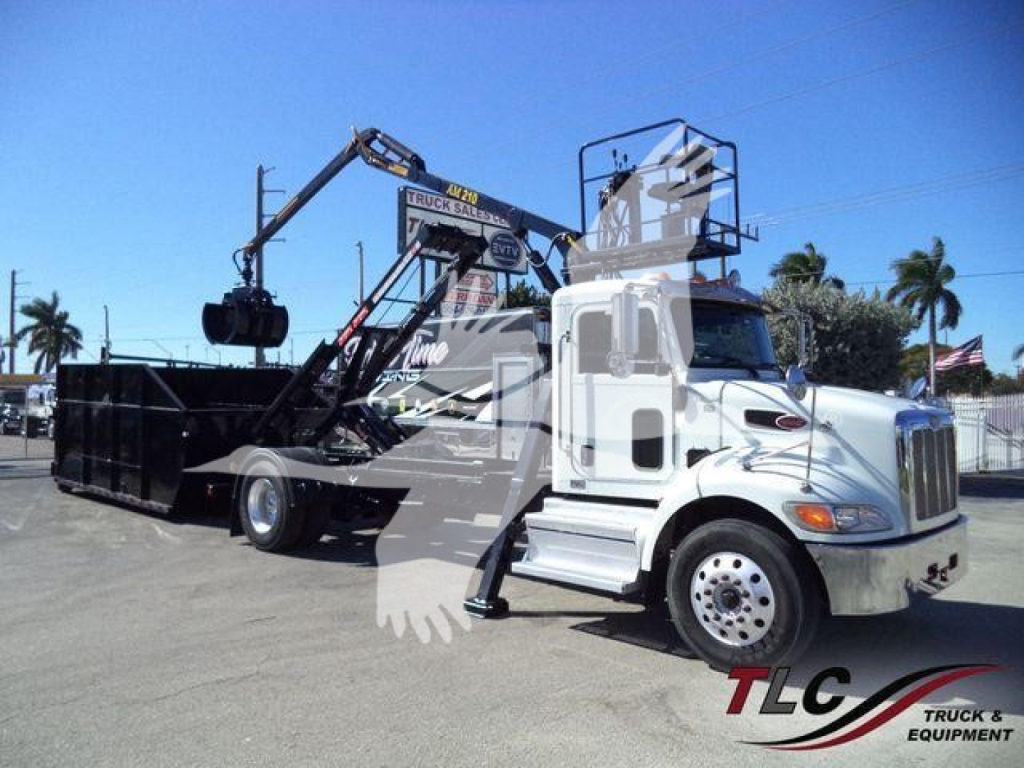
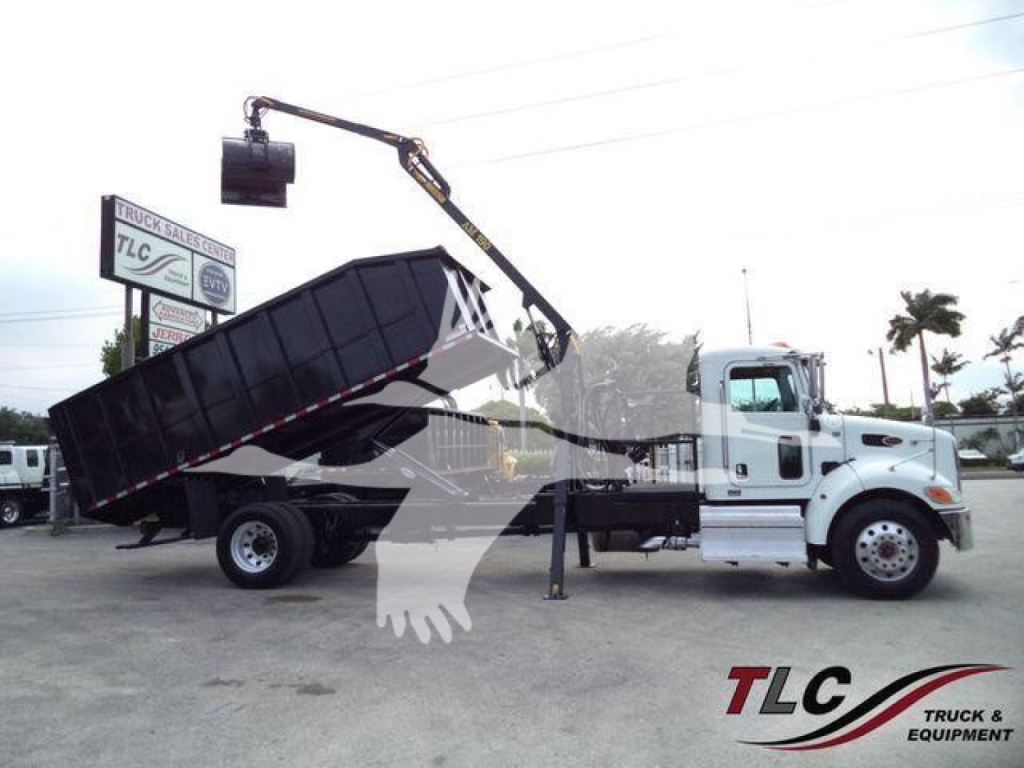
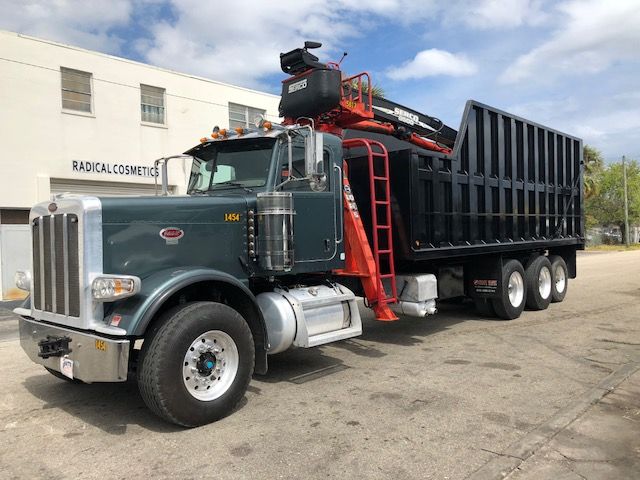
The loader and body package matters as much as the truck itself. Many used Peterbilt grapple trucks are equipped with Serco loaders such as the 8500L or 1050XR, often paired with extended booms for better reach over piles, ditches, and jobsite obstacles. Debris bodies in the 40 to 50 yard range are common, and body material should be a major buying point. Hardox or similar abrasion-resistant steel can hold up better in brush, demolition debris, and mixed waste service than a standard body. Buyers should inspect boom pins and bushings, turret rotation, hydraulic leaks, outrigger condition, grapple wear, subframe integrity, and any cracking around loader mounts.
Florida buyers also need to pay attention to axle ratings, bridge compliance, and how the truck carries weight when the body is full and the loader is mounted. A tri-axle setup helps spread payload and improves stability, but suspension condition, frame reinforcement, and lift axle operation still need close review. On the powertrain side, high-horsepower Cummins engines and manual transmissions like the 8LL are common on used grapple trucks because they provide low-speed control on rough sites and enough torque to move heavy loads. Jake brakes, rear hitches, and vocational gearing are also common features that add value in daily work.
A used Peterbilt grapple truck should be evaluated as a complete work package, not just by engine mileage. Hydraulic hours, PTO operation, pump performance, body floor condition, tailgate sealing, and the history of loader maintenance often tell you more about remaining service life than odometer readings alone. In a coastal and high-humidity market like Florida, corrosion around electrical connections, hydraulic fittings, body crossmembers, and frame-mounted components deserves extra attention. Buyers comparing listings should look closely at crane make and model, boom length, body capacity, axle arrangement, and whether the truck is set up for brush, bulk debris, or heavier mixed material.
Frequently Asked Questions about Used Peterbilt Grapple Trucks in Florida
What should I look for first on a used Peterbilt grapple truck?
Start with the loader, hydraulics, and body condition before focusing only on engine mileage. Inspect the grapple, boom sections, pins, bushings, slew ring or turret area, hydraulic cylinders, PTO engagement, and pump response under load. Then check the debris body for floor wear, sidewall damage, cracks around the loader mount, and tailgate condition. A grapple truck is a vocational package, so the condition of the upfit often matters more than the truck's odometer alone.
Why are tri-axle Peterbilt grapple trucks so common?
Tri-axle grapple trucks are popular because they balance payload, stability, and legal weight distribution better than many tandem setups. The extra axle helps support a large debris body and the added weight of the loader while improving load carrying capability on brush, storm debris, and demolition routes. For Florida buyers, tri-axle configurations are especially relevant when operating on municipal contracts or hauling bulky material where volume and axle loading both matter.
Are Peterbilt 365 and 388 models good platforms for grapple truck work?
Yes. The Peterbilt 365 and 388 are widely used vocational chassis for grapple applications because they offer durable frame options, strong front axle capacity, and room for heavy hydraulic and body installations. They are commonly spec'd with high-horsepower Cummins engines, manual transmissions such as the 8LL, and suspension packages suited to repeated off-road entry and stop-and-go work. Their long-standing use in refuse and construction fleets also helps with parts familiarity and service support.
How important are hydraulic hours on a used grapple truck?
Hydraulic hours are extremely important because the loader and hydraulic system often see intensive daily use even when road miles are moderate. A truck with average mileage can still have a heavily worked crane if it spent years loading brush, C&D debris, or storm material. Ask about pump replacement history, cylinder reseals, hose condition, valve function, and whether the loader has had structural repairs. A strong maintenance record on the hydraulic side is a major value factor.
What body size and loader reach are typical on a used Peterbilt grapple truck?
Many used Peterbilt grapple trucks in this class carry debris bodies around 40 to 50 yards and use loaders with boom reaches suitable for roadside pickup, transfer loading, and land clearing work. Extended-boom setups are common because they improve reach into piles and across wider work areas. The right combination depends on material type. Brush and vegetative debris favor larger body volume, while heavier mixed debris may require closer attention to tare weight, axle ratings, and legal payload.