
Peterbilt Trucks For Sale in Florida
Browse Peterbilt trucks for sale in Florida, including vocational and highway models with popular specs, cab options, and diesel powertrain choices.
Learn more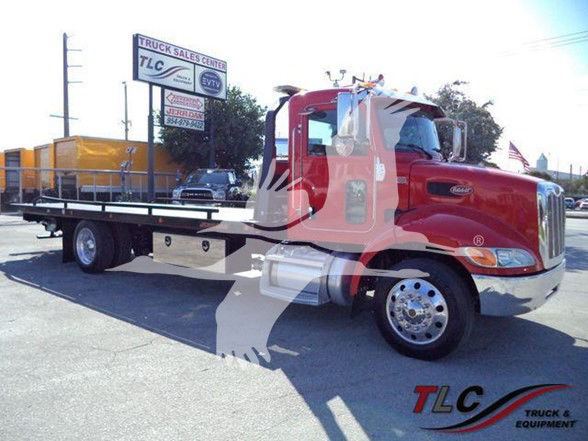
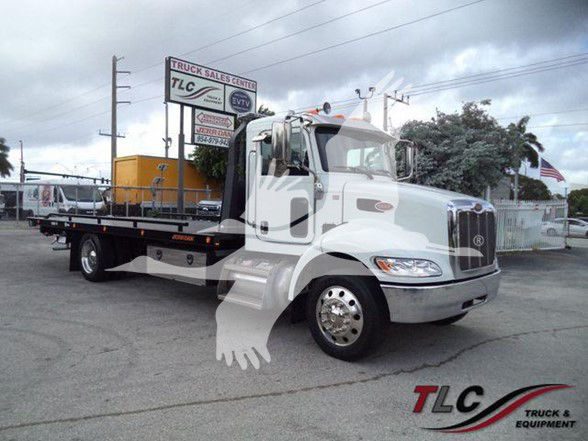
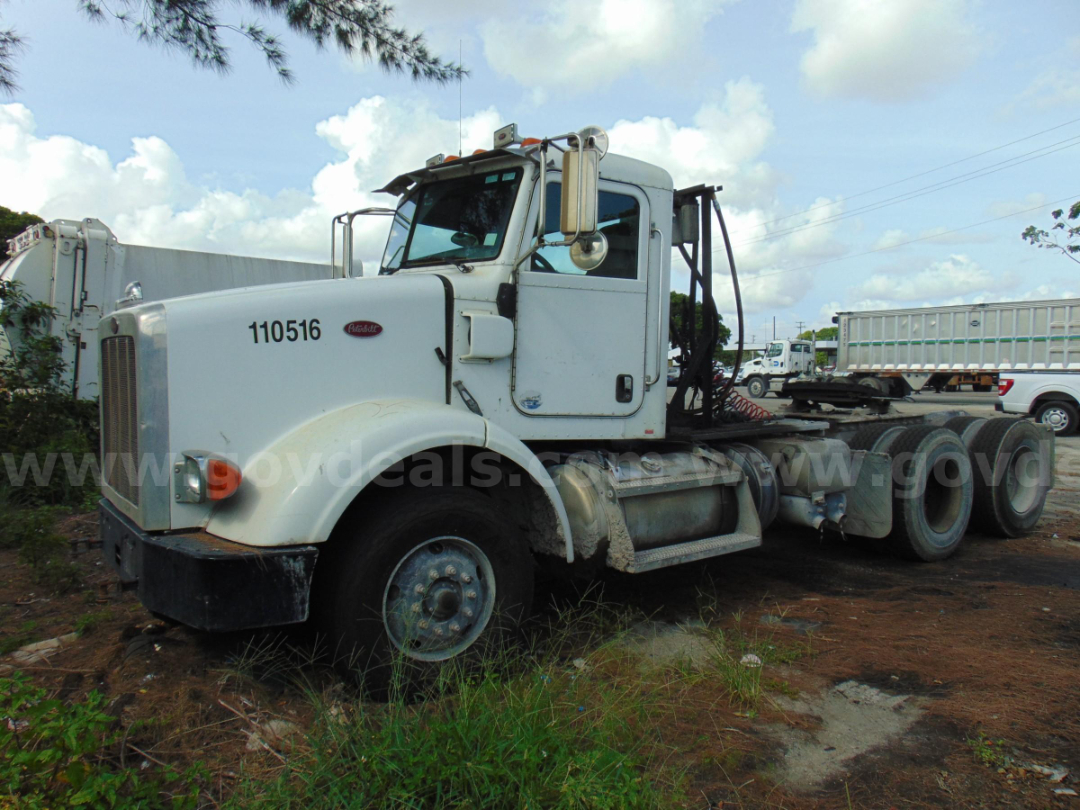
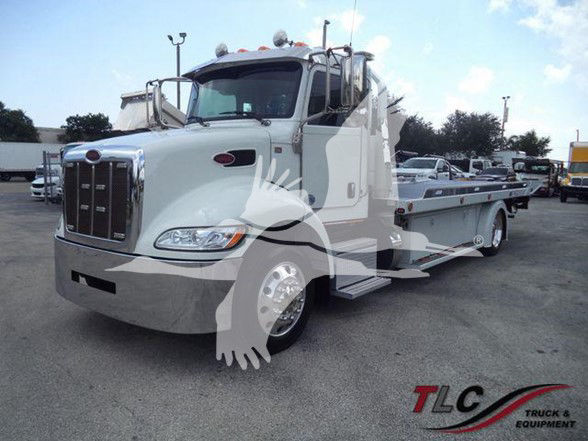
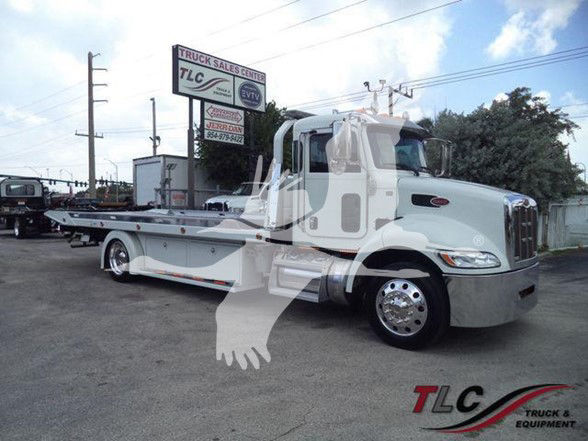
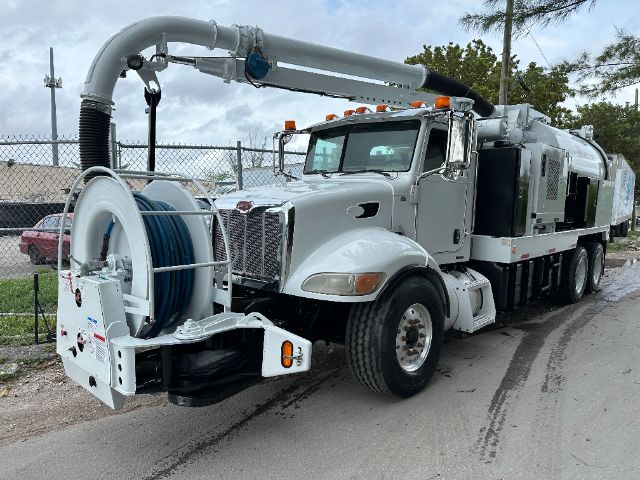
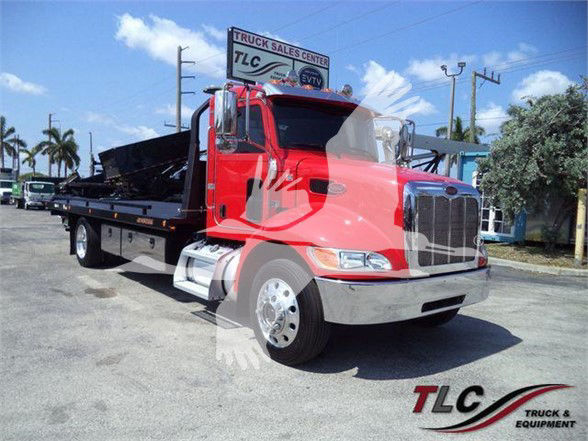
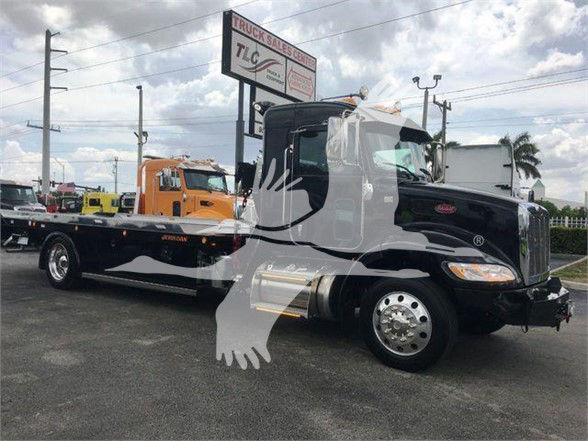
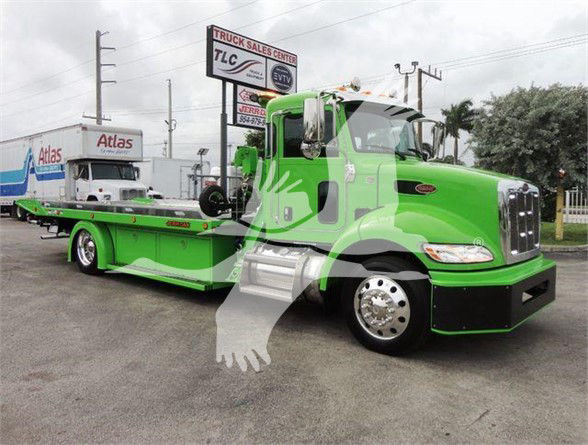
Showing 13 to 24 of 59 results
Have peterbilt truck to sell? List it here to reach thousands of buyers.
About Peterbilt Trucks in Florida
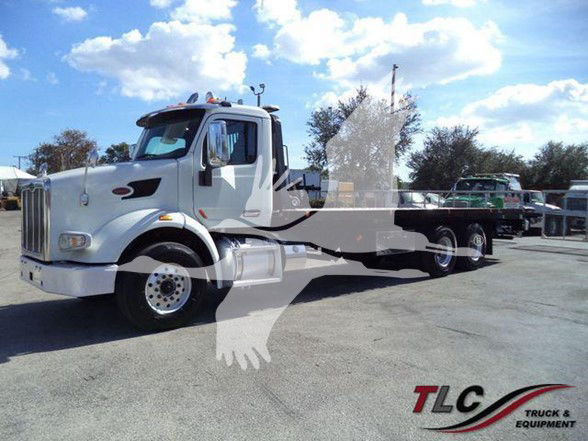
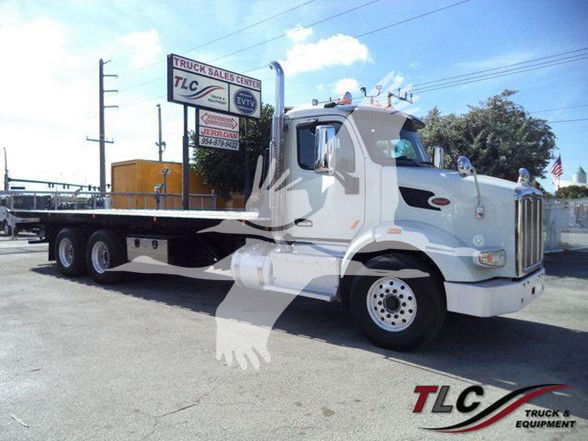
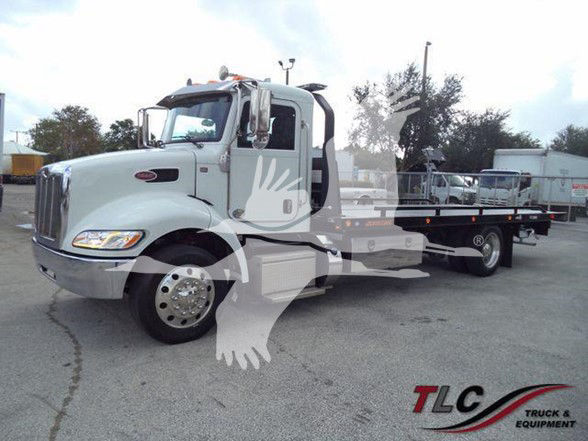
A buyer should start with the job, then match the chassis. Medium-duty Peterbilt trucks commonly use Cummins PX-series diesel engines with automatic transmissions such as the Allison 2200 or 3000, especially in tow and rollback applications where smooth low-speed control matters. Heavy-duty models often step up in horsepower, front axle capacity, rear axle rating, frame strength, and PTO capability for wreckers, loaders, dump bodies, and other hydraulic upfits. Key specs to compare across listings include GVWR, axle configuration, wheelbase, suspension type, brake system, engine brake, cab style, and whether the truck is set up as a 4x2, 6x4, tandem, or tri-axle. On vocational trucks, the upfit matters just as much as the badge, so buyers should look closely at body manufacturer, hydraulic system, winch rating, wheel-lift capacity, outrigger setup, and frame reinforcement.
Florida buyers usually have a few extra considerations. Corrosion exposure is different than in northern states, but coastal humidity still makes aluminum wheels, polished tanks, stainless trim, sealed lighting, and clean wiring practices worth attention. Cooling system condition, air conditioning performance, and DEF system health are important in hot-weather service. If the truck will spend time in urban South Florida, turning radius, overall length, visibility, and bridge-law compliance can matter more than sleeper size or long-haul gearing. For towing and recovery, low-profile carriers, air ride suspension, wireless controls, and well-integrated lighting packages are common features. For grapple, dump, or other severe-service applications, pay close attention to double frame design, rear suspension rating, pusher or tag axle setup, and PTO hours in addition to odometer miles.
Peterbilt trucks tend to hold their value because they cover a wide spread of applications without giving up driver appeal. That makes condition, maintenance history, and spec accuracy especially important when comparing multiple listings. A clean Peterbilt with the right wheelbase, axle ratings, and vocational equipment can be far more useful than a newer truck with the wrong chassis layout. Buyers comparing Peterbilt trucks for sale should focus on complete operating configuration, not just year and mileage: engine family, transmission, suspension, brake type, cab configuration, and the quality of the upfit will determine how well the truck performs in real work.
Frequently Asked Questions
What are the most common Peterbilt truck models used for vocational work?
The Peterbilt 337 and 348 are among the most common vocational models because they support a wide range of bodies and upfits, including rollback carriers, wreckers, dump bodies, utility equipment, and municipal applications. Larger conventional models such as the 388 and related heavy-duty chassis are often used when higher horsepower, heavier axle ratings, tandem or tri-axle setups, and more robust frame specifications are required.
What should I compare first when shopping Peterbilt trucks for sale?
Start with the intended application and compare GVWR, axle ratings, wheelbase, engine, transmission, suspension, and brake system before looking at cosmetic options. On a vocational Peterbilt, the chassis must match the body or equipment mounted on it. A rollback, grapple, wrecker, or dump truck can look similar in photos, but frame strength, PTO setup, hydraulic capacity, and axle placement determine how well it will actually perform.
Are Peterbilt trucks good for tow and recovery applications?
Yes. Peterbilt chassis are widely used for rollback carriers, wreckers, and enclosed car haulers because they offer favorable cab ergonomics, strong vocational specs, and compatibility with major upfit brands. Buyers should still verify the complete tow package, including bed length, wheel-lift rating, winch capacity, suspension type, and front and rear axle ratings, because the upfit specifications determine usable towing performance.
What matters most on a used Peterbilt vocational truck in Florida?
Condition of the drivetrain, cooling system, air conditioning, hydraulics, electrical system, and body installation should be checked closely. In Florida, heat, humidity, stop-and-go operation, and PTO use can be harder on trucks than highway mileage alone suggests. Service records, engine hours, PTO hours, rust around mounted equipment, and signs of wiring or hydraulic leaks are often more important than appearance.
Do Peterbilt trucks hold their resale value?
Peterbilt trucks generally have strong resale value because the brand has a loyal buyer base and broad acceptance across fleet and owner-operator markets. Resale still depends heavily on spec and maintenance. Popular engine and transmission combinations, clean vocational upfits, documented service history, and usable axle and wheelbase configurations typically support better long-term value than uncommon or poorly matched specs.