
2024 Peterbilt Trucks For Sale in Florida
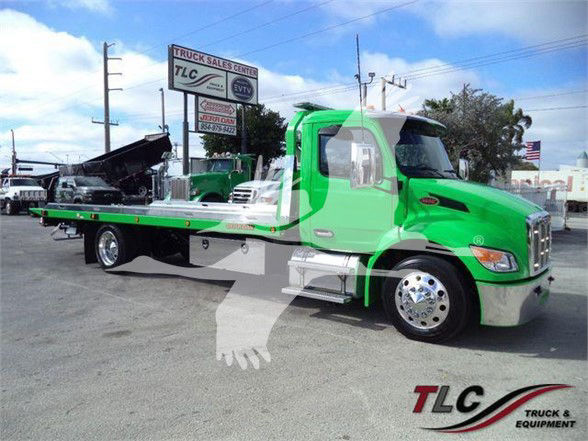
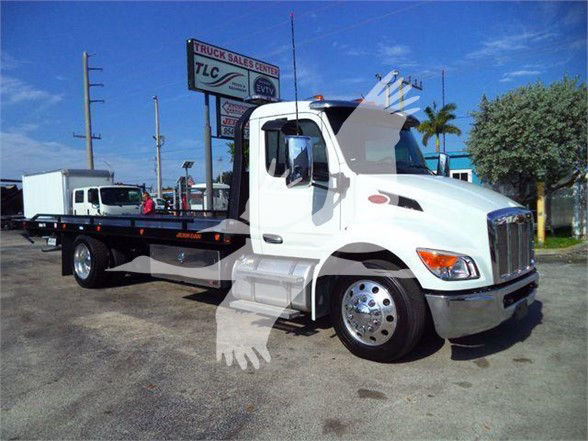
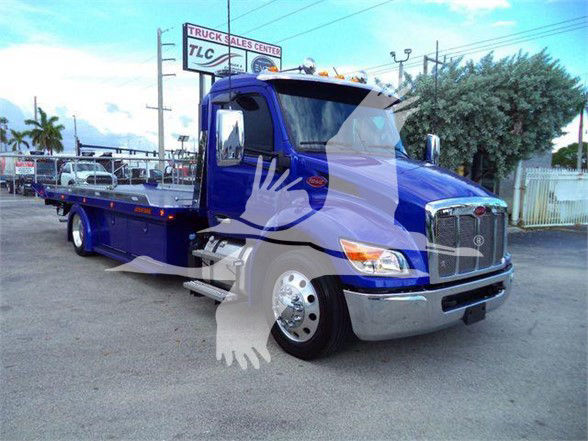
Have 2024 peterbilt truck to sell? List it here to reach thousands of buyers.
2024 Peterbilt Trucks in Florida
The right 2024 Peterbilt starts with the job. Medium-duty models such as the 337 and 348 are common choices for rollback carriers, wreckers, box trucks, flatbeds, and service bodies. These trucks are often spec'd with PACCAR PX-7 or PX-9 power, or Cummins engines depending on configuration, paired with Allison automatic transmissions for urban and vocational use. Heavier platforms like the 567 are built for dump, mixer, heavy haul, and severe-service applications, where buyers pay close attention to front axle ratings, rear suspension, frame reinforcement, PTO provisions, lift axle setups, and bridge-law friendly dimensions. For over-the-road and regional freight, Peterbilt's aerodynamic highway models are favored for cab refinement, visibility, and resale strength.
A buyer comparing 2024 Peterbilt trucks should look past the badge and into the build sheet. Key details include GVWR and GCWR, axle ratio, wheelbase, cab style, suspension type, fuel tank capacity, brake configuration, and the exact engine-transmission pairing. On vocational units, body and upfit specs matter just as much as the chassis. Bed length, winch rating, wheel-lift capacity, hoist selection, hydraulic package, frame spacing, and PTO setup can determine how productive the truck will be on day one. Peterbilt trucks also tend to attract buyers who care about interior fit and finish, service access, and clean wiring and dash layouts, all of which matter on long shifts and high-cycle work.
In Florida, application and environment should drive the decision. A truck working port runs, construction sites, recovery service, or local delivery may need a very different spec even if the cabs look similar at first glance. Air ride versus spring suspension, set-back versus set-forward axle, automatic versus automated manual, and aluminum versus steel components all affect operating cost and suitability. A well-matched 2024 Peterbilt can hold value well, support body-builder needs, and give operators a truck that fits both the route and the workload instead of forcing compromises later.
Frequently Asked Questions about 2024 Peterbilt Trucks in Florida
What are the most common 2024 Peterbilt truck models buyers compare?
The most commonly compared 2024 Peterbilt trucks depend on the application. Medium-duty buyers often look at the Peterbilt 337 and 348 for rollback, tow, box, flatbed, and municipal work. Vocational and heavy-duty buyers frequently compare the 567 for dump, heavy haul, mixer, and severe-service use. Highway and regional freight buyers typically focus on Peterbilt's aerodynamic on-road models, where fuel economy, cab configuration, and driver comfort become bigger factors.
Which engine and transmission combinations are common in 2024 Peterbilt trucks?
Common 2024 Peterbilt engine and transmission combinations vary by class and body type. Medium-duty trucks are often spec'd with PACCAR PX-series or Cummins engines paired with Allison automatic transmissions, especially for towing, delivery, and stop-and-go service. Heavy vocational and highway trucks may use larger displacement Cummins or PACCAR power with automated manual or automatic transmissions depending on duty cycle. The right pairing depends on PTO needs, terrain, payload, start-stop frequency, and desired serviceability.
What should I check first when comparing a 2024 Peterbilt vocational truck?
Start with the chassis ratings and body integration. Front axle capacity, rear axle capacity, suspension type, frame spec, wheelbase, PTO capability, and GVWR should match the intended body and payload. After that, review body-specific details such as hoist size, bed length, winch rating, wheel-lift rating, hydraulic system layout, and lift axle configuration if applicable. A vocational truck that looks right on paper can still be poorly matched if the axle spread, frame, or PTO setup is wrong for the work.
Are 2024 Peterbilt trucks a good fit for Florida operations?
Yes, but the ideal spec depends heavily on the route and environment. Florida operations often prioritize strong cooling performance, reliable air conditioning, automatic transmissions for urban use, and materials that stand up well to humidity and coastal exposure. Trucks working in construction, towing, port drayage, or municipal service may also benefit from body-ready chassis layouts, corrosion-conscious component choices, and suspension setups tuned for frequent stops and uneven surfaces.
Do 2024 Peterbilt trucks typically hold their value well?
Peterbilt trucks generally have strong resale appeal because of brand reputation, driver acceptance, and broad support in both highway and vocational markets. Resale value still depends on the exact spec, engine family, mileage or hours, maintenance history, and how well the original build matches common market demand. Clean vocational specs and popular fleet configurations usually attract the widest buyer pool when it is time to sell or trade.