
2014 Peterbilt Trucks For Sale in Florida
Shop 2014 Peterbilt trucks for sale in Florida. Compare sleeper, day cab, vocational, and medium-duty specs, engines, wheelbases, and GVWR options.
Selling a 2014 peterbilt truck? List your 2014 peterbilt truck for sale and reach thousands of commercial buyers.
2014 Peterbilt Trucks in Florida
For highway use, 2014 Peterbilt tractors are commonly found with PACCAR MX-13, Cummins ISX, or smaller displacement options depending on the model and intended duty cycle. Day cabs are common in regional haul and port service, while sleepers fit long-haul applications. Pay attention to transmission spec because this era includes both manual and automated manual transmissions, along with some Allison automatics on vocational or specialty trucks. Rear axle ratio, wheelbase, fifth wheel placement, and front axle capacity all affect how the truck will perform with your trailer set and lane profile. On Florida routes, many buyers prioritize a clean emissions history, good cooling system performance, and a cab configuration that balances maneuverability with driver comfort.
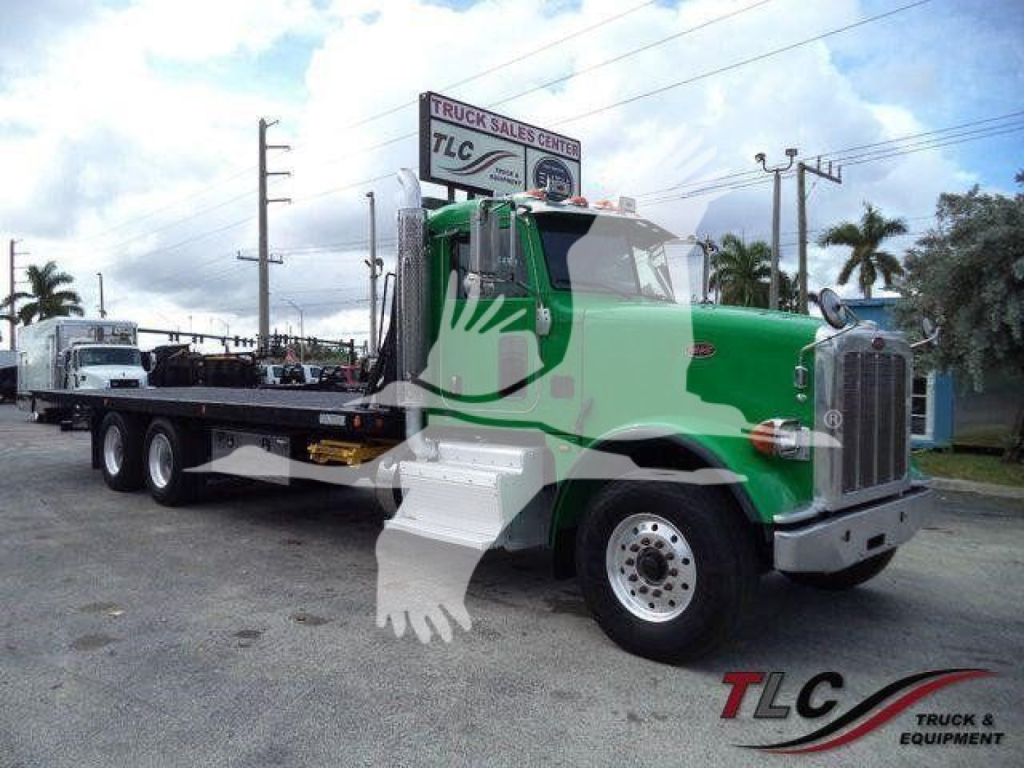
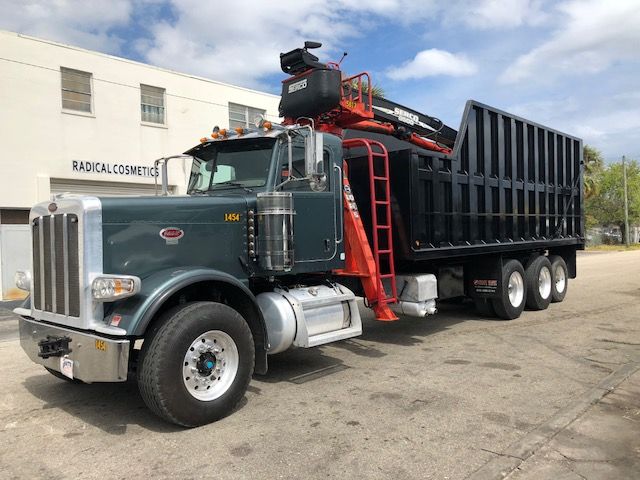
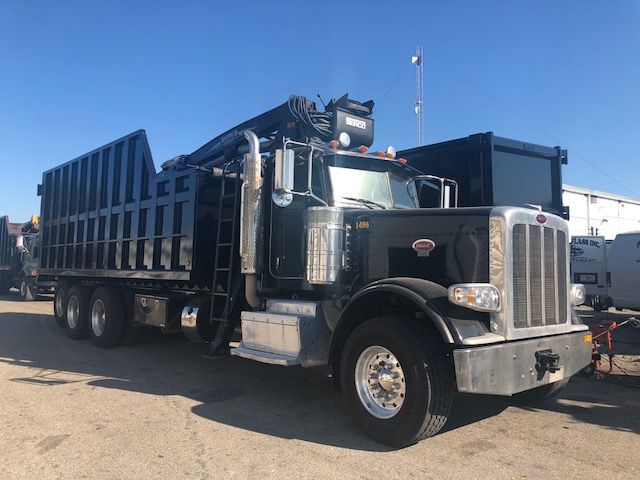
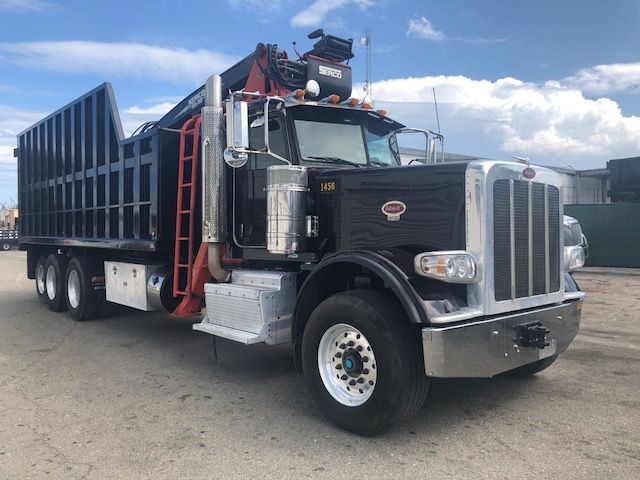
In medium-duty and vocational trim, 2014 Peterbilt trucks are often selected as rollback tow trucks, wreckers, dump trucks, box trucks, flatbeds, hooklifts, mechanics trucks, and utility bodies. Models like the Peterbilt 337 and 348 are especially common where buyers need a durable chassis with strong visibility and straightforward body mounting. Key checks include frame rail condition, PTO setup, brake type, suspension rating, front axle set-forward or set-back configuration, and whether the chassis was originally ordered for the body that is currently installed. If the truck has a carrier, wrecker body, or other hydraulic equipment, inspect the PTO engagement, hydraulic leaks, subframe integrity, and wear points around the hoist or wheel-lift system.
A 2014 Peterbilt can be a strong value when the spec matches the work and the maintenance record supports it. Buyers comparing listings should look past chrome, paint, and trim details and focus on hours, mileage, idle time, engine model, emissions components, service access, and tire and brake condition. In Florida, corrosion is usually less severe than in snowbelt markets, but sun exposure, interior wear, and cooling system upkeep deserve close attention. The best purchase in this category is usually the truck with the right axle spread, correct horsepower and torque for the route, and a chassis history that makes future downtime easier to manage.
Frequently Asked Questions about 2014 Peterbilt Trucks in Florida
What are the most common 2014 Peterbilt truck models buyers look for?
The most commonly searched 2014 Peterbilt trucks usually include highway tractors such as the 579 and 389, along with vocational and medium-duty models like the 337, 348, 367, and 365. The right model depends on the application. A 579 is generally aimed at fuel-conscious fleet or owner-operator highway work, while a 389 is often chosen for traditional long-hood appeal and heavy spec flexibility. A 337 or 348 is more common in tow, box, flatbed, dump, and municipal applications where body integration and chassis layout matter more than sleeper size.
What engines are common in 2014 Peterbilt trucks?
Common engine options in 2014 Peterbilt trucks include the PACCAR MX-13, Cummins ISX, PACCAR PX-7, and PACCAR PX-9, depending on the model and weight class. Medium-duty units often use PX-series engines for delivery, towing, and vocational work, while heavier tractors and severe-duty chassis are more likely to carry MX-13 or ISX power. Buyers should confirm horsepower, torque rating, emissions equipment history, and whether the engine spec matches the intended duty cycle. An engine that works well in regional freight may not be ideal for heavy towing or construction work.
Is a 2014 Peterbilt good for vocational work in Florida?
A 2014 Peterbilt can be a very solid vocational truck in Florida if the chassis was properly spec'd for the body and operating conditions. Florida buyers often use these trucks for towing, dump work, box delivery, utilities, and regional construction support. Important factors include axle ratings, wheelbase, suspension, PTO compatibility, cooling performance, and turning radius. Because Florida use often involves heat, stop-and-go traffic, and PTO-driven equipment, buyers should pay close attention to radiator condition, hydraulic systems, transmission operation, and cab air conditioning performance.
What should buyers inspect first on a used 2014 Peterbilt truck?
Start with the engine, transmission, axle ratings, frame condition, and service records. After that, inspect emissions components, brake wear, suspension bushings, tire condition, steering play, and any PTO or hydraulic equipment if the truck is vocational. For tractors, verify wheelbase, fifth wheel placement, and rear ratio. For body trucks, confirm the body was mounted correctly and does not show cracking, rust jacking, or wiring issues. Cosmetic condition matters less than a spec that fits the work and a maintenance history that reduces the risk of downtime.
Are 2014 Peterbilt trucks available as both tractors and straight trucks?
Yes. The 2014 Peterbilt lineup includes both tractor configurations and straight truck chassis. That includes day cabs and sleepers for semi-trailer service, plus straight trucks used as rollbacks, wreckers, flatbeds, dumps, box trucks, and service trucks. This broad model-year range is one reason buyers often compare Peterbilt closely with other premium makes. The same year can include very different trucks, so it is important to evaluate the exact model, wheelbase, axle layout, and body application rather than shopping by year alone.