
New 2027 Commercial Trucks For Sale in Florida
Shop new 2027 trucks for sale in Florida, including medium-duty and vocational chassis built for towing, rollback, refuse, hauling, and upfit work.
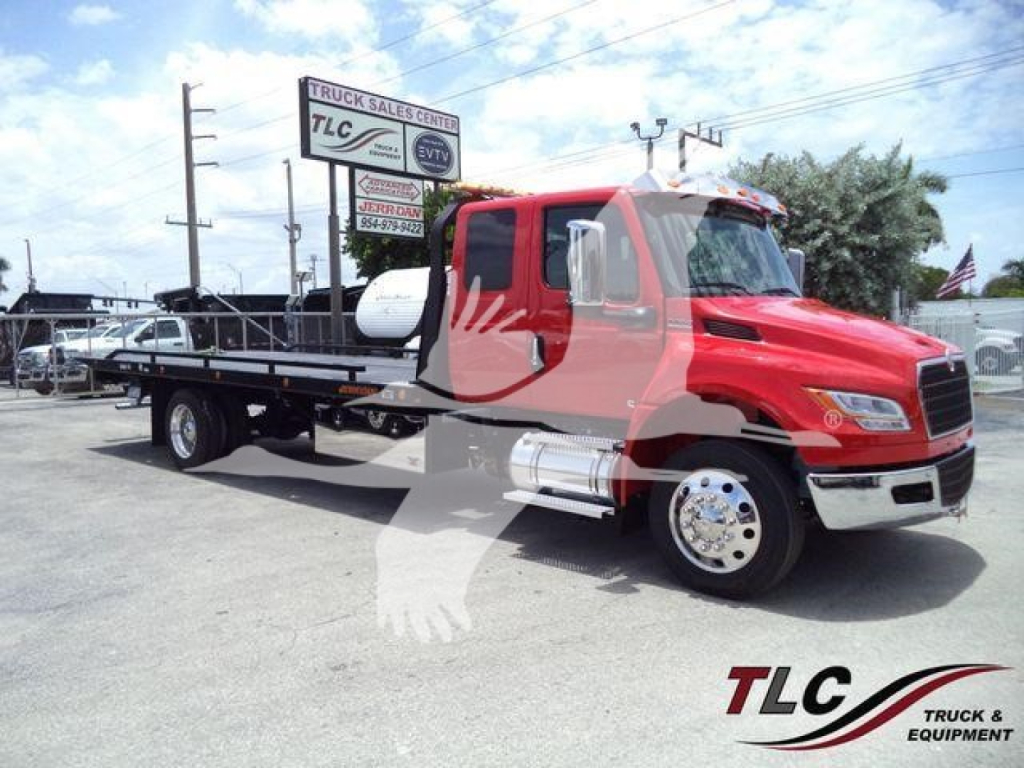
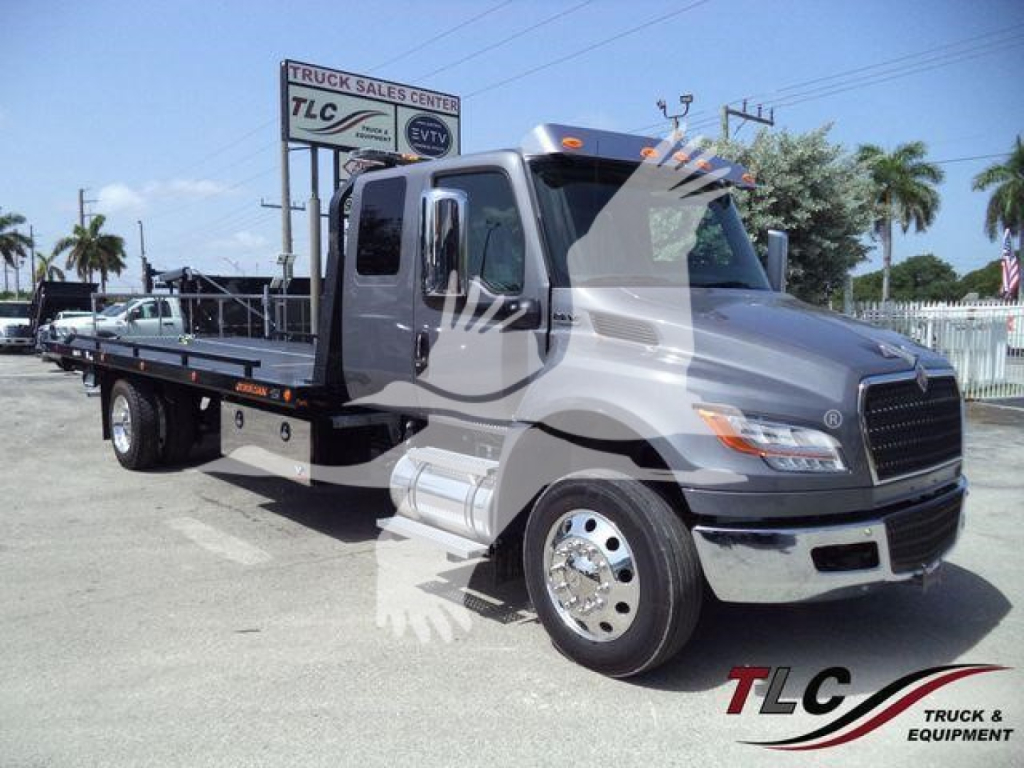
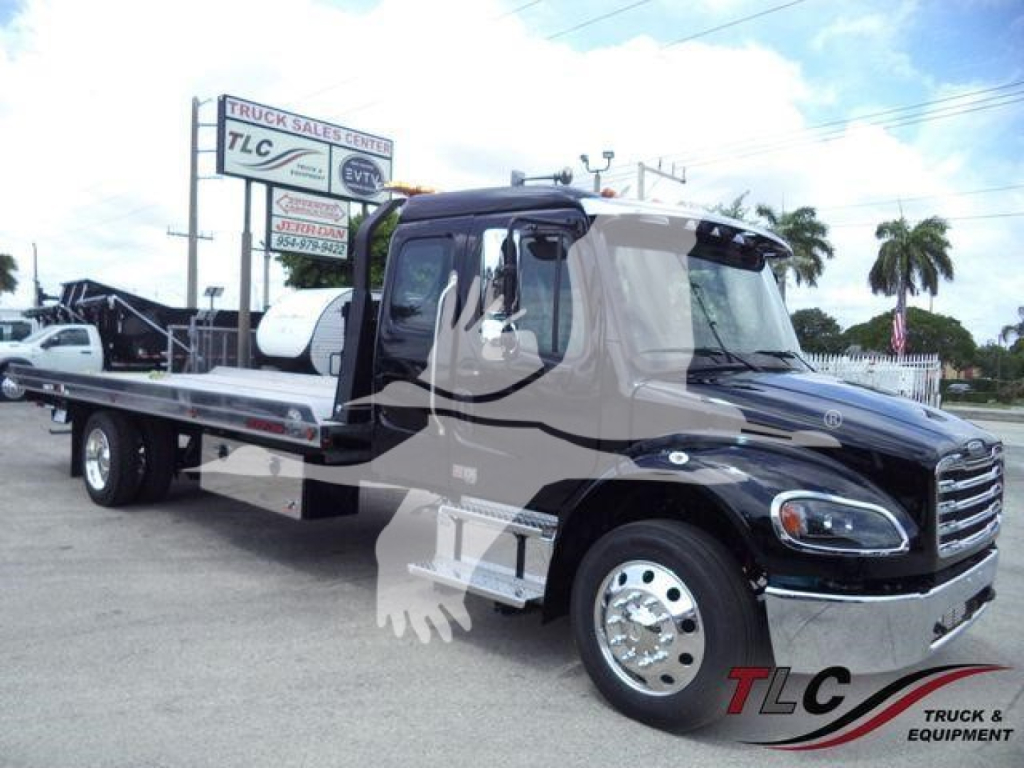
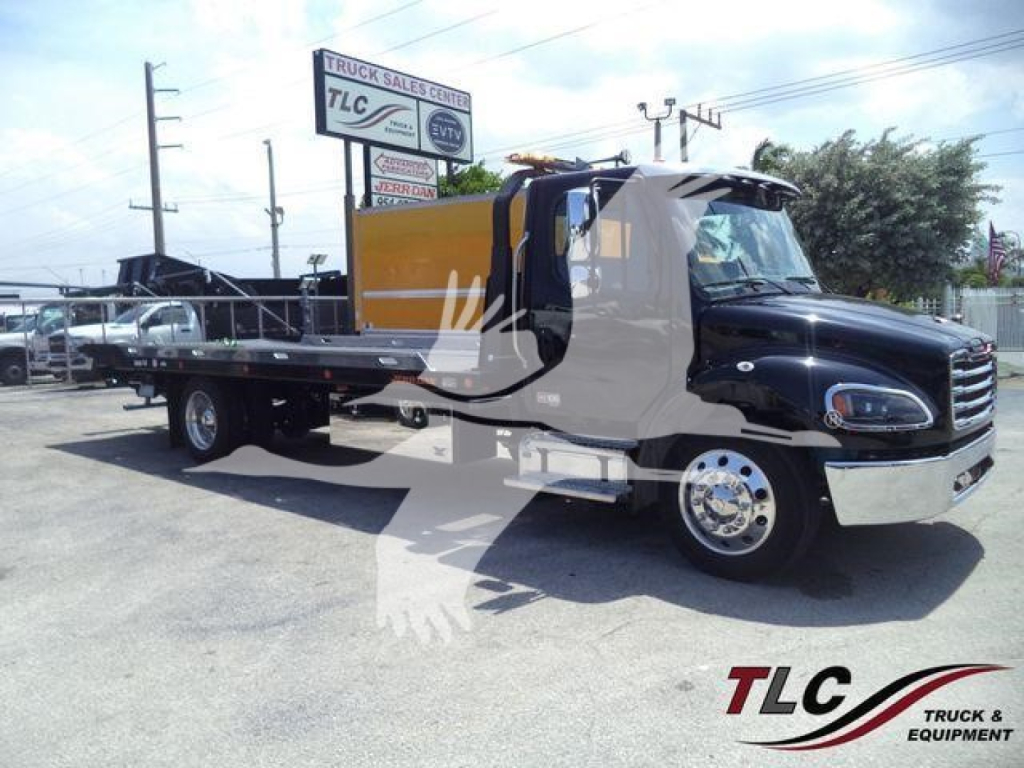
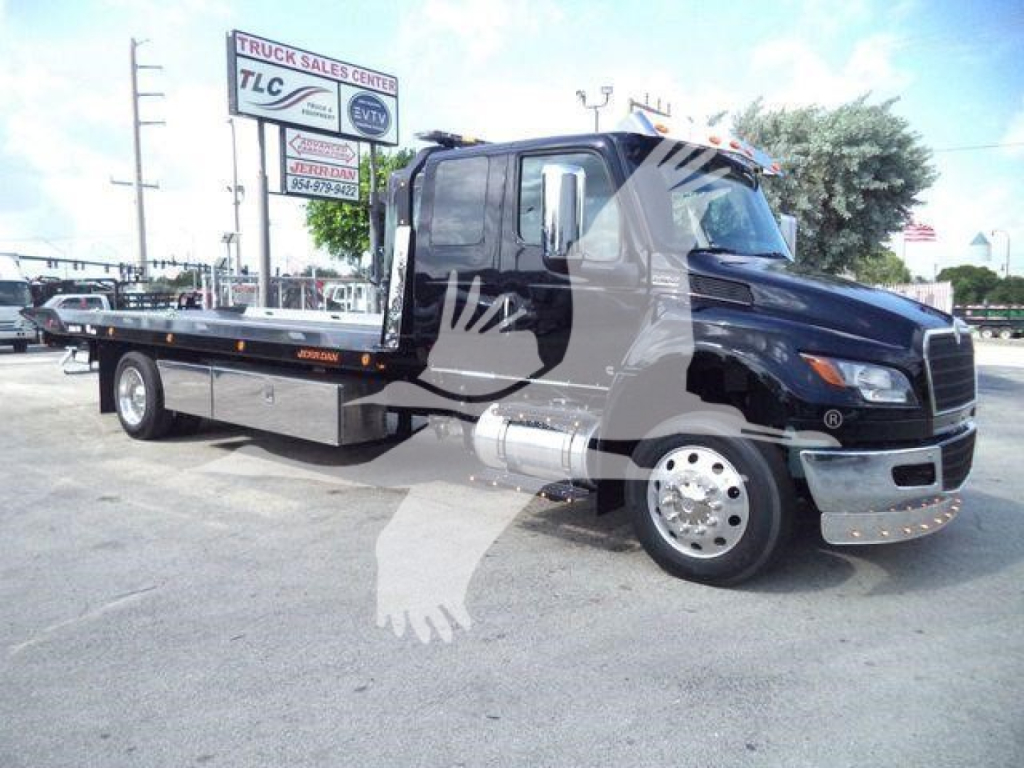
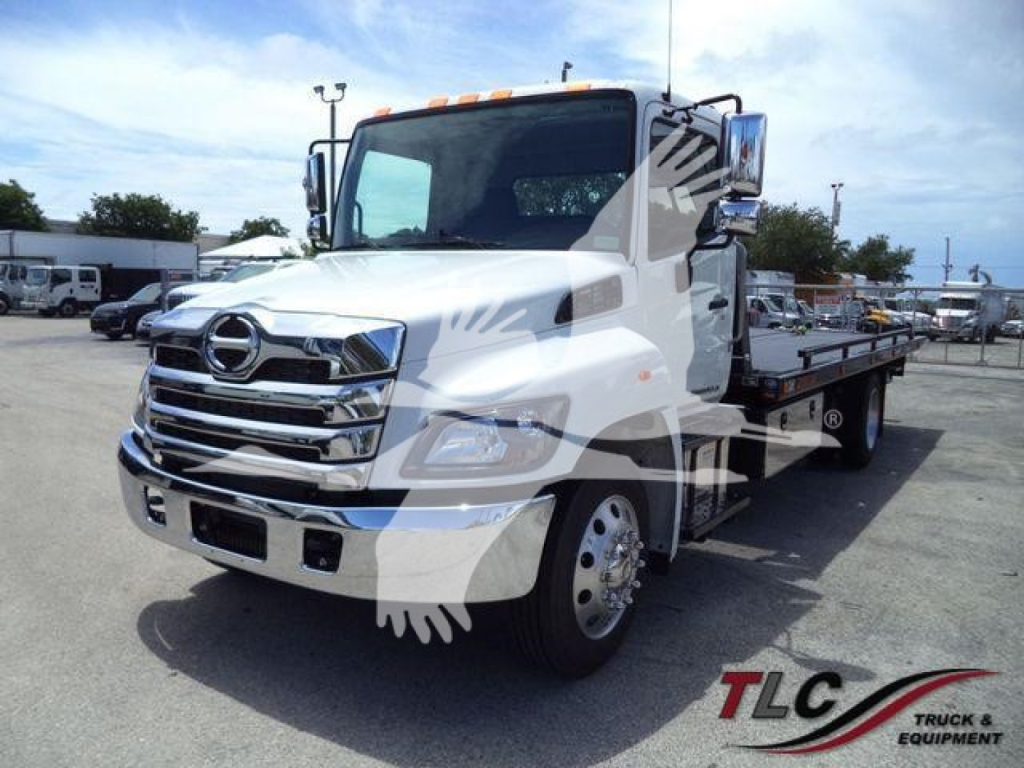
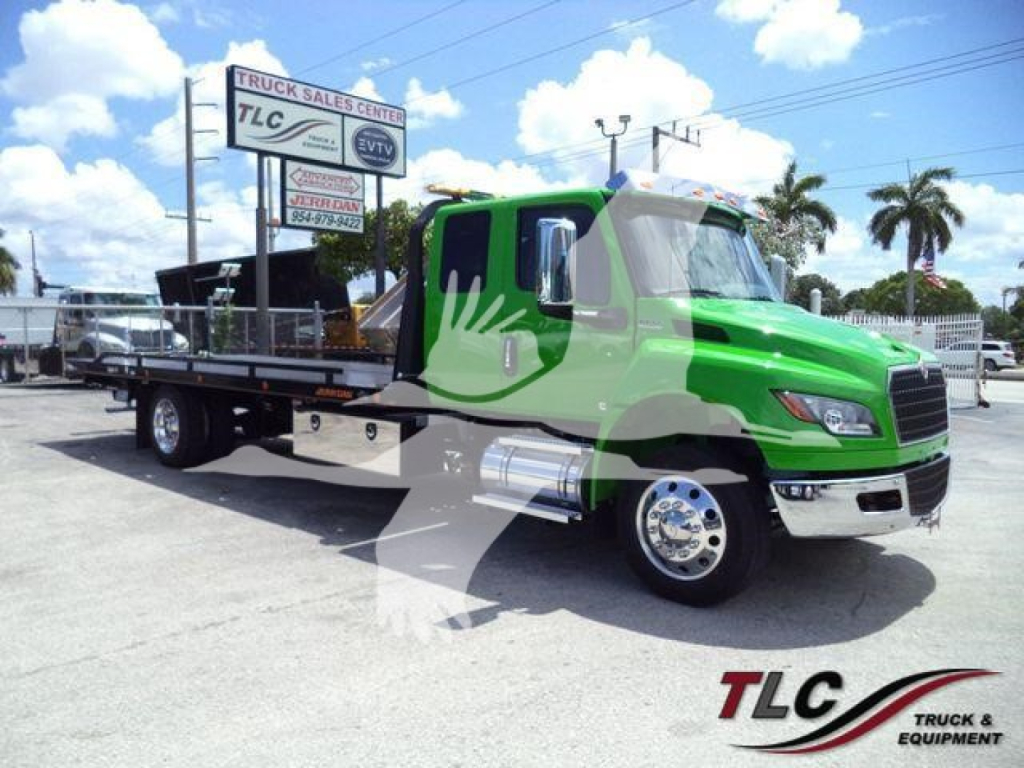
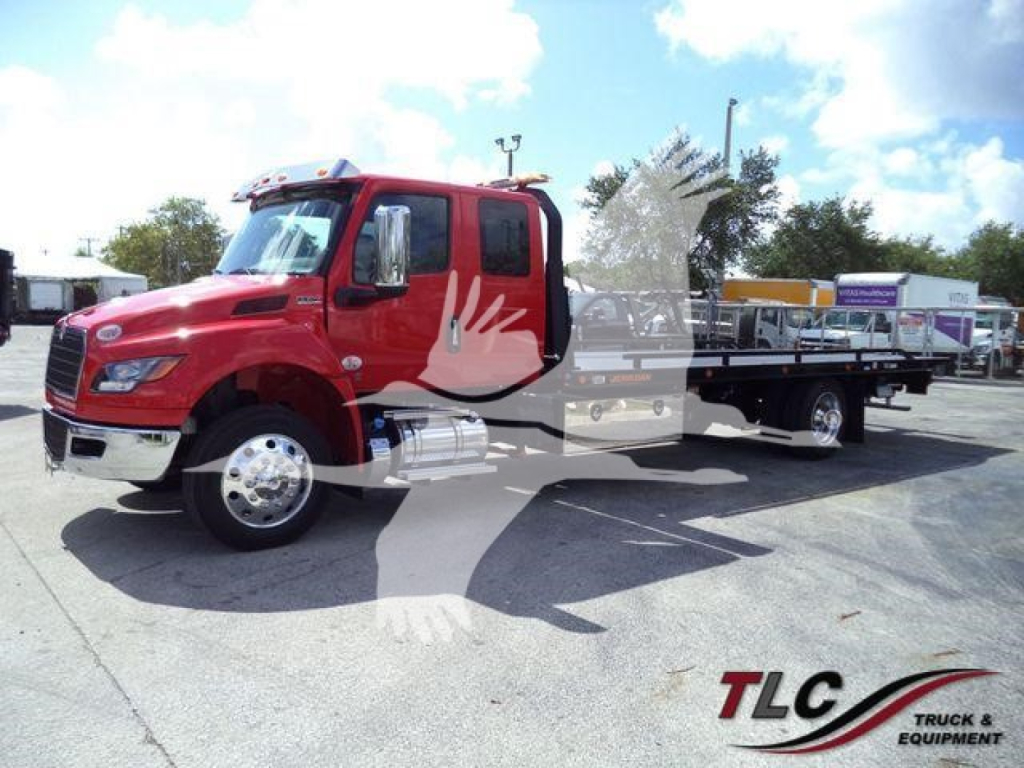
Showing 1 to 28 of 43 results
Selling a new 2027 commercial truck? List your new 2027 commercial truck for sale and reach thousands of commercial buyers.
New 2027 Commercial Trucks in Florida
Powertrain selection is one of the biggest decisions on a new truck. Diesel engines remain common for towing, rollback, and heavier vocational work because they deliver better low-end torque and hold up well under frequent load. Gas engines still make sense for lighter-duty routes, municipal use, or fleets focused on lower upfront cost and simpler emissions systems. Automatic transmissions dominate this segment, with Allison-equipped setups especially common on medium-duty tow and work trucks. Buyers should also compare 4x2 versus 4x4, front axle ratings, rear axle capacity, suspension type, and air brake versus hydraulic brake configurations. For many Florida operations, air ride suspension, locking differentials, and the right tire size can improve stability, ride quality, and jobsite performance.
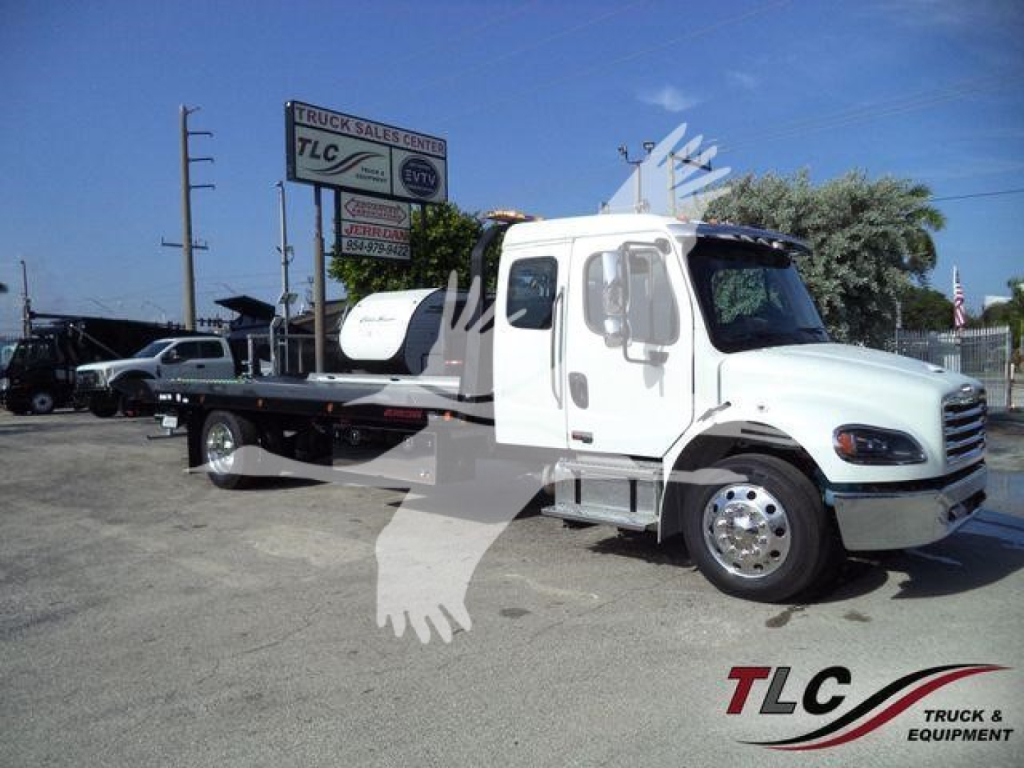
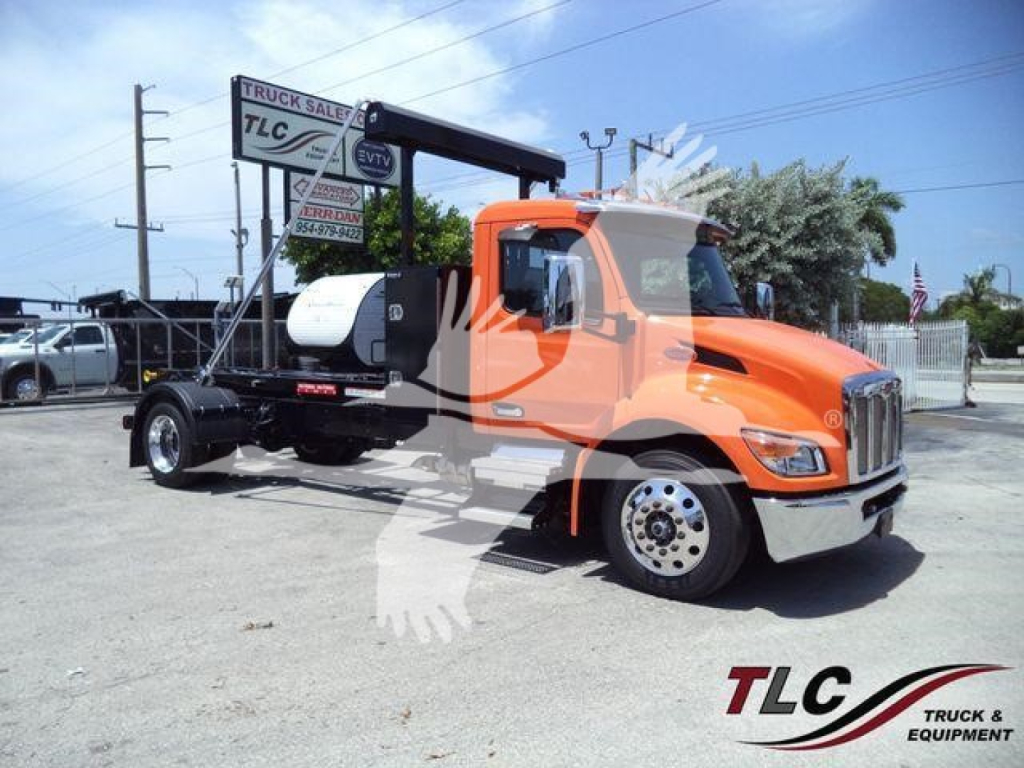
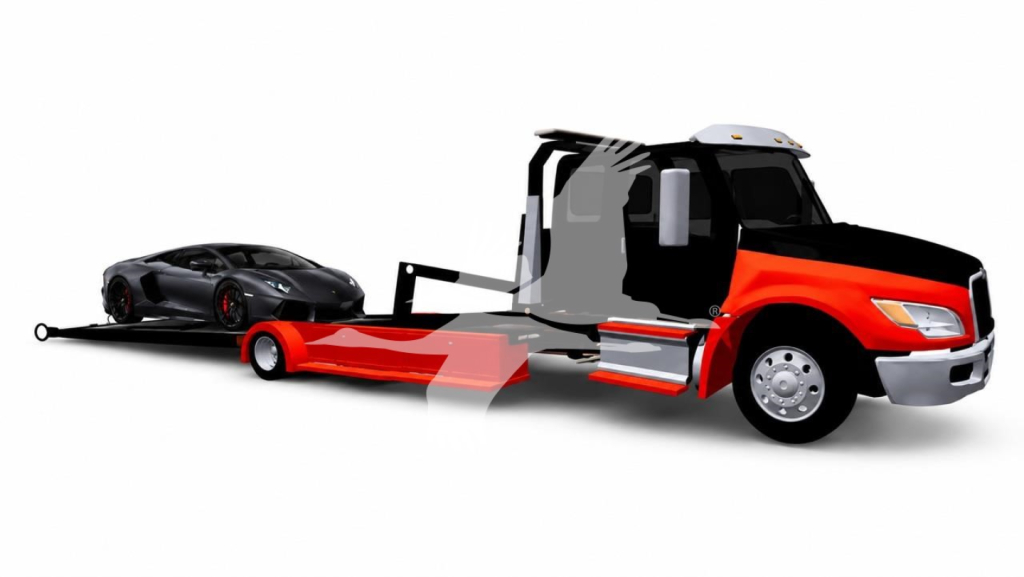
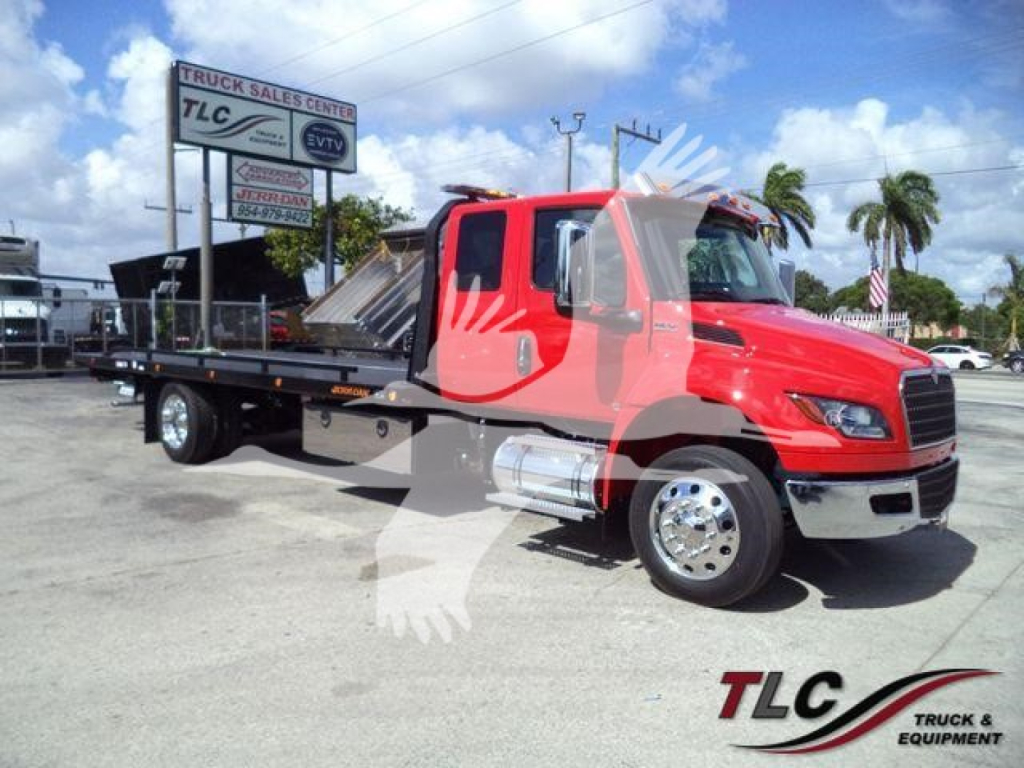
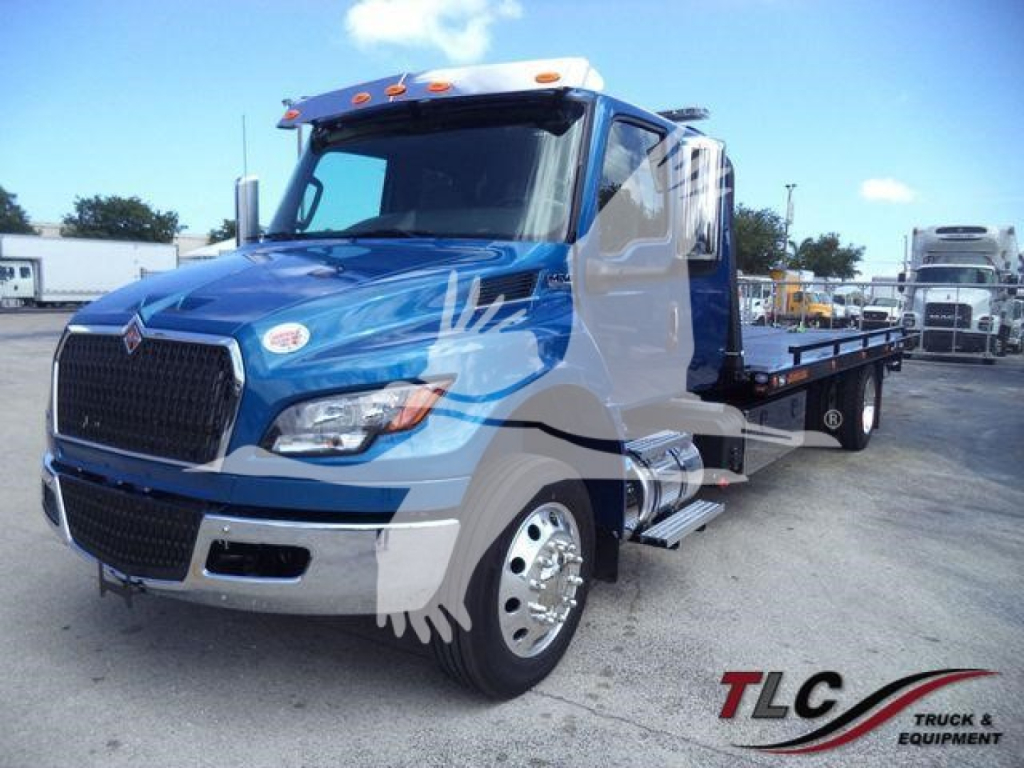
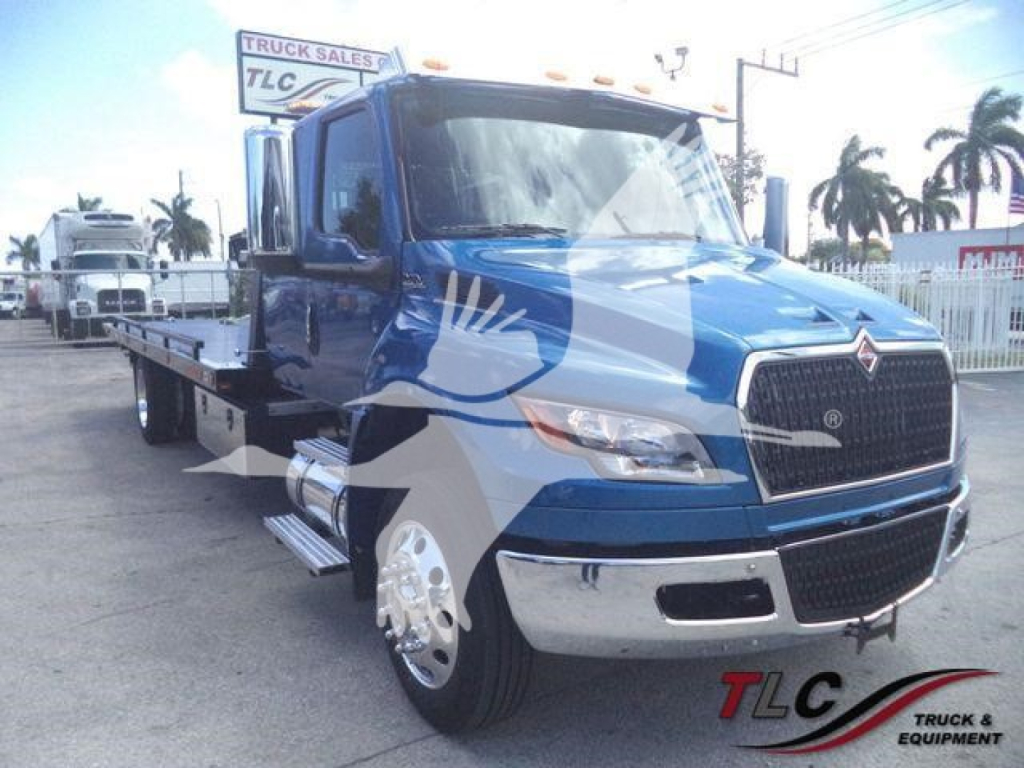
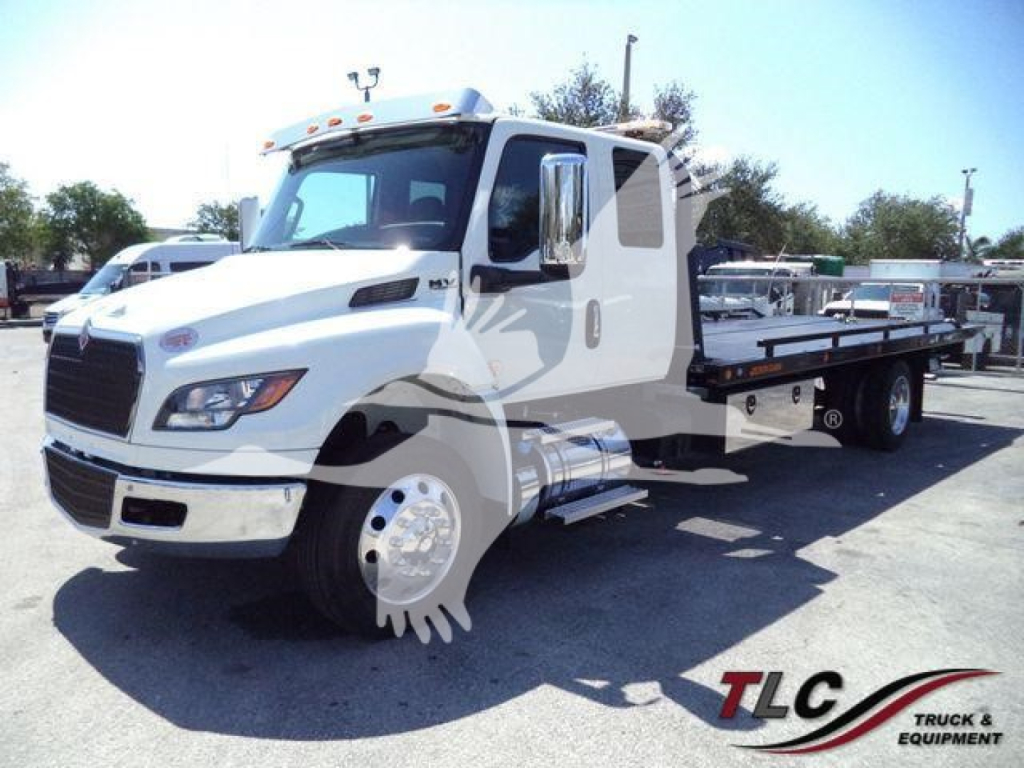
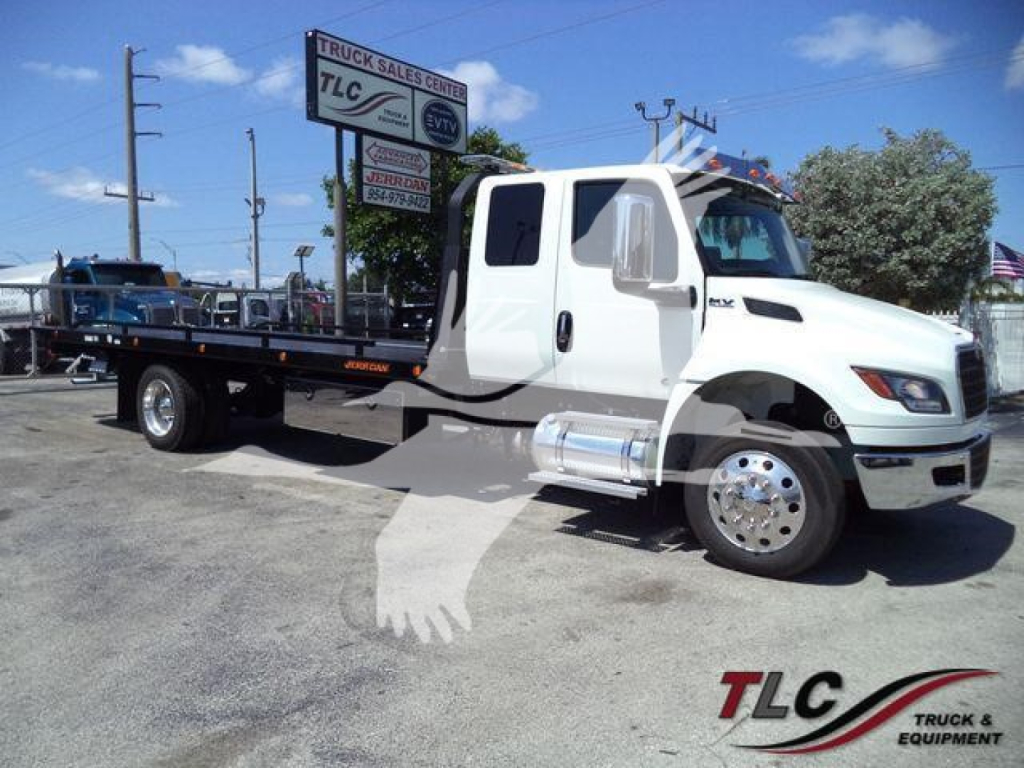
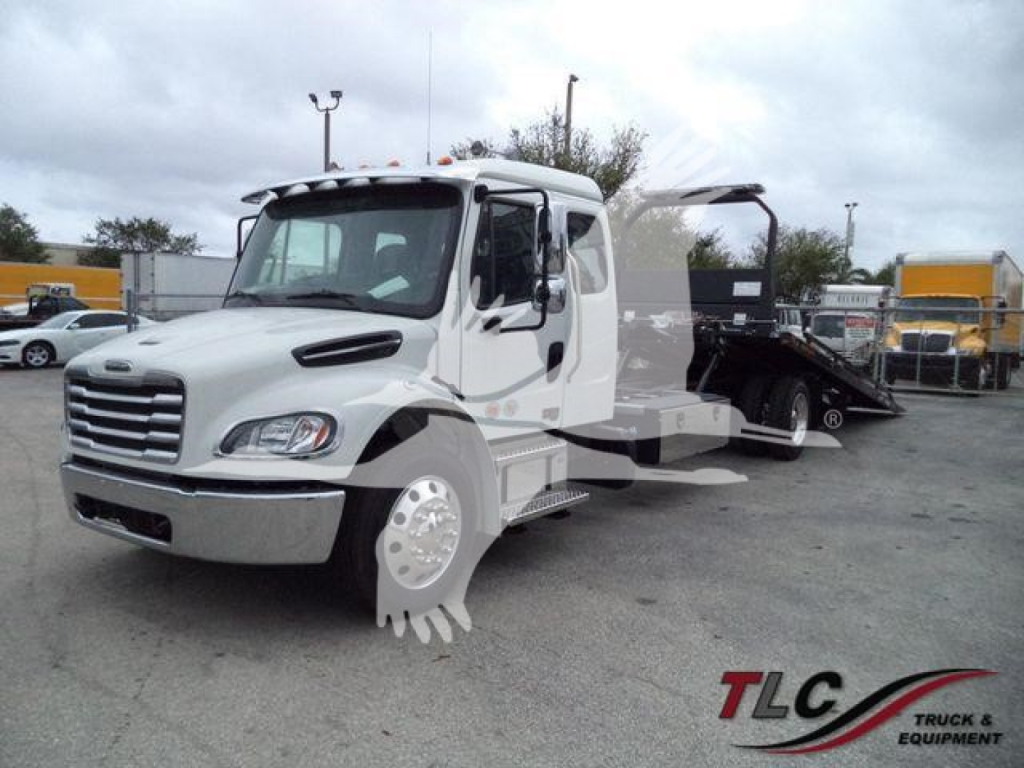
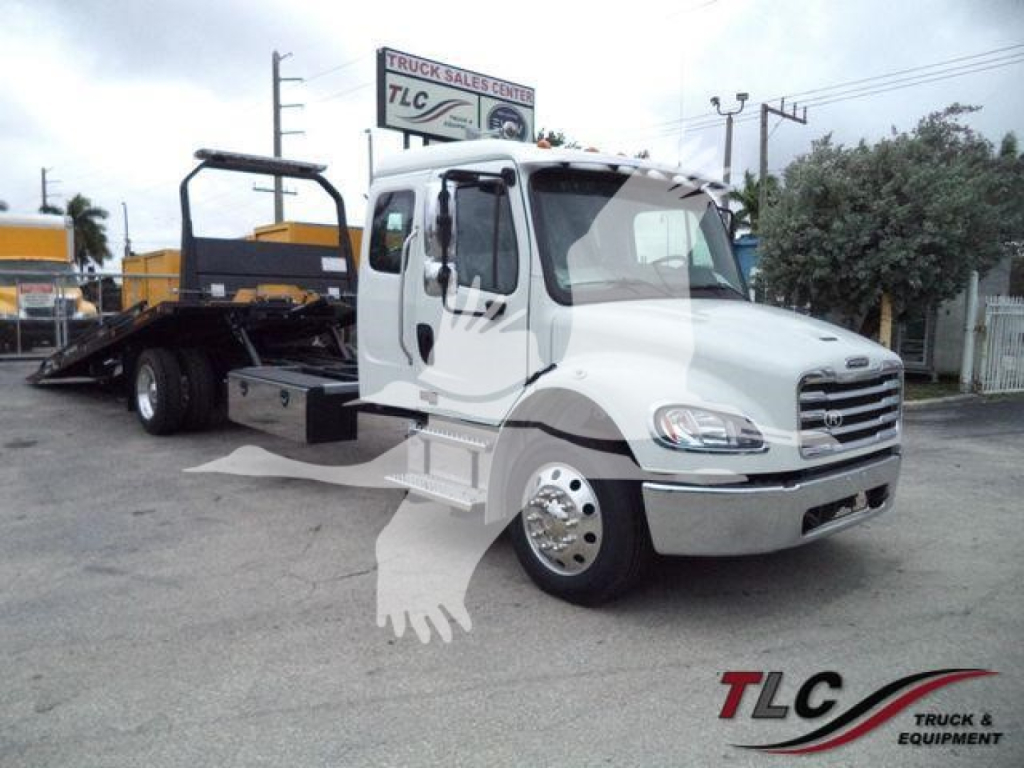
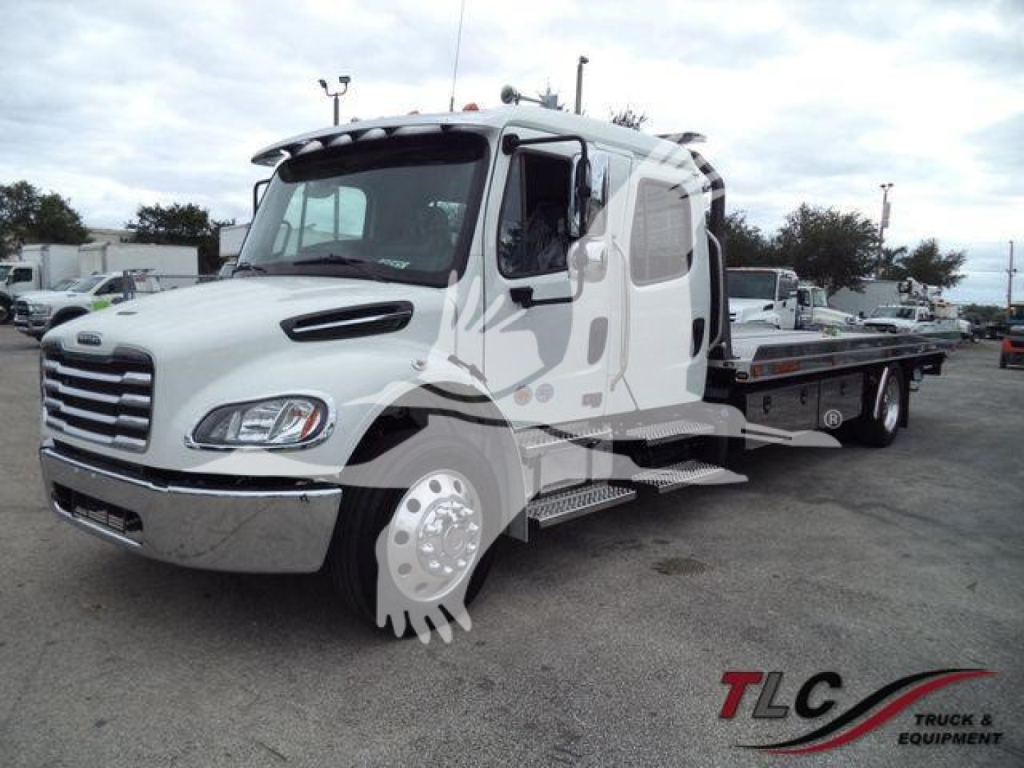
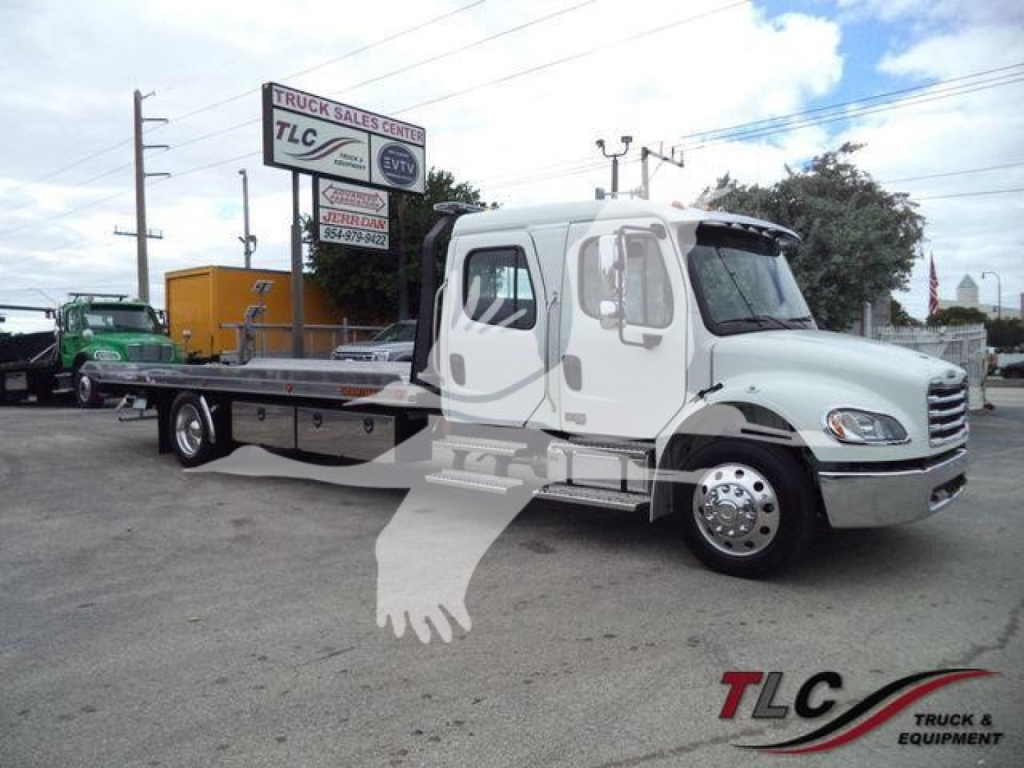
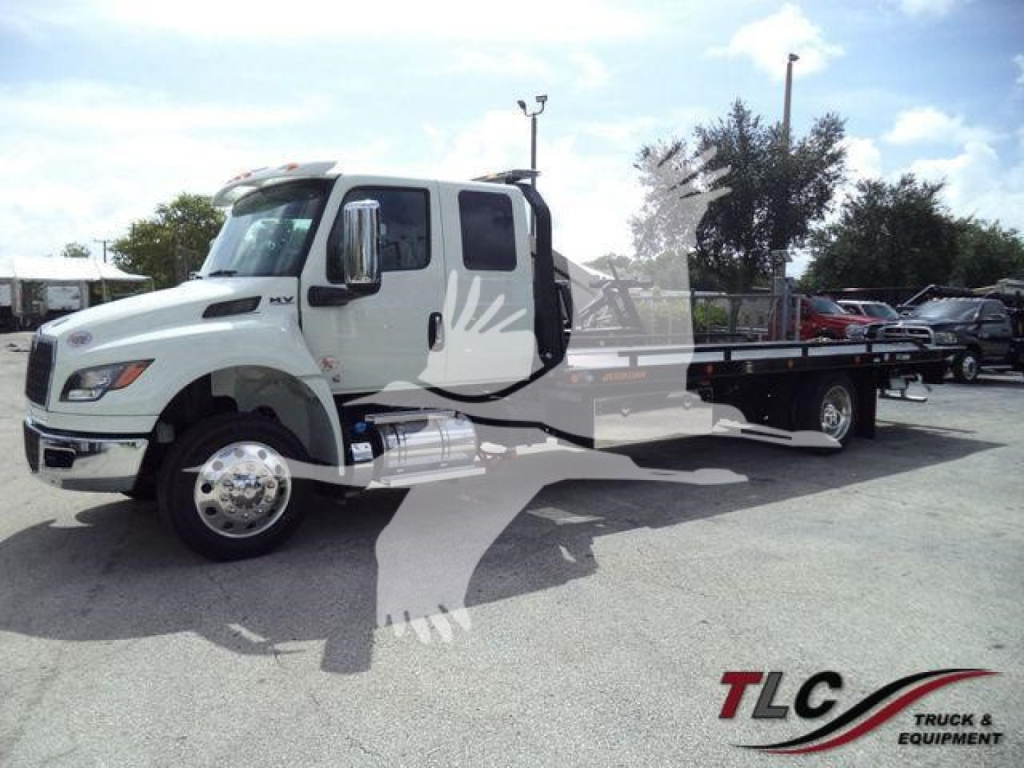
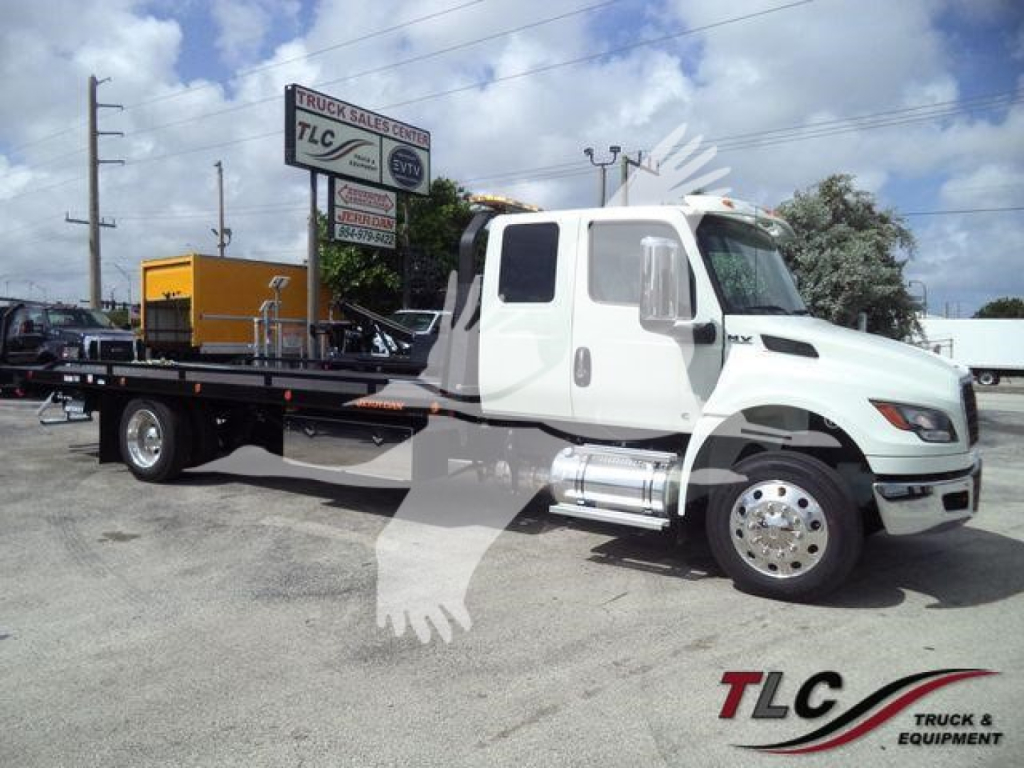
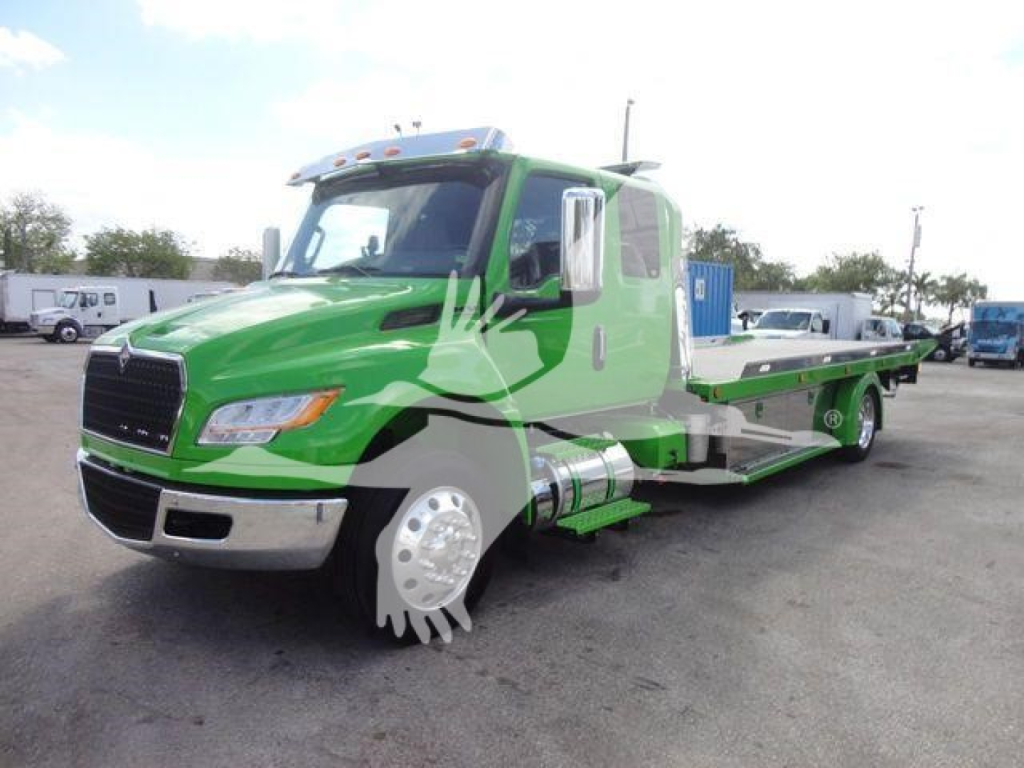
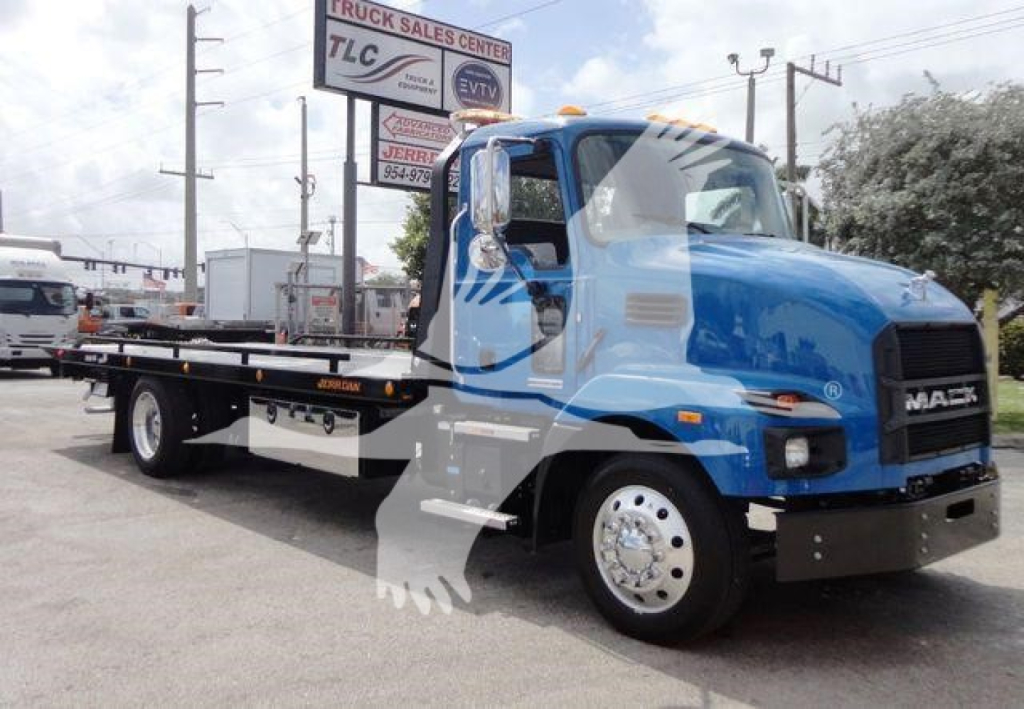
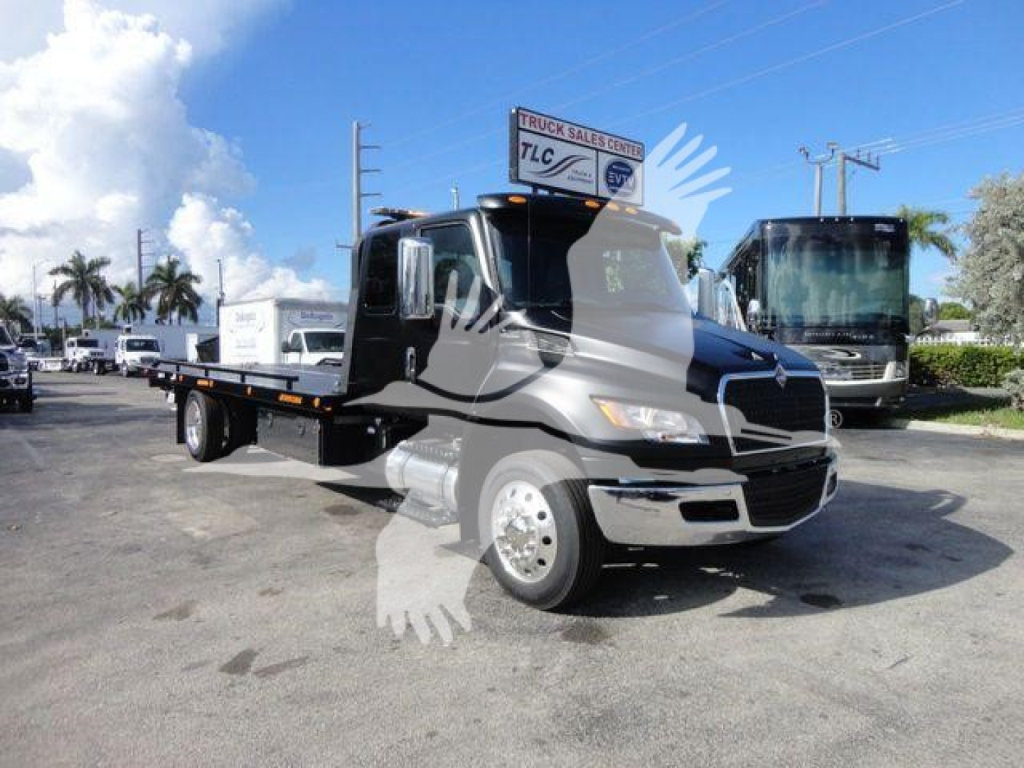
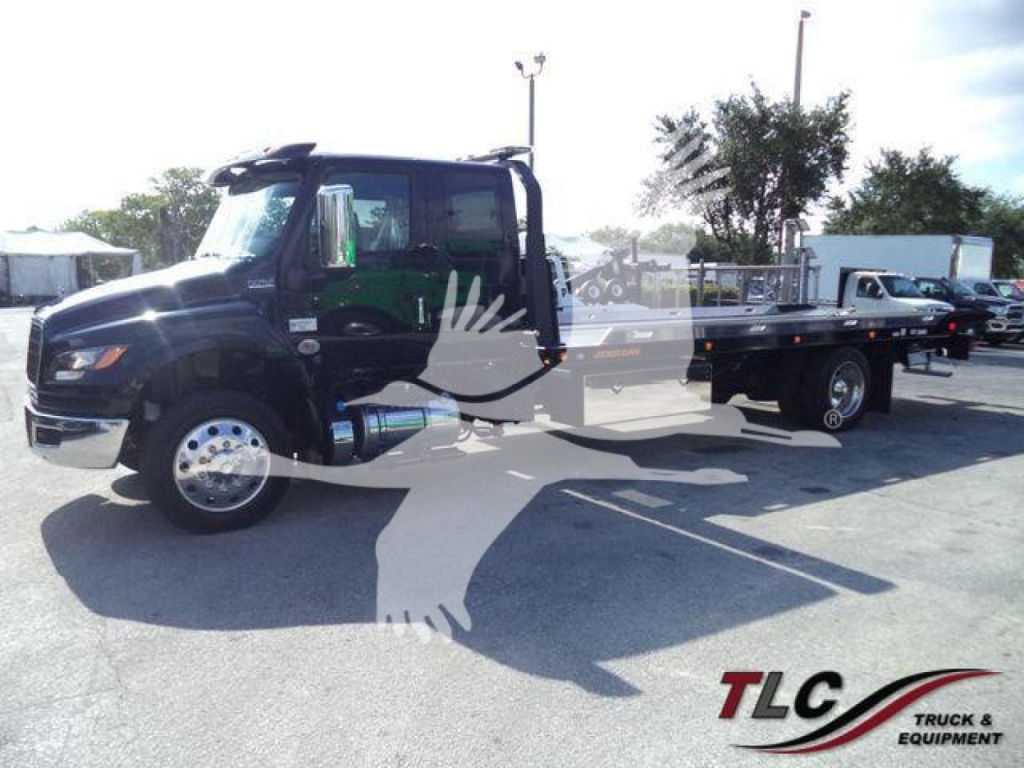
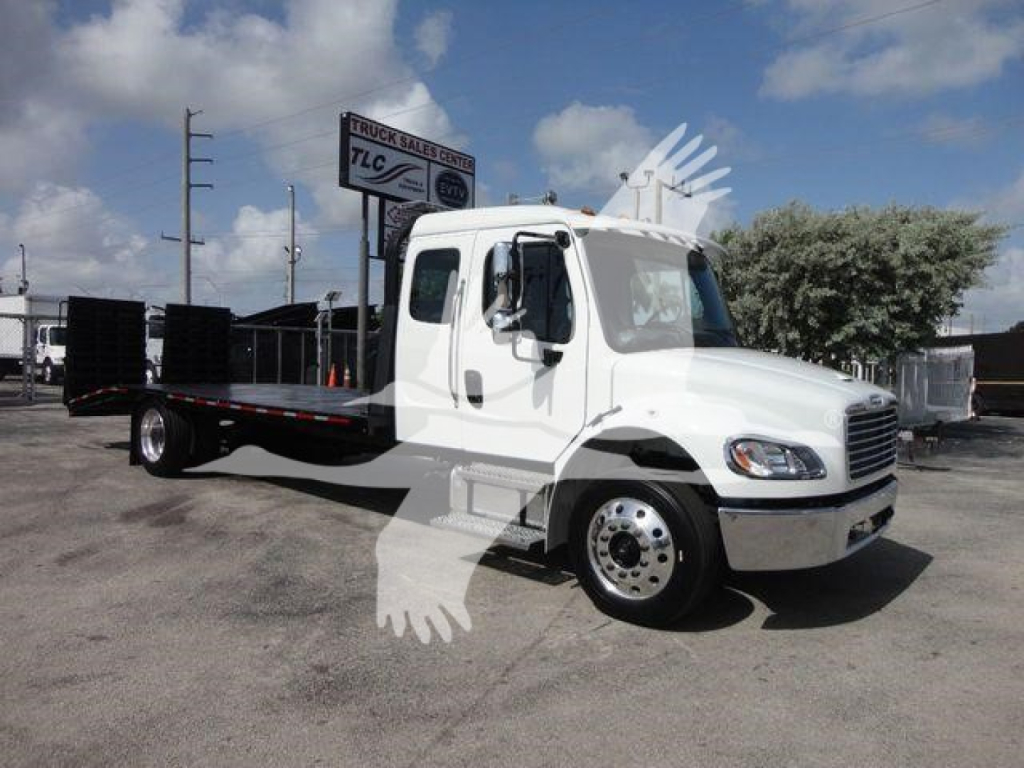
A large share of new vocational trucks are sold as chassis with an upfit already installed, so body spec is just as important as cab and engine spec. Rollback and car carrier trucks often feature 20-foot or 22-foot decks, low-profile steel or aluminum beds, wheel-lifts with L-arms, winches in the 8,000 to 10,000 pound range, toolbox storage, and LED work lighting. Wrecker and self-loader builds may add drag winches, autoloader equipment, and recovery accessories. Refuse and roll-off style trucks can be equipped with electric-over-hydraulic hoists, tarp systems, pintle or receiver hitches, and container handling gear. When comparing new 2027 trucks, pay close attention to body manufacturer support, warranty coverage, hydraulic layout, frame reinforcement, PTO setup, and how the upfit affects legal payload and wheelbase balance.
Florida buyers should also think beyond base specs and focus on operating fit. Cab size, seating, mirror packages, backup visibility, camera systems, and tool storage all affect day-to-day productivity. Aluminum wheels, stainless trim, sealed lighting, and durable coatings can help with appearance and corrosion control in coastal or high-moisture service. For CDL planning, many buyers target 26,000 GVWR configurations to stay under the CDL threshold, while others step up for higher capacity and better body options. A well-matched new 2027 truck should meet axle and body demands, stay compliant with local and federal requirements, and give enough reserve capacity for the actual work cycle rather than just the lightest day on the schedule.
Frequently Asked Questions about New 2027 Commercial Trucks in Florida
What types of new 2027 trucks are commonly sold in Florida?
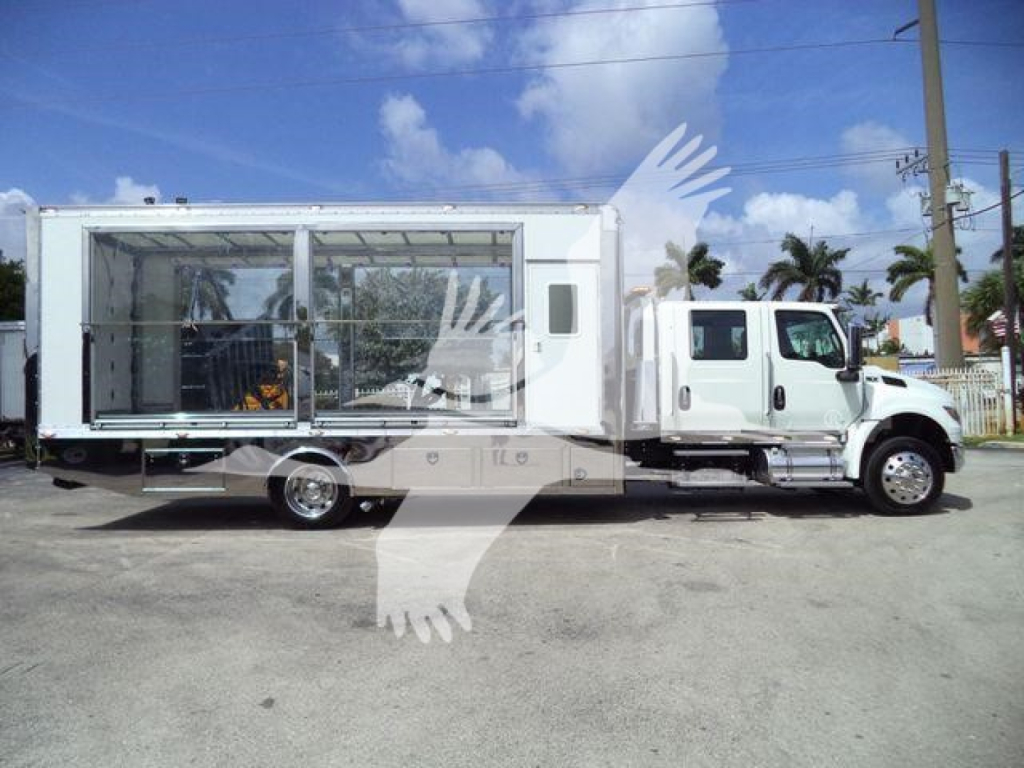
Florida buyers often shop new 2027 trucks in medium-duty and vocational categories such as rollback tow trucks, wreckers, hooklift and roll-off trucks, dump trucks, flatbeds, service trucks, and delivery chassis. Common platforms include Class 4, 5, 6, and 7 trucks from major commercial brands, often sold with a completed body or ready for upfit. The best fit depends on GVWR, axle ratings, body type, and how the truck will be used in towing, hauling, municipal, contractor, or fleet service.
What GVWR should I look for on a new vocational truck?
GVWR should match the body weight, cargo or recovery load, passenger count, fuel, and any tools or accessories carried every day. Many buyers focus on 19,500 GVWR or 26,000 GVWR trucks because those ratings are common for rollback, service, and contractor applications. A 26,000 GVWR truck is especially popular because it can maximize usable capacity while staying below the federal CDL threshold in many situations, but the full legal requirement still depends on the truck configuration, trailer use, and state and federal regulations.
Is diesel or gas better for a new 2027 work truck?
Diesel is usually the better choice for heavier towing, rollback service, and high-mile vocational work because it provides stronger torque and generally handles sustained load more efficiently. Gas engines can be a smart option for lighter-duty applications, lower annual mileage, or fleets that want lower upfront cost and less complexity in emissions-related service. The right answer depends on duty cycle, idle time, average payload, maintenance planning, and how long the truck is expected to stay in service.
What should I check on a new rollback or tow truck chassis?
Start with GVWR, front and rear axle ratings, wheelbase, brake system, suspension, engine horsepower and torque, and transmission pairing. Then verify that the chassis is properly matched to the carrier bed or wrecker body, including frame capacity, PTO or hydraulic requirements, fuel tank placement, and cab-to-axle dimensions. On rollback builds, deck length, deck width, wheel-lift rating, winch capacity, and storage layout are all key specs because they directly affect what vehicles the truck can load and transport safely.
Why does Florida operating environment matter when buying a new truck?
Florida conditions put extra emphasis on cooling performance, corrosion resistance, and reliable operation in heat, humidity, and frequent stop-and-go traffic. Trucks used near the coast benefit from durable finishes, aluminum components where appropriate, sealed electrical connections, and lighting that stands up to moisture exposure. For fleets running daily vocational routes, comfort features such as air ride seats, strong air conditioning, good mirror visibility, and practical storage can also make a noticeable difference in driver productivity and truck uptime.