
International Trucks For Sale in Florida
Shop International trucks in Florida, from LT and RH sleepers to MV and HV vocational. Optimize payload, cooling, corrosion protection, and uptime now
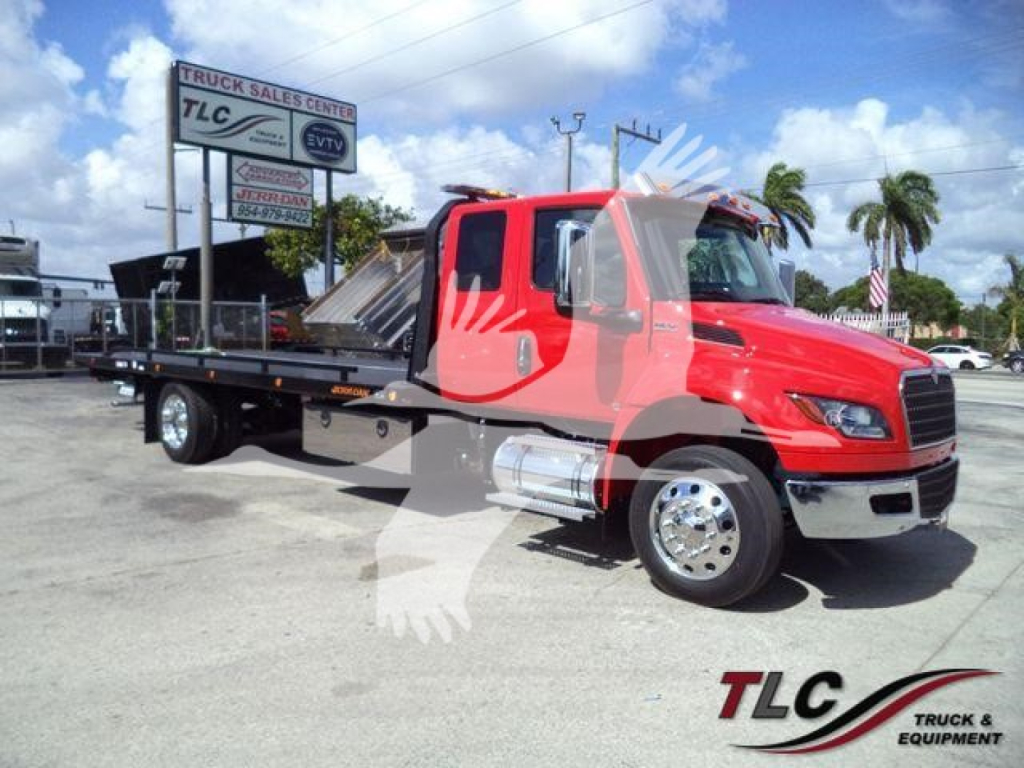
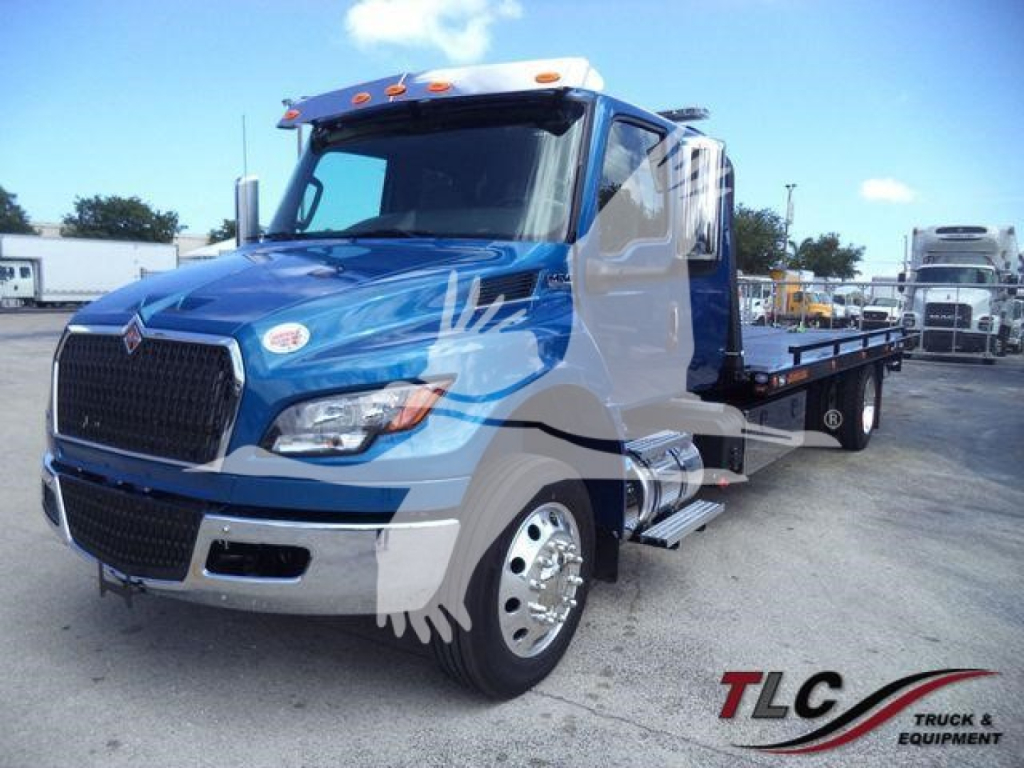
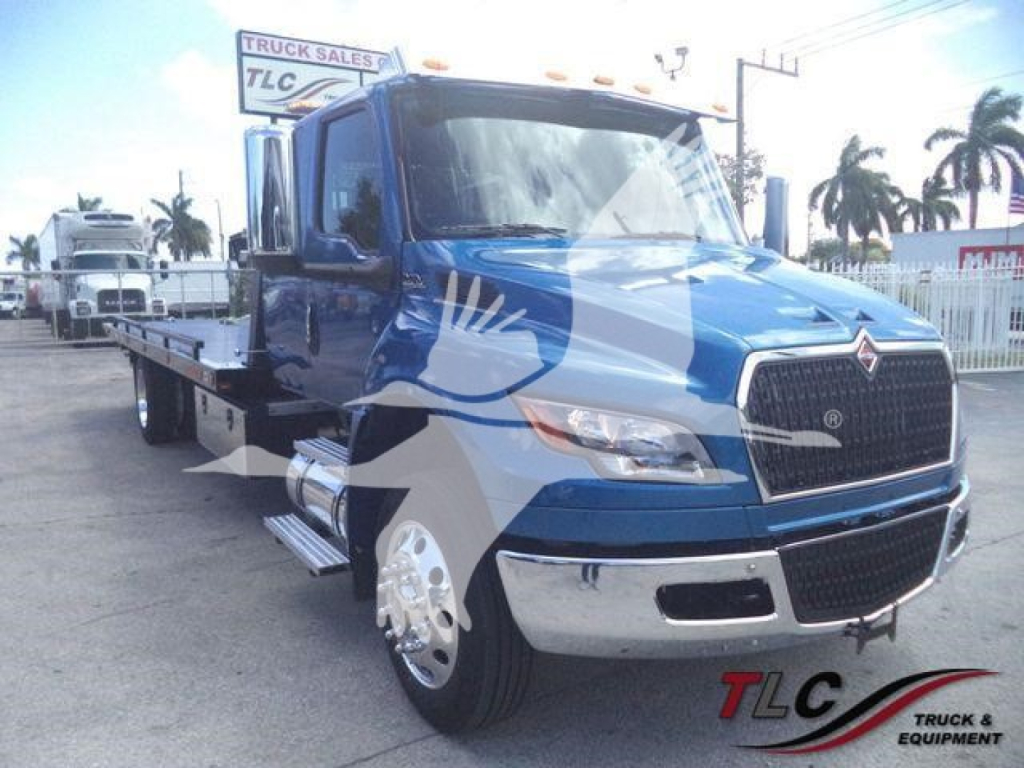
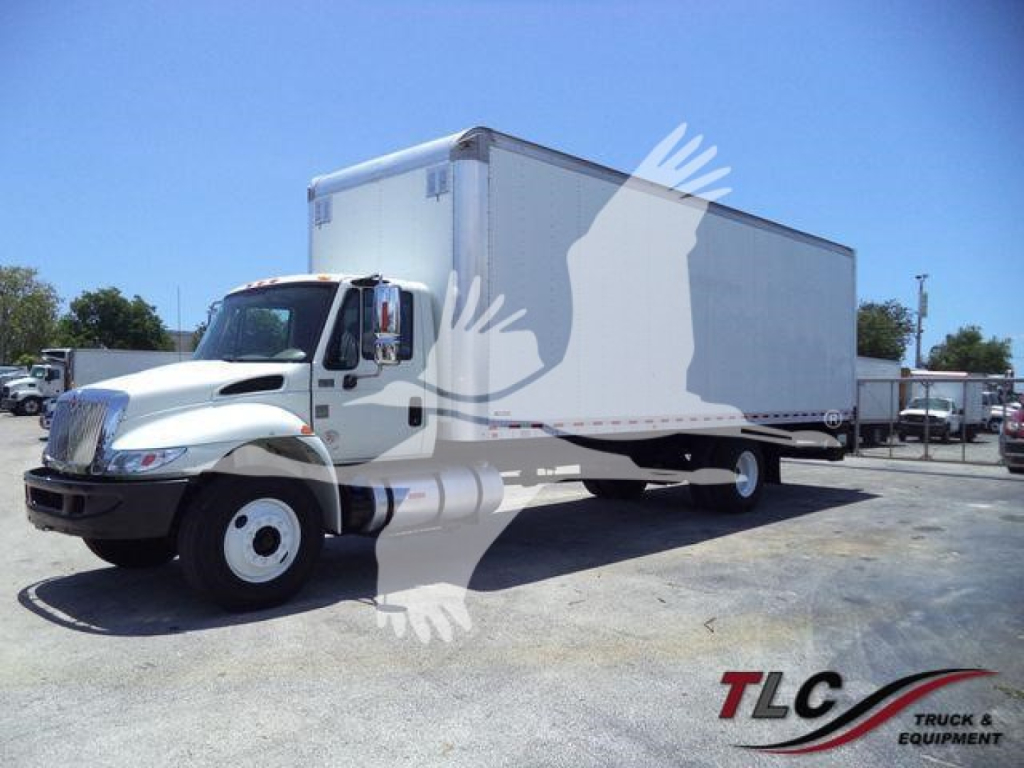
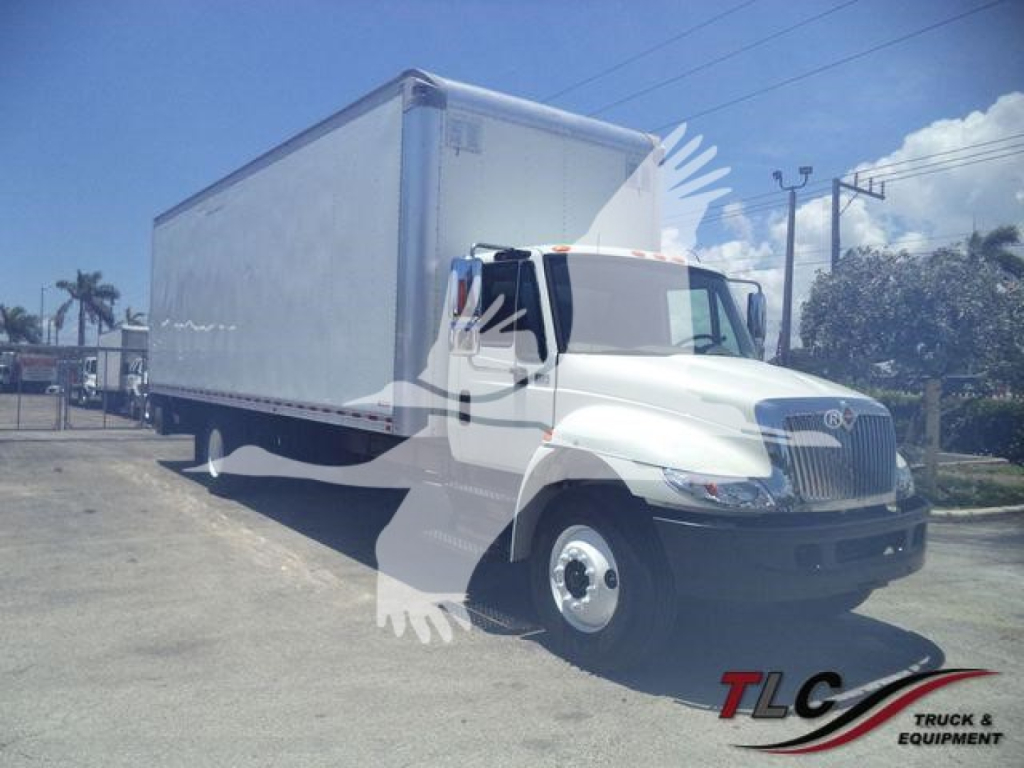
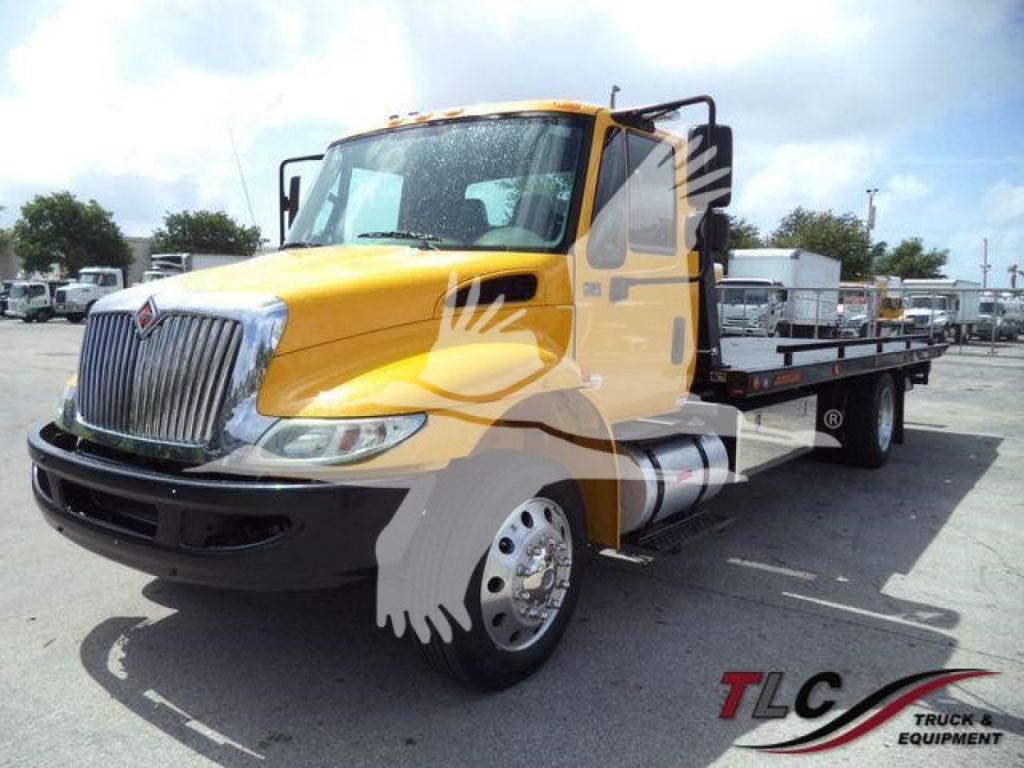
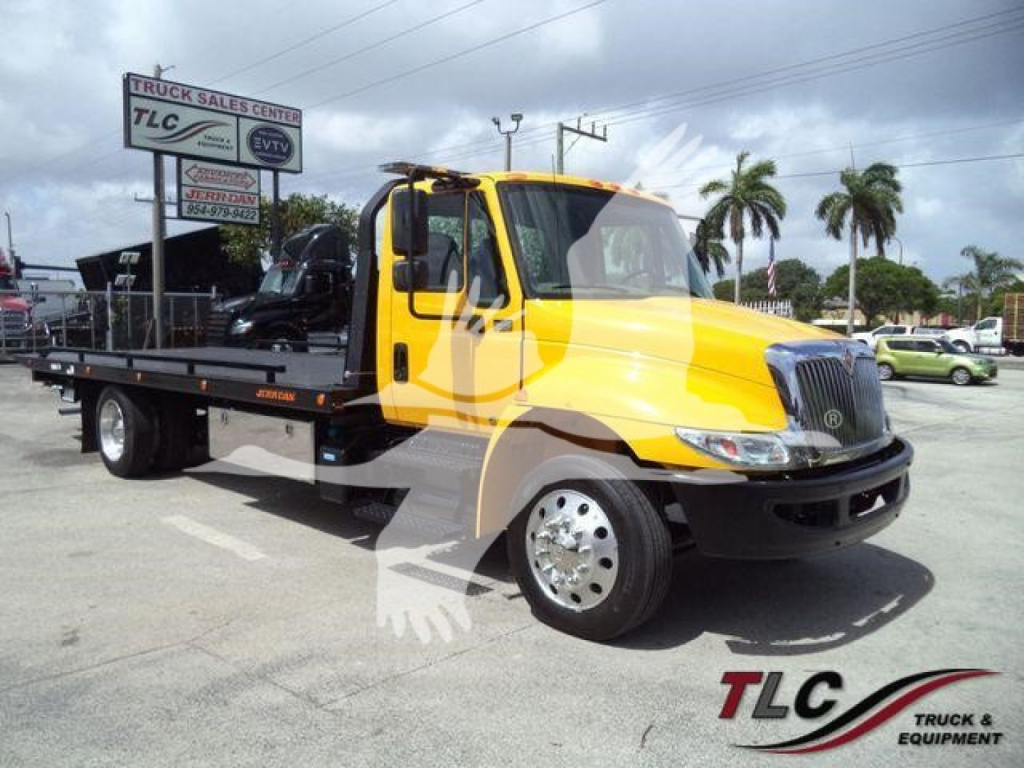
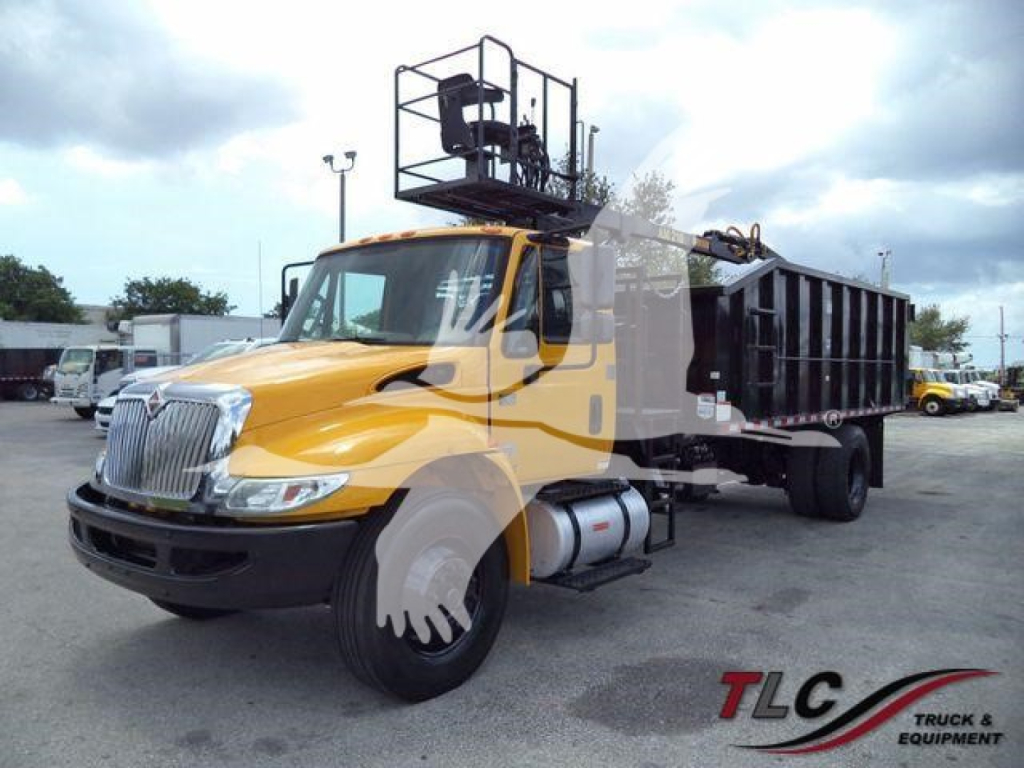
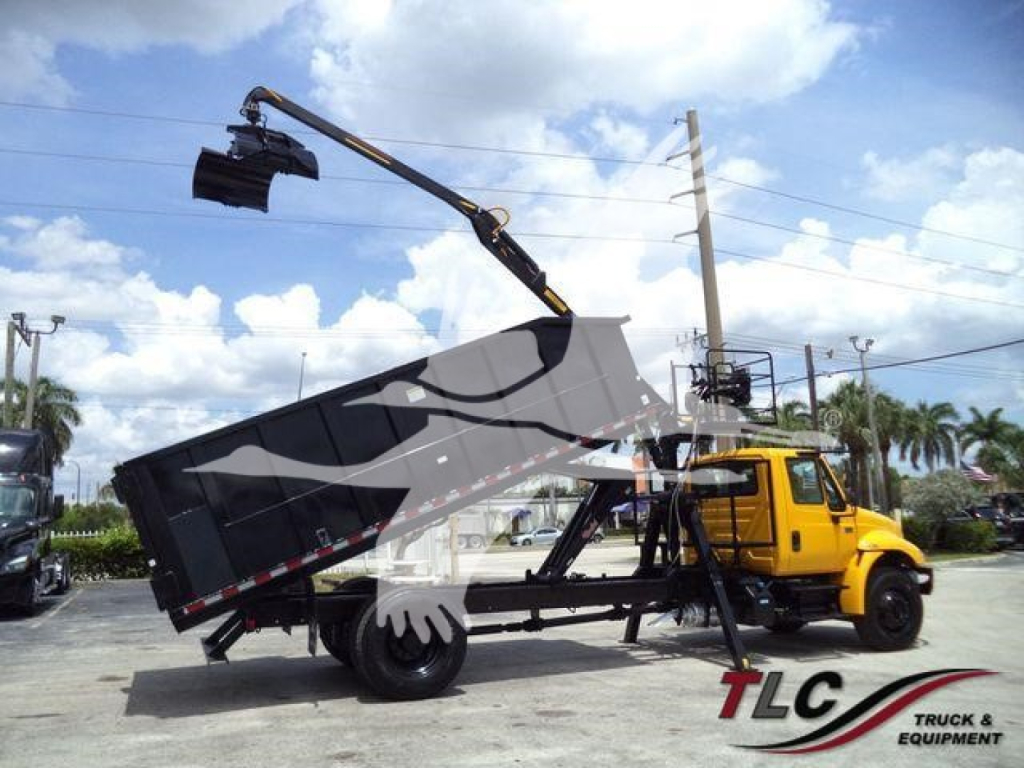
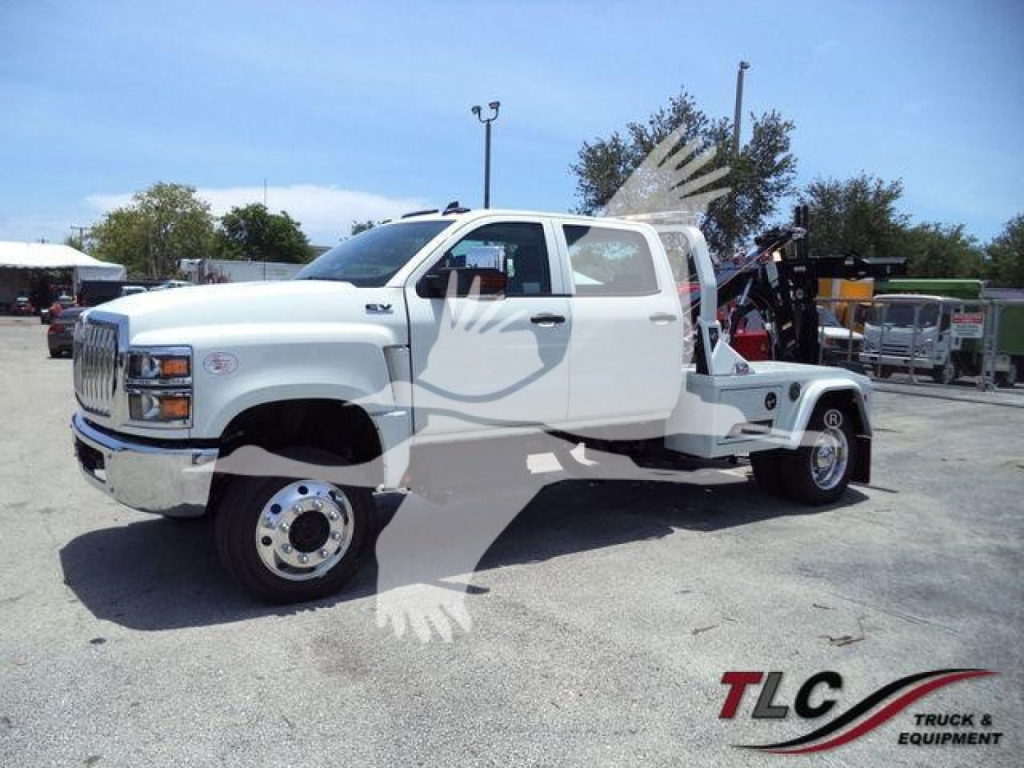
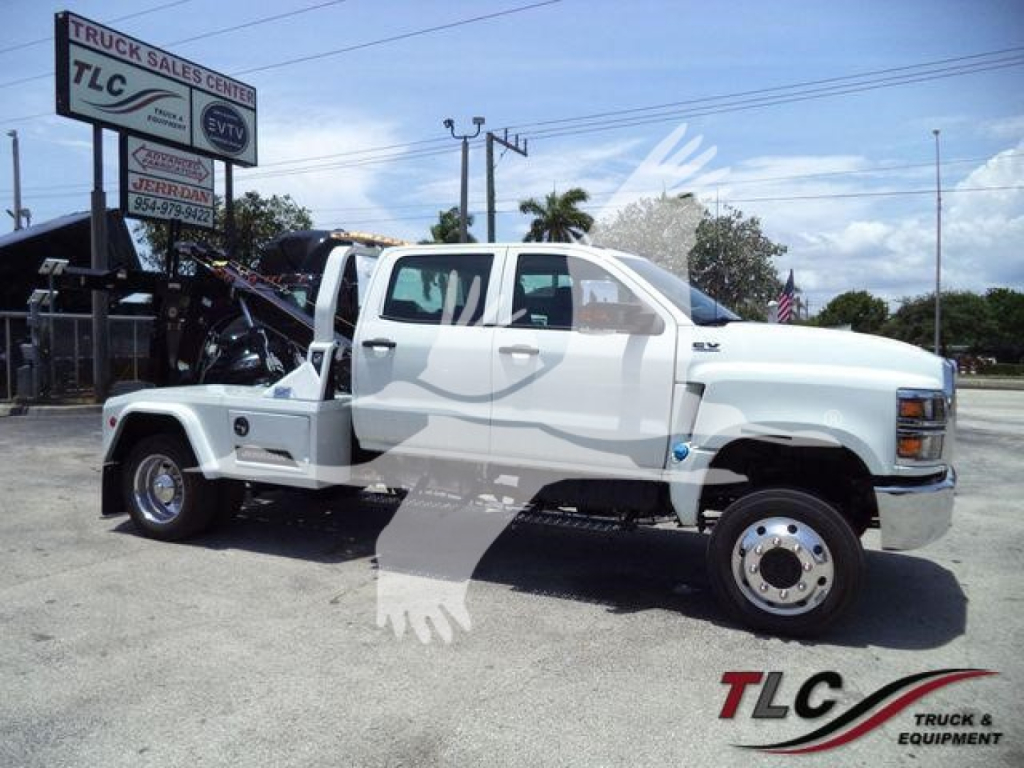
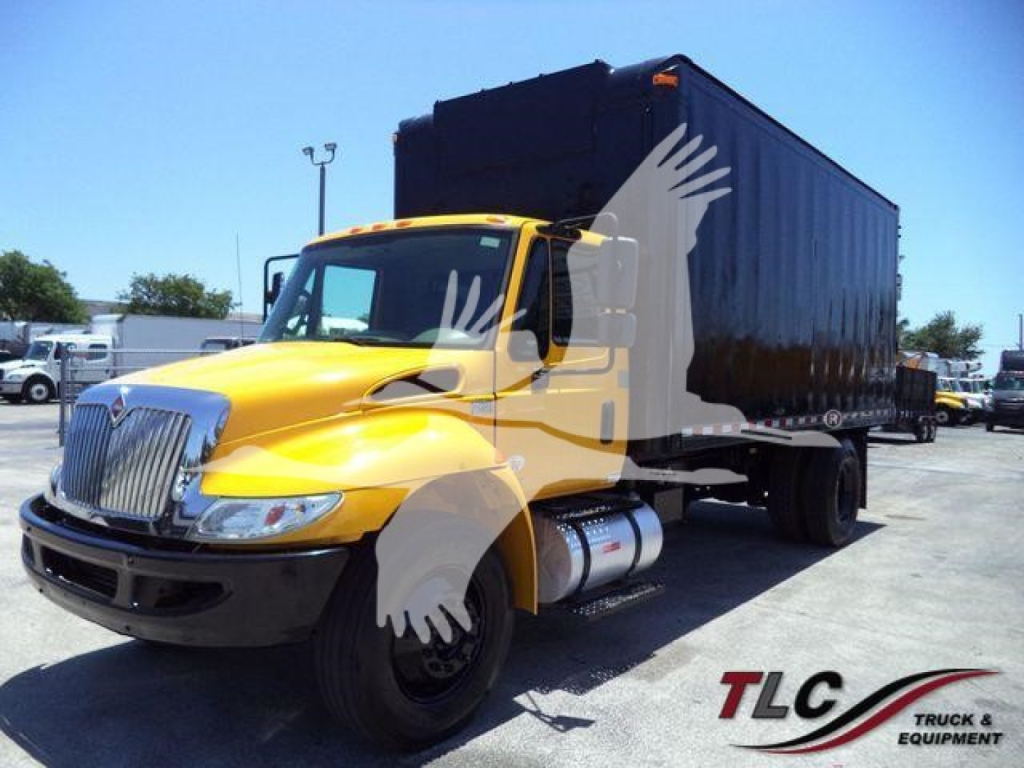
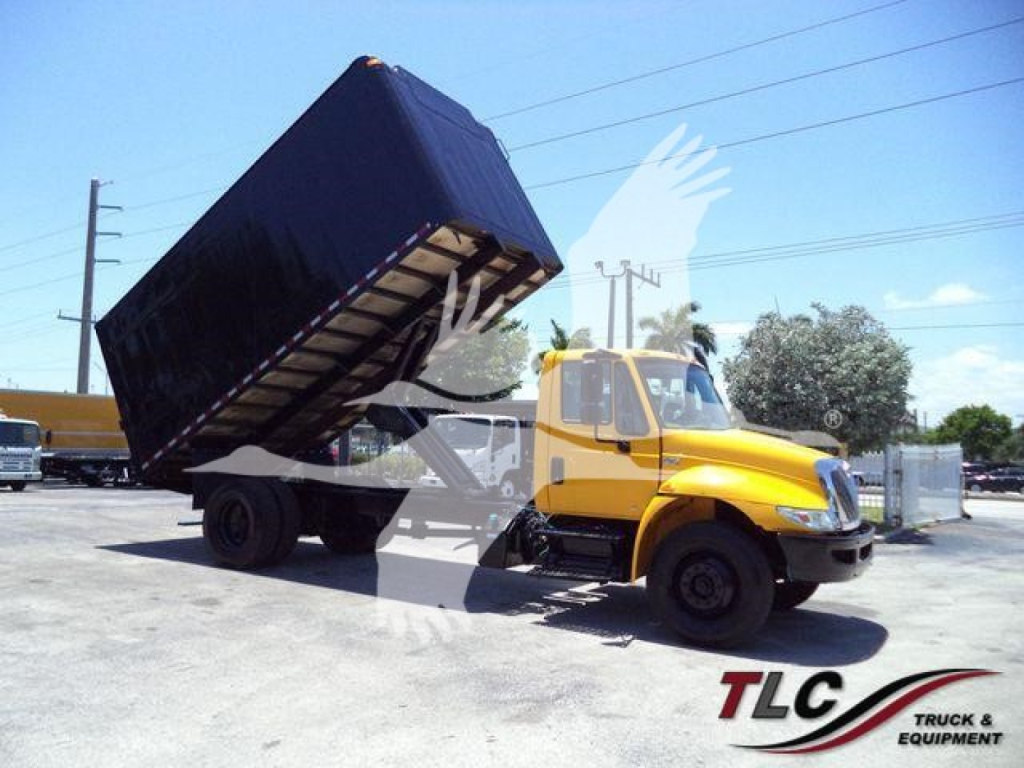
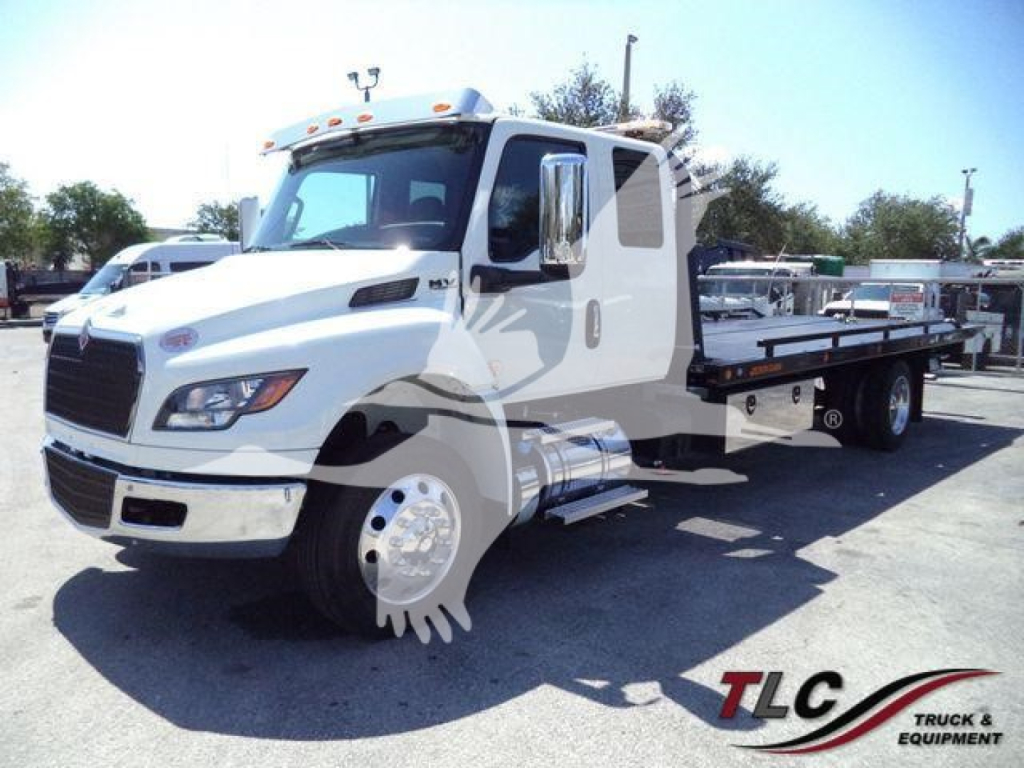
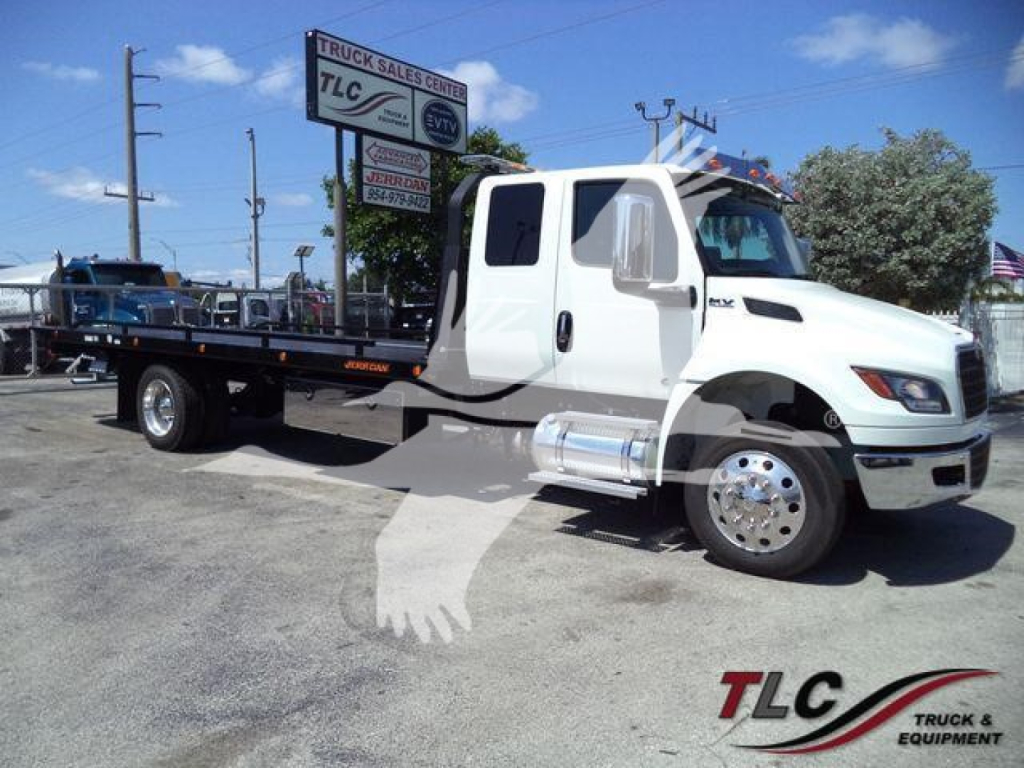
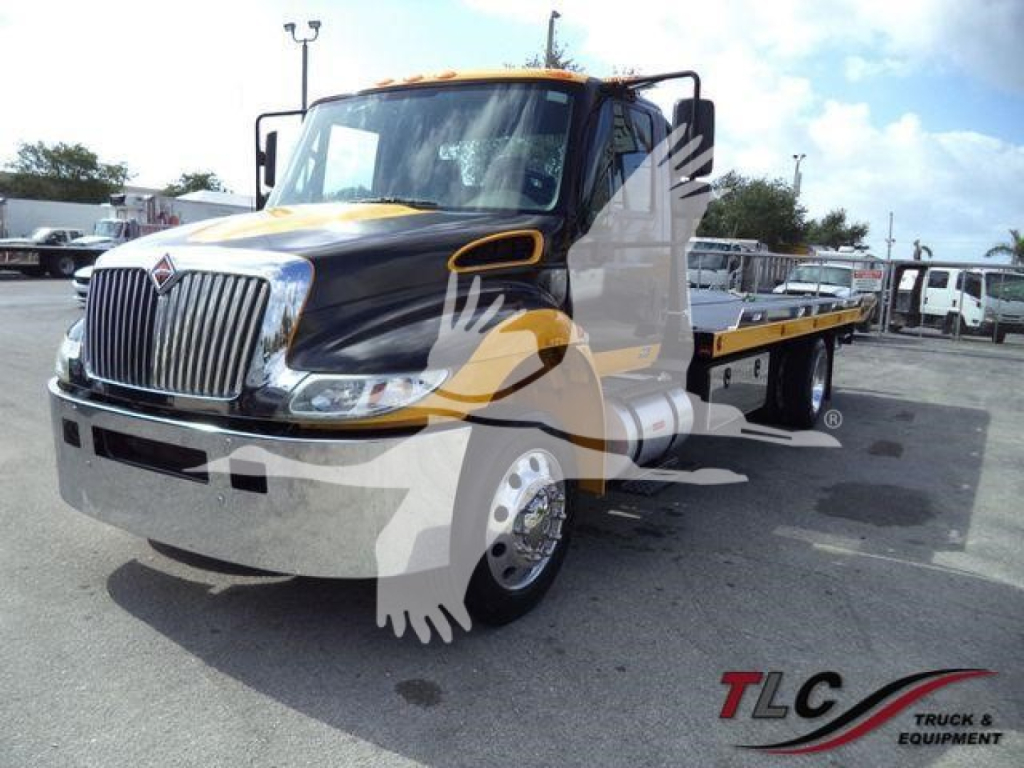
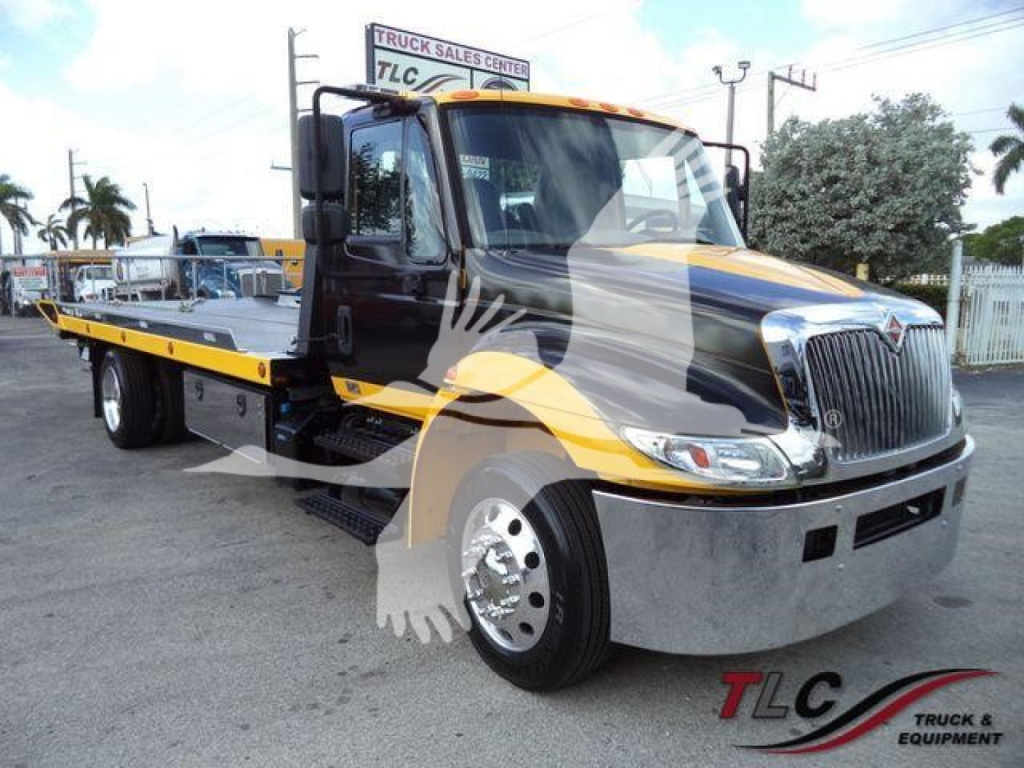
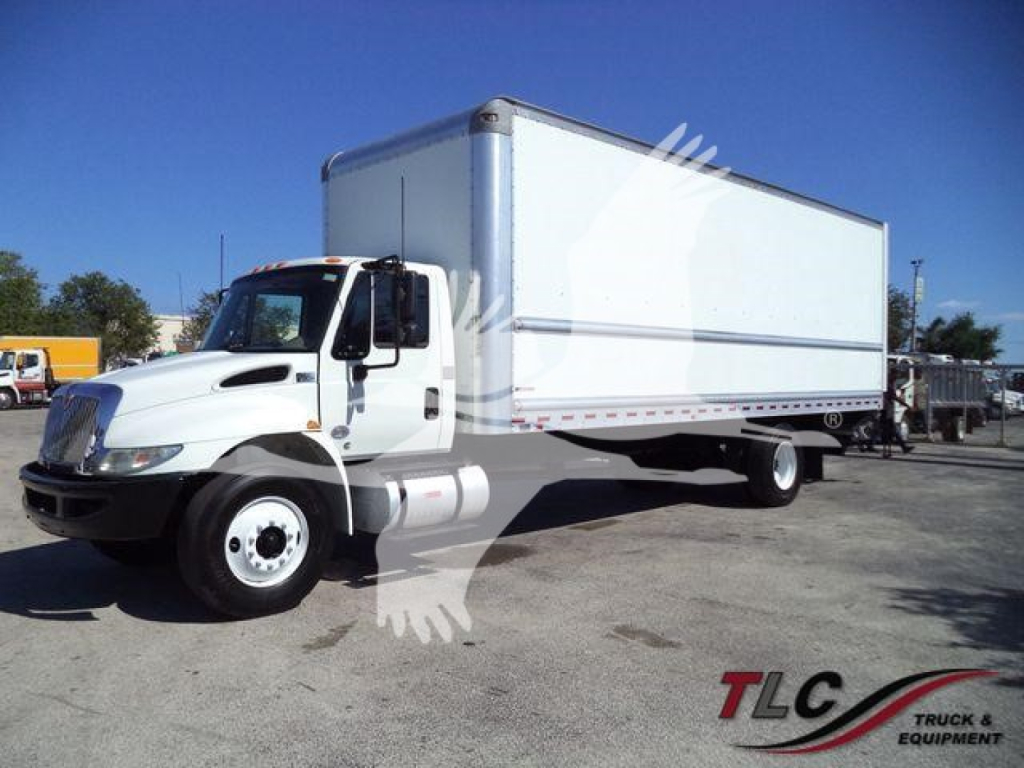
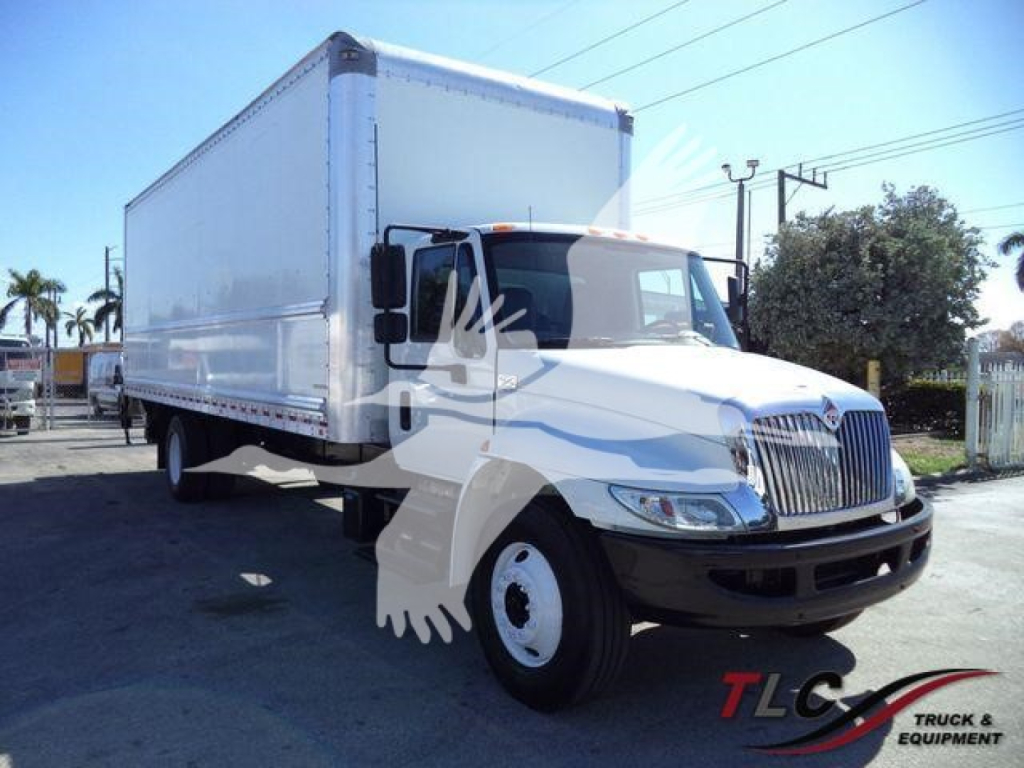
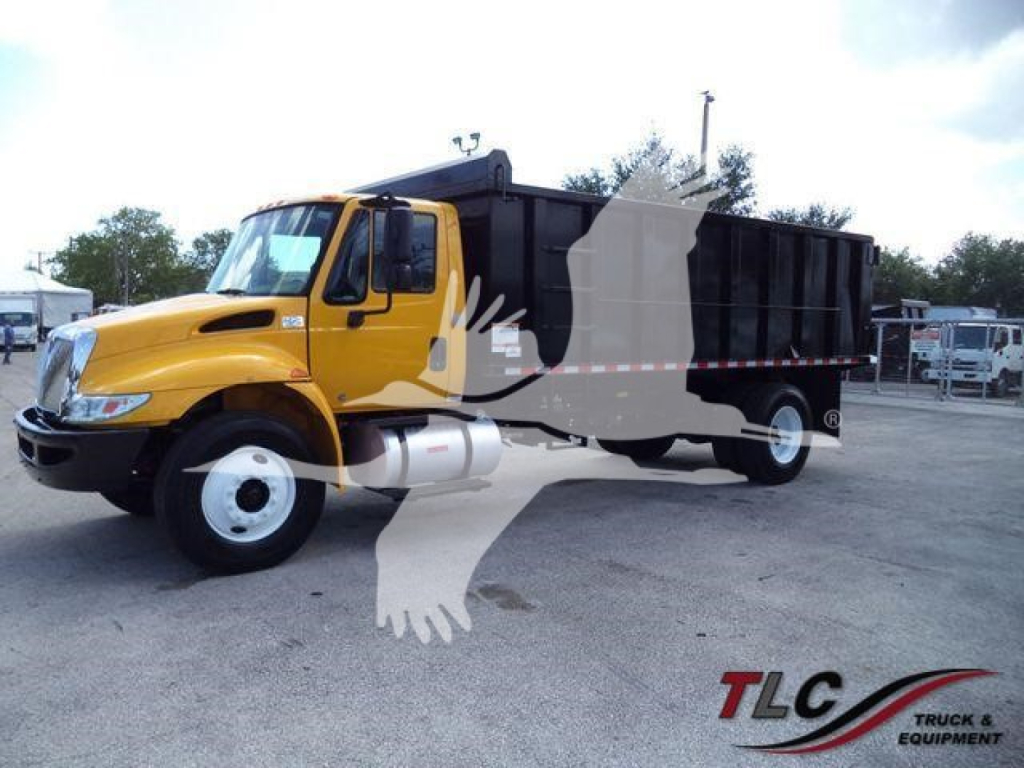
Showing 57 to 84 of 131 results
Selling a international truck? List your international truck for sale and reach thousands of commercial buyers.
International Trucks in Florida
Tare weight drives payload and profitability, so look for aluminum wheels and air tanks, aluminum or composite battery boxes, single 120 to 150 gallon tanks where range allows, and lightweight suspensions that still control axle hop on rough jobsites. A 6x2 or tag setup can trim weight and frictional losses in certain freight lanes, while 6x4 remains the default for traction and resale. Choose axle ratios to match Florida’s flat corridors on I 95 and I 75, pair with direct or overdrive transmissions for your cruise speed, and consider TPMS, low rolling resistance tires, and automatic traction control to protect fuel economy and tires in high heat.
For straight trucks, floor strength and body construction determine real usability. On MV and HV van or reefer bodies, verify crossmember spacing, forklift ratings, and rear threshold reinforcement; laminated oak floors handle point loads, extruded aluminum or composite floors reduce weight and resist moisture, and full height scuff liners protect sidewalls from pallet impacts. If refrigeration is required, thermal integrity comes from insulation thickness and foam quality, tight vapor barriers, door seal compression, and insulated bulkheads; right size the reefer for Florida ambient conditions and consider standby capability for port or store dock operations.
Corrosion resistance matters in Florida’s coastal and humid environments. Look for e coated cabs, galvanized or painted frame components with inner rail coverage, factory undercoating, stainless fasteners, sealed Deutsch style connectors, and harness routing that avoids chafe points. Aluminum fuel tanks and air reservoirs cut rust exposure, while isolation pads and proper paint prep reduce galvanic interaction where aluminum meets steel. Inspect paint adhesion and seam sealant, use dielectric grease on exposed terminals, rinse frames and radiators with freshwater after salt exposure, and schedule periodic undercarriage inspections to preserve structural integrity and wiring reliability.
Frequently Asked Questions about International Trucks in Florida
Which International model fits Florida long haul, regional, or construction work best?
For highway linehaul, the LT with the S13 Integrated Powertrain or A26 delivers low tare weight and high fuel efficiency; the RH suits regional and port drayage with tighter wheelbases. For box, stake, or light vocational duty, the MV balances maneuverability and payload. The HV is ideal for dump, utility, and mixer applications with set back or set forward axle choices for bridge compliance, while the HX covers heavy construction where high axle ratings and robust frames are required.
How should I spec an International powertrain for Florida heat and mostly flat routes?
Match your cruise speed and terrain to transmission gearing and rear axle ratios, then choose an engine with the right torque band. Direct drive with a numerically higher axle ratio can reduce parasitic loss at 65 to 70 mph, while overdrive with a lower ratio may suit mixed speeds. The S13 and A26 emphasize efficiency with low tare and strong cooling packages, while Cummins X15, L9, and B6.7 provide broad service coverage. Add high capacity radiators, optimized fan drives, robust A/C compressors, and consider park HVAC or an APU to cut idle time in high heat.
What should I look for to control tare weight without sacrificing durability?
Target high value weight reductions first, including aluminum wheels, aluminum or composite battery boxes, and single fuel tank configurations sized to your route. Consider 6x2 or tag axles where traction demands are predictable, but weigh this against resale and operational flexibility. Choose lightweight suspensions that still manage axle hop, and specify frame rail thickness and liners to match actual load cycles, not worst case guesses. TPMS, low rolling resistance tires, and aerodynamic fairings maintain efficiency without compromising structure.
How do I evaluate floor strength and thermal integrity on an International box or reefer truck?
Confirm forklift ratings for the body floor, review crossmember spacing and material, and inspect rear threshold and landing gear reinforcement for dock and pallet jack impacts. Laminated hardwood floors excel at point loads, while extruded aluminum or composite floors save weight and resist moisture. For reefers, check insulation thickness and foam density, vapor barrier continuity, door seal compression, and bulkhead fit. Proper reefer capacity and airflow management are critical in Florida heat to maintain setpoints and minimize defrost cycles.
How can I protect an International chassis from Florida’s salt air and humidity?
Look for e coated cabs, undercoated frames, galvanized or painted crossmembers, and stainless hardware, then maintain them with regular freshwater rinses after coastal exposure. Use dielectric grease on exposed connectors, confirm sealed weather packs on harnesses, and protect rub points with loom and abrasion sleeves. Aluminum fuel tanks and air reservoirs reduce rust, but isolate dissimilar metals to prevent galvanic corrosion. Periodically inspect paint adhesion, seam sealant, and fastener torque to catch issues before they propagate.