
New Hooklift Trucks For Sale in Florida
New hooklift trucks for sale in Florida. Compare chassis, hoist capacity, container lengths, PTO or electric-over-hydraulic systems, and specs.
Selling a new hooklift truck? List your new hooklift truck for sale and reach thousands of commercial buyers.
New Hooklift Trucks in Florida
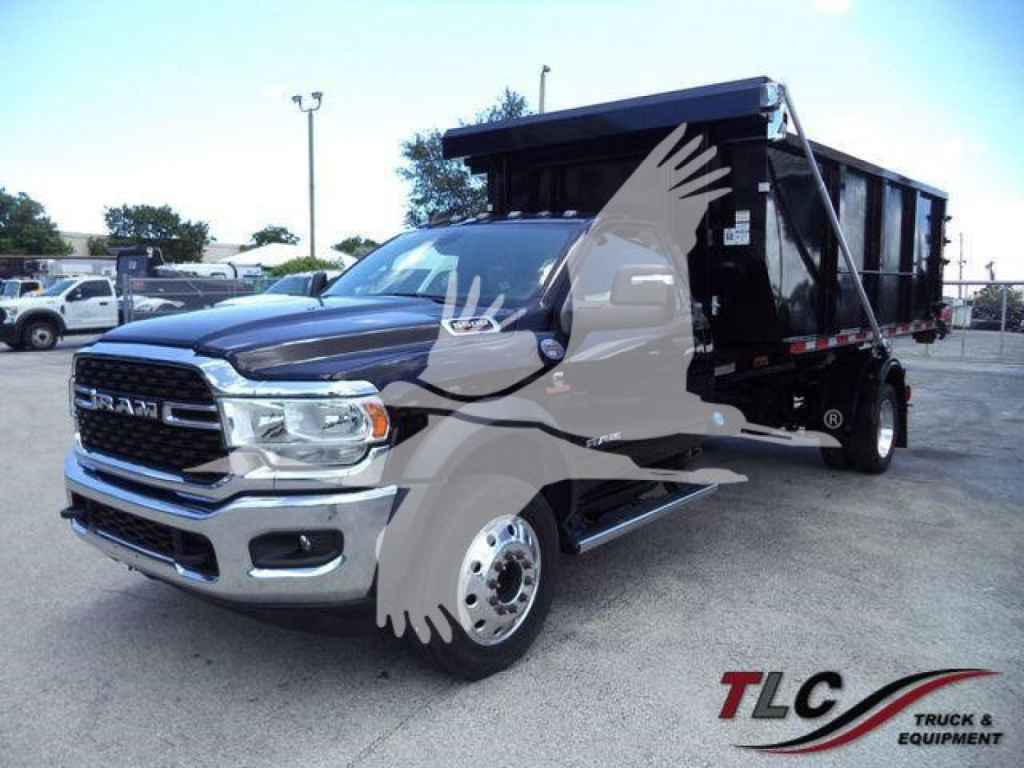
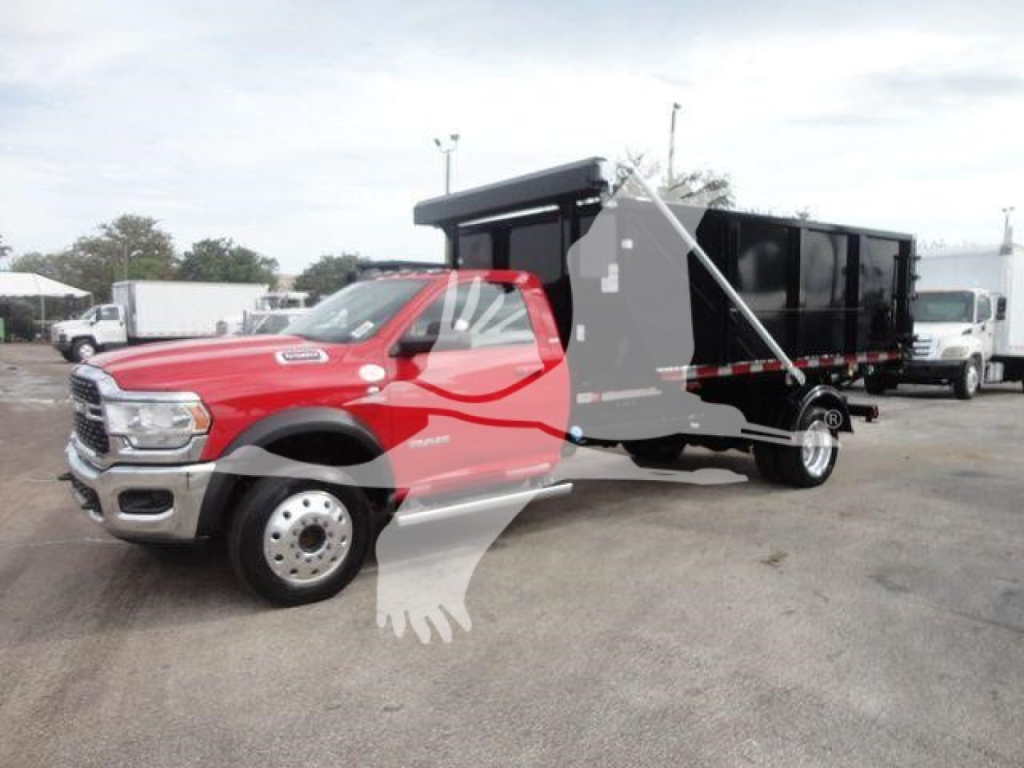
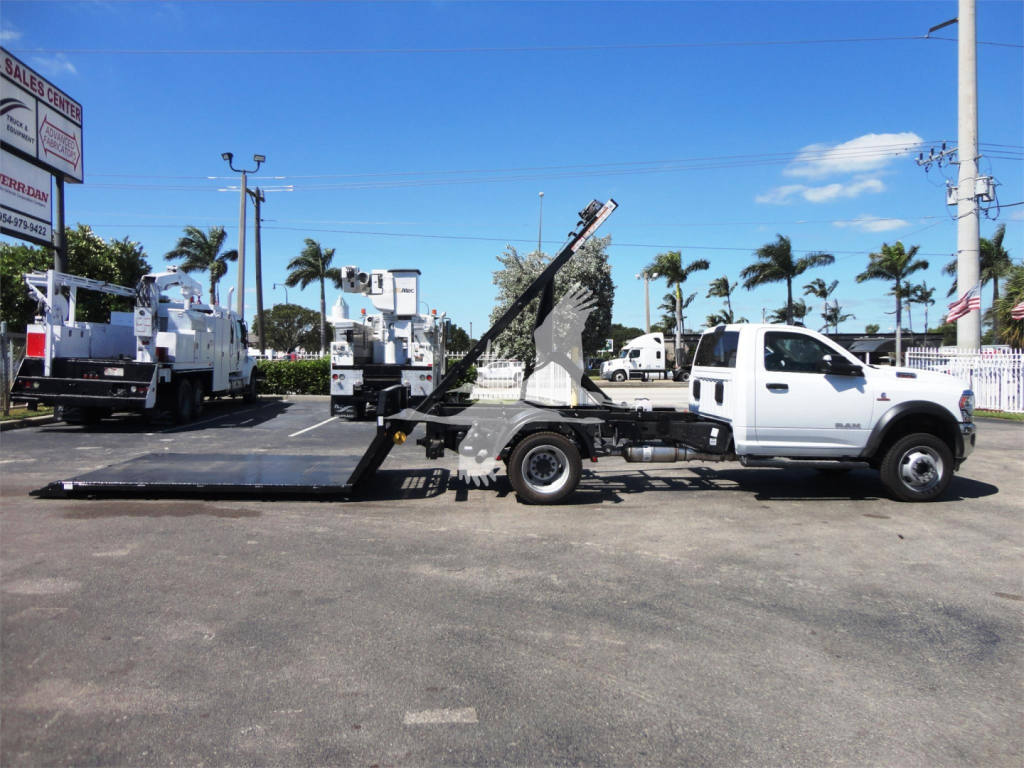
A key buying decision is matching the chassis and hoist to the bodies you plan to run. Many new hooklift trucks in this size range are built on medium-duty platforms such as a Ram 5500 with diesel power, automatic transmission, and 4x2 or 4x4 drivetrains. GVWR, rear axle rating, wheelbase, and cab-to-axle dimensions all affect what body lengths the truck can handle and how much legal payload is left after the hoist and body are installed. Common setups include 11-foot to 14-foot hooklift systems with electric-over-hydraulic hoists, cable winches, outside and in-cab controls, receiver hitches, trailer brake connections, and tarp systems. If the truck will spend time on soft ground, job sites, or hurricane cleanup routes, 4x4 can be worth the added cost. If it will stay on pavement and prioritize payload, a 4x2 chassis may make more sense.
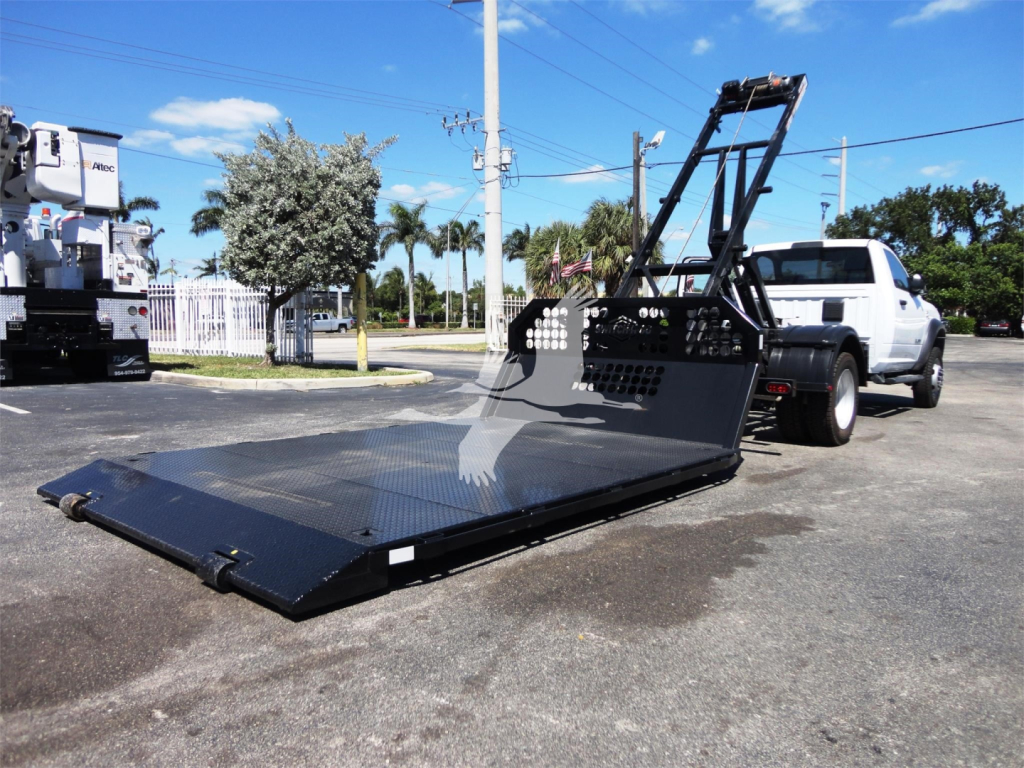
The body interface deserves as much attention as the truck itself. Hook height, container length, rail width, body stop placement, rear roller design, and hoist capacity need to match the containers you already own or plan to add. Buyers comparing new hooklift trucks should confirm rated lifting capacity, dump angle, container compatibility, and the style of rear doors on dump bodies. Flatbed and equipment carrier bodies often add value for crews moving mowers, compact machines, pallets, or jobsite materials, while higher-side debris bodies are better suited for brush, demolition waste, and general cleanup. A powder-coated steel body is common in this class, but corrosion resistance still matters in Florida because of humidity, salt air near the coast, and year-round exposure.
For long-term ownership, look past the headline specs and evaluate serviceability. Check hydraulic routing, controller placement, lighting protection, tie-down points, hitch rating, brake controller integration, and how easy it is to grease, inspect, and repair the hoist. New hooklift trucks are attractive because they reduce downtime tied to body changeovers and let a small fleet cover more jobs with fewer assets. The best choice is usually the one with the right wheelbase, legal payload, hoist rating, and body compatibility for the work you do most often, not simply the biggest body or highest lift number on paper.
Frequently Asked Questions about New Hooklift Trucks in Florida
What is a hooklift truck used for?
A hooklift truck is used to load and unload interchangeable bodies on a single chassis. Common applications include debris removal, landscape material hauling, dumpster service, equipment transport, storm cleanup, and municipal maintenance. The main advantage is versatility, because the same truck can switch from a dump body to a flatbed or storage container instead of being tied to one permanent body style.
What should I check when comparing new hooklift trucks?
Start with GVWR, wheelbase, cab-to-axle length, hoist capacity, and the container lengths the system is designed to handle. Then verify hook height, body rail spacing, winch setup, dump angle, hitch rating, and whether the truck has PTO-driven hydraulics or an electric-over-hydraulic system. Buyers should also confirm that the body and hoist ratings leave enough legal payload for the material they intend to haul.
Is 4x2 or 4x4 better for a hooklift truck in Florida?
It depends on where the truck will spend most of its time. A 4x2 hooklift truck usually costs less, weighs less, and can preserve payload for paved-road work. A 4x4 setup is often the better fit for soft ground, unfinished job sites, wet conditions, storm debris routes, and rural access points. In Florida, that extra traction can be especially useful during rainy seasons and post-storm cleanup operations.
What body lengths are common on light and medium-duty hooklift trucks?
Many light and medium-duty hooklift trucks use bodies in the 11-foot to 14-foot range, although exact compatibility depends on the hoist design and chassis dimensions. Shorter bodies can improve maneuverability in tight urban or residential work, while longer bodies can increase cubic capacity and make a better equipment carrier. The truck and body must be matched correctly so the axle loading, overhang, and hoist geometry stay within safe operating limits.
Are electric-over-hydraulic hooklift systems a good choice?
Electric-over-hydraulic hooklift systems are common in this class because they simplify installation and can work well on light and medium-duty chassis. They are often straightforward to operate and maintain, especially for fleets running smaller interchangeable bodies. The important factor is not just the hydraulic type, but the overall system rating, control reliability, cycle speed, and how well the hoist is integrated with the chassis electrical and braking systems.