
Hino Trucks For Sale in Florida
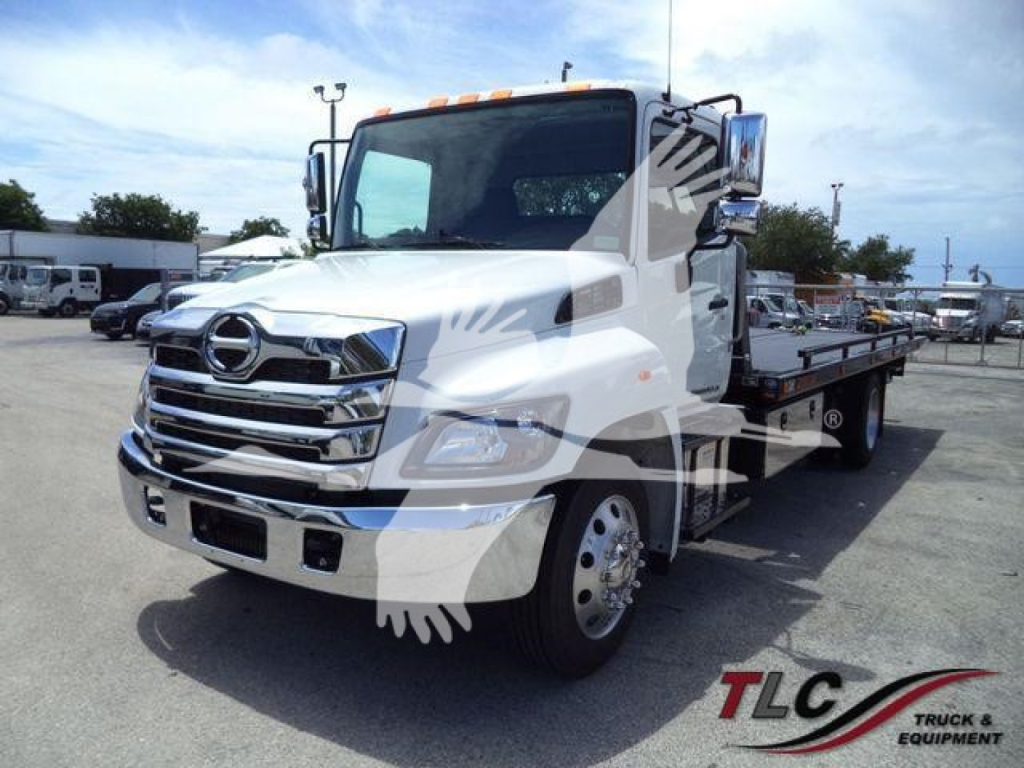
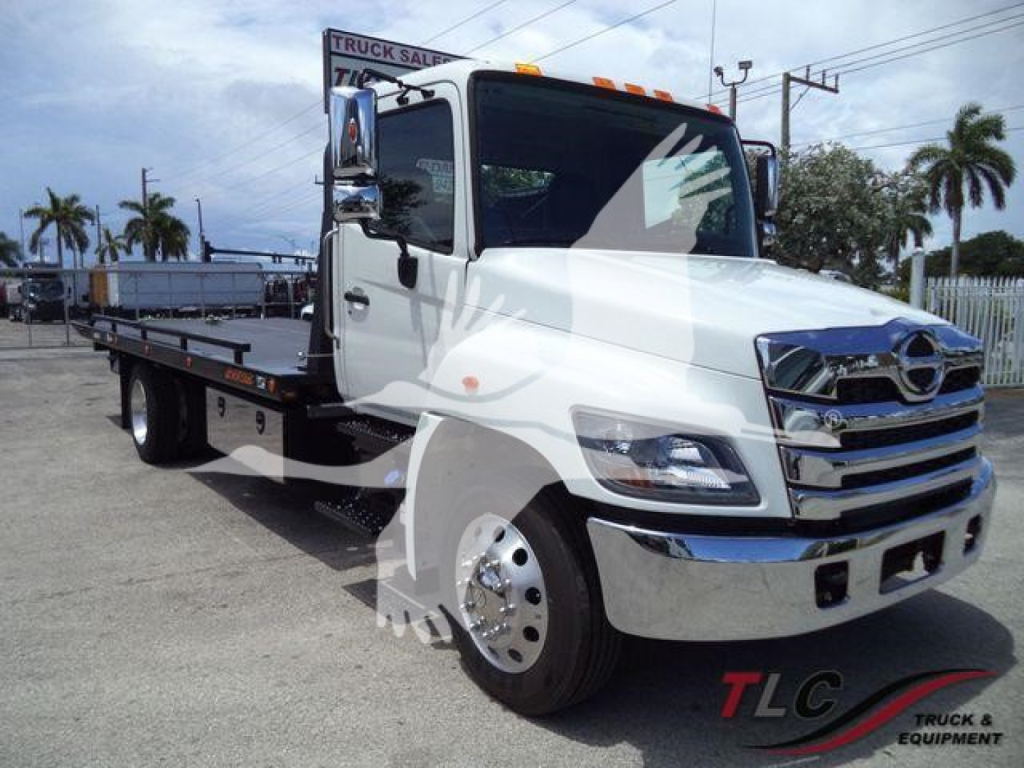
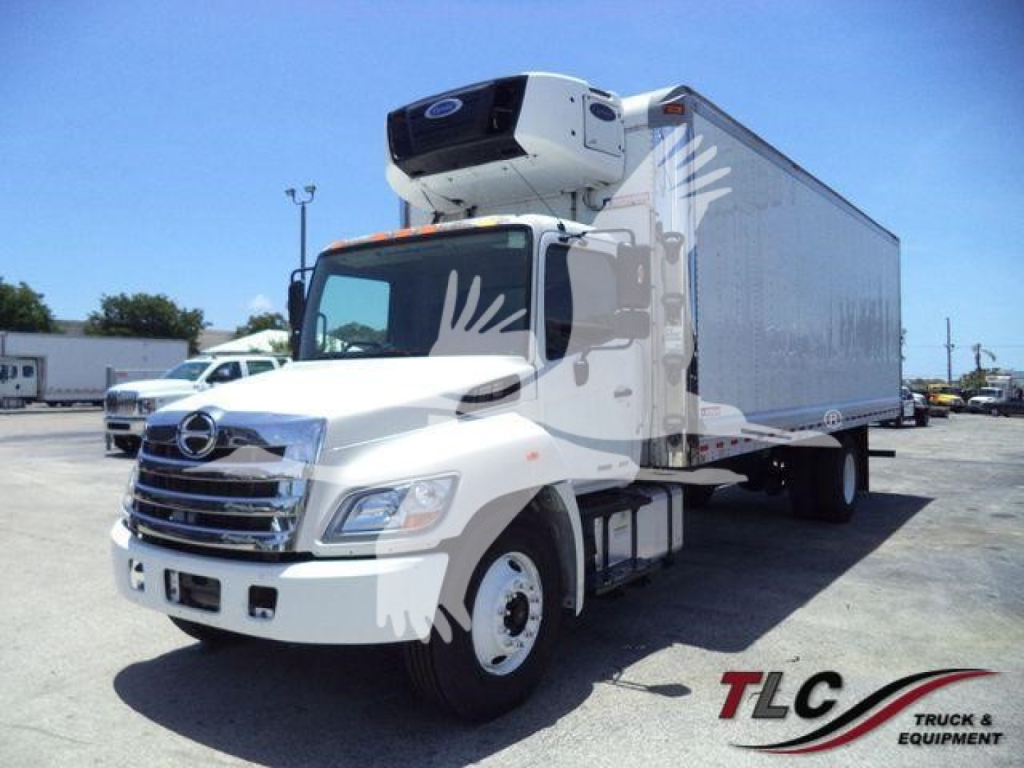
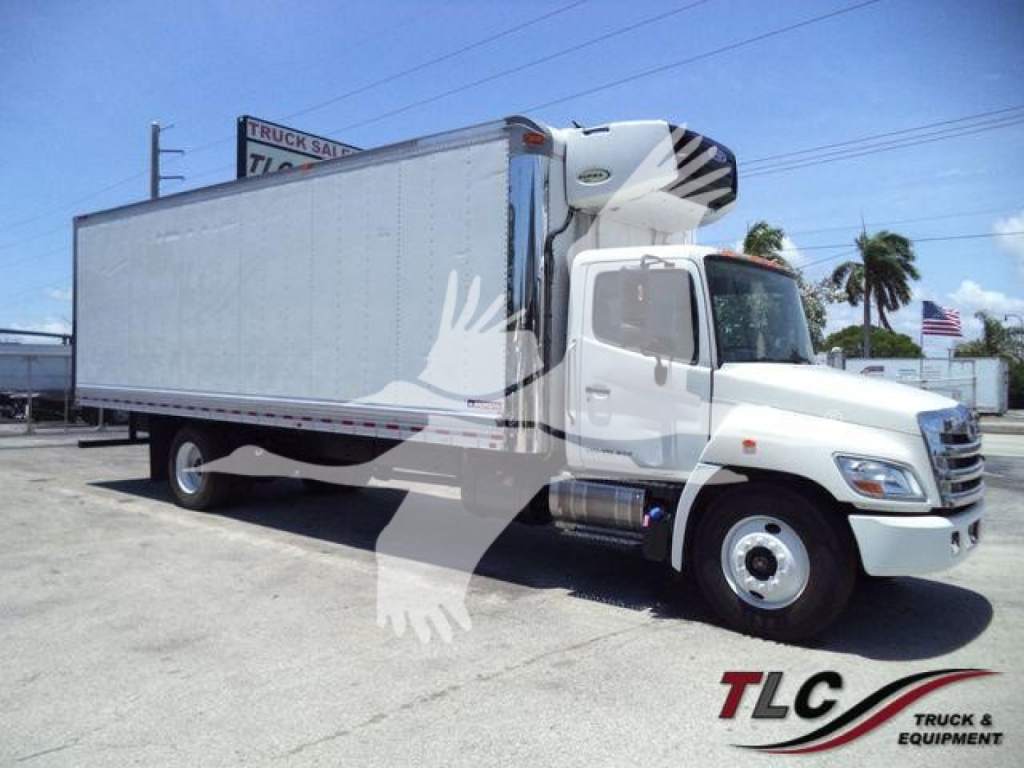
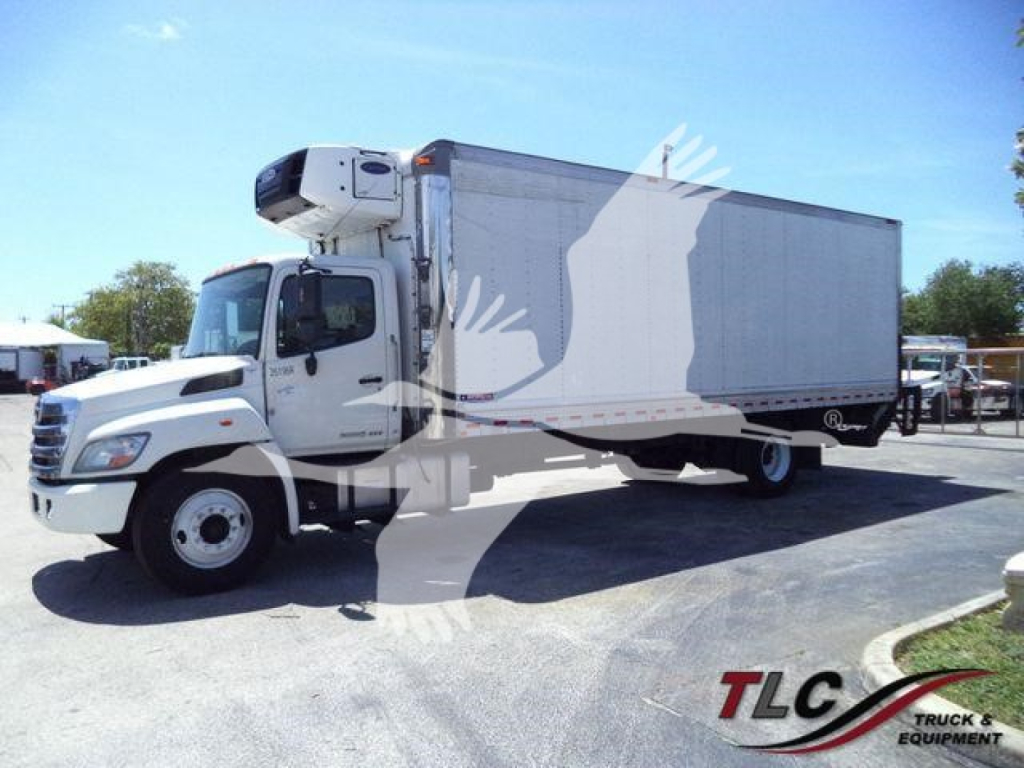
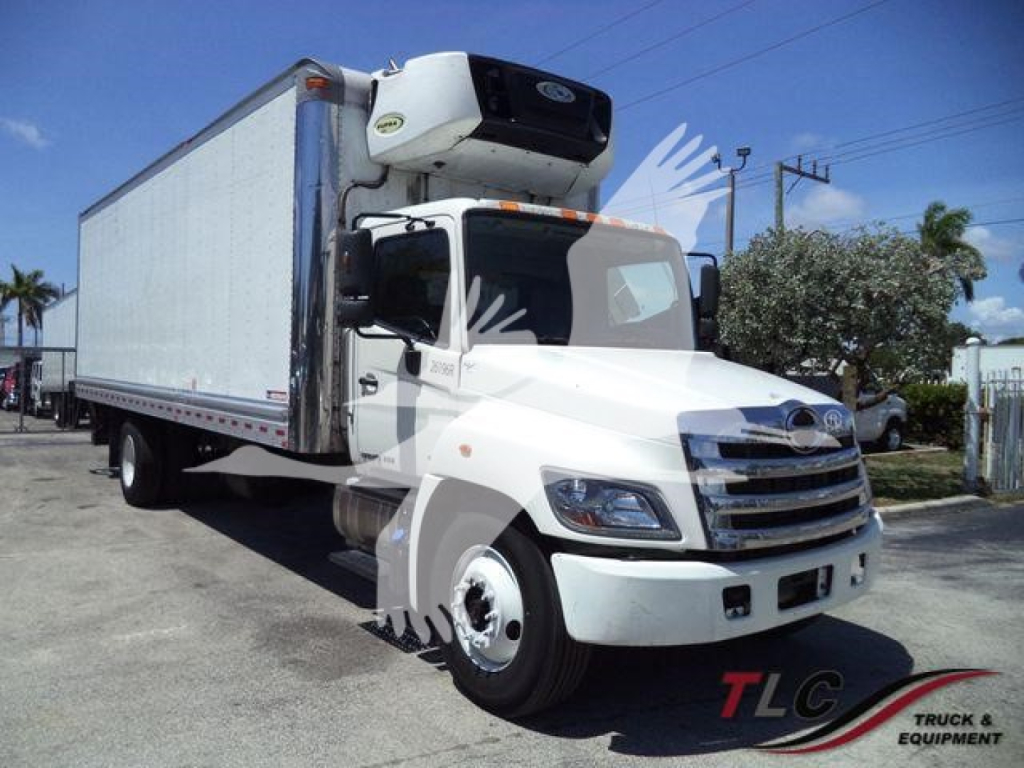
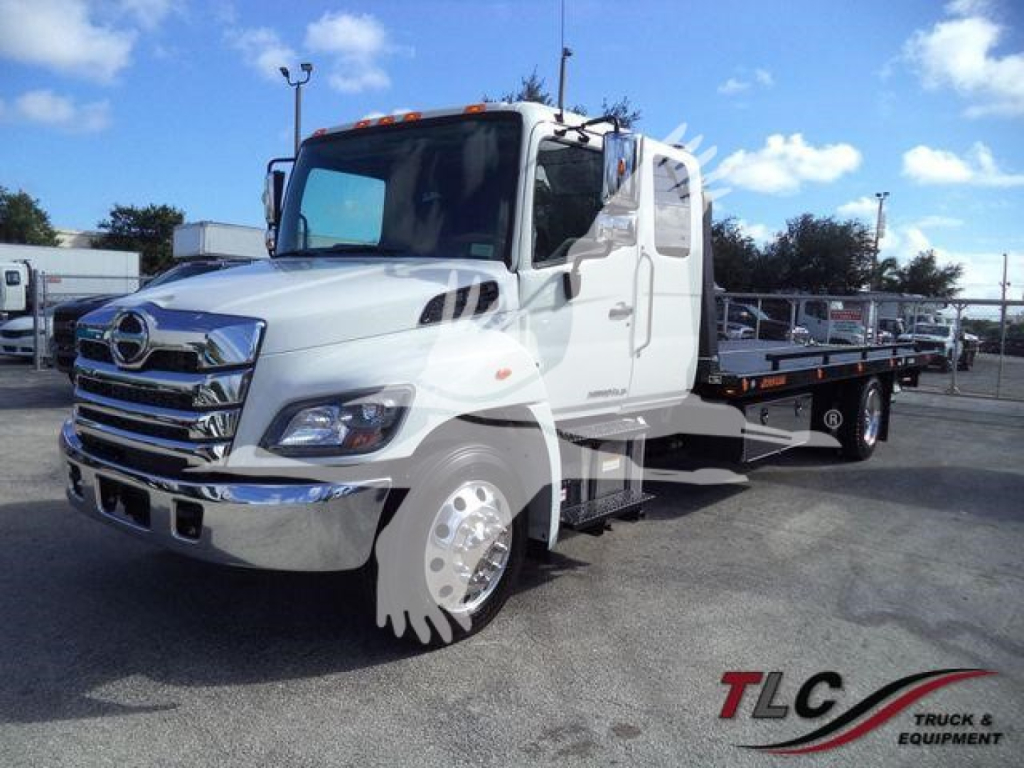
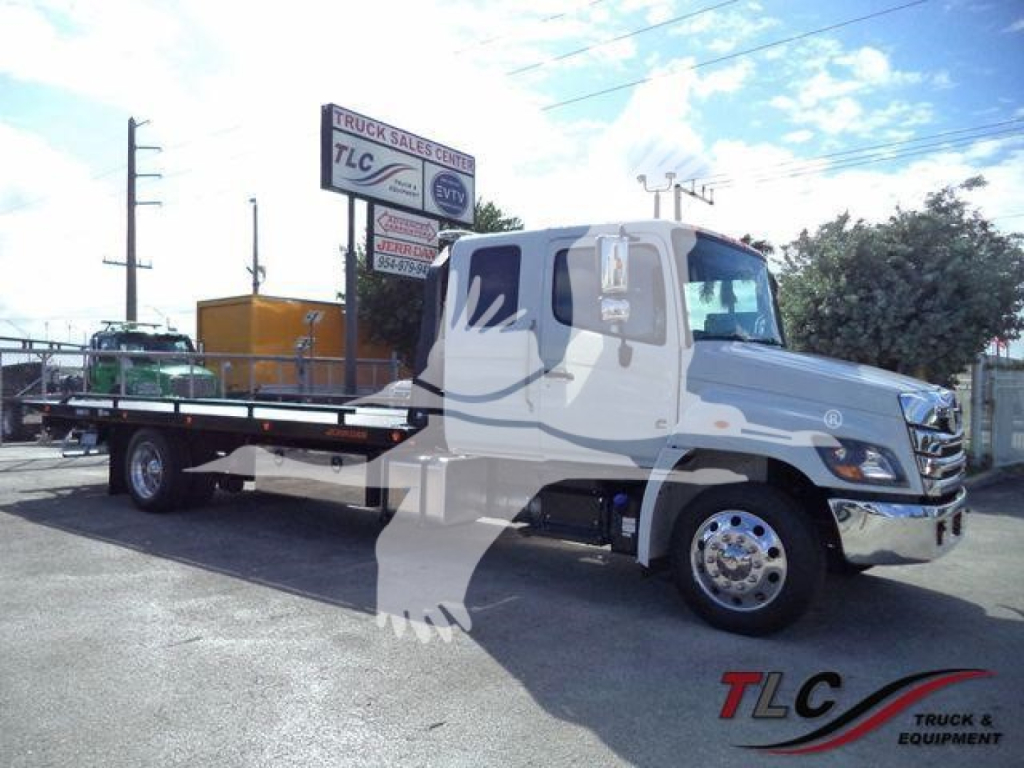
Browse Hino trucks for sale in Florida, including medium-duty diesel chassis and rollback tow trucks with popular 258 and 268 series specs.
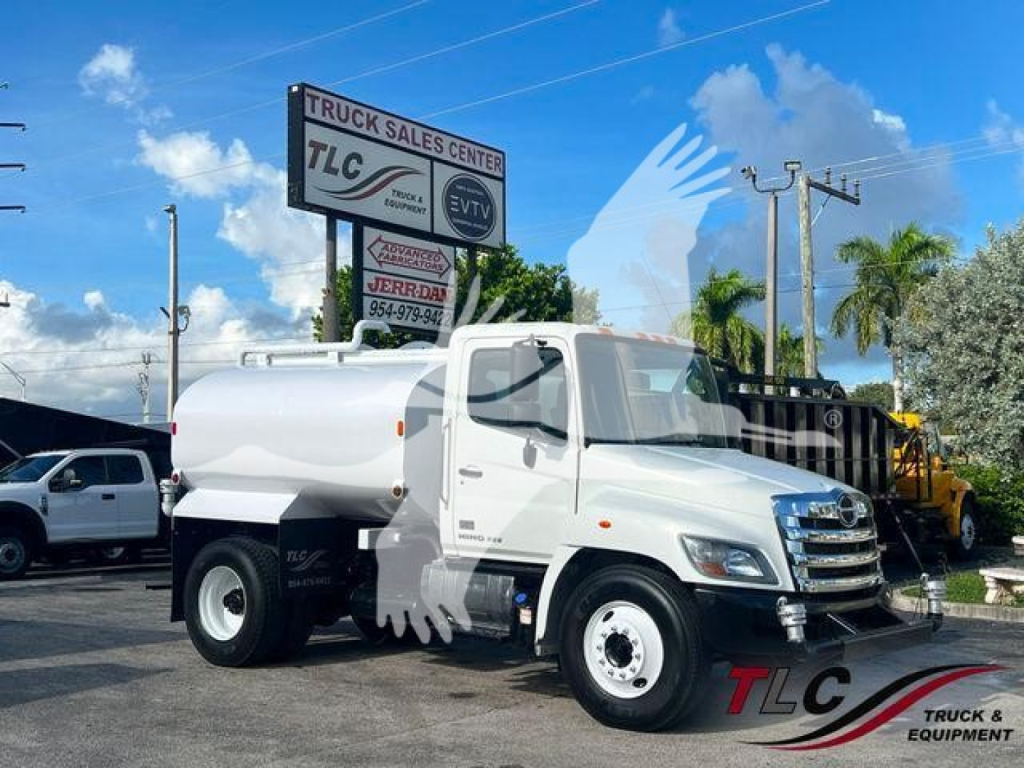
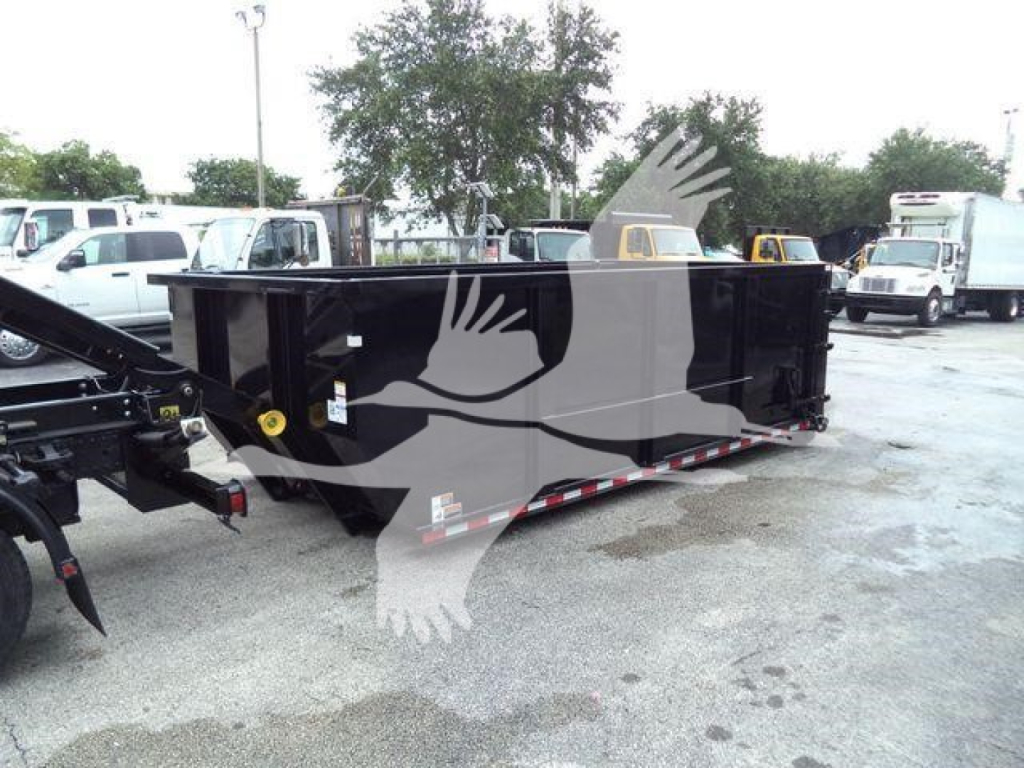
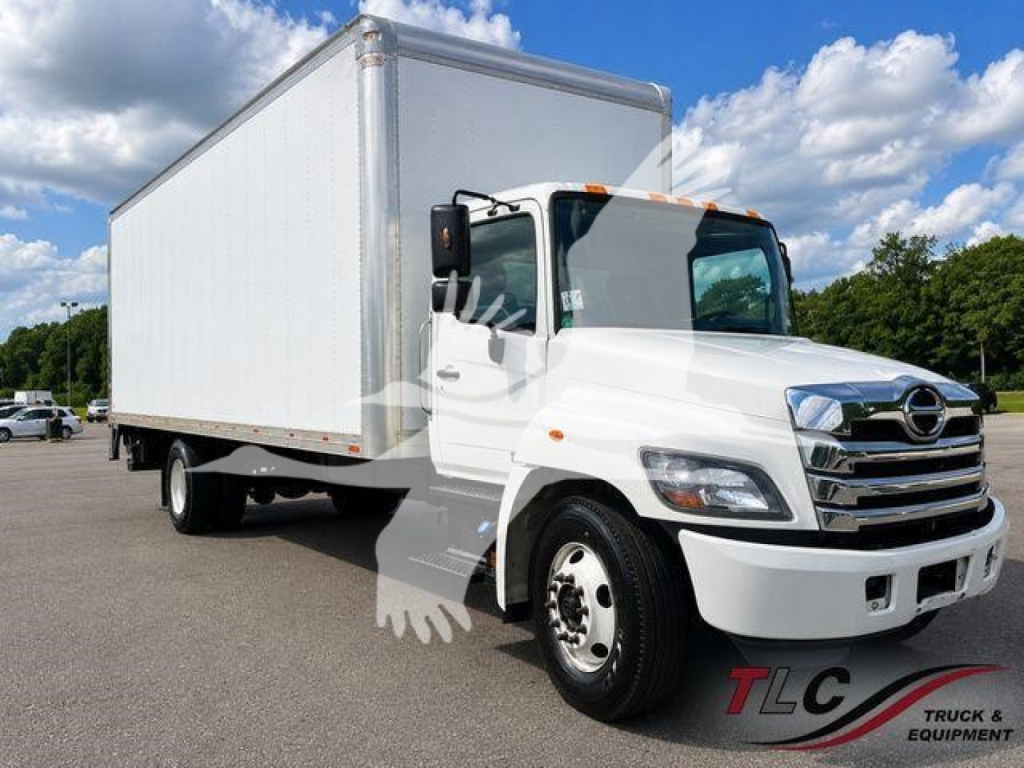
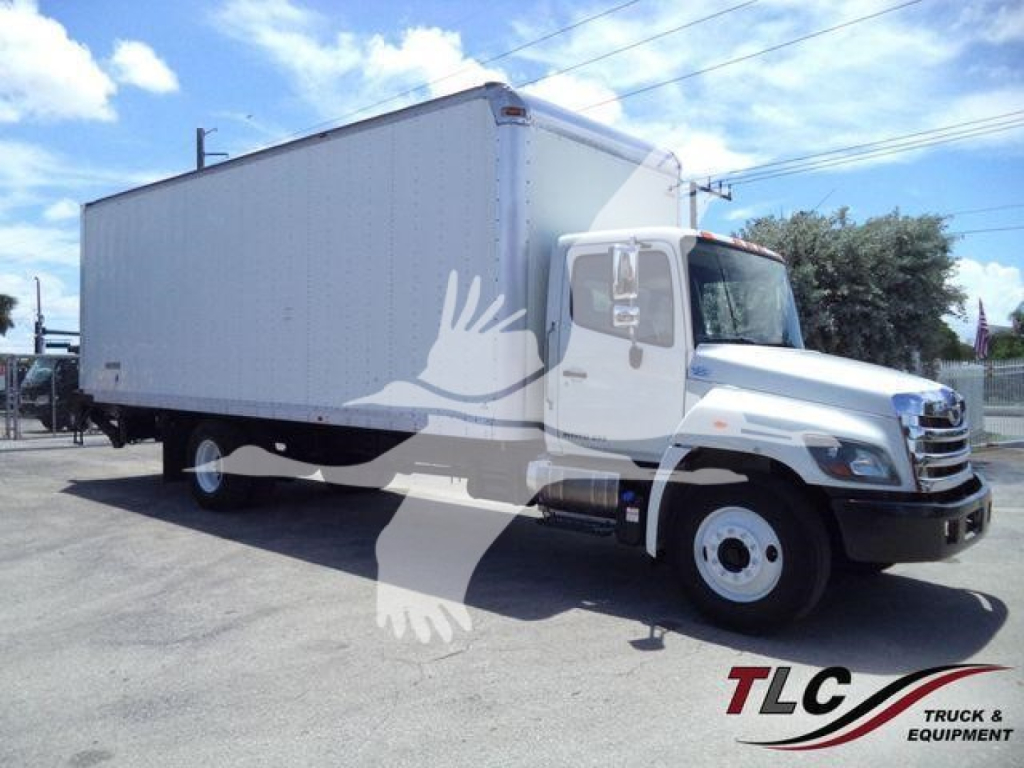
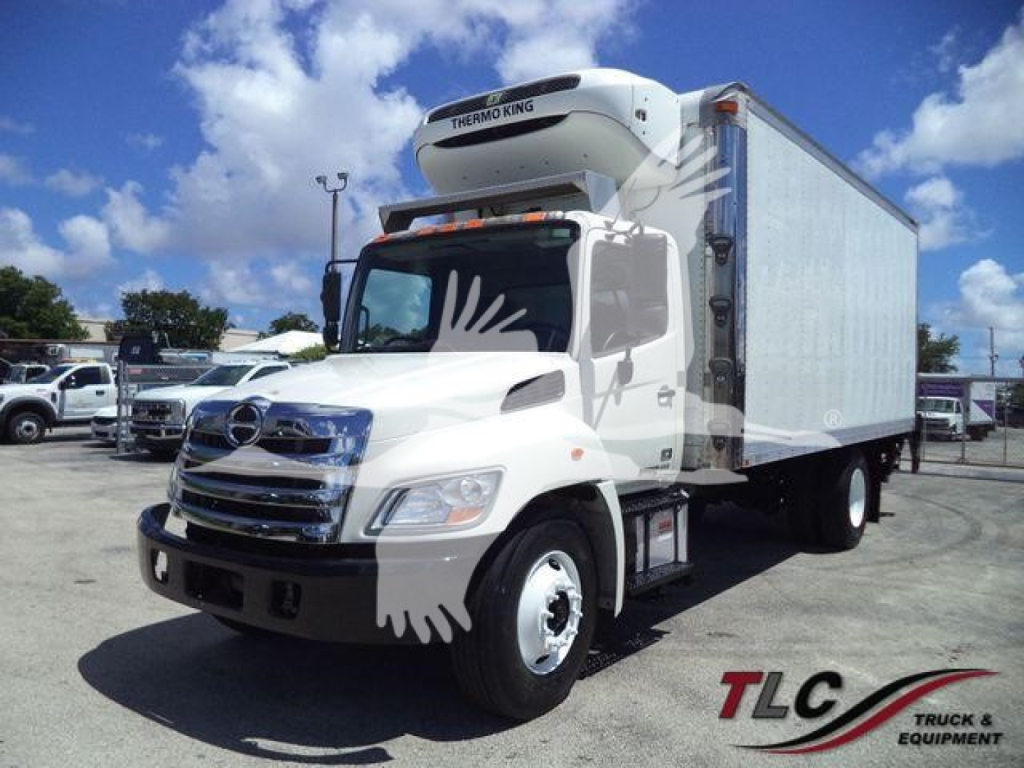
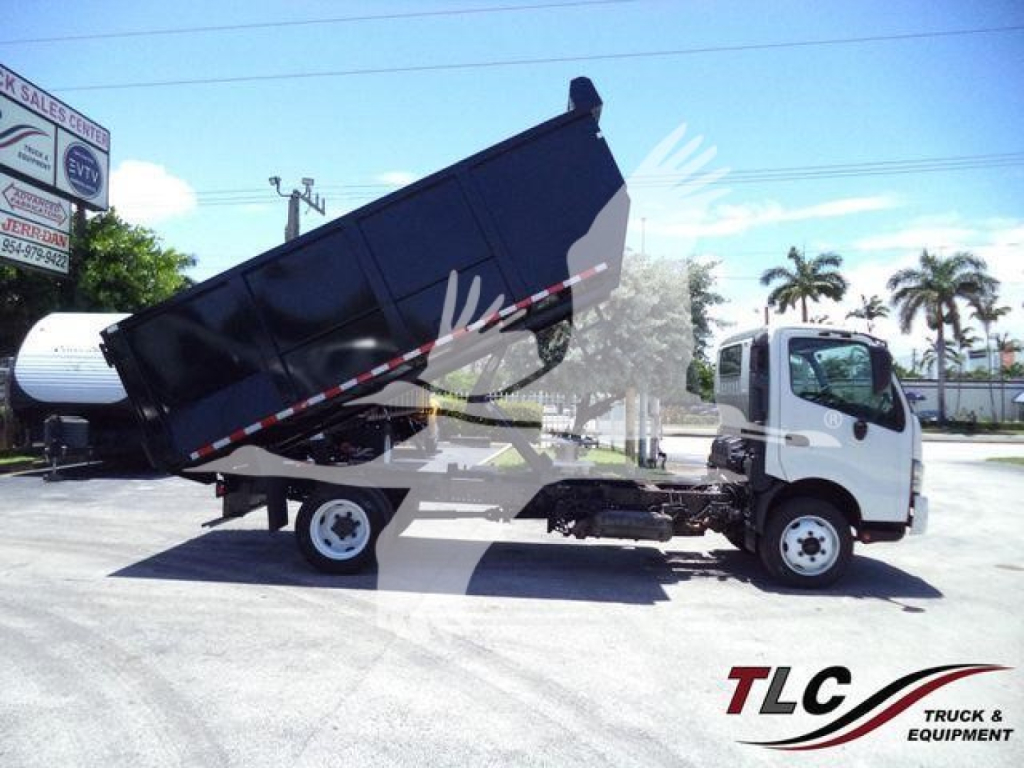
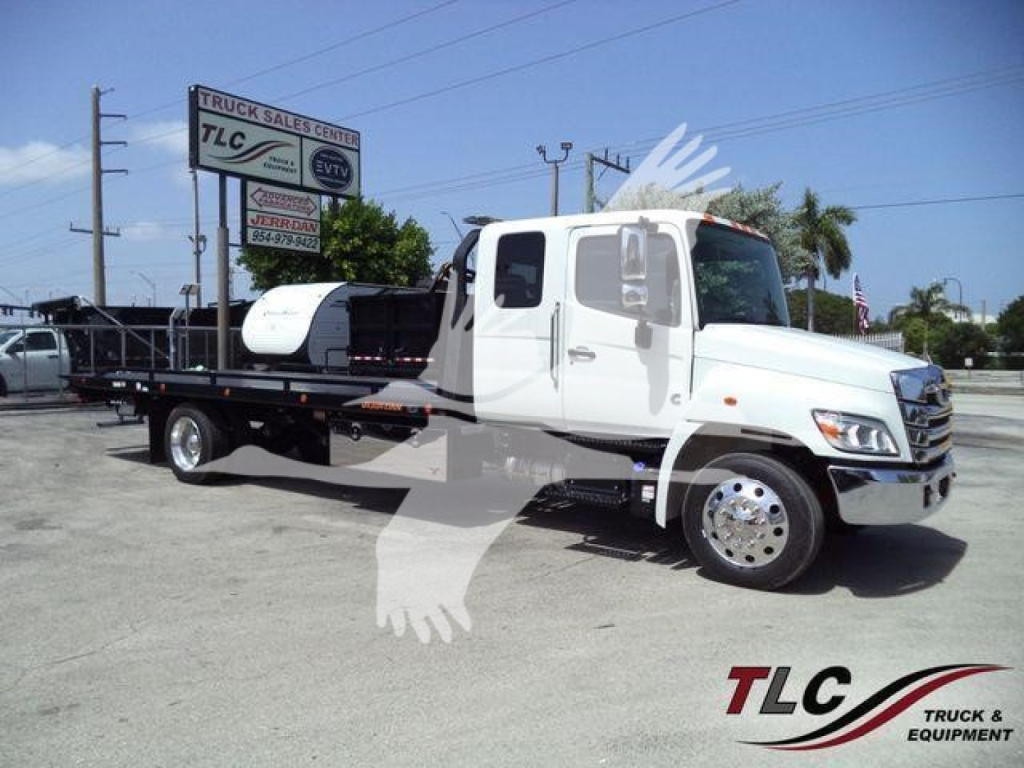
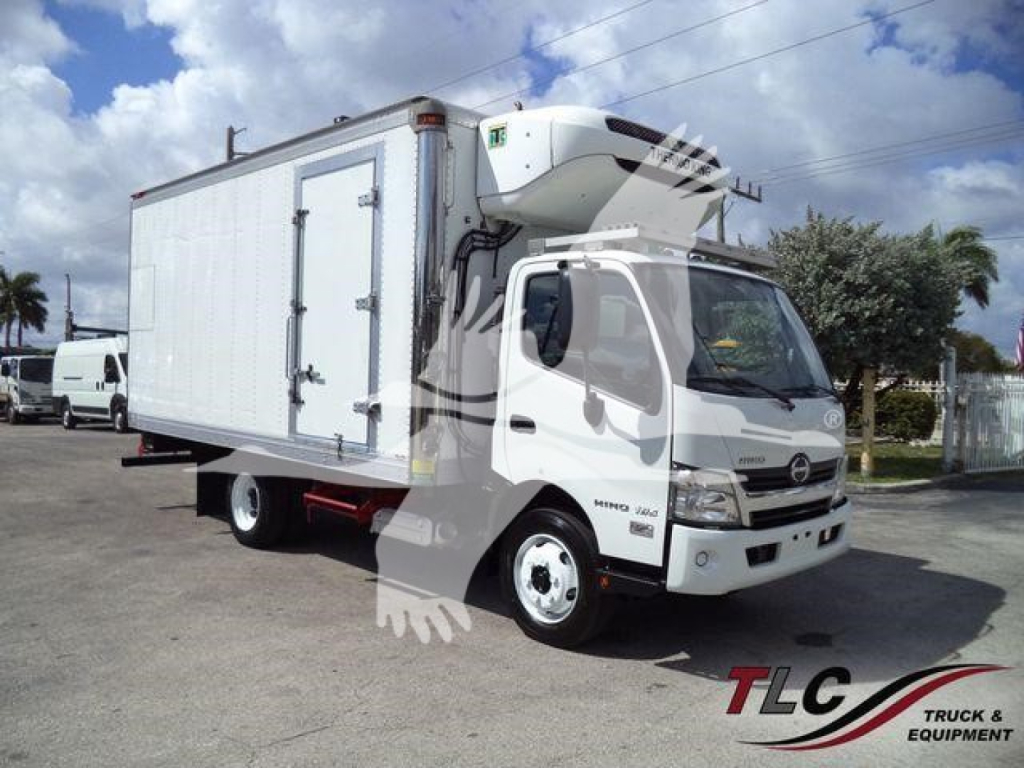
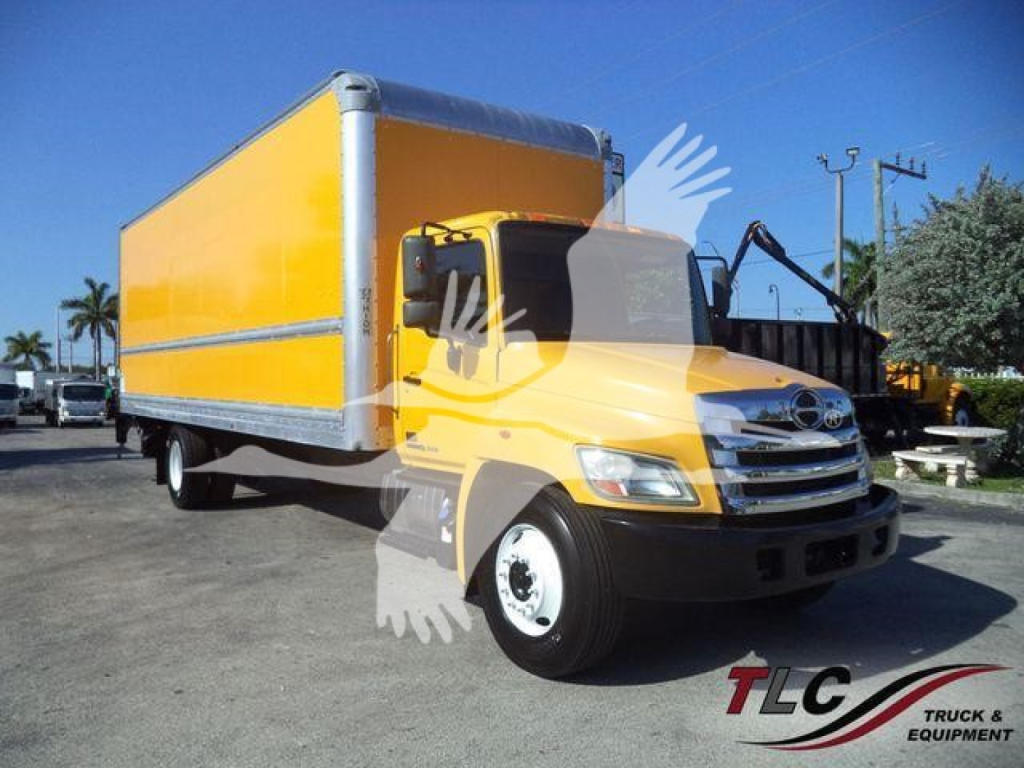
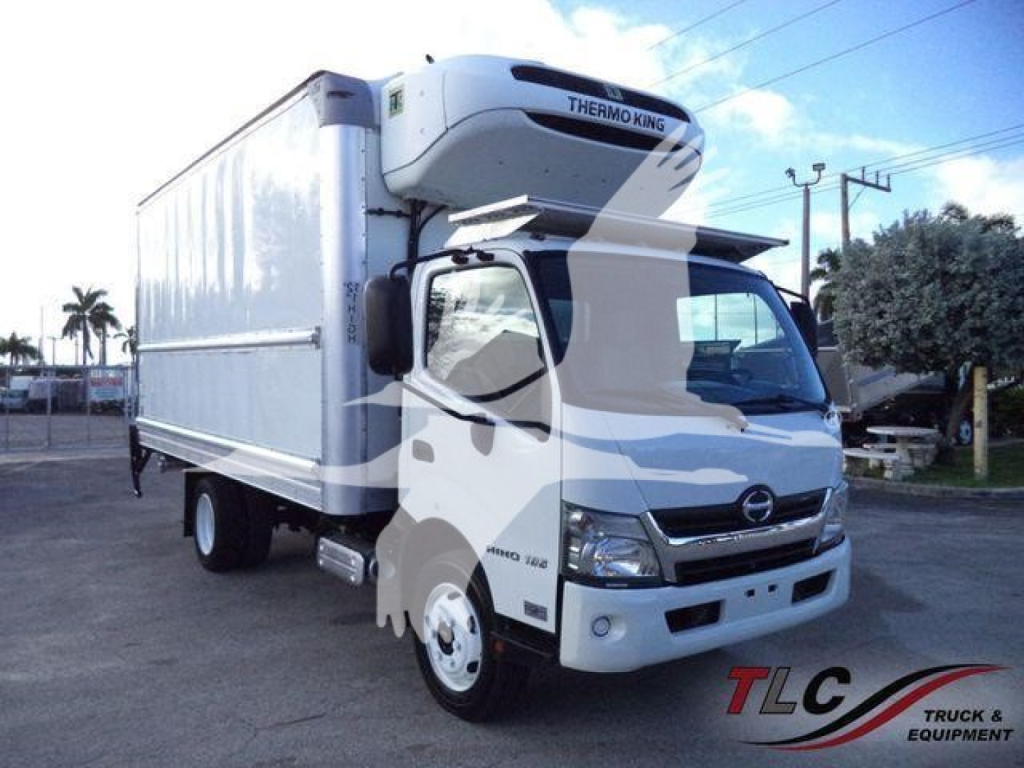
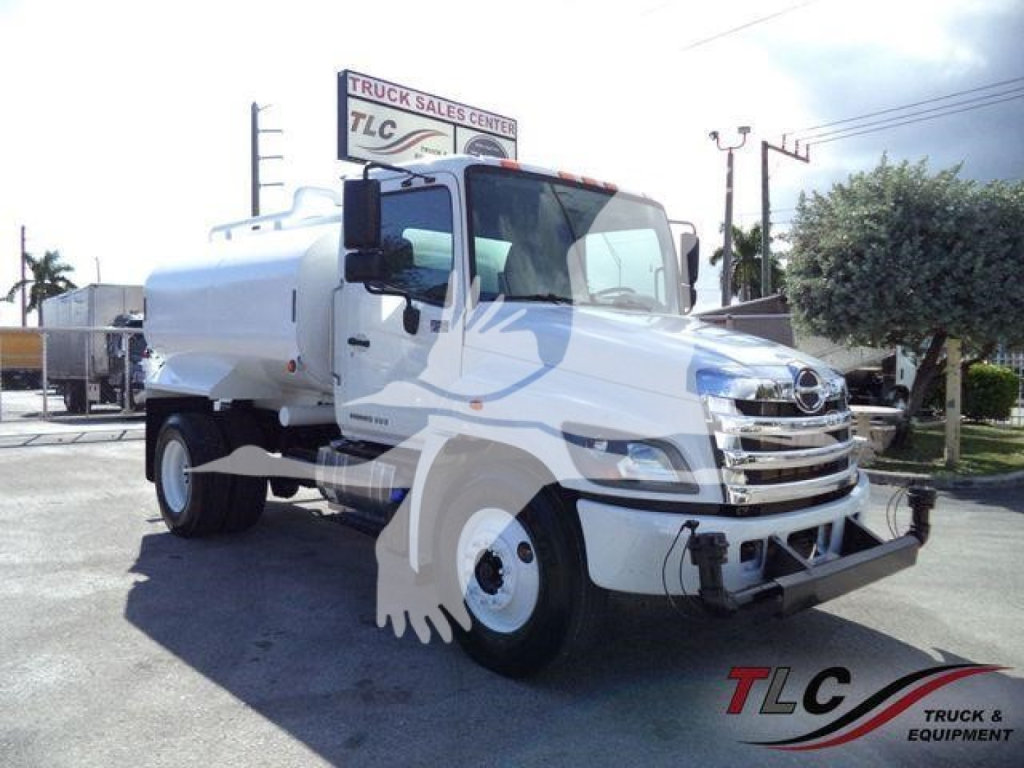
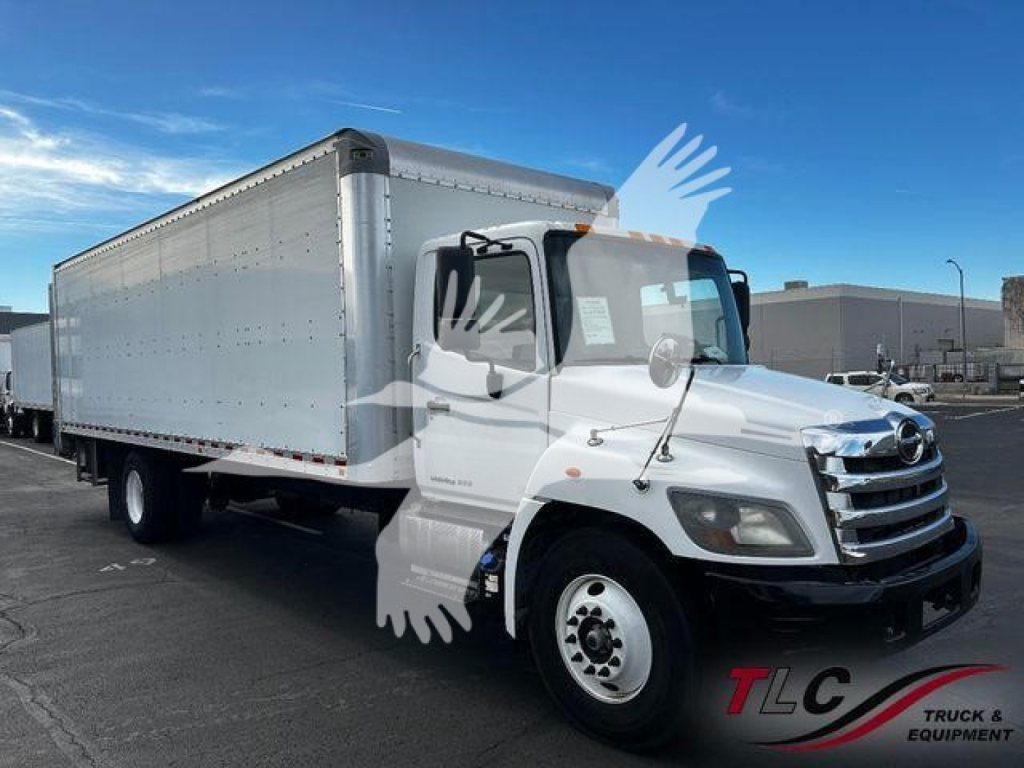
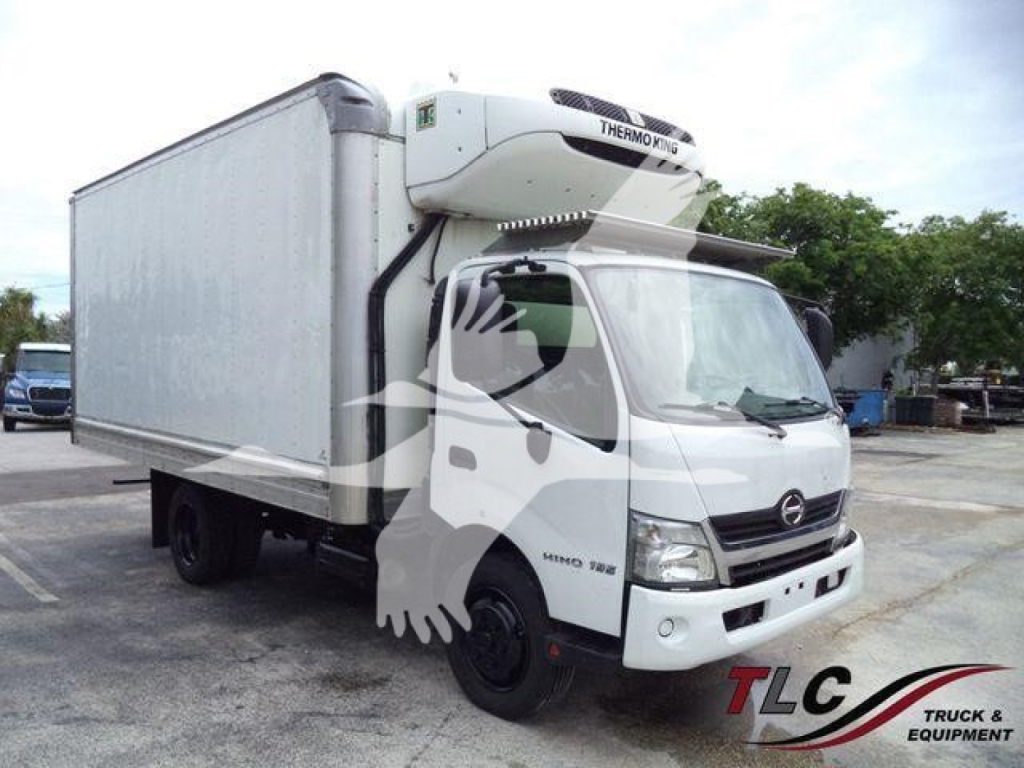
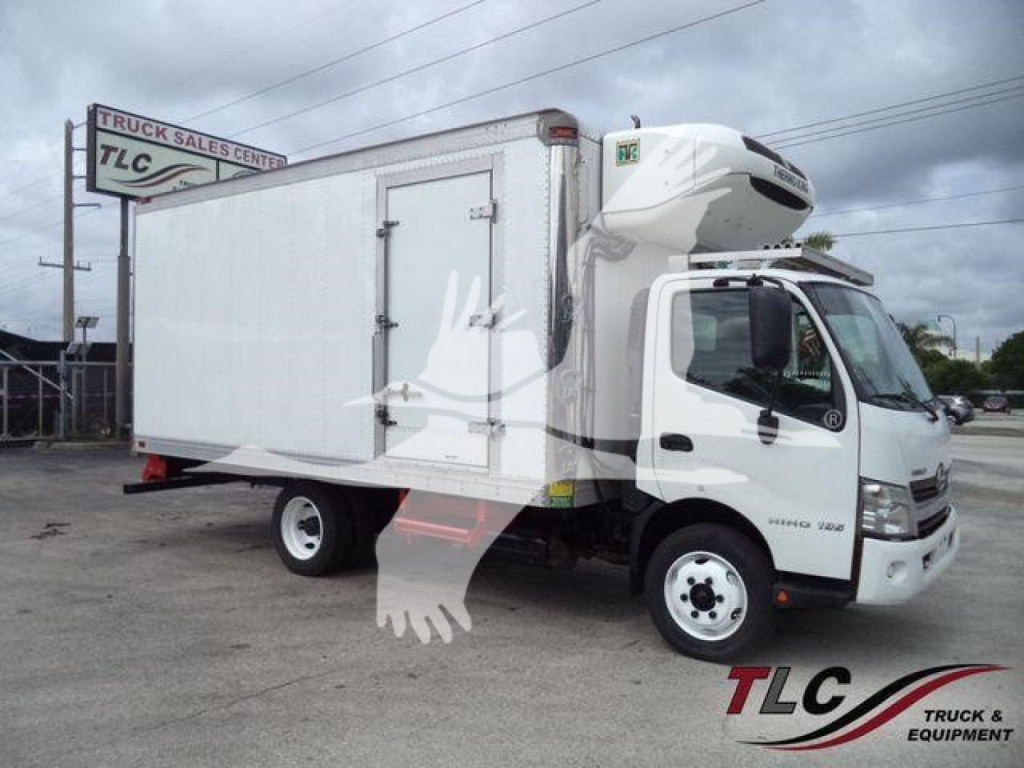
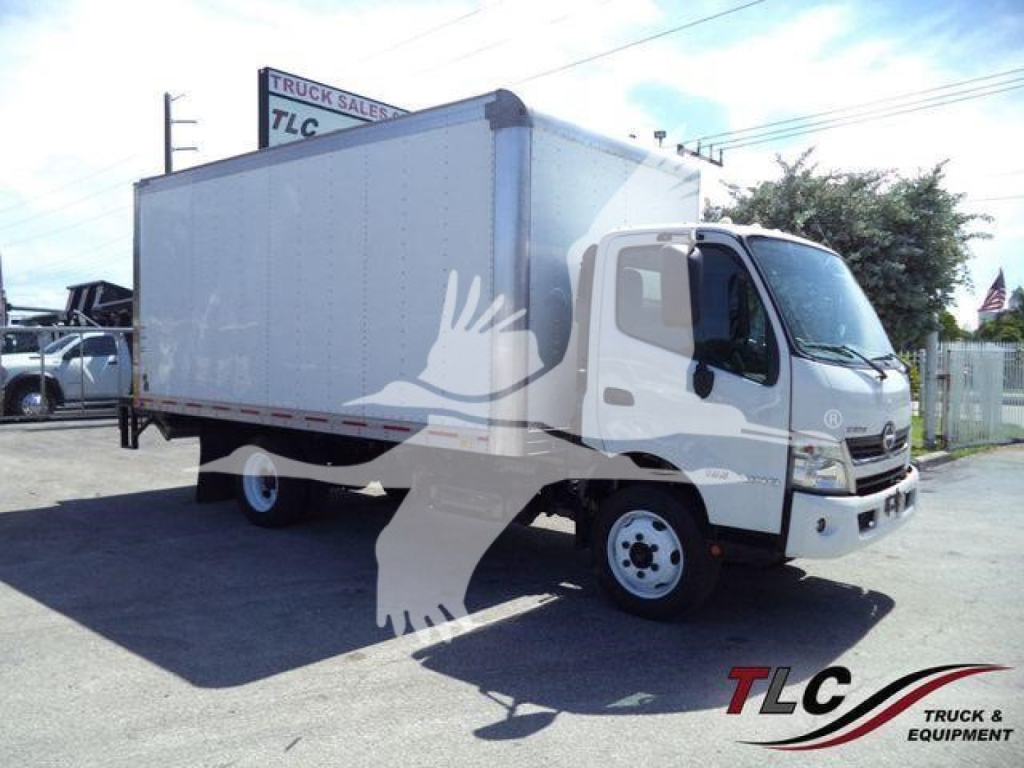
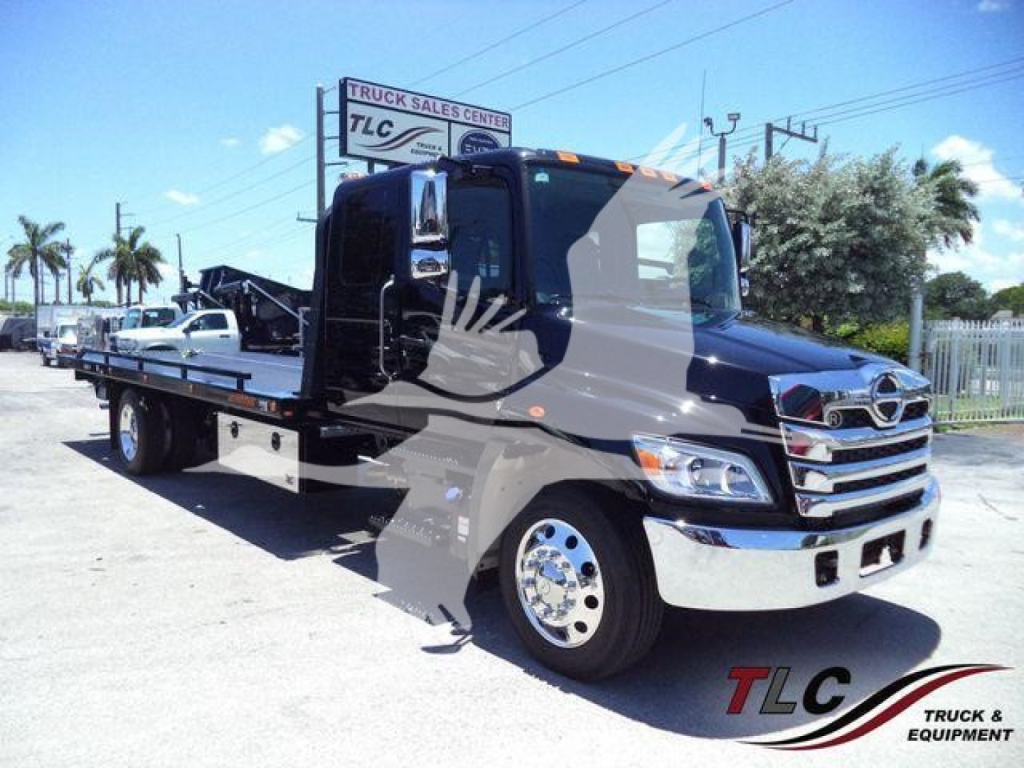
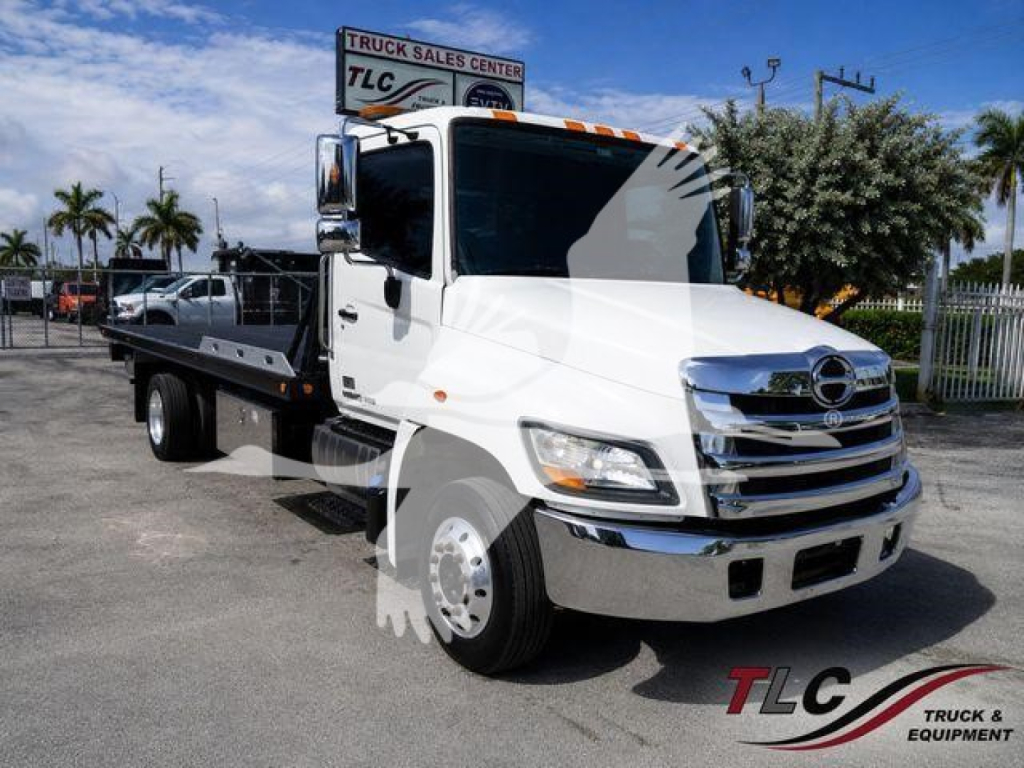
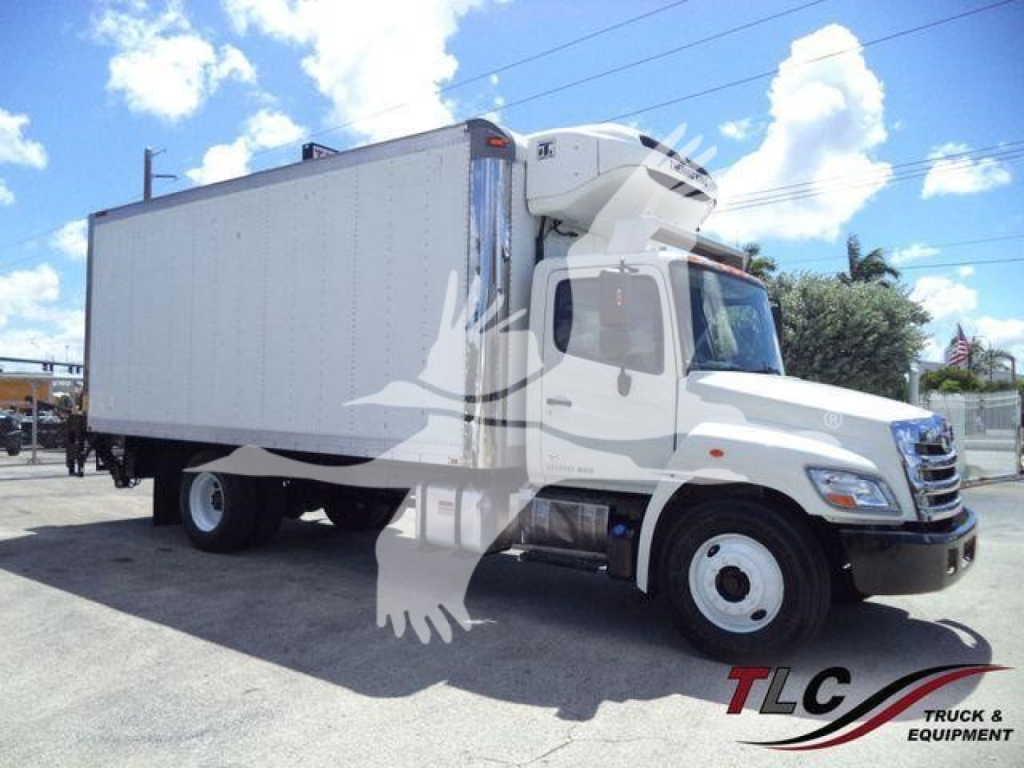
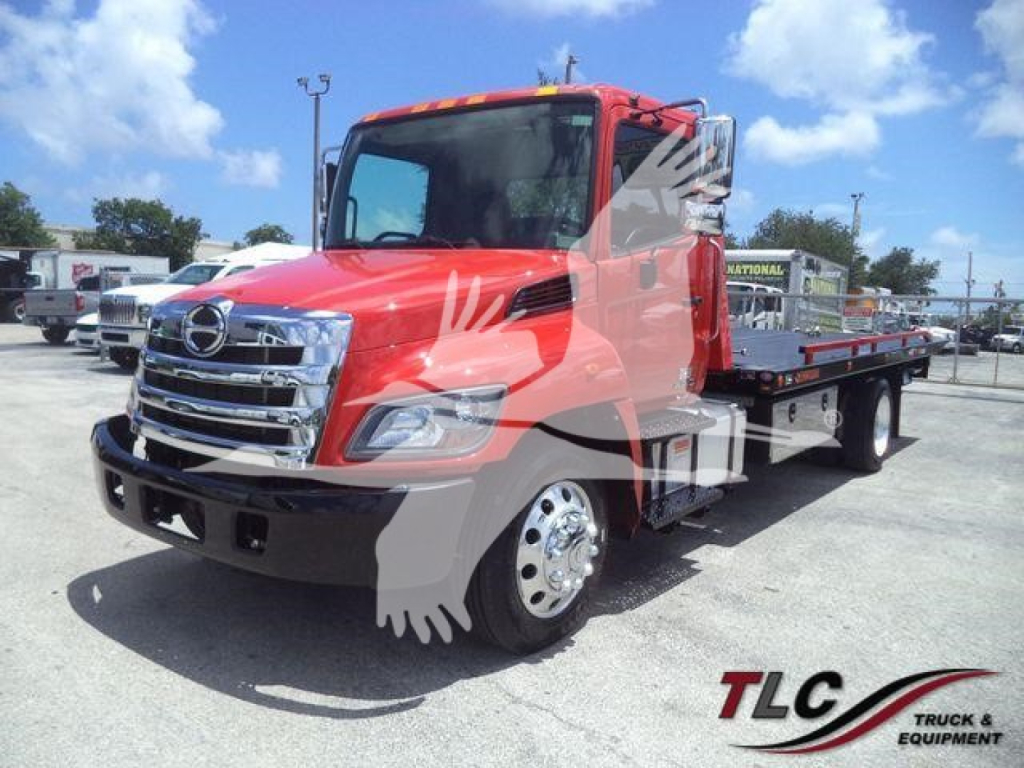
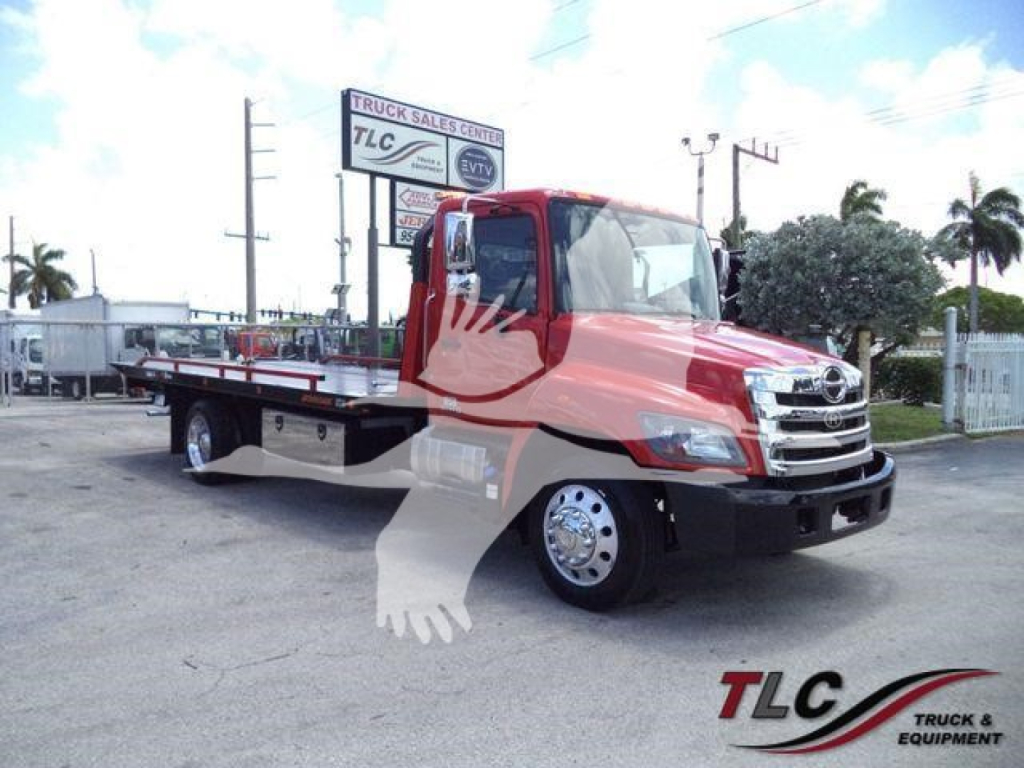
Showing 1 to 28 of 35 results
Selling a hino truck? List your hino truck for sale and reach thousands of commercial buyers.
Hino Trucks in Florida
A lot of the buying decision comes down to chassis configuration and body compatibility. Low-profile Hino models like the 258LP are often selected for rollback and specialty transport work because deck angle, loading clearance, and overall ride height are critical when handling low-clearance vehicles. The 268A is a common step up for heavier carrier bodies, tow applications, and other upfits that benefit from a 26,000 GVWR chassis, air brakes, and an Allison automatic transmission. In this category, common specs include 4x2 drivetrains, single axles, standard or extended cabs, air ride or spring suspension, and 19.5-inch or 22.5-inch wheel and tire packages. Buyers comparing trucks should look closely at wheelbase, cab-to-axle length, suspension type, brake system, and front axle capacity because those details determine what body the truck can legally and practically carry.
For tow and carrier work, the upfit matters as much as the chassis. Many Hino trucks in this class are paired with Jerr-Dan or Miller Industries equipment such as rollback carriers, low-profile steel decks, wheel lifts, winches, removable rails, and integrated tool storage. Bed length often falls in the 16-foot to 22-foot range, with 102-inch wide decks being common. A 6-ton carrier body and a 3,500-pound wheel lift are typical on medium-duty rollback setups, but actual working capacity depends on the final build, axle ratings, and weight distribution. If the truck will spend its life on service calls, repossession work, dealer transport, or exotic and low-clearance vehicle hauling, details like XLP or LCG deck design, pylon style, toolbox placement, and lighting package deserve close attention.
Condition and service history are especially important on used Hino trucks. A fleet-maintained chassis with documented engine, transmission, brake, and suspension work can be a better value than a lower-priced truck with unknown downtime risk. On Florida trucks, inspect for corrosion around body mounts, hydraulic components, bed pivots, electrical connections, and undercarriage hardware even in a warm-weather market. Check PTO and hydraulic operation, winch function, wheel lift wear, tire date codes, and any signs of frame modification from prior upfits. Hino trucks have long been favored by operators who want a medium-duty platform that is easy to drive, easy to body, and capable of daily vocational use, but the right truck is always the one whose chassis specs, body design, and service record match the job.
Frequently Asked Questions about Hino Trucks in Florida
What are the most common Hino truck models buyers look at in this category?
The Hino 258LP and Hino 268A are two of the most common medium-duty models buyers compare, especially for rollback, tow, and vocational applications. The 258LP is popular when low deck height and loading angle are important, while the 268A is often chosen for 26,000 GVWR work that needs a heavier carrier body, air brakes, and strong body-upfit compatibility. Exact engine and chassis specs can vary by year, so buyers should compare GVWR, wheelbase, cab-to-axle, brake type, and suspension rather than shopping by model badge alone.
Is a Hino 258LP or 268A better for rollback and car carrier use?
It depends on the type of vehicles being hauled and the body installed. The 258LP is attractive for low-clearance loading because its low-profile chassis can improve ramp angle and loading ease. The 268A is often the better choice when the operation needs more chassis capacity, a longer deck, or heavier-duty towing equipment. For either model, the body manufacturer, deck design, wheel lift rating, and final weight distribution are just as important as the chassis model.
What should I check on a used Hino rollback or tow truck?
Start with engine, transmission, brake, and suspension records, then inspect the body and hydraulic system as carefully as the chassis. Check bed pins, cylinders, hoses, PTO engagement, winch operation, wheel lift components, deck surface wear, and any cracks or corrosion around mounts and pivot points. Verify tire condition, axle ratings, and actual body capacity. On a tow truck, signs of hard commercial use can show up in the upfit long before they show up in the cab.
Are Hino trucks good for Florida commercial use?
Hino medium-duty trucks are well suited to Florida work because they combine good maneuverability with vocational chassis capability, which fits urban towing, local delivery, municipal work, and contractor applications. Florida buyers should still pay attention to heat-related wear, cooling system condition, air conditioning performance, hydraulic reliability, and corrosion at electrical and body connection points. A truck that looks clean cosmetically still needs a thorough inspection underneath and around the upfit.
What specifications matter most when comparing Hino trucks for sale?
GVWR, wheelbase, cab-to-axle length, axle ratings, brake type, suspension, tire size, engine, and transmission are the core chassis specs to compare first. For vocational or tow applications, buyers should also confirm the body manufacturer, deck length and width, wheel lift rating, winch size, toolbox configuration, and whether the truck uses an extra-low-profile or low center of gravity carrier design. Those details directly affect legal payload, usability, service access, and how well the truck fits the intended job.