
Isuzu Garbage Trucks For Sale
Shop Isuzu garbage trucks built for urban refuse collection, tight turning, medium-duty payloads, and efficient municipal or private fleet service.
No exact matches found for your search
Showing Garbage Trucks instead.
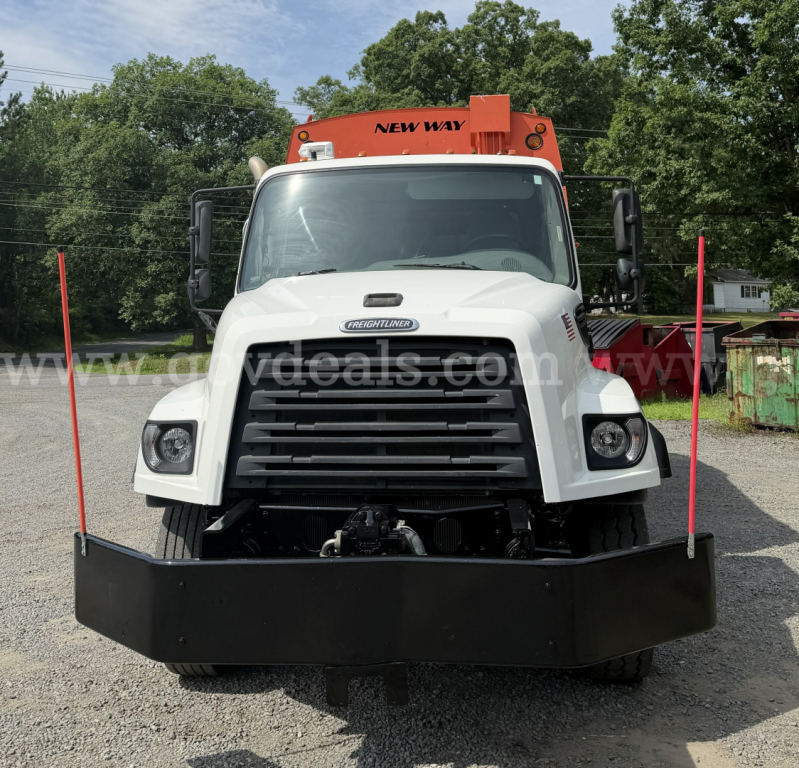
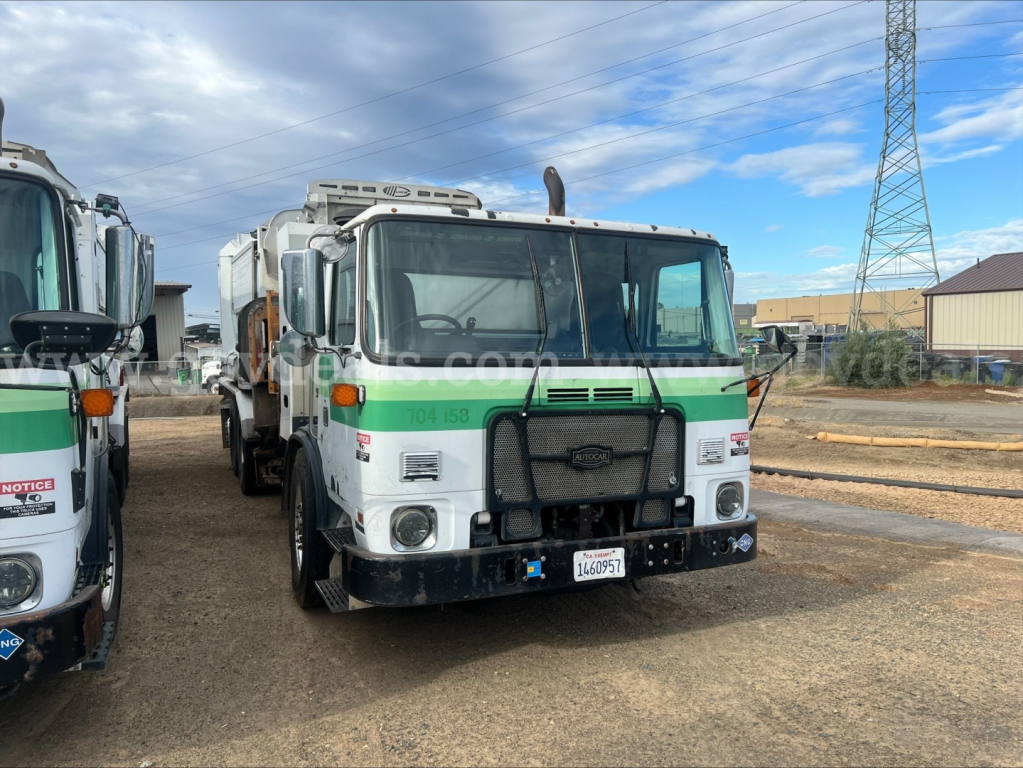
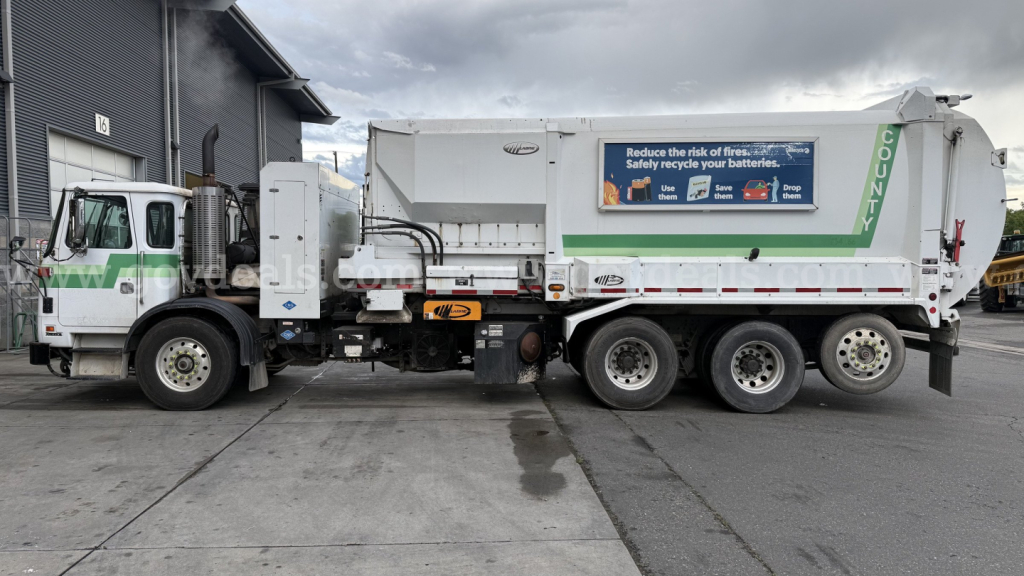
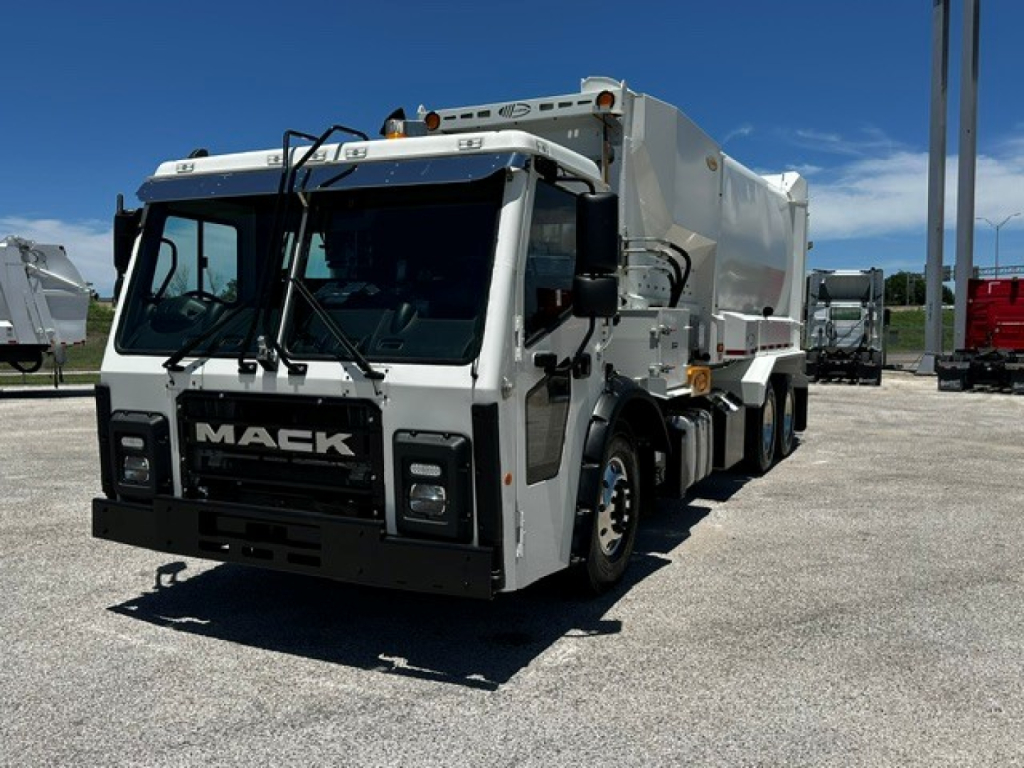
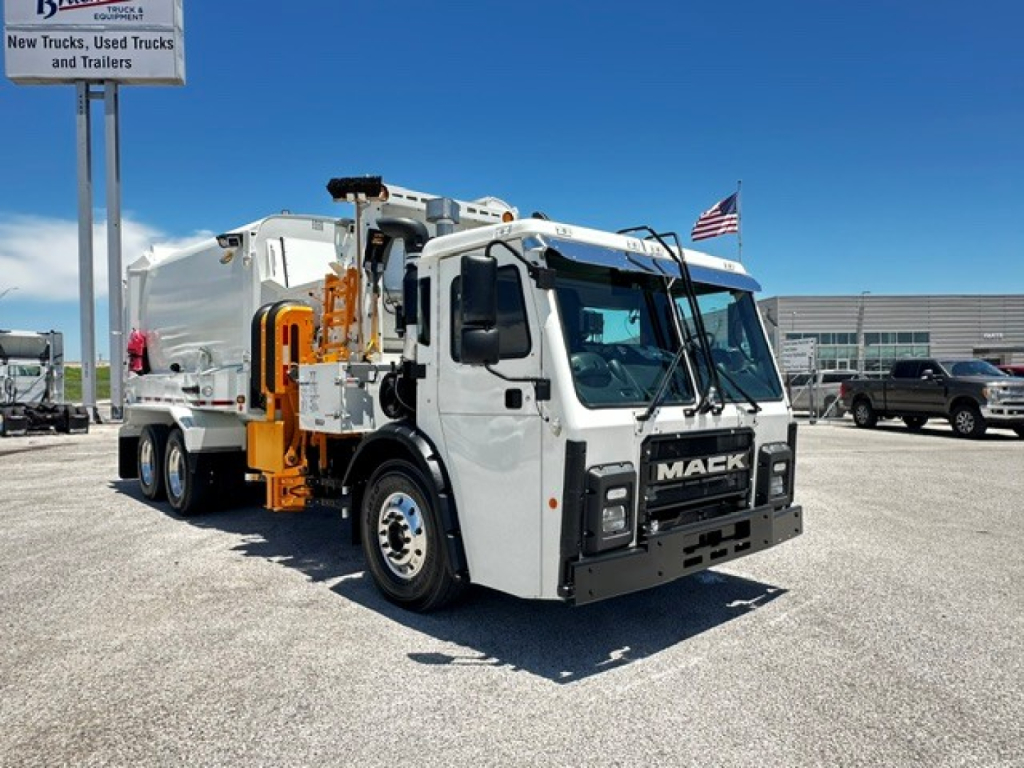
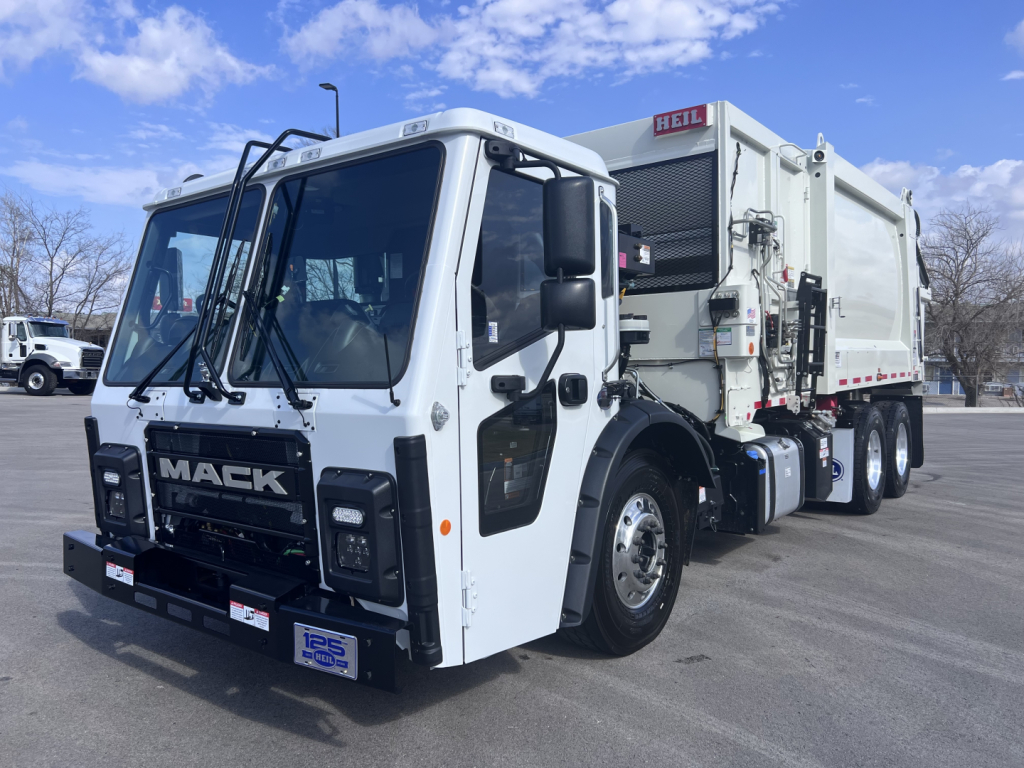
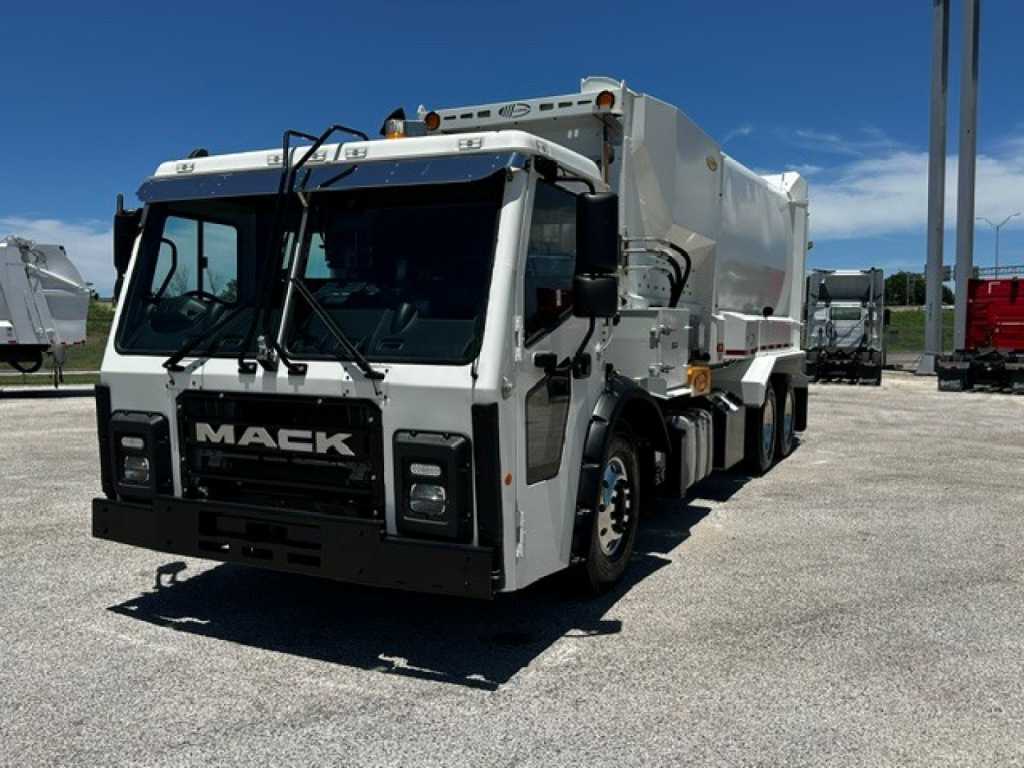

Selling a isuzu garbage truck? List your isuzu garbage truck for sale and reach thousands of commercial buyers.
Isuzu Garbage Trucks
The first buying decision is usually body type and route duty cycle. An Isuzu garbage truck may be set up with a rear loader, side loader, mini packer, or small compaction body depending on the waste stream and container style. These trucks are often used for municipal trash, recycling, park waste, bagged refuse, and commercial light-duty pickup rather than high-volume residential automation. Buyers should match the chassis GVWR, rear axle rating, wheelbase, and PTO setup to the body and expected payload. On used units, pay close attention to packer cycle operation, hopper floor condition, body corrosion, hydraulic leaks, and signs of frame stress around body mounts.
Powertrain selection on Isuzu refuse chassis generally centers on diesel medium-duty platforms with automatic transmissions suited for repeated starts and low-speed collection work. Because garbage service is hard on driveline, brakes, suspension, and hydraulics, maintenance history matters more than model year alone. Look for evidence of regular hydraulic service, brake replacement intervals, cooling system upkeep, and any injector, turbo, or emissions-related repairs. Cab condition also tells a story on refuse trucks. High-entry cycles, idle hours, and route wear show up in seats, door hardware, switches, and steering components before the odometer tells the full picture.
For many buyers, the appeal of an Isuzu garbage truck is operating efficiency in a compact package. Compared with larger front loaders or heavy automated side loaders, these trucks are easier to place on specialty routes, cheaper to fuel, and often simpler to run in mixed municipal fleets. They are also commonly used as satellite trucks supporting transfer points or larger collection vehicles. If the route involves tight streets, lower daily tonnage, and frequent stops, an Isuzu garbage truck can be a practical fit as long as the body, axle ratings, and hydraulic system are sized correctly for the work.
Frequently Asked Questions about Isuzu Garbage Trucks
What are Isuzu garbage trucks best suited for?
Isuzu garbage trucks are best suited for light- to medium-duty refuse collection in areas where maneuverability is critical. Common applications include residential alleys, downtown routes, park systems, campuses, recycling pickup, and commercial bagged waste. Their cabover design makes them especially useful where larger refuse trucks are difficult to operate safely or efficiently.
What body types are commonly found on an Isuzu garbage truck?
Common body configurations include rear loaders, small side loaders, mini packers, and compacting refuse bodies. The exact setup depends on the route and waste stream. Buyers should confirm that the body capacity, PTO configuration, hydraulic system, and chassis ratings all match the intended use, because a compact Isuzu chassis is often purpose-built for a specific collection role.
What should I inspect on a used Isuzu garbage truck?
Focus on the refuse body and hydraulic system first. Check packer operation, cylinder seals, hoses, control valves, hopper wear, body corrosion, and floor condition. Then inspect the chassis for brake wear, suspension fatigue, frame condition, steering play, transmission behavior, cooling system service, and emissions-system history. Refuse trucks accumulate wear through stop-start duty and idle time, so service records are valuable.
Are Isuzu garbage trucks good for residential trash routes?
They can be a strong fit for residential trash routes with lower volume, narrow streets, or limited turning space. They are less suited for high-tonnage automated collection that requires a larger body and heavier chassis. Many fleets use Isuzu units on specialty routes, satellite pickup, or neighborhoods where a full-size refuse truck is oversized for the job.
Why do fleets choose an Isuzu cabover chassis for garbage service?
Fleets choose Isuzu cabover chassis because they offer a short overall length, strong visibility, and a tight turning radius. Those traits help operators work in confined areas and reduce time lost to difficult maneuvering. For municipal and private sanitation work that involves constant stops and close-quarter driving, that layout can improve route efficiency and ease of operation.