
Used 2013 Freightliner Trucks For Sale
Shop used 2013 Freightliner trucks including Cascadia day cabs and sleepers. Compare Detroit engines, axle setups, wheelbases, and specs.
Learn more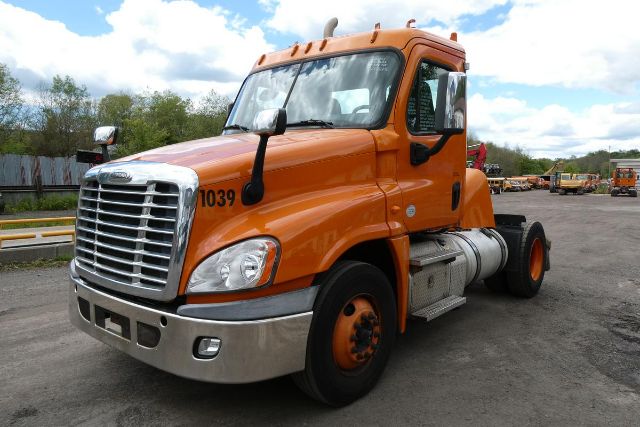
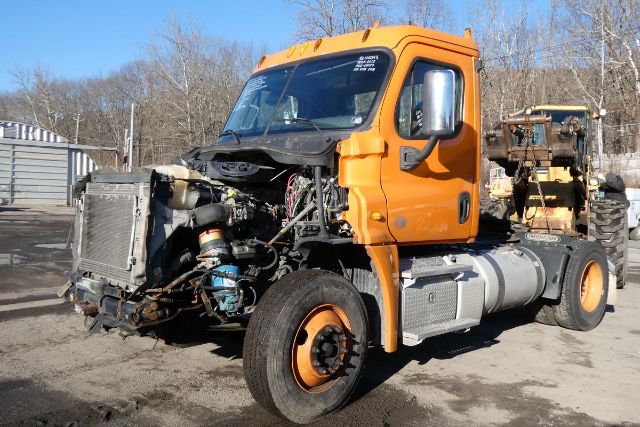
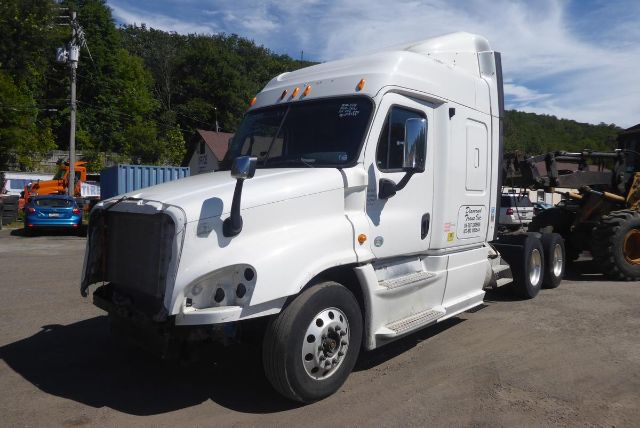
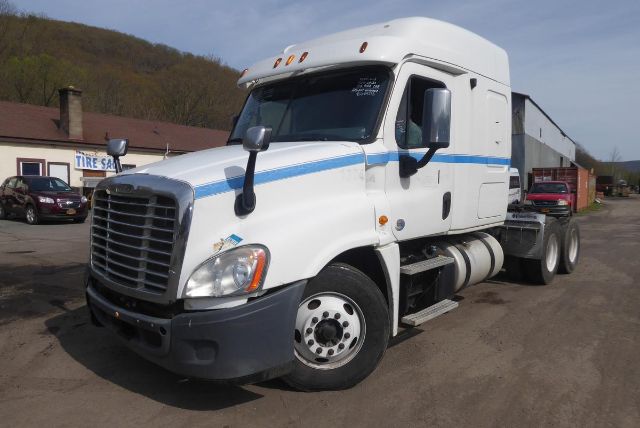
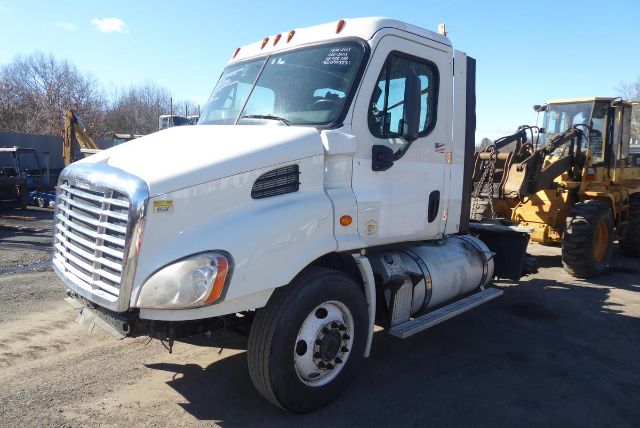
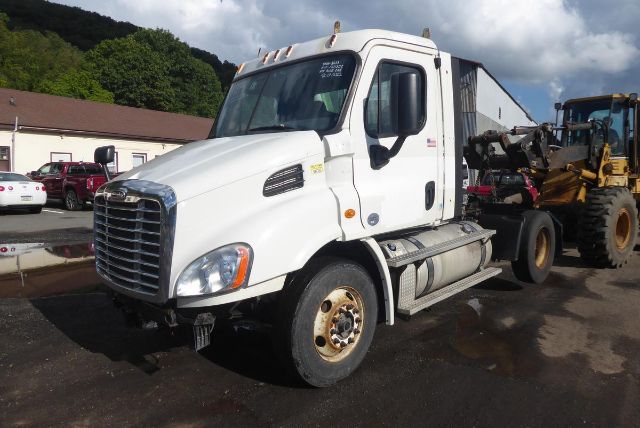
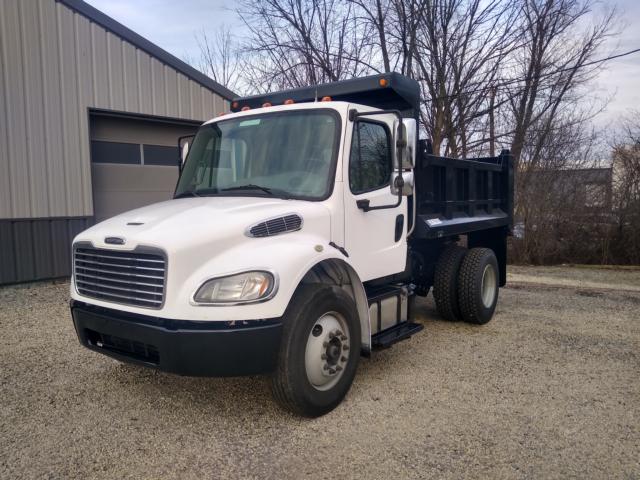
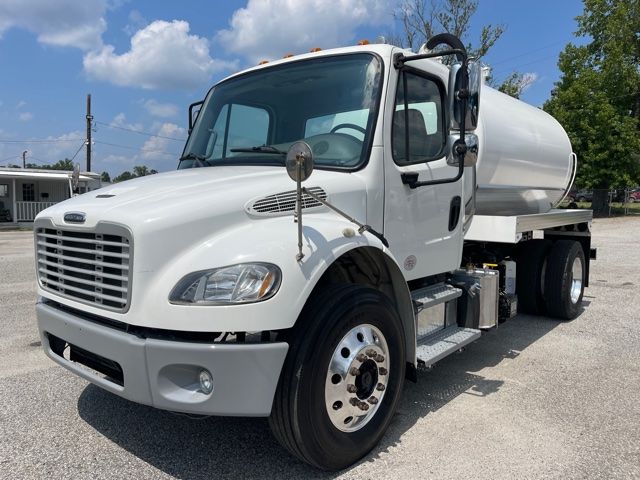
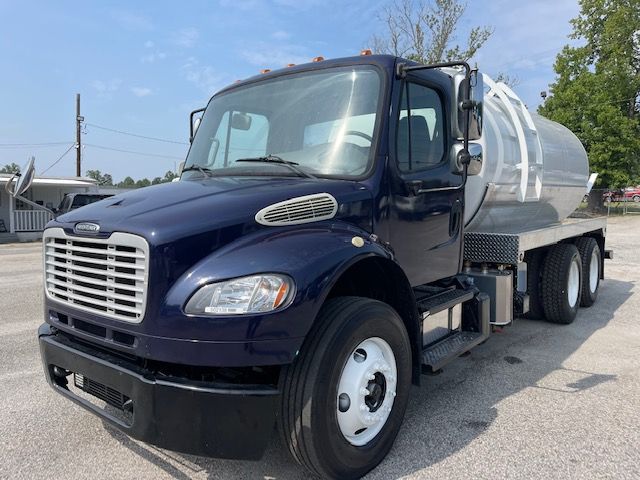
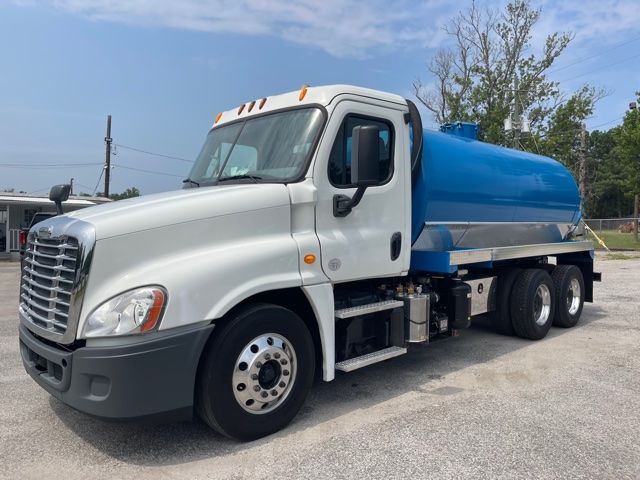
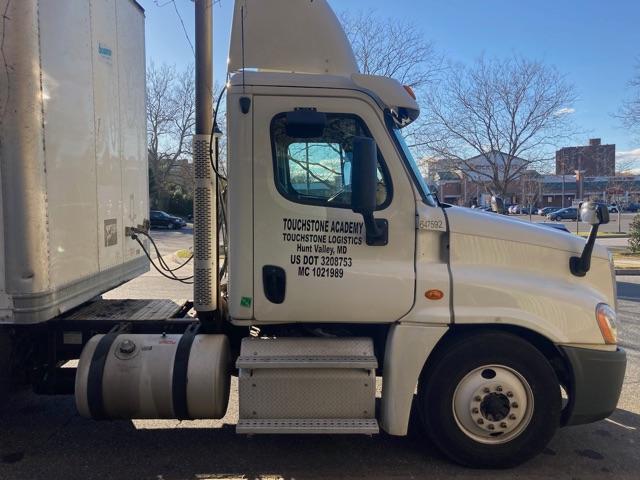
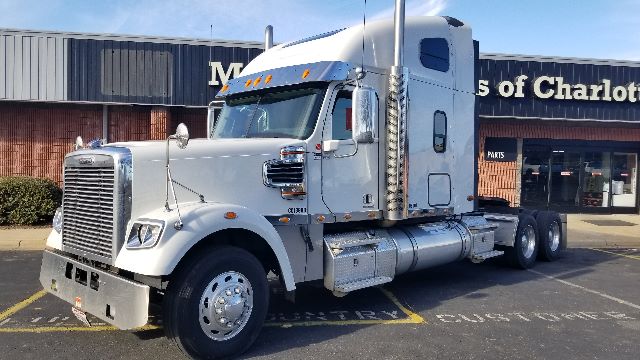
Showing 13 to 24 of 24 results
Have used 2013 freightliner truck to sell? List it here to reach thousands of buyers.
About Used 2013 Freightliner Trucks
Frequently Asked Questions
What engines are common in used 2013 Freightliner trucks?
The most common engines in 2013 Freightliner highway trucks are Detroit DD13 and DD15 platforms, depending on the truck’s intended service. The DD13 is often found in regional and weight-sensitive applications where buyers want a lighter package and solid fuel economy. The DD15 is more common in linehaul and heavier gross combination weight operations where torque and highway gearing matter more. Buyers should confirm horsepower and torque ratings, check ECM miles and engine hours against the odometer, and review records for emissions-related repairs such as DEF, DPF, and sensor work.
Is a 2013 Freightliner Cascadia a good choice for day cab work?
Yes, a 2013 Freightliner Cascadia day cab can be a strong fit for regional haul, dedicated freight, drayage, and vocational tractor applications when the wheelbase, axle rating, and transmission match the job. Many are spec'd as 4x2 tractors with 12,000 lb front axles, around 23,000 lb rear axles, and 10-speed manual transmissions, which works well for lighter trailer pulls and fuel-conscious routes. Buyers should look closely at frame condition, fifth wheel setup, cab to axle measurement, and rear ratio because those details determine how well the truck will handle trailer clearance, payload, and route profile.
What should I inspect first on a used 2013 Freightliner truck?
Start with the powertrain and chassis fundamentals before cosmetic items. Verify engine hours, idle time, fault codes, transmission operation, clutch condition if manual, and differential noise under load. On the chassis side, inspect suspension bushings, airbags, brakes, kingpins, steer tires, and frame rail condition, especially around crossmembers and fifth wheel areas. On 2013 emissions-era trucks, it is also smart to check aftertreatment service history, DEF system function, and whether the truck has recurring derate or sensor issues documented in maintenance records.
What transmission and axle specs are typical on 2013 Freightliner trucks?
Typical specs vary by application, but many 2013 Freightliner day cabs use 10-speed manual transmissions paired with mid-3 rear ratios such as 3.42 or 3.55. Sleeper and linehaul units may have different ratio strategies depending on horsepower, overdrive setup, and target cruise speed. A buyer should match axle ratio and transmission gearing to route conditions, average load, and expected speed bands. Faster highway lanes generally favor taller gearing for fuel economy, while city work, heavy starts, or PTO-related applications may need shorter gearing and a more work-oriented spec.
Are parts and service support still strong for 2013 Freightliner trucks?
Yes, parts and service support remain one of the biggest advantages of this equipment class. Freightliner has one of the broadest dealer and service networks in North America, and common Cascadia components, Detroit engine parts, suspension items, cab parts, and brake components are generally easy to source. That support matters for fleets trying to control downtime and for owner-operators who need independent shops to recognize the platform quickly. Even so, buyers should remember that support availability does not replace a proper inspection, especially on emissions, electronic controls, and cab wiring.