
Freightliner Trucks For Sale in Florida
Shop Freightliner trucks in Florida, from Cascadia sleepers to M2 day cabs, with specs optimized for heat, low tare weight, and corrosion control in FL
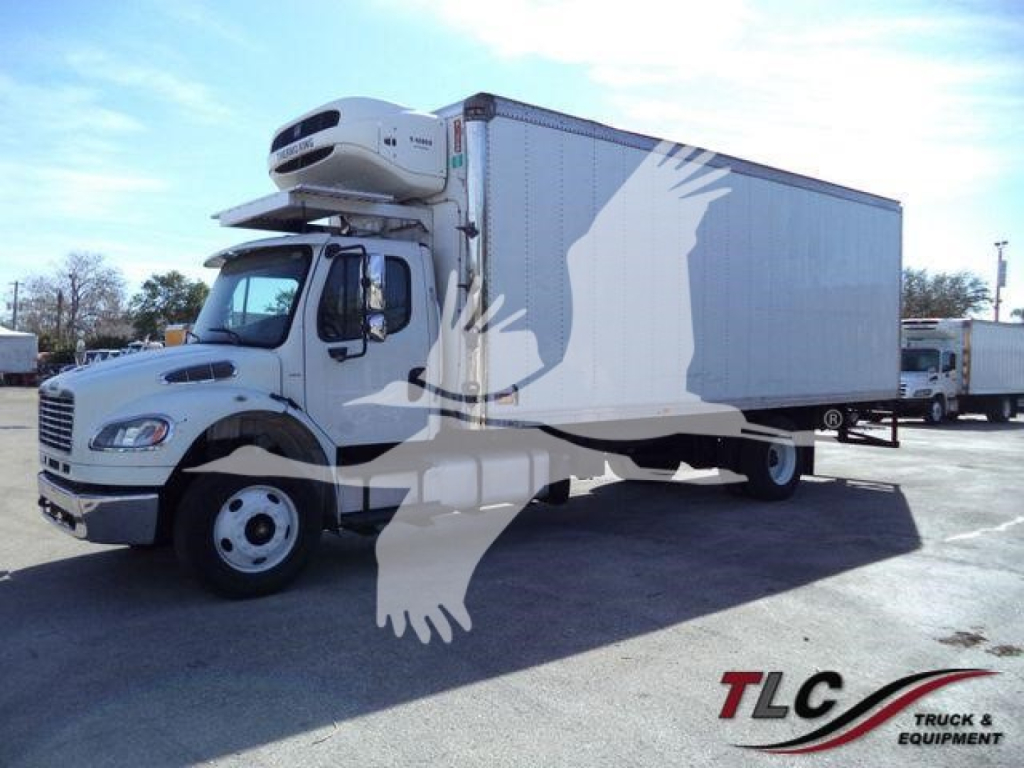
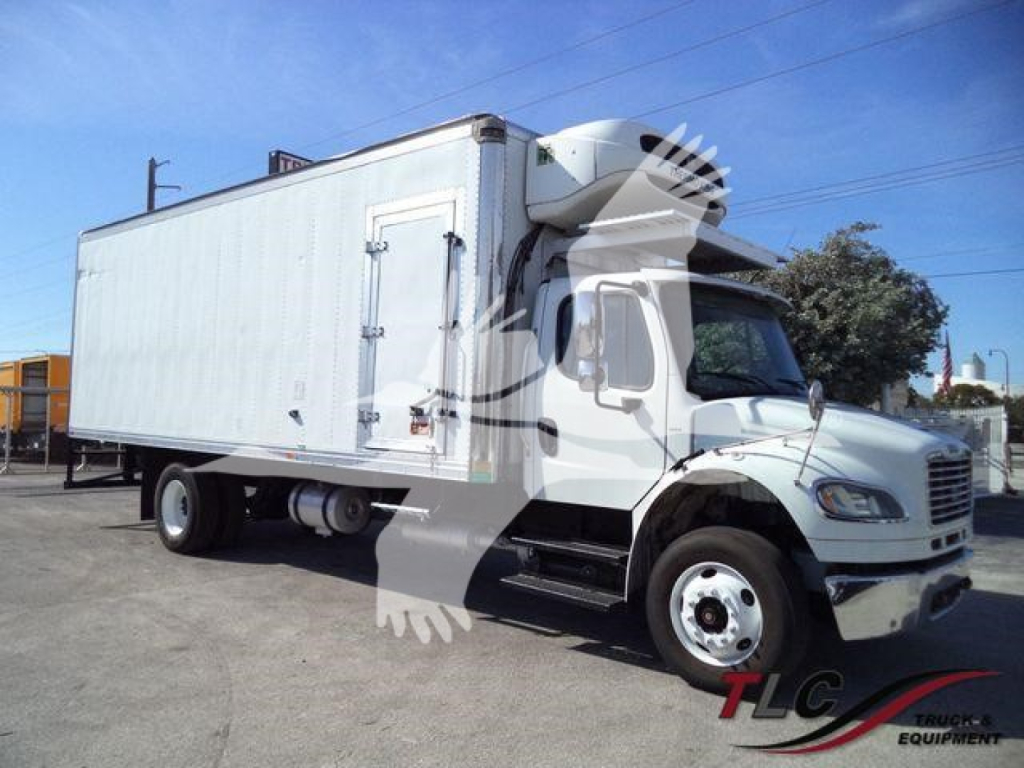
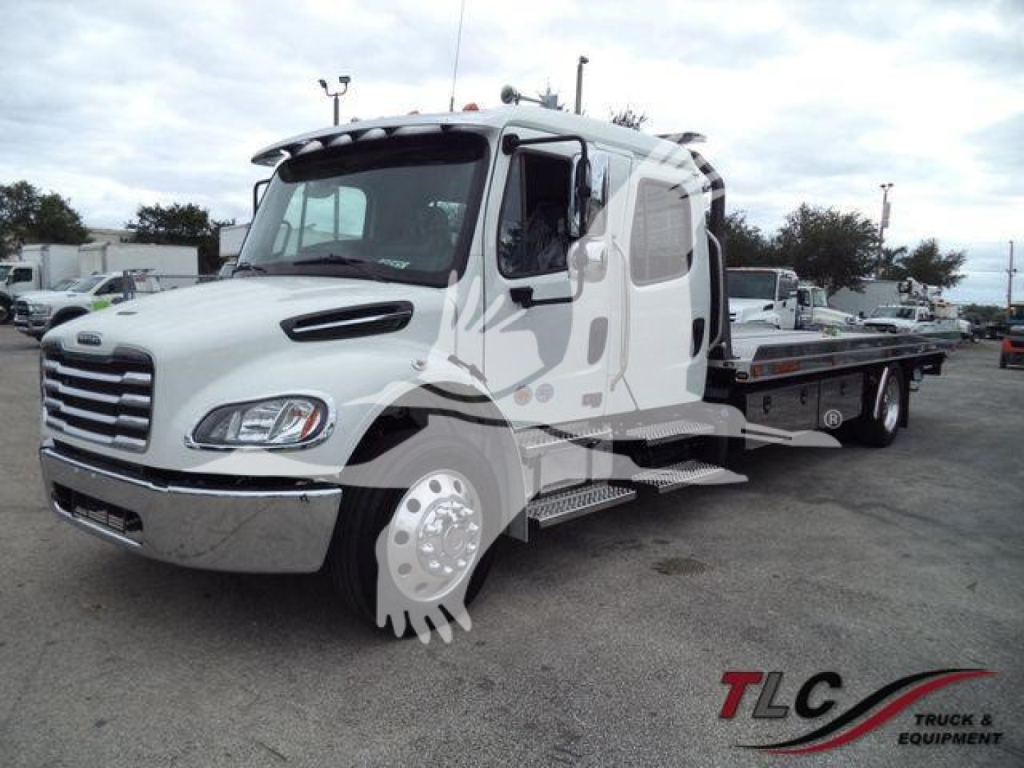
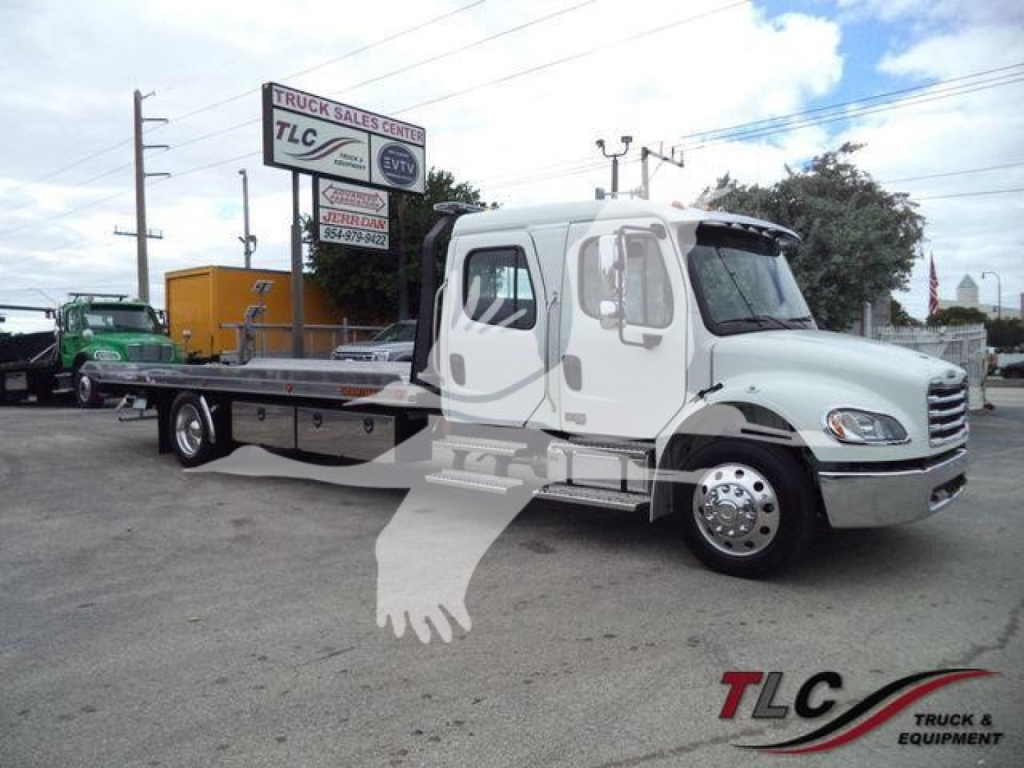
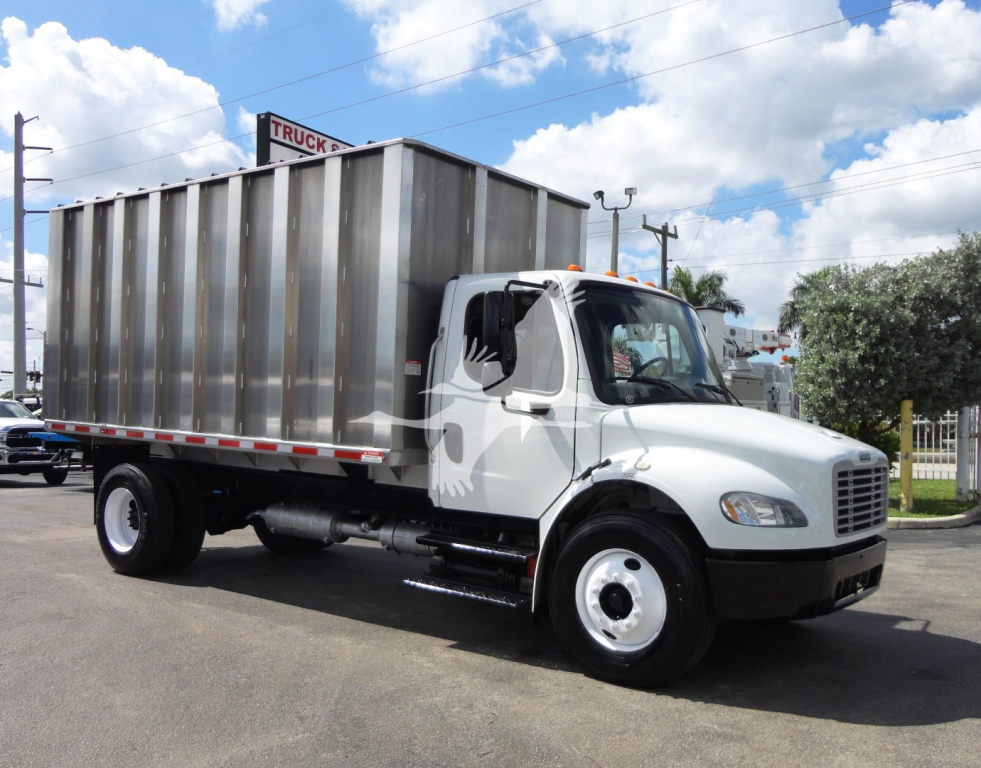
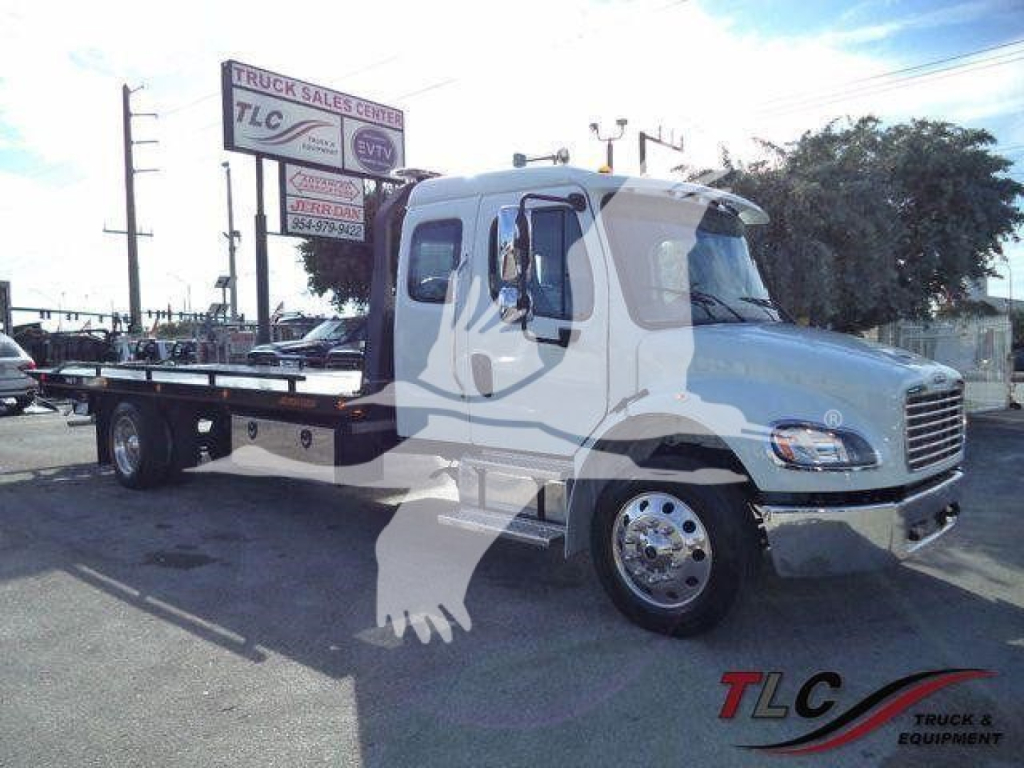
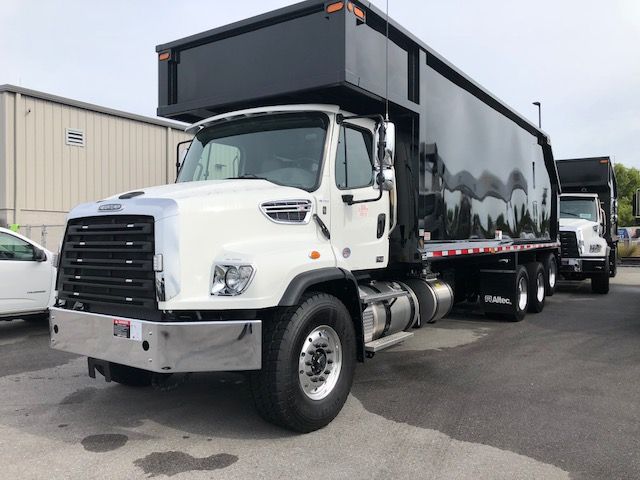
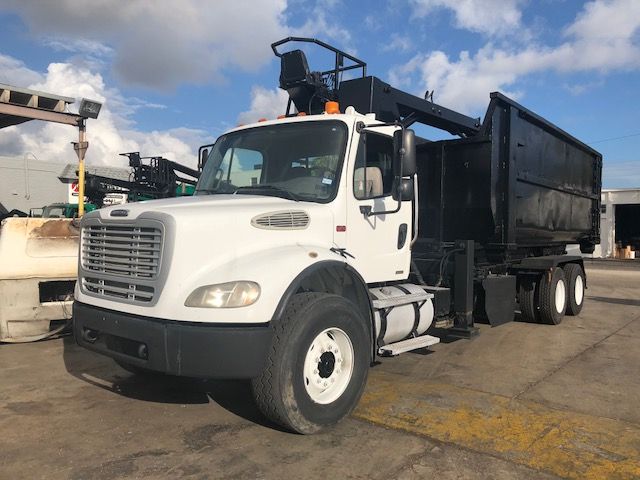
Showing 25 to 48 of 50 results
Have freightliner truck to sell? List it here to reach thousands of buyers.
Freightliner Trucks in Florida
Tare weight drives profitability on flat Florida lanes. Aluminum wheels, hubs, and air tanks, single 120 to 150 gallon tanks when range allows, and disc brakes can remove several hundred pounds while improving braking response. A 6x2 axle layout can cut 300 to 450 pounds and reduce parasitic loss, traction on wet pavement is the trade off, many fleets prefer 6x4 with optimized ride height and fairings. Pair DD13 or DD15 with the DT12 automated manual or Eaton Advantage, 2.28 to 2.64 ratios on 22.5 tires keep cruise rpm low for fuel economy; confirm startability for heavy GCW or frequent stops. For vocational builds, prioritize frame RBM and crossmember spacing to handle body loads and lift axle installations without twist. Wheelbase that fits your trailer swing clearance while keeping fifth wheel height compatible will improve stability and tire life.
Florida heat and stop and go traffic stress cooling systems and cab comfort. Look for heavy duty cooling packages, clean and pressure tested radiators and charge air coolers, proper fan clutch engagement, and no boost leaks that raise EGT and hurt aftertreatment life. Sleeper thermal integrity matters, tight door and bunk seals, quality insulation, and sun load management improve driver comfort and reduce idle time. Diesel APUs, battery HVAC, or park smart systems can maintain cab temperature legally at a dock or rest area while cutting fuel consumption and DPF load.
Corrosion resistance is critical near the coast. Freightliner aluminum cabs, e coated frame rails, powder coated brackets, stainless fasteners, and composite battery boxes slow rust, but inspection still matters. Check frame flanges, crossmember ends, suspension hangers, fifth wheel plates, air tanks, and DEF and SCR hardware for blistering paint or scale. Verify sealed electrical connectors and harness routing, look for greened pins and chafing along the firewall, frame, and cab mounts. A clean undercarriage, documented underbody washing, and touch up of stone chips will extend service life and preserve resale.
Frequently Asked Questions about Freightliner Trucks in Florida
Which Freightliner model best fits Florida operations?
For long haul or regional TL, Cascadia with DD13 or DD15, the DT12, and aero packages delivers strong fuel economy on flat routes. For city P&D and box work, the M2 106 with the B6.7 or L9 and Allison automatic is nimble in traffic. Heavy vocational tasks like dumps, mixers, and municipal service point to the 114SD or 122SD with higher RBM frames, optional double rails, and front engine PTO options.
How should I spec a Cascadia for fuel economy on flat Florida highways?
Aim for a downsped setup, DD15 with DT12 direct or overdrive, final drive in the 2.28 to 2.47 range on 22.5 low profile tires, and full aero including roof, side, and chassis fairings. Low rolling resistance tires with a quality TPMS, properly set ride height, and predictive cruise with GPS mapping help hold low cruise rpm while maintaining gradeability. Validate startability based on GCW and frequency of stops so launch torque and clutch strategy match your route profile.
How can I cut tare weight without compromising durability?
Select aluminum wheels and air tanks, disc brakes, and the smallest practical fuel capacity for your route, then verify weight distribution with your trailer. A 6x2 tandem reduces weight and parasitic loss, rain traction is the compromise, many Florida fleets stay 6x4 and save weight elsewhere. Keep structural integrity where it counts, sufficient frame RBM, appropriate crossmember spacing, and reinforced body mounts on vocational builds maintain longevity under torsional loads.
What corrosion protection features matter in coastal Florida, and what should I inspect on a used unit?
Look for e coated frames, powder coated brackets, stainless hardware, composite battery boxes, and sealed electrical connectors. Inspect frame flanges, suspension hangers, crossmember ends, fifth wheel plates, air tanks, and DEF and SCR components for coating loss or scale. Check cab mounts, step boxes, and battery trays for blistering paint, and open key connectors to spot greened pins. Service records that show regular undercarriage washes and touch up work indicate better long term corrosion control.
How do I keep drivers comfortable in Florida heat without heavy idling?
Prioritize sleeper insulation and airtight cab seals, ensure the HVAC system holds spec pressures and that the condenser, evaporator, and blower are clean. Add a diesel APU or battery HVAC system sized for your sleeper volume, pair with sunshades and thermal curtains to reduce load. Proper window tint within Florida regulations, bunk fans, and a well maintained bunk control module keep temperatures stable and lower DPF load from idle time.