
Used Ford Trucks For Sale in New York
Find used Ford trucks in New York, from F-250 to F-750. Evaluate payload, tare weight, floor strength, thermal integrity, and corrosion resistance.
Learn more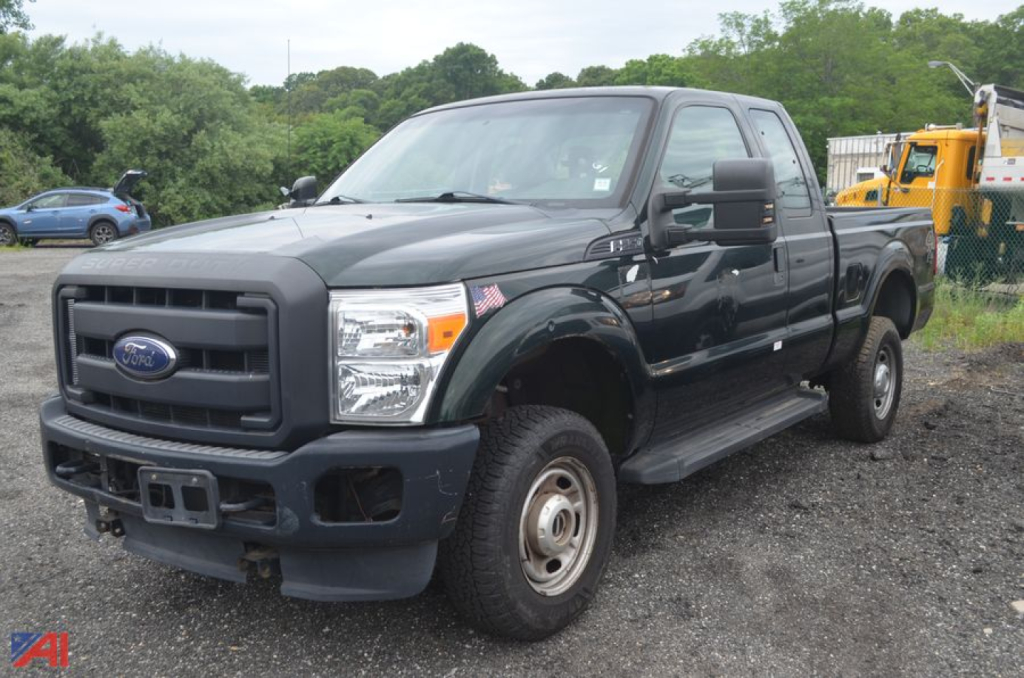
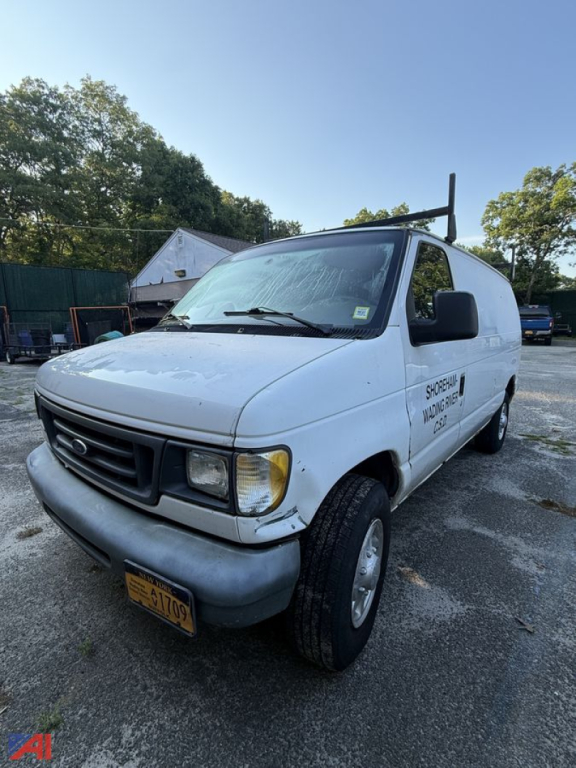
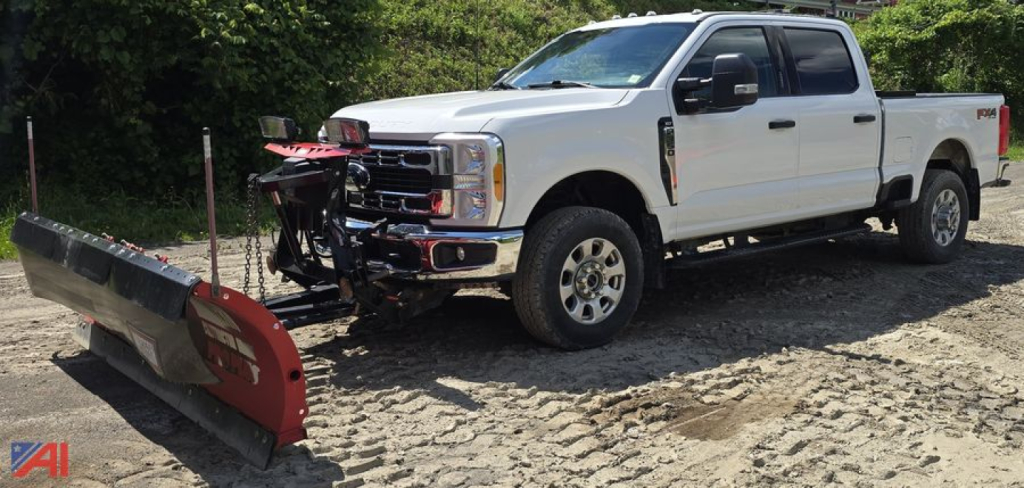
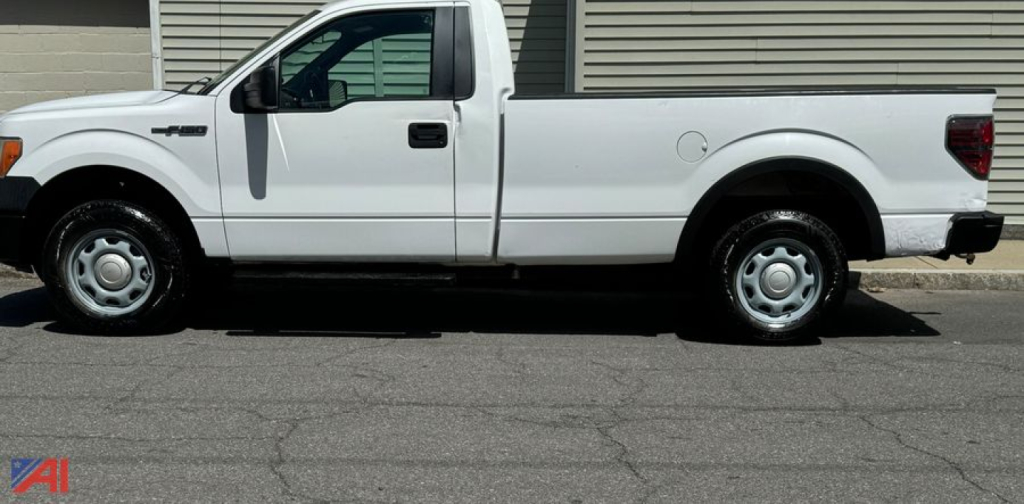
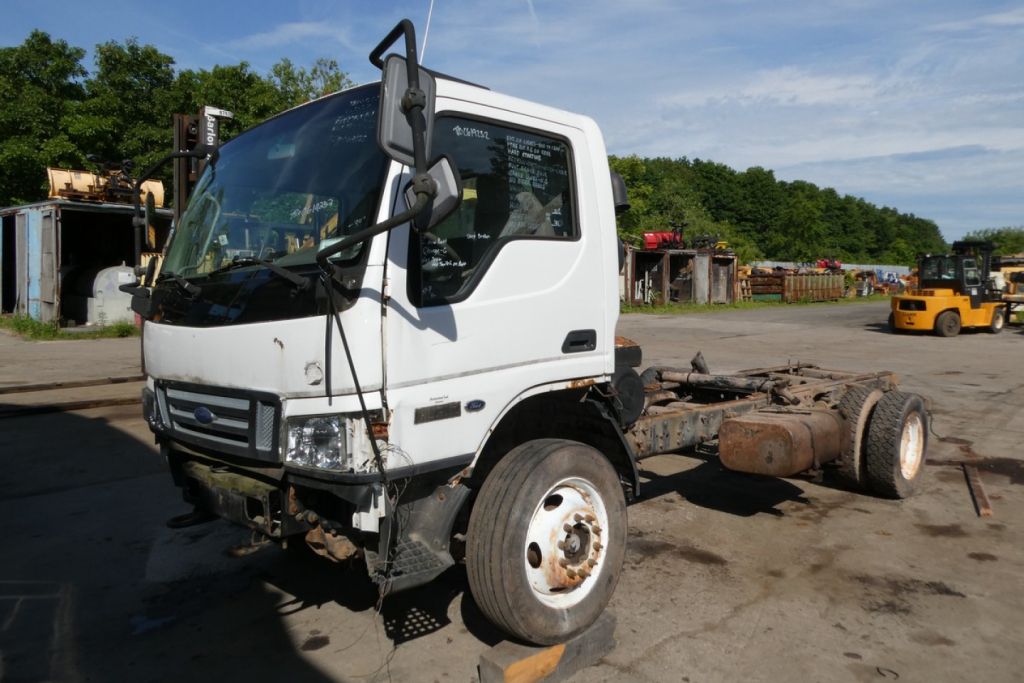
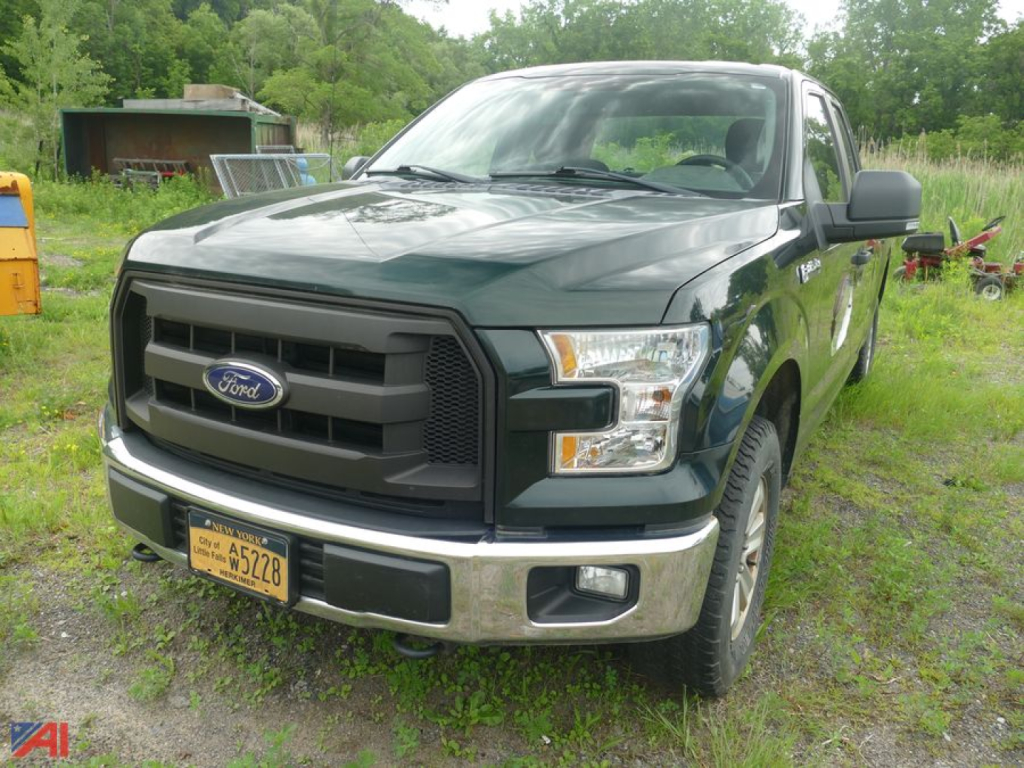
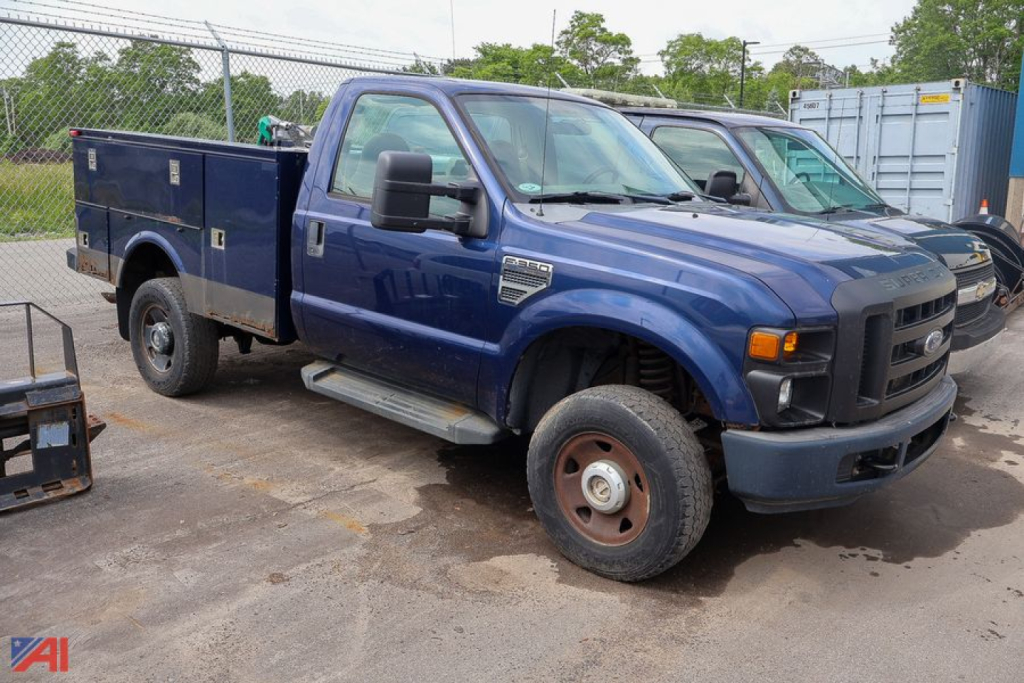
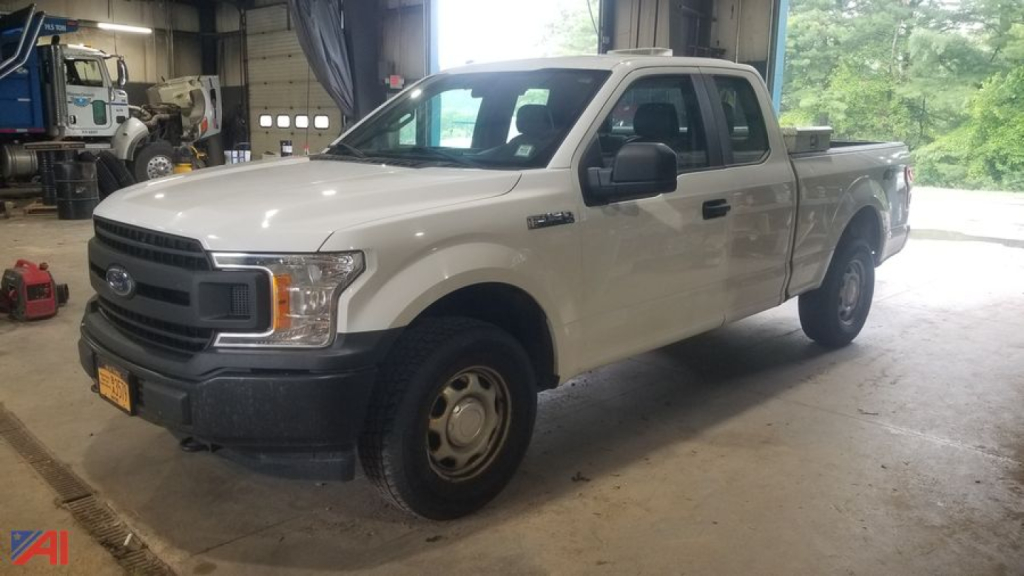
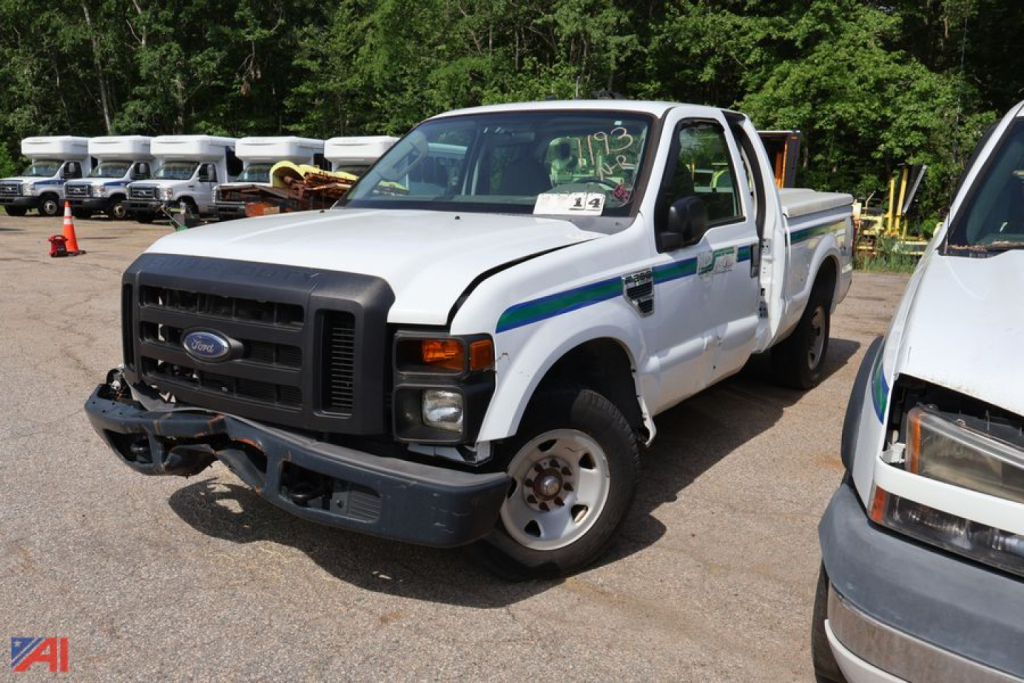
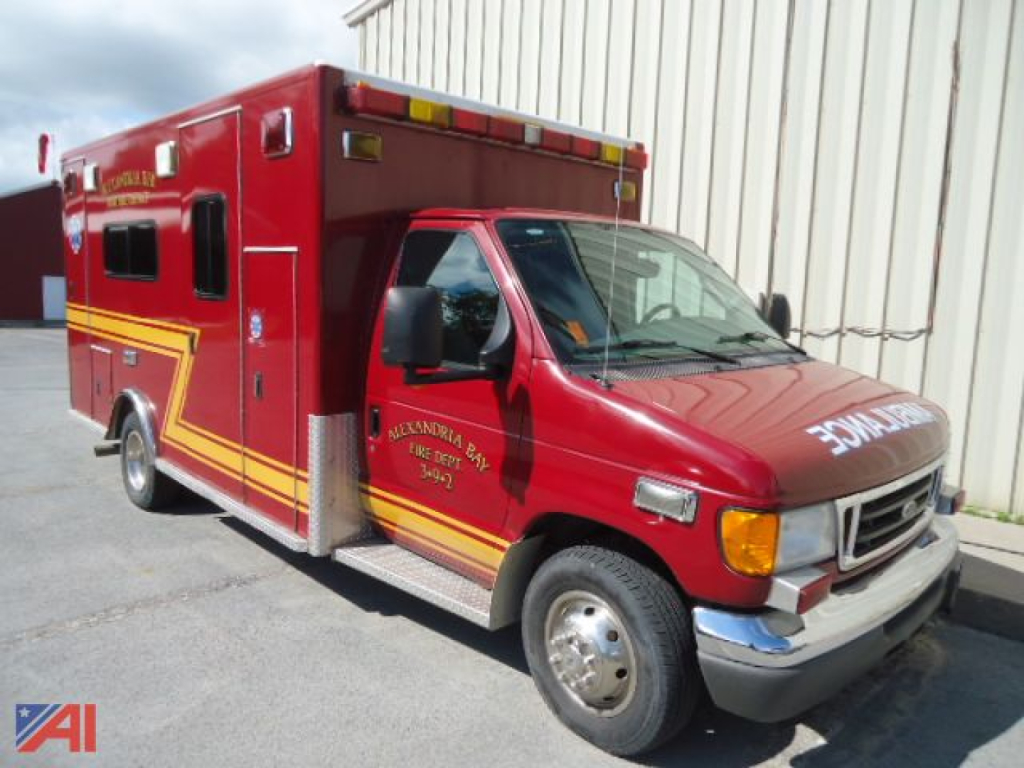
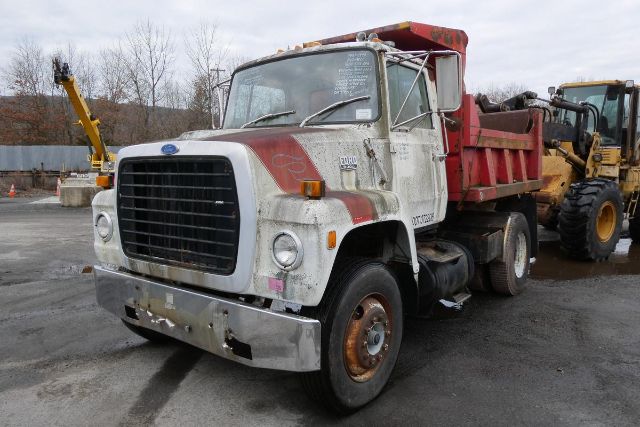
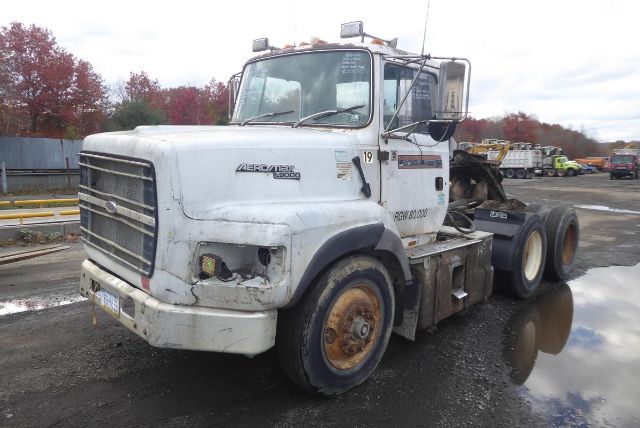
Showing 25 to 36 of 46 results
Have used ford truck to sell? List it here to reach thousands of buyers.
About Used Ford Trucks in New York
Tare weight drives payload and profitability. Ford’s 7.3L gas and 6.7L Power Stroke diesel with TorqShift transmissions cover a wide range of torque and PTO needs, but upfit materials often swing the scale more than the powertrain. 2017 and newer Super Duty cab and chassis use high strength aluminum cabs that shed weight compared to older steel cabs, which helps with payload and corrosion resistance; F-650 and F-750 retain robust steel cabs with heavy section frames that favor severe service. Spec choices like 19.5 inch versus 22.5 inch wheels, single versus dual fuel tanks, spring versus air ride on medium duty, and hydraulic versus air brakes affect both tare and serviceability. Verify rear axle ratios for your cruise speed, confirm GCWR for trailer work, and check that any PTO provision aligns with hoists, plows, or compressors already installed.
Body and floor strength determine how a used Ford box, stake, flatbed, or dump truck will hold up. On dry van bodies, look for crossmember spacing at 12 inches versus 16 inches when frequent forklift loading is expected, hardwood or laminated floors with intact screw lines, aluminum threshold plates, and scuff liners to 24 to 36 inches to protect walls; E track or logistic posts should be solid with no pulled fasteners. Flatbeds and stake bodies benefit from apitong or aluminum extruded decks and continuous rub rails; check tie downs, headboard welds, and stake pockets. Dump bodies should show straight hoist rails, tight hinge pins, and AR steel thickness appropriate to duty, often 3/16 to 1/4 inch for construction debris; look for prior liner use that may have preserved the floor. For pickups, inspect bed cross sills, gooseneck mounts, and any utility body floors for buckling or soft spots.
Thermal integrity matters on Ford chassis fitted with reefer or insulated bodies. Inspect foam in place insulation continuity, door seals, latch alignment, and vapor barrier condition, especially at sills and front corners where thermal bridging can form condensation; match reefer unit capacity to box volume and temperature set points, and check engine or electric standby hours. New York winters demand corrosion resistance, so focus on frame scaling at spring hangers, crossmembers, and rear frame extensions, brake and fuel lines, battery trays, and body mounting points. Aluminum Super Duty cabs resist rust but still need attention to paint chips and galvanic interfaces; e coat frames, stainless hardware, sealed harness connectors, and quality undercoating add longevity. Confirm TPMS function on newer models, verify block heater operation, and review DPF and SCR service history to be sure the truck can handle cold starts and urban idling without aftertreatment issues.
Frequently Asked Questions
Which Ford models can be run without a CDL in New York?
Trucks at or under 26,000 lb GVWR do not require a CDL for single unit operation in New York, so properly spec’d F-350, F-450, and F-550 can fit, and some F-650 units are factory derated to 25,999 lb. Combination weights still apply when towing, so know your GCWR and trailer GVWR. Endorsements and restrictions depend on brake systems and cargo type, so confirm air brake training requirements and any hazmat or passenger rules if applicable.
Should I choose gas or diesel for stop and go work in NYC and Long Island?
Gas engines like Ford’s 7.3L offer lower acquisition cost, simpler emissions hardware, and decent cold start performance, which suits short hops and lighter payloads. The 6.7L Power Stroke diesel delivers more torque, better fuel economy under heavy load, and stronger PTO support, which benefits dumps, tow, and service trucks. In dense urban duty, frequent low temperature operation can shorten diesel DPF regeneration intervals, so review aftertreatment history and duty cycle, and consider gear ratios that keep exhaust temps healthy.
How do I evaluate the floor strength of a used Ford box truck or upfit body?
Start with crossmember spacing and floor material. Twelve inch crossmember spacing and hardwood or laminated plank floors provide better forklift support than 16 inch spacing or thin plywood. Inspect for deflection near the rear door, loose fasteners, cracked threshold plates, and torn scuff liners. Look for E track attachment integrity, roof bow alignment, and side post straightness, which indicate the body has not been overloaded. On dumps, verify AR floor thickness and straight hoist rails; on flatbeds, check deck fasteners and rub rail welds.
What defines good thermal integrity on a Ford reefer straight truck?
Consistent insulation thickness, intact vapor barriers, and undamaged door seals are key. Walls and ceilings should show no dark moisture tracks, the rear sill should close square, and drain plugs should be present. Match unit capacity to the box size and target temperatures, confirm electric standby if you dock overnight, and inspect condenser and evaporator coils for corrosion. Review unit hours and recent service, and verify the body manufacturer’s R value ratings and that repairs have not introduced thermal bridges.
How can I reduce corrosion risk on a used Ford truck for New York winters?
Favor aluminum cab Super Duty models where appropriate, inspect for e coat coverage on frames, and seek trucks with stainless fasteners, sealed harnesses, and quality undercoating. Check frame flanges, crossmembers, brake and fuel lines, body mounts, and rear frame extensions for scaling or perforation. Wash frequently, including the frame and behind fender liners, keep paint chips sealed, and maintain drain paths in dump and van bodies. Verify that plow prep or municipal service trucks have not suffered from galvanic corrosion at upfit interfaces.