
Used Ford Pickup 4wd Trucks For Sale in New York
Used Ford 4WD pickups in New York. Compare F-150 and Super Duty 4x4 trucks by payload, tow ratings, corrosion resistance, and winter-ready features.
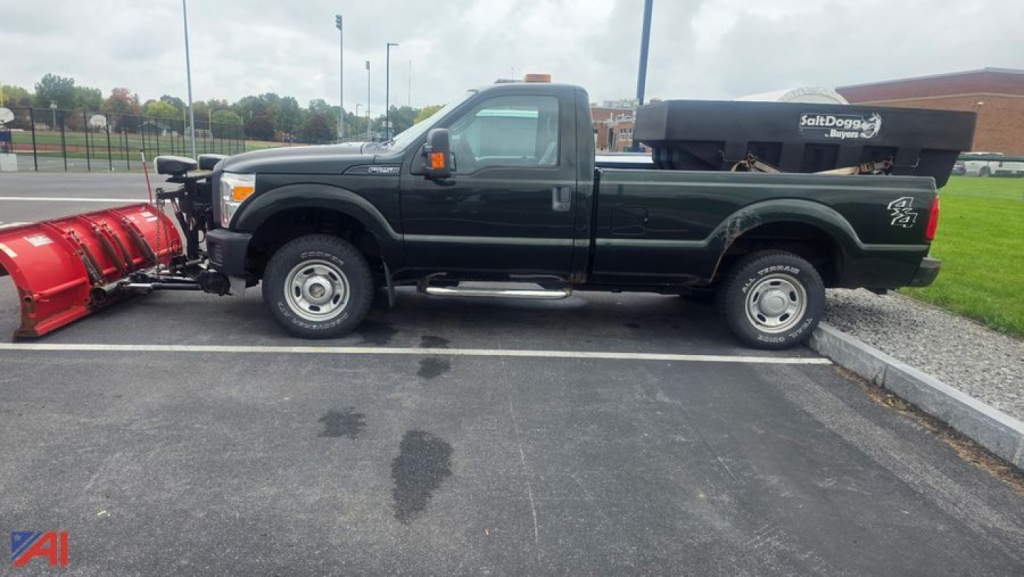
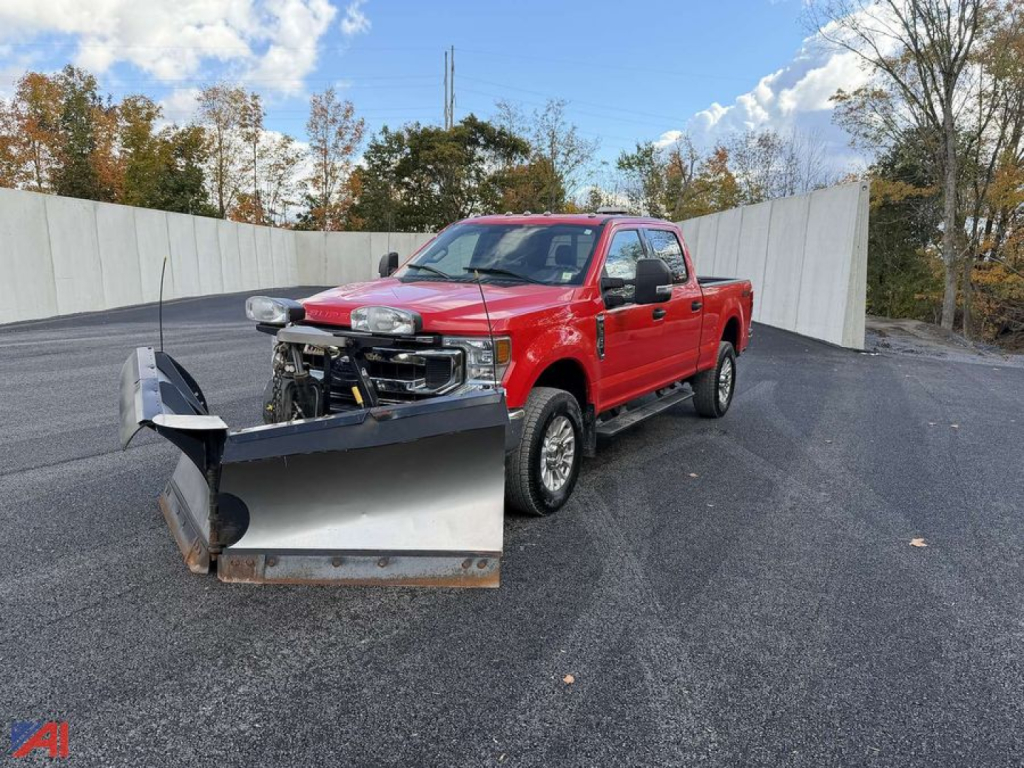
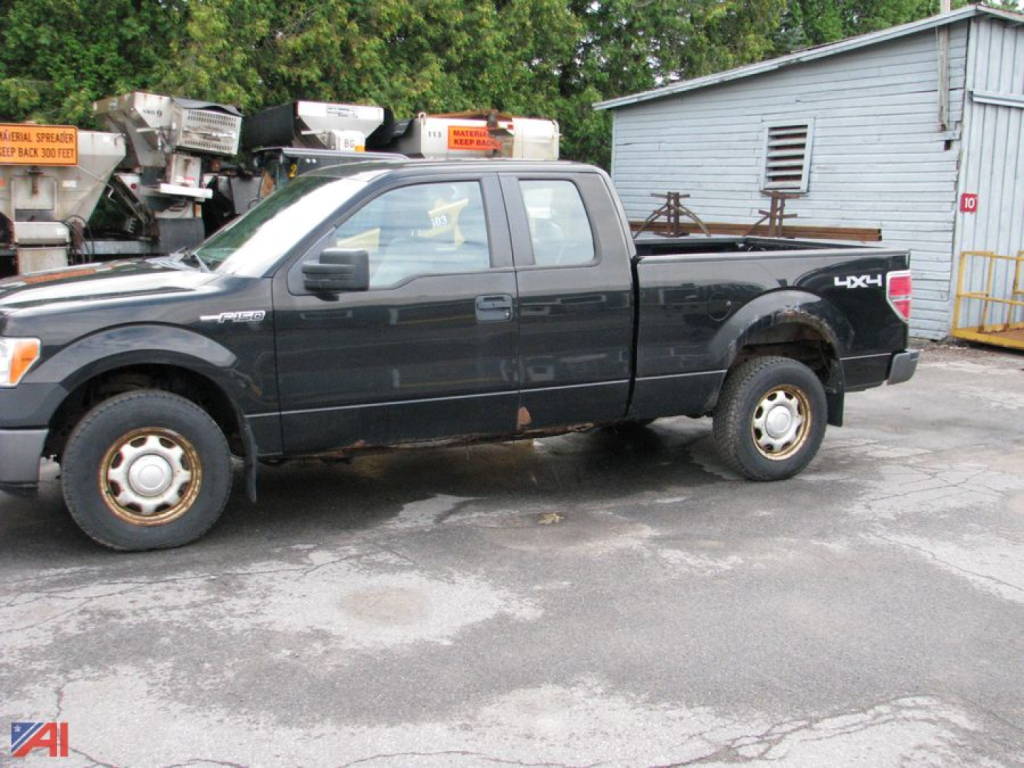
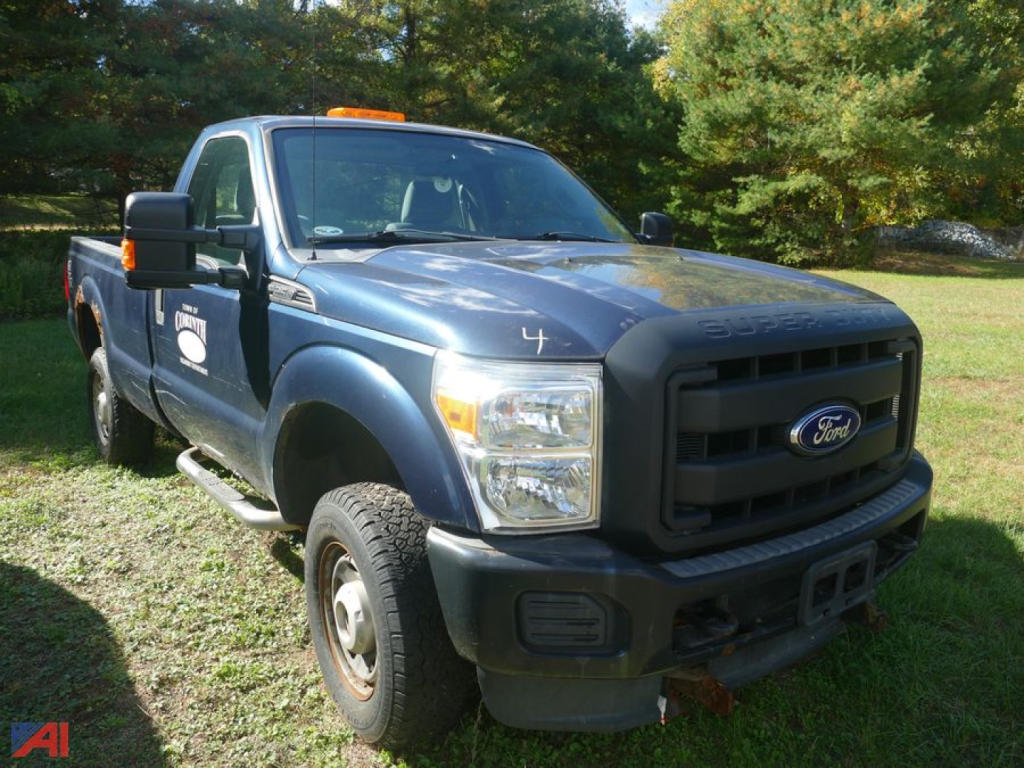
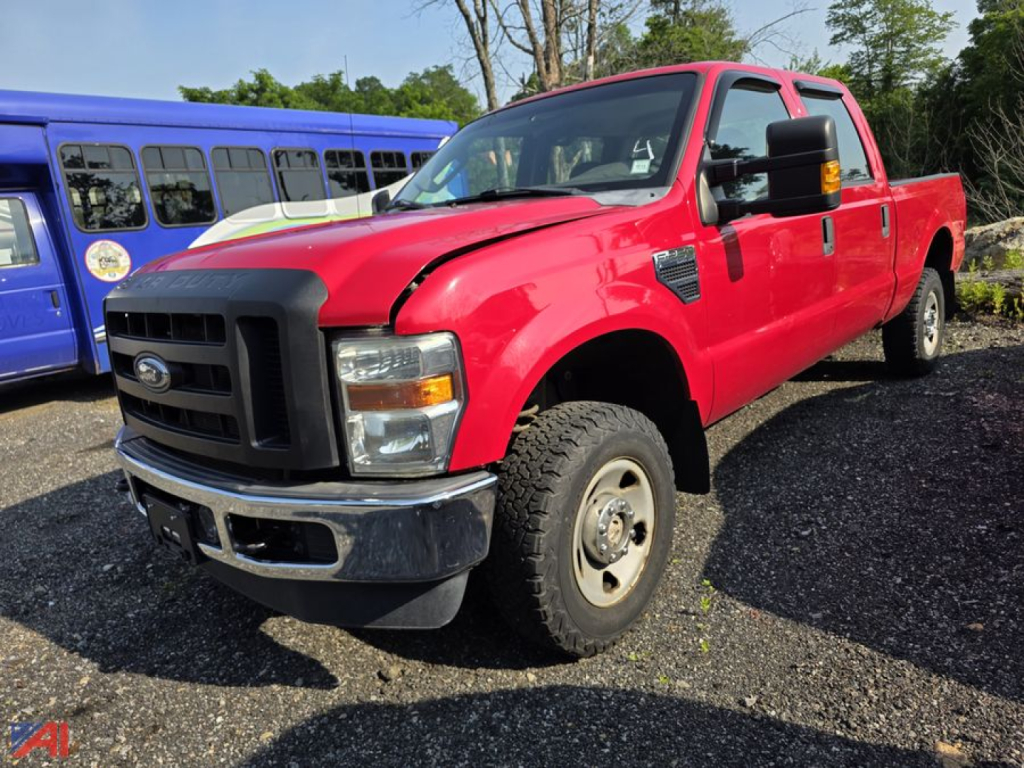
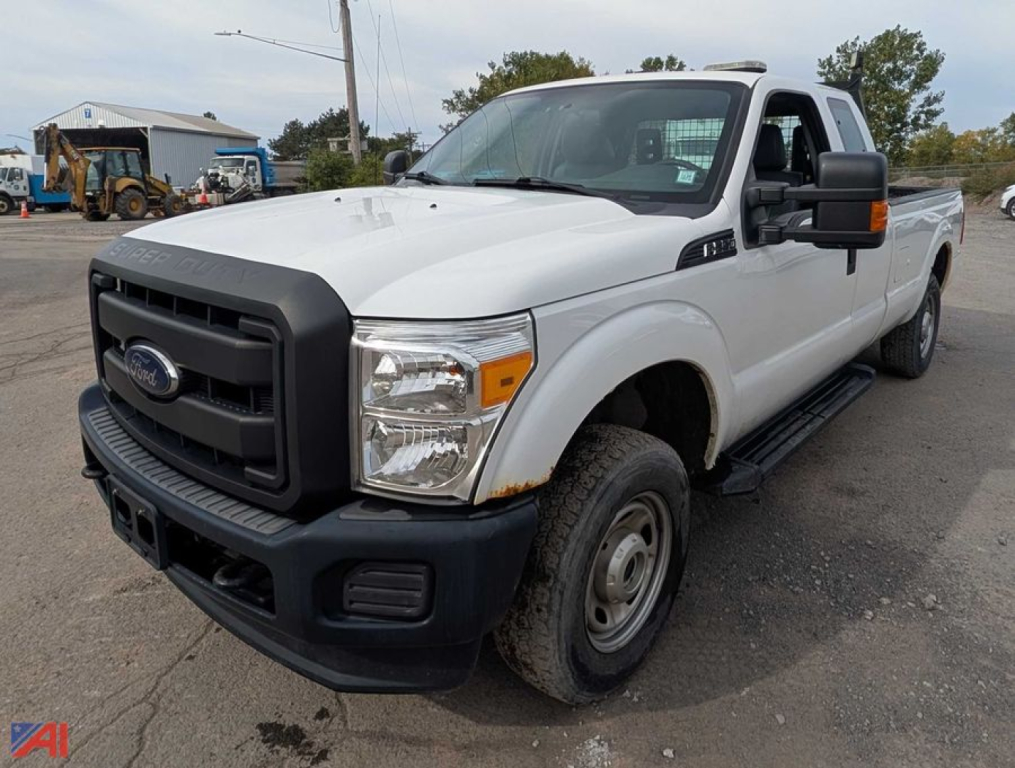
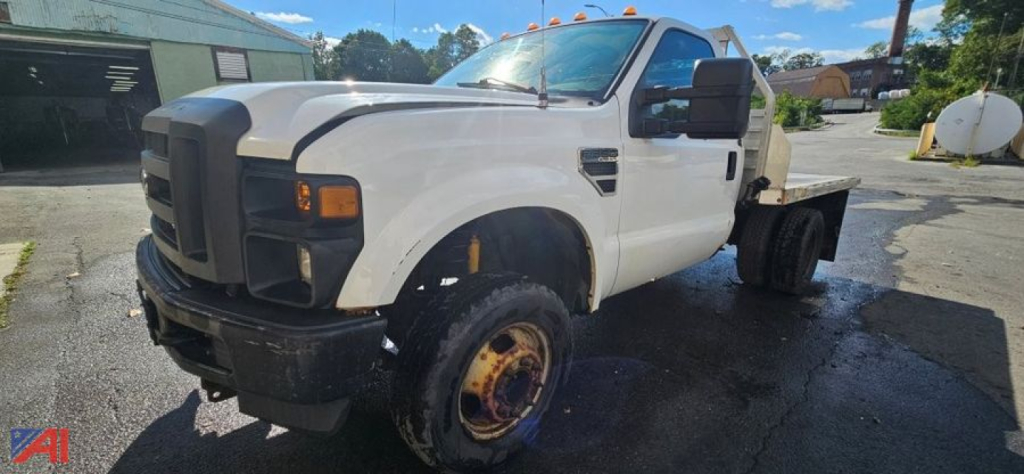
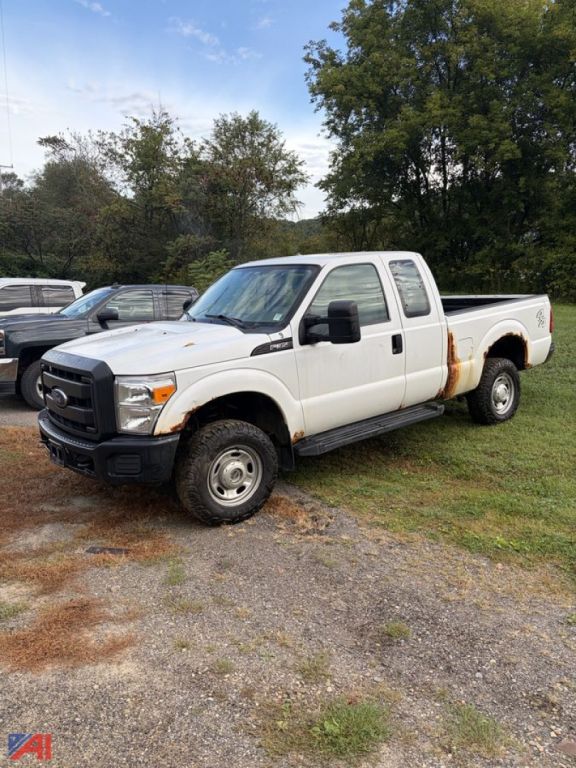
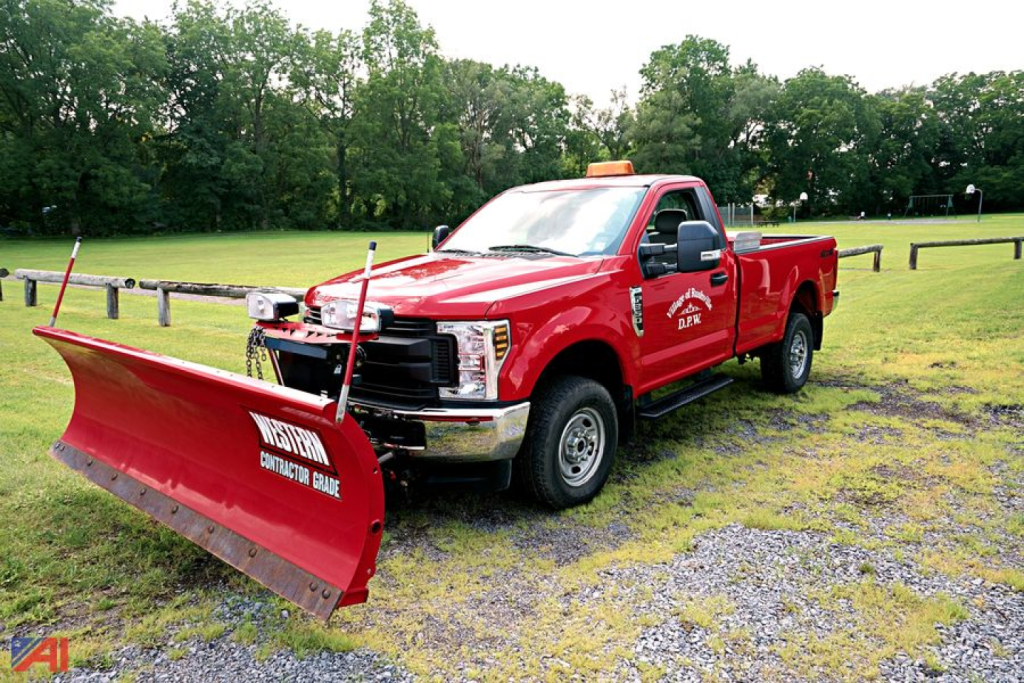
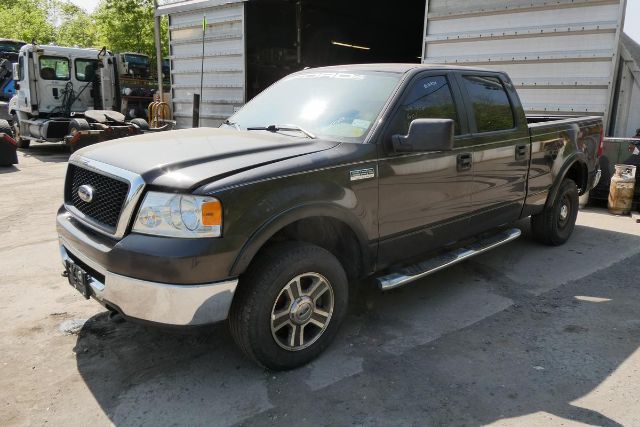
Selling a used ford pickup 4wd truck? List your used ford pickup 4wd truck for sale and reach thousands of commercial buyers.
Used Ford Pickup 4wd Trucks in New York
Powertrain and driveline choices drive capability and tare weight. F-150 4x4 trucks with the 2.7L or 3.5L EcoBoost, the 5.0L V8, and a 10 speed can deliver broad torque and efficient cruise, while Super Duty 4x4 models with the 6.2L or 7.3L gas V8 or the 6.7L Power Stroke diesel and a heavy duty automatic carry higher GVWR and GCWR. Axle ratios such as 3.31, 3.55, 3.73, or 4.30 affect launch, grade ability, and highway rpm. Four wheel drive adds weight that slightly trims payload and fuel economy, crew cabs and longer beds add more. When towing, verify integrated trailer brake controller, Tow or Haul mode, hitch class, and cooling package. For heavier payloads, look for HD payload packages, higher rear GAWR, and LT tires with the correct load range.
Corrosion resistance is a priority in New York due to salt brine. Aluminum body panels resist traditional rust, but frames, bed crossmembers, brake and fuel lines, spring hangers, and hitch hardware are still steel. Inspect for scaling around cab mounts and along inside frame rails, check drain holes in boxed sections, and look for fresh undercoating that might hide issues. Thermal integrity matters in winter and when towing, so confirm block heater availability on gas and diesel powertrains, battery CCA, strong alternator output, and proper operation of engine and transmission coolers. Cold weather groups add heated mirrors, remote start, and grille covers that help the engine retain heat in sub-freezing temps.
On a test drive, verify 4WD engagement, listen for IWE vacuum hub noise on F-150, and cycle the transfer case from 2H to 4H to 4L under the correct conditions. Check for front end wear that often follows plow duty, including ball joints, tie rods, and unit bearings, and confirm front GAWR if a plow mount is present. Examine the bed floor for ripples near the wheel tubs that suggest overloads, and confirm the receiver hitch is not bent or rust jacked. Review maintenance records for axle fluid services, transmission fluid changes, and diesel fuel filter intervals, then match axle ratio, bed length, cab configuration, and tire spec to the payload and towing work you actually do.
Frequently Asked Questions about Used Ford Pickup 4wd Trucks in New York
What payload and towing specs are typical for used Ford 4x4 pickups?
F-150 4x4 models commonly show payload from roughly 1,400 to over 2,000 pounds, with Max Tow or HD payload configurations exceeding that when equipped with heavier springs, upgraded tires, and specific axle ratios. Conventional tow ratings range from about 7,000 to over 13,000 pounds depending on engine, axle ratio, and cooling. Super Duty 4x4 trucks are built for heavier work, with payload often between 2,500 and 4,000 plus pounds and conventional tow ratings that can exceed 15,000 pounds, rising much higher with gooseneck or fifth wheel setups. Always confirm the door jamb certification label for GVWR, GAWR, and the trailer tow guide for the exact configuration.
How does the aluminum body on Ford pickups affect corrosion and repairs in New York?
Aluminum body panels resist the red rust common on steel doors, fenders, and beds, which helps in salted environments. The frame, crossmembers, fasteners, and many brackets remain steel, so frame scale, bed support rust, and brake line corrosion still require inspection. For repairs, aluminum panels need proper tooling and isolation from steel grinding dust to prevent galvanic corrosion, most capable body shops in New York are set up for this. Verify clean seam sealer, intact underbody coatings, and that drain paths in the bed and cab are open so saltwater does not sit against metal.
What should I check in the 4WD system on a used Ford before buying?
Cycle the transfer case through 2H, 4H, and 4L as the owner’s manual describes, confirm indicator lights match engagement, and listen for binding. On many F-150 models, inspect the IWE vacuum lines and hubs for leaks that cause grinding when shifting in and out of 4WD. Confirm operation of any electronic locking rear differential or limited slip, and check CV boots, front driveshaft u joints, and transfer case seals for leaks. A road test on a low friction surface helps verify smooth engagement without clunks or shudder.
Is a gas EcoBoost or a diesel better for towing in cold New York winters?
EcoBoost gas engines offer strong low rpm torque with quicker warm up and no risk of fuel gelling, which suits short trip and mixed duty in cold weather. The 6.7L Power Stroke diesel provides higher GCWR and better long grade control, but benefits from winterized diesel fuel, a functioning fuel heater, and using the block heater in very low temps. For frequent heavy towing, the diesel’s exhaust brake and thermal management help on long descents. For occasional towing and more city miles, an EcoBoost or the 7.3L gas V8 in Super Duty is simpler and warms faster.
How do cab and bed choices affect tare weight and payload on a Ford 4x4 pickup?
Crew cab bodies and longer beds add curb weight, which reduces available payload. Four wheel drive also adds weight from the transfer case, front axle, and driveshafts. An extended cab with a standard bed often hits a sweet spot for payload while keeping a workable wheelbase for maneuvering in city lots. Review the door jamb payload sticker on the exact truck, since options like sunroofs, running boards, winches, or a plow mount can subtract meaningful payload from the published brochure numbers.