
Used 2016 Ford Trucks For Sale
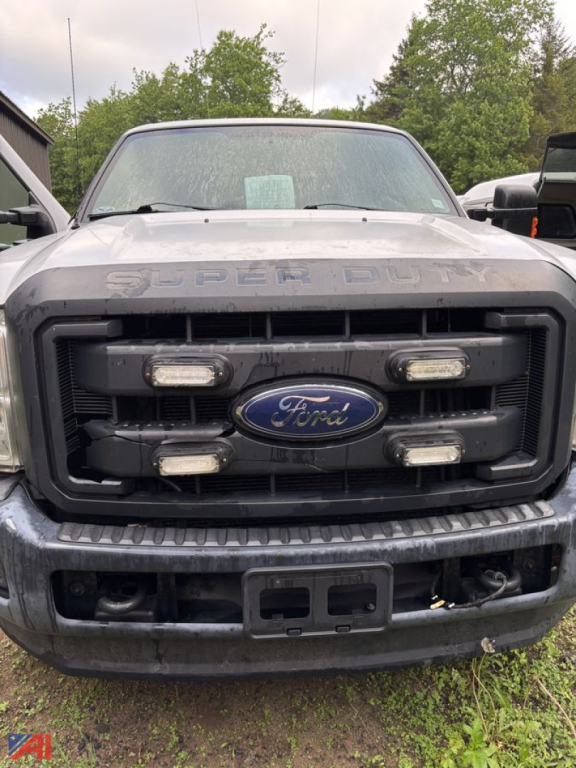
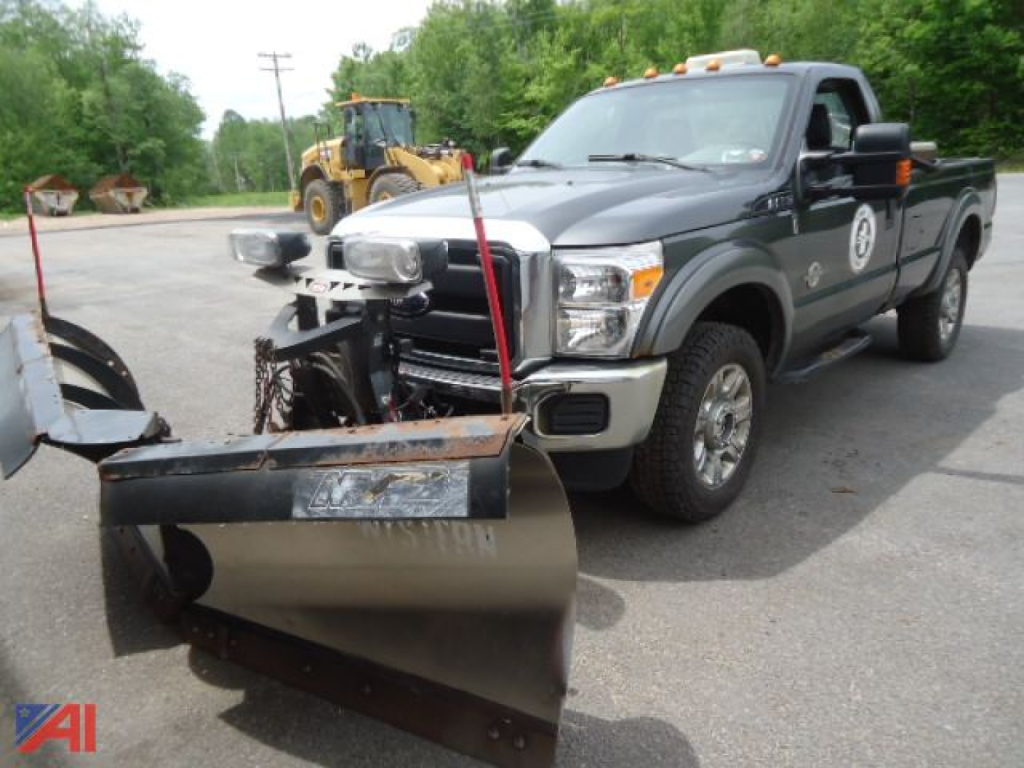
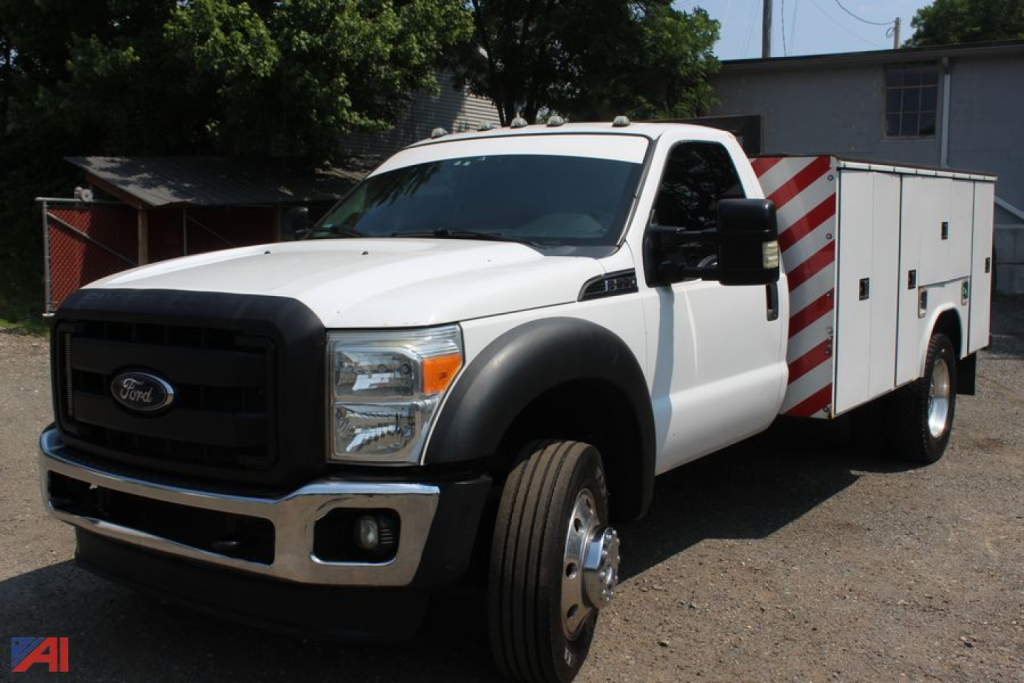
Shop used 2016 Ford trucks for sale, including F-Series, Transit, and chassis cab models for delivery, service, towing, dump, and utility work.
Learn more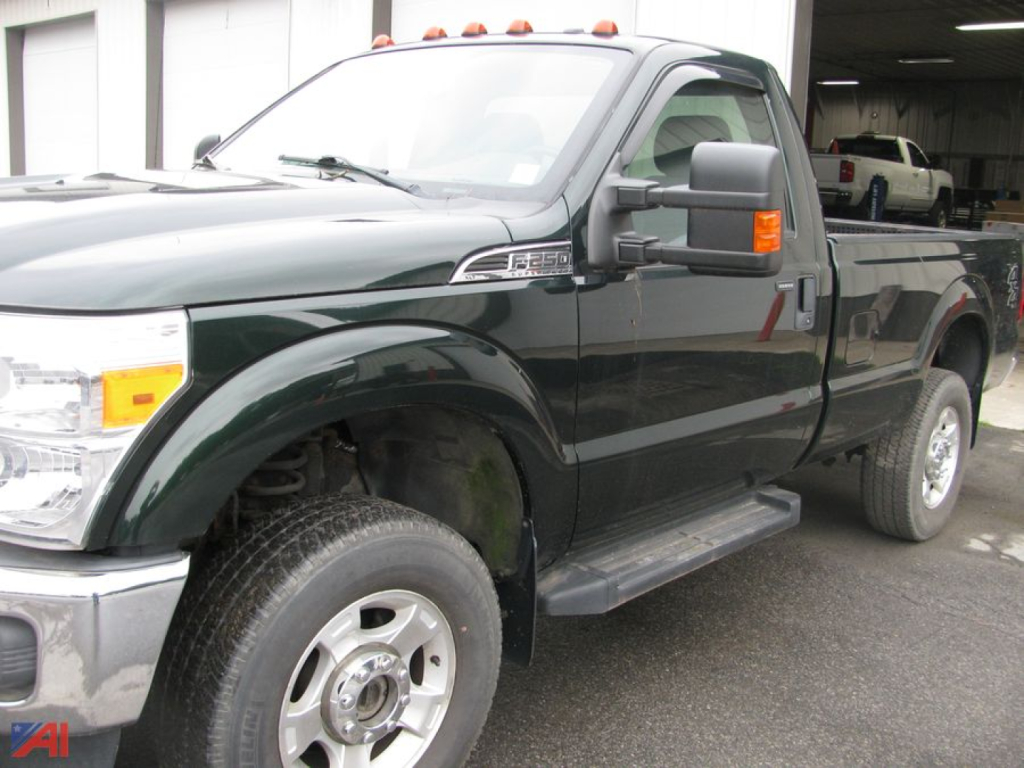
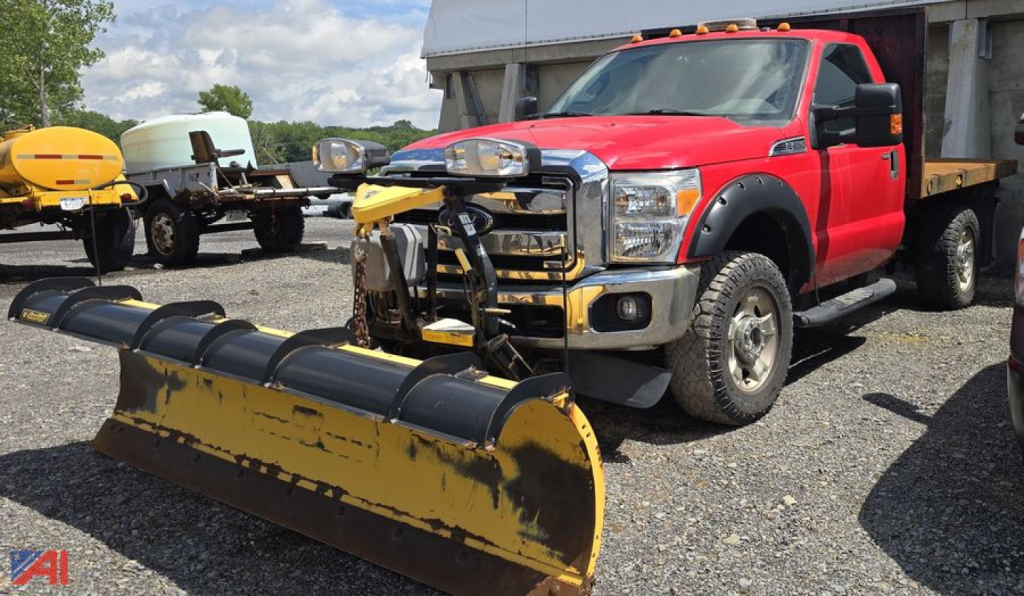
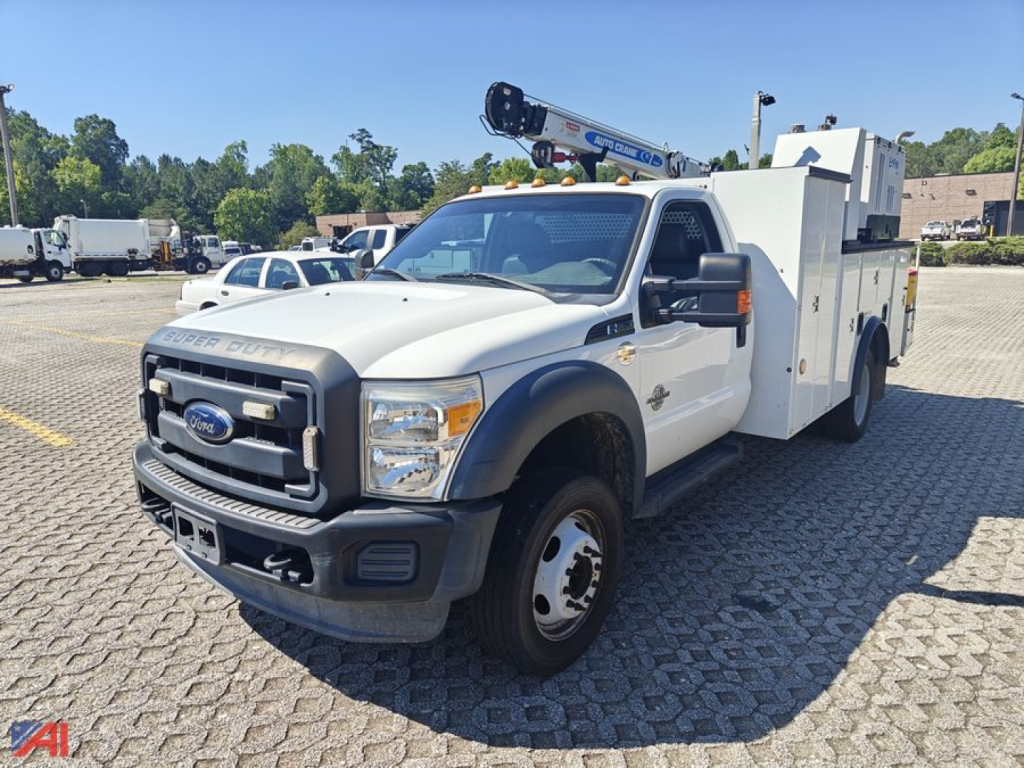
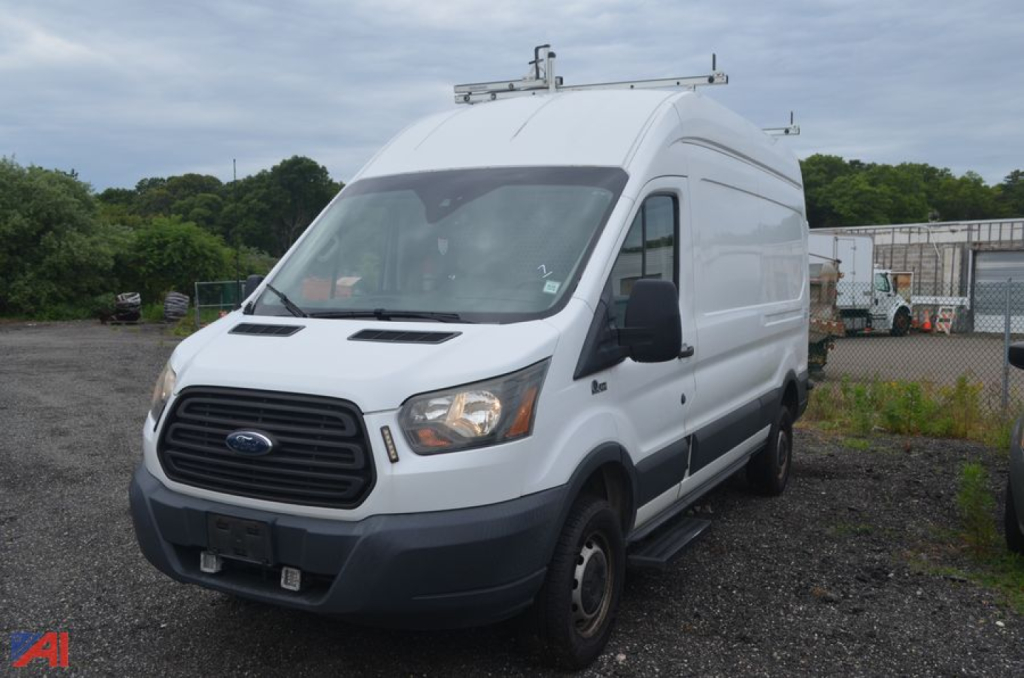
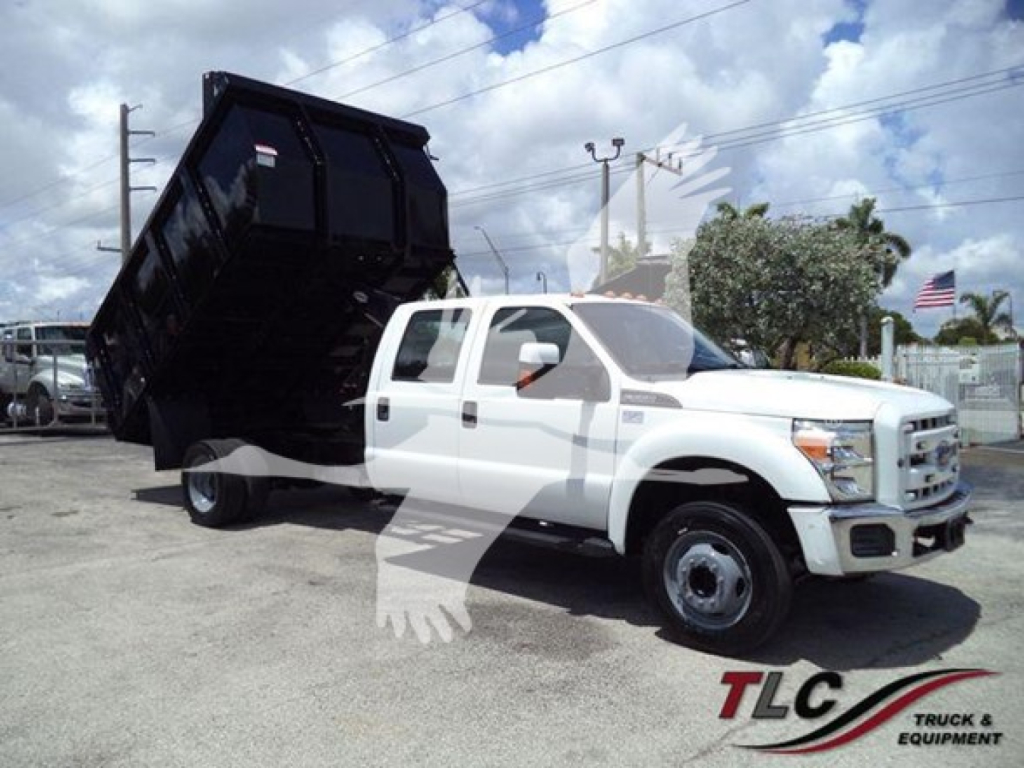
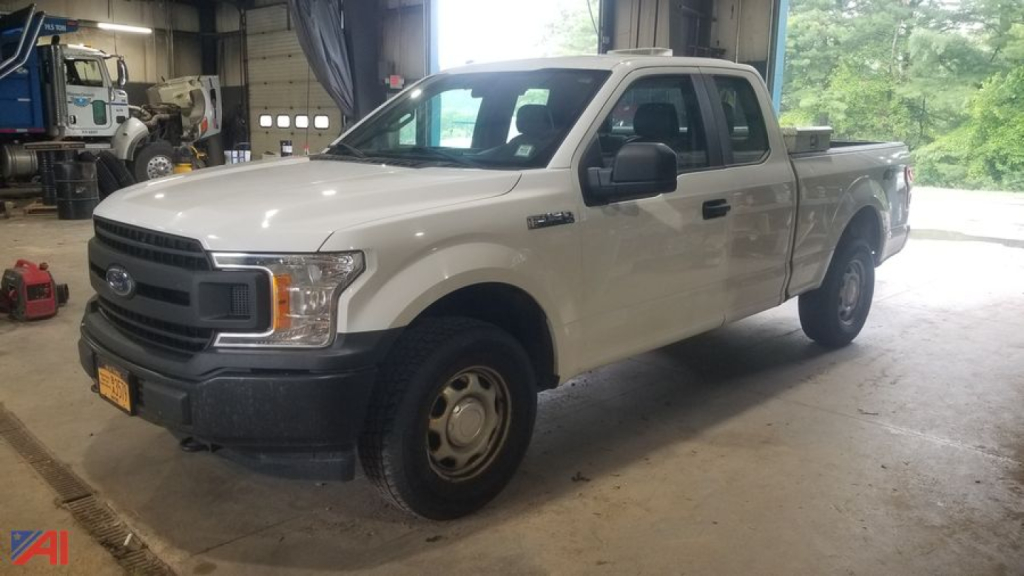
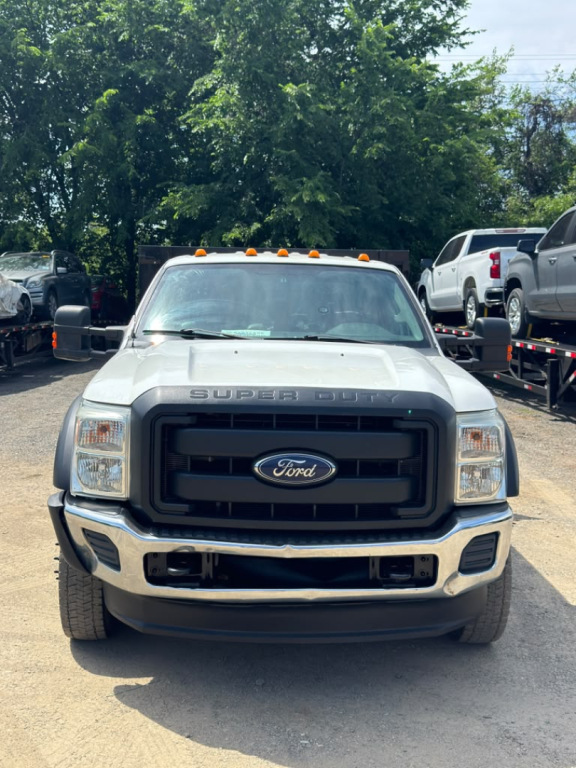
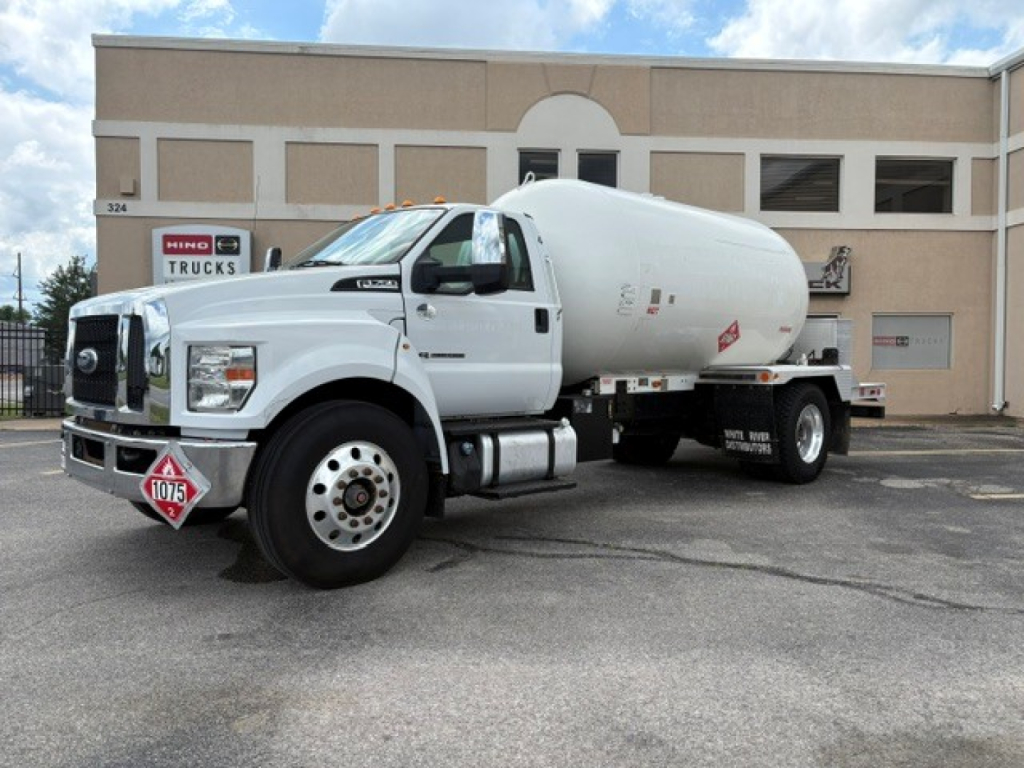

Showing 1 to 12 of 17 results
Have used 2016 ford truck to sell? List it here to reach thousands of buyers.
About Used 2016 Ford Trucks
The first buying decision is usually chassis size and upfit compatibility. A 2016 Ford F-350, F-450, or F-550 is commonly found as a service truck, rollback, mechanic body, dump truck, box truck, or utility body, while heavier Ford medium-duty models like the F-650 and F-750 are more likely to appear in stake, landscape, dump, rollback, or straight truck applications. Buyers should match GVWR, rear axle rating, wheelbase, cab-to-axle measurement, and PTO capability to the body already installed or to a planned repower or rebody. On used trucks, body condition matters as much as the cab and drivetrain. Inspect hoists, hydraulic systems, tool compartments, crossmembers, subframes, floor condition, rust at mounts, and any signs of frame modification.
Powertrain choice is another major factor on used 2016 Ford trucks. In Super Duty models, buyers will often compare the 6.7L Power Stroke diesel against available gas engines based on towing demand, idle time, service environment, and annual miles. Diesel trucks tend to suit higher-GVWR work, towing, and vocational applications where torque under load matters, while gas trucks can make sense for local fleets with lighter payloads and simpler maintenance priorities. Transmission performance under load, cooling system condition, emissions system history, and axle ratio should all be reviewed closely. On 4x4 units, front-end wear, transfer case operation, and tire match are worth checking, especially on trucks used in municipal, utility, or off-pavement service.
A used 2016 Ford truck is often judged by how well it fits the job on day one. Buyers should look at actual payload capacity, hitch or towing setup, bed or body dimensions, brake condition, spring pack or suspension spec, and the state of electrical accessories tied to the upfit. Service bodies may need scrutiny around compressor systems, inverters, and locking compartments. Box trucks should be checked for roll-up door alignment, roof leaks, floor wear, and liftgate operation. Dump and towing applications need close attention to hydraulic leaks, PTO engagement, and evidence of hard-use stress. Ford remains a strong presence in the commercial market because these trucks are widely understood by operators, body companies, and repair shops, which helps keep a used vocational truck practical long after its first service life.
Frequently Asked Questions
What are the most common 2016 Ford truck models used in commercial applications?
The most common 2016 Ford commercial truck models are usually found in the Super Duty lineup, especially the F-350, F-450, and F-550, along with medium-duty F-650 and F-750 trucks for heavier work. Depending on the application, buyers may also see Transit-based cutaways and box configurations. These chassis are frequently upfitted as dump trucks, service trucks, box trucks, tow trucks, utility bodies, flatbeds, and municipal units.
Is a 2016 Ford diesel truck a better choice than a gas truck?
It depends on duty cycle and operating cost priorities. A 2016 Ford diesel truck, especially with the 6.7L Power Stroke, is usually preferred for heavier towing, higher GVWR applications, and sustained work under load because it delivers stronger low-end torque. A gas truck can be a solid choice for lighter local routes, lower annual mileage, and fleets that want a simpler maintenance profile. The right decision comes down to payload, towing demand, idle hours, and the truck's maintenance history.
What should I inspect first on a used 2016 Ford vocational truck?
Start with the frame, body installation, and application-specific equipment before focusing only on mileage. On a used dump truck, inspect the hoist, PTO, and bed structure. On a service truck, inspect compartments, wiring, compressor setups, and rust at body mounts. On box trucks, check the floor, roof, roll-up door, and liftgate. After that, review engine condition, transmission shift quality, axle ratings, brake wear, suspension, tire condition, and any records related to emissions or hydraulic repairs.
Are 2016 Ford trucks easy to service and maintain?
Yes, one reason buyers stay with Ford commercial trucks is the broad service network and strong parts availability. The 2016 model year is modern enough to provide good capability and support, but old enough that many independent shops are already familiar with the platform. Maintenance costs still depend heavily on the engine, truck class, and vocational equipment installed, but overall serviceability is a key advantage in this segment.
How do I choose the right 2016 Ford truck for my business?
Choose based on chassis rating, body type, and real operating demands rather than cab trim or engine alone. Confirm the truck's GVWR, wheelbase, cab-to-axle, axle ratio, suspension, and brake setup match the intended payload and route conditions. Then verify the installed body or equipment is suitable for the work, such as towing, delivery, utility service, dumping, or municipal use. A truck that is correctly spec'd for the application will usually perform better and cost less to operate than a heavier or lighter unit that is poorly matched to the job.