
Used 2016 Ford Pickup 4wd Trucks For Sale
Shop used 2016 Ford 4x4 pickup trucks, including F-250 and F-350 Super Duty models built for towing, plowing, service work, and jobsite duty.
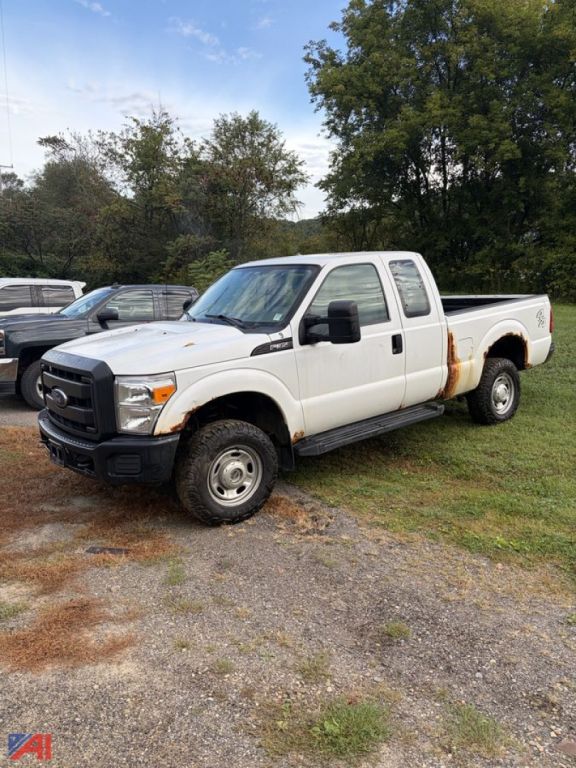
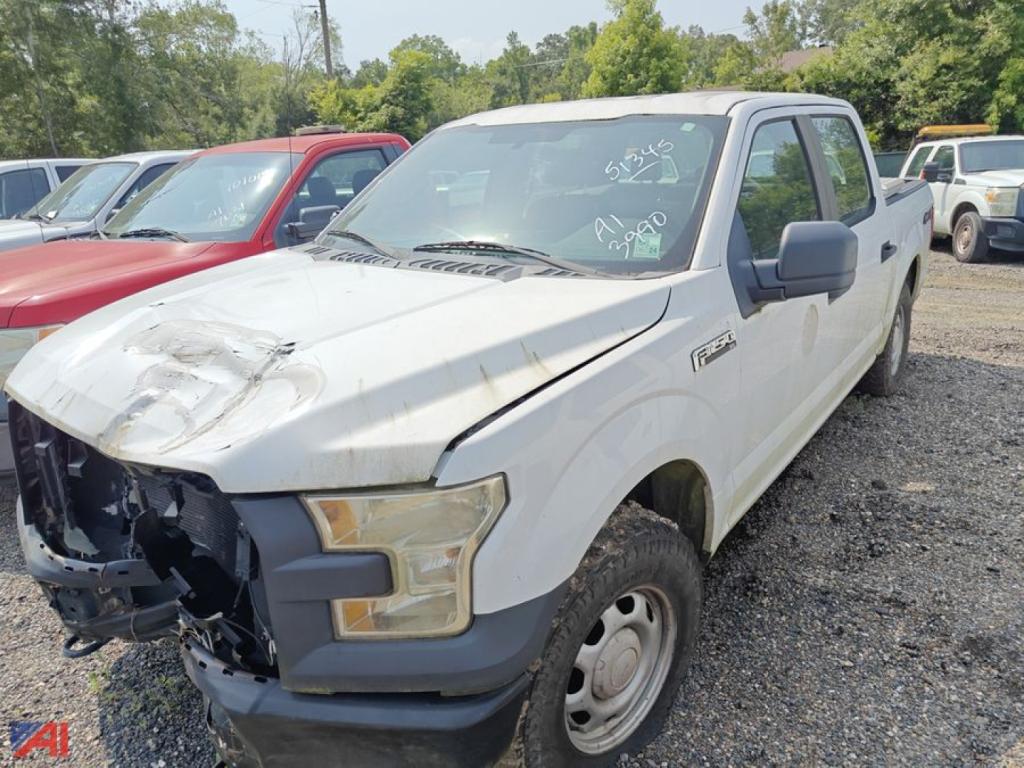
Looking for the easiest place to sell your used 2016 ford pickup 4wd truck? List it here to reach thousands of buyers.
Used 2016 Ford Pickup 4wd Trucks
The main spec decision is usually F-250 versus F-350, then SRW versus DRW. An F-250 4x4 is often enough for lighter service body use, moderate trailer weights, and general field work. An F-350 4x4 adds payload and rear axle capacity, and a dually setup is the better choice when bed weight, tongue weight, or gooseneck and fifth-wheel stability are higher priorities. Common powertrains for 2016 Ford Super Duty pickups include the 6.2L gas V8 and the 6.7L Power Stroke diesel. The gas engine typically appeals to buyers with lower annual miles, shorter routes, or simpler maintenance preferences. The diesel makes more sense when frequent towing, heavier trailers, and torque under load are part of the daily job.
Cab and bed configuration should match the work, not just the price point. Regular cab trucks are common in municipal and utility service because they keep wheelbase manageable and leave more room for equipment bodies, spreaders, or plow setups. SuperCab and Crew Cab trucks add passenger space and are often preferred for foremen, multi-person crews, and longer highway runs. An 8-foot bed is common on work-oriented trucks and gives better flexibility for toolboxes, fuel transfer tanks, compressors, and palletized material. Many used 2016 Ford 4x4 pickups in the market also carry vocational add-ons such as snowplows, ladder racks, toppers, hitches, brake controllers, auxiliary lighting, and salt spreader prep, so buyers should pay close attention to front axle ratings, suspension condition, transfer case operation, and signs of frame or plow mount corrosion.
Condition matters more than trim level in this category. A used 2016 Ford Pickup 4wd truck should be evaluated for rust around cab corners, rocker panels, bed supports, spring hangers, and underbody crossmembers, especially in snow-belt regions. On diesel units, service history for fuel system maintenance, emissions components, and cooling system work can be more important than cosmetic appearance. On gas trucks, look closely at idle quality, transmission behavior under load, and evidence of hard fleet use. Tire wear, front-end play, locking hub operation where applicable, trailer wiring function, and PTO or upfit electrical quality can tell you a lot about how the truck was worked. For buyers comparing multiple listings, the best value usually comes from matching axle capacity, cab layout, engine choice, and existing equipment to the actual job cycle rather than chasing the highest trim package.
Frequently Asked Questions about Used 2016 Ford Pickup 4wd Trucks
What is the difference between a 2016 Ford F-250 4x4 and F-350 4x4 for work use?
The biggest difference is capacity. A 2016 Ford F-350 4x4 generally offers higher payload and stronger support for heavier trailers, bed-mounted equipment, and plow or salt-duty applications. An F-250 4x4 is often sufficient for general contractor work, lighter towing, and service use, but buyers planning to carry more constant weight or pull larger gooseneck or fifth-wheel trailers usually benefit from the added rear axle and suspension capability of an F-350.
Is the 6.2L gas engine or 6.7L Power Stroke diesel better in a used 2016 Ford 4wd pickup?
It depends on duty cycle. The 6.2L gas V8 is a solid choice for buyers who run shorter routes, lower annual miles, or want simpler maintenance with lower repair complexity. The 6.7L diesel is the stronger option for frequent towing, higher gross combined weights, and work that demands torque at low rpm. A diesel can deliver better performance under heavy load, but service history is critical because fuel system, turbo, cooling, and emissions repairs can be expensive if maintenance was deferred.
Are used 2016 Ford 4x4 pickups good for snowplow service?
Yes, many 2016 Ford F-250 and F-350 4x4 trucks are well suited for plow work, especially when properly equipped with the right front axle rating, plow prep components, and suspension support. Buyers should confirm the truck has not been overloaded on the front end and should inspect frame horns, plow mounts, steering components, front suspension, and transmission condition. Rust inspection is especially important on former snow-duty trucks because exposure to salt can affect brake lines, underbody hardware, and electrical connections.
What should I inspect first on a used 2016 Ford Pickup 4wd truck?
Start with the frame, body rust, drivetrain, and evidence of commercial use. Check transfer case engagement, front axle operation, transmission shift quality, tire wear patterns, steering play, and brake performance. Then review service records, trailer hitch wear, bed condition, and any added equipment such as plows, toppers, toolboxes, or wiring for aftermarket accessories. On work trucks, mechanical condition and maintenance documentation usually matter more than appearance or trim.
Is a dually 2016 Ford F-350 4x4 worth it over a single rear wheel truck?
A dually is worth it when stability and weight carrying are priorities. Buyers hauling heavier in-bed loads, towing large gooseneck trailers, or using the truck in more demanding commercial applications often prefer the extra rear tire footprint and higher capacity of a dual rear wheel setup. A single rear wheel truck is easier to maneuver in tight spaces and may be more practical for mixed-use driving, but it does not offer the same margin for heavier payload and trailer pin weight.