
Used 2016 Ford Dump Trucks For Sale
Shop used 2016 Ford dump trucks including F-550 class models. Compare GVWR, dump body specs, gas or diesel power, and jobsite features.
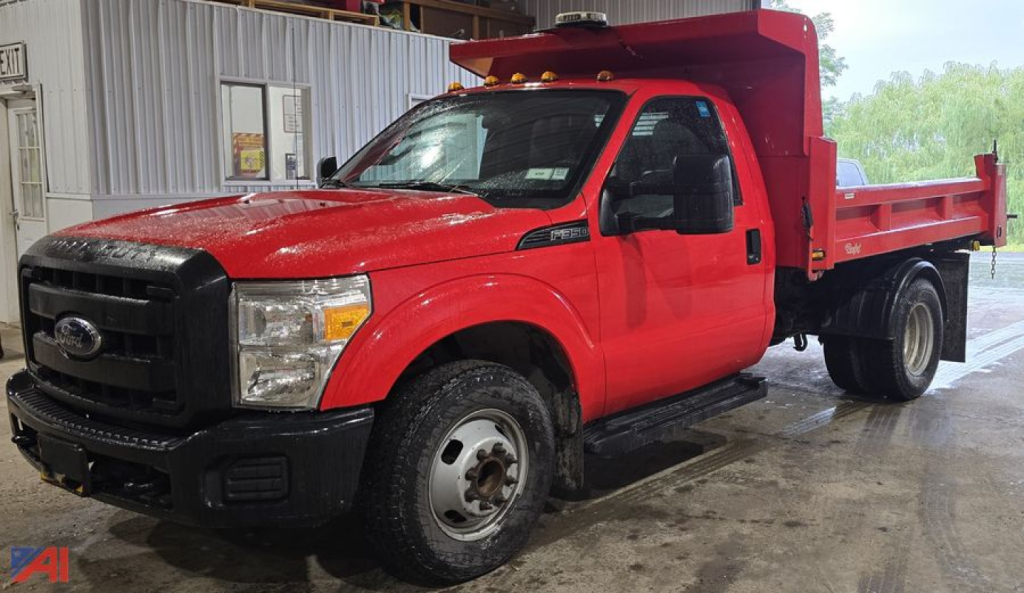
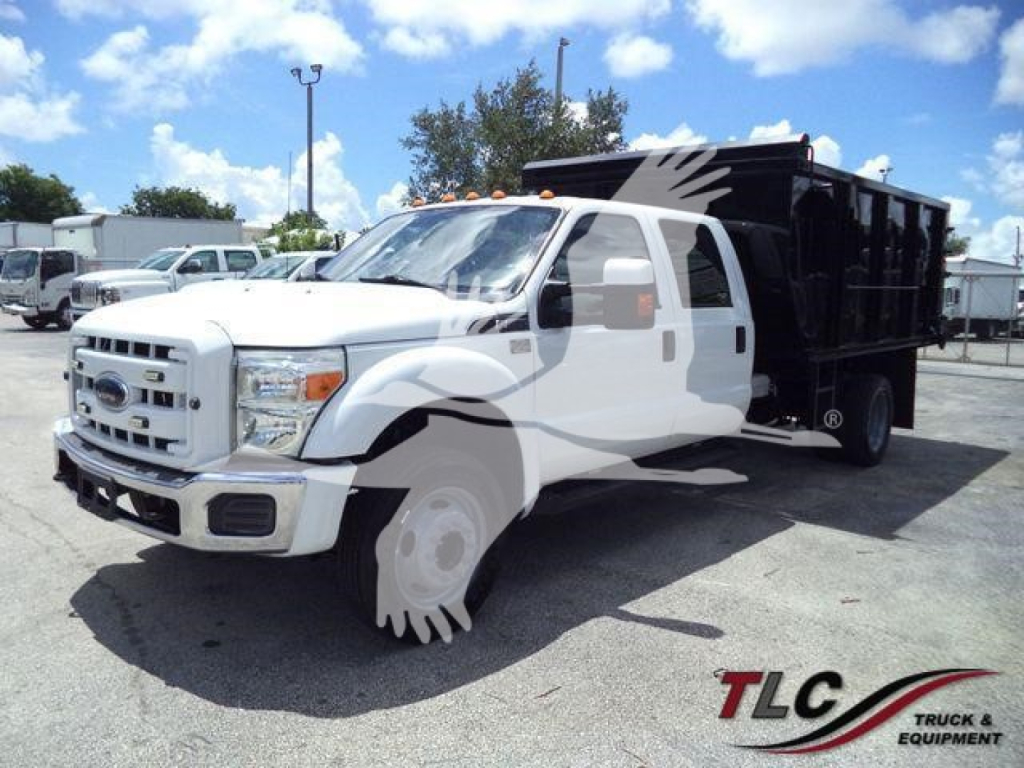
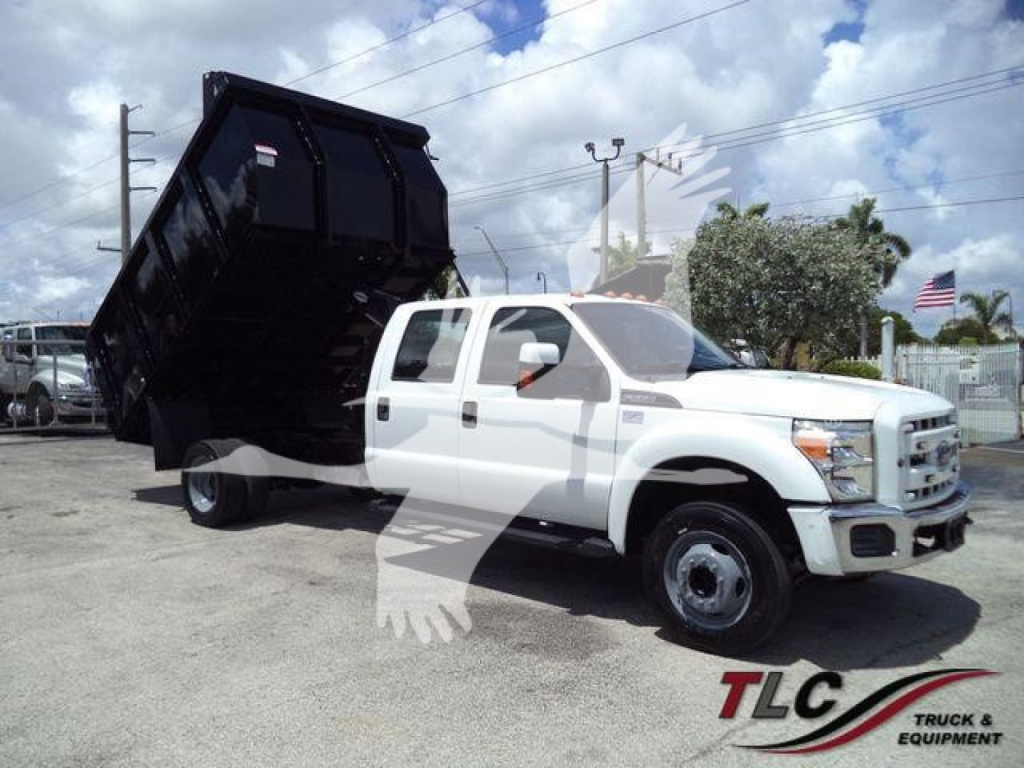
Have used 2016 ford dump truck to sell? List it here to reach thousands of buyers.
Used 2016 Ford Dump Trucks
On 2016 Ford dump trucks, powertrain choice usually comes down to gas versus diesel, transmission durability, and service history. Ford Super Duty models in this era were commonly paired with automatic transmissions and offered either gasoline V8 power or the 6.7L Power Stroke diesel, depending on GVWR and application. Gas trucks can make sense for seasonal landscape fleets, lower annual mileage, or operations that want simpler emissions-related maintenance. Diesel trucks are often preferred for heavier hauling, more frequent towing, and better low-end torque under load. Buyers should verify rear axle ratio, 4x2 or 4x4 configuration, PTO or hoist setup, and whether the hydraulic system is electric-over-hydraulic or engine-driven.
Body configuration drives day-to-day usefulness. A contractor-spec dump body may have fold-down sides, underbody hoist, cab shield, and a combo gate for spreading or full dump discharge. Landscape bodies often use higher sides, lighter material handling layouts, tarp systems, and barn doors or single-swing rear doors. If the truck will pull equipment, check for receiver hitches, pintle setups, trailer brake controller wiring, and combined weight ratings. It is also worth looking closely at floor thickness, side wall condition, crossmember corrosion, hinge wear, and scissor or telescopic hoist operation. On used 2016 units, rust around the dump body, subframe, and rear suspension hangers can matter just as much as engine condition.
A buyer comparing used 2016 Ford dump trucks should pay close attention to actual payload needs, not just advertised body length. Door style, side height, loading equipment, and material type all affect how the truck performs on the job. A 12 foot steel body with tall sides may suit mulch, brush, or debris, while stone, asphalt, and wet spoil demand tighter attention to legal payload and hoist capacity. Maintenance records, brake condition, tire date codes, spring pack wear, and evidence of hard municipal or plow use are all worth checking. Ford dump trucks from this period remain popular because parts availability is strong, cab ergonomics are familiar, and the chassis can be configured for a wide range of vocational work.
Frequently Asked Questions about Used 2016 Ford Dump Trucks
What is the most common 2016 Ford dump truck configuration?
The most common 2016 Ford dump truck configuration is usually a Super Duty chassis, especially an F-550, fitted with a steel dump body and automatic transmission. Body lengths often fall in the 9 to 12 foot range, with variations for contractor, municipal, or landscape use. Regular cab, crew cab, 4x2, and 4x4 layouts all appear in the market, so the right configuration depends on payload, crew size, and jobsite access requirements.
Is a gas or diesel engine better in a used 2016 Ford dump truck?
A gas engine can be a practical choice for lighter-duty hauling, seasonal use, shorter routes, and fleets that want lower upfront cost and less diesel emissions-system complexity. A diesel engine is generally better for heavier payloads, more towing, steeper terrain, and higher annual mileage because it delivers stronger torque under load. The better option depends on how often the truck runs at maximum weight, how far it travels, and how disciplined the maintenance program has been.
What should I inspect on a used 2016 Ford dump truck before buying?
Inspect the dump body and hoist as closely as the chassis. Check the floor, side panels, crossmembers, hinge points, hydraulic lines, pump operation, and rear gate hardware for wear or corrosion. On the chassis, review brake condition, tire wear, spring packs, frame rust, PTO or electric-over-hydraulic function, and any signs of overload damage. Service records, engine hours if available, and evidence of plow or municipal use can also tell you a lot about how the truck was worked.
How do I choose the right dump body style on a 2016 Ford truck?
Choose the body style based on material type and loading method. A contractor dump body with lower sides and a combo gate is better for aggregate, demolition debris, and general construction work. A landscape or trash body with taller sides is better for mulch, brush, and lighter-volume loads that need more cubic capacity than raw weight capacity. Rear door style, tarp system, hitch equipment, and body construction all affect how useful the truck will be in daily operation.
Are 2016 Ford dump trucks good for towing equipment trailers?
Many 2016 Ford dump trucks are well suited for towing, especially F-450 and F-550 chassis equipped with the right hitch and axle setup. Towing performance depends on engine choice, rear axle ratio, brake controller equipment, trailer wiring, and GCWR, not just GVWR. If trailer work is part of the job, confirm the truck has the proper hitch rating, brake provisions, and suspension capacity for combined truck-and-trailer use.