
Ford Trucks For Sale in New York
Ford commercial trucks in New York from F-350 to F-750, with insights on GVWR, floor strength, tare weight, powertrains, and corrosion resistance.
Learn more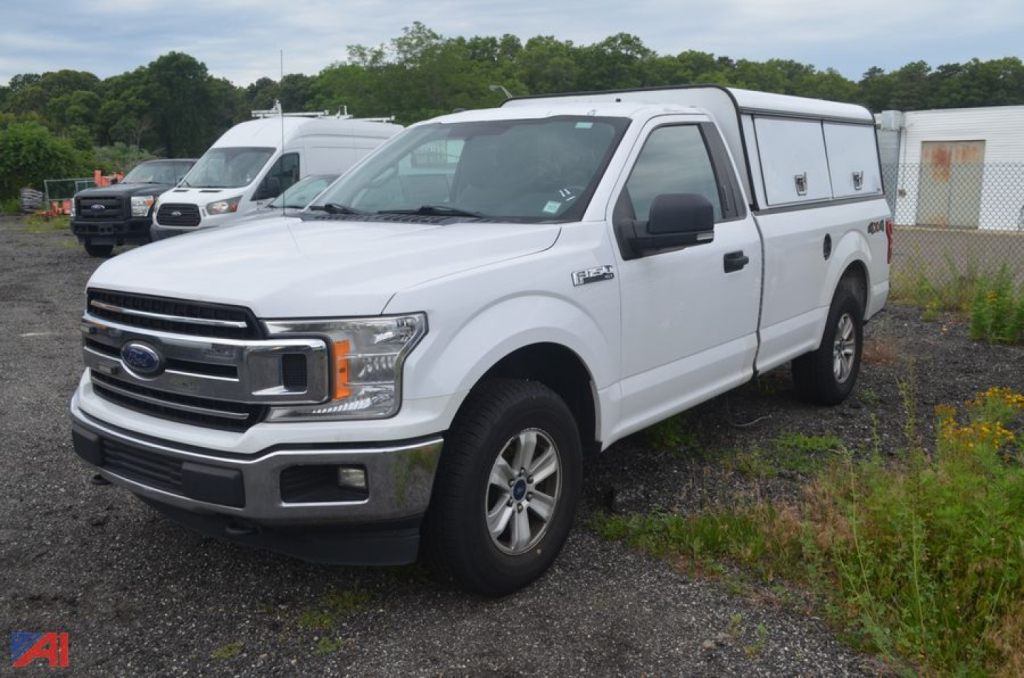
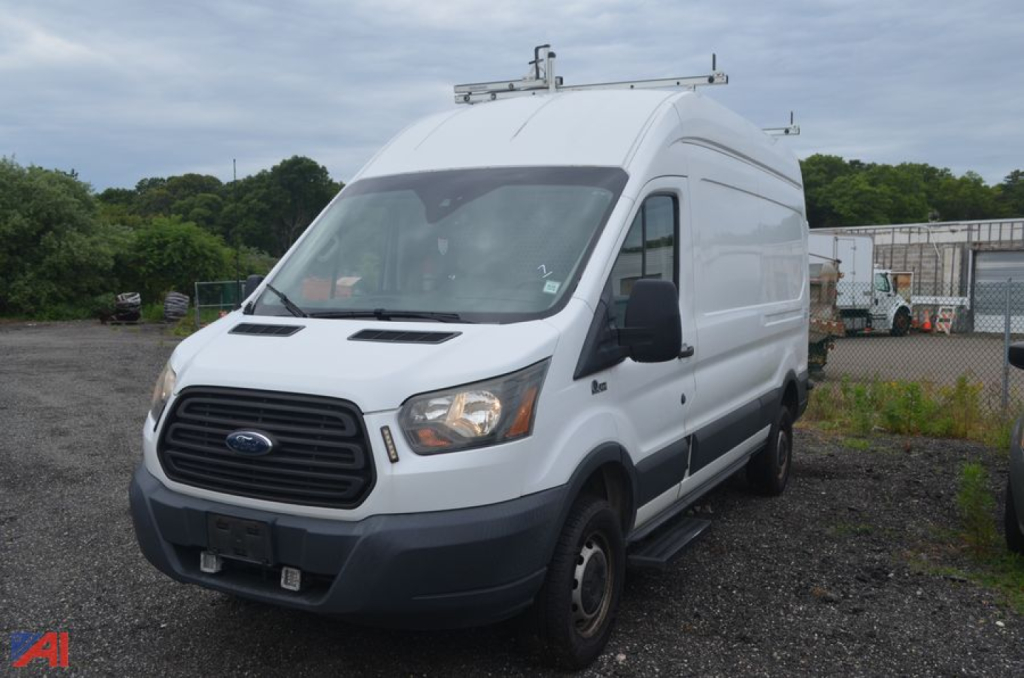
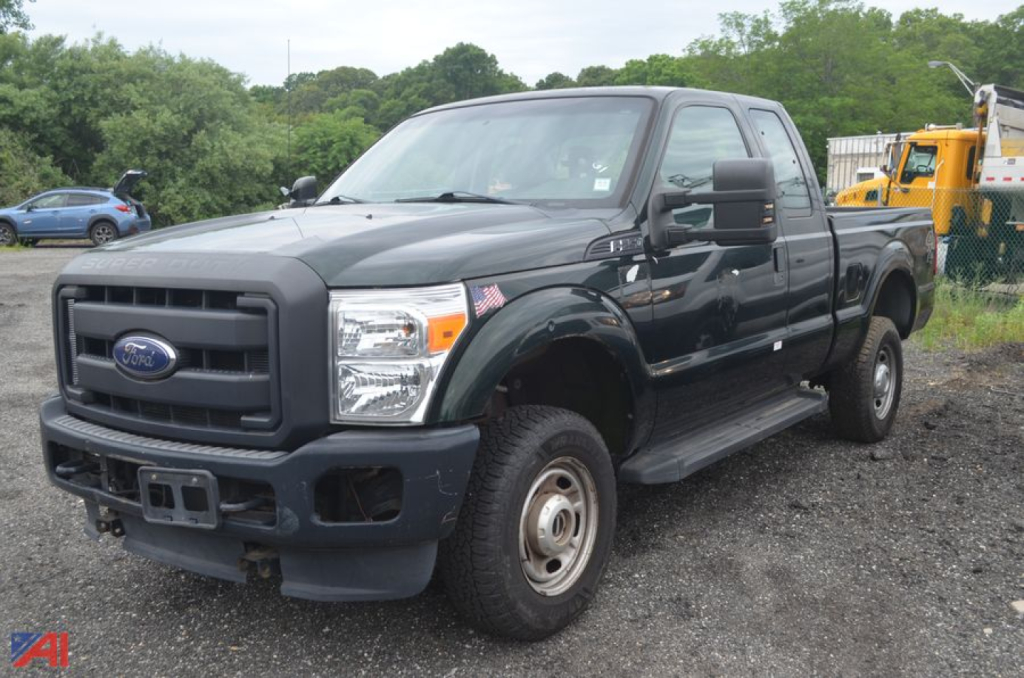
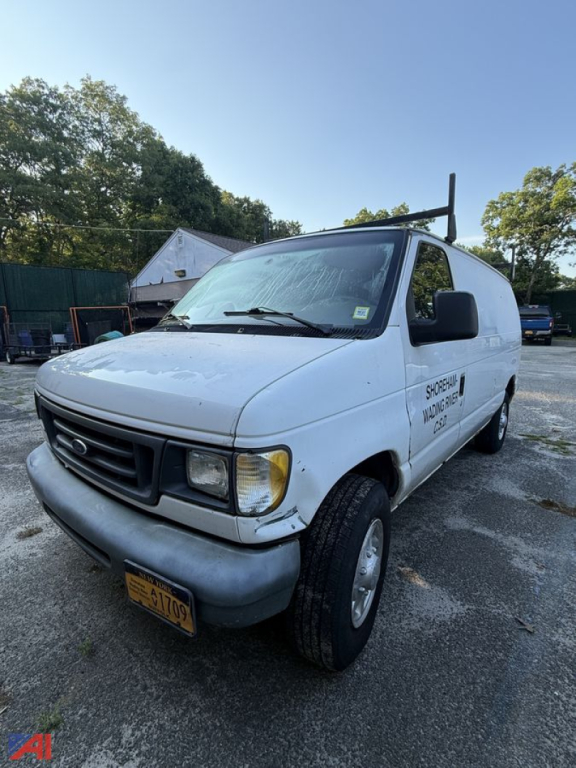
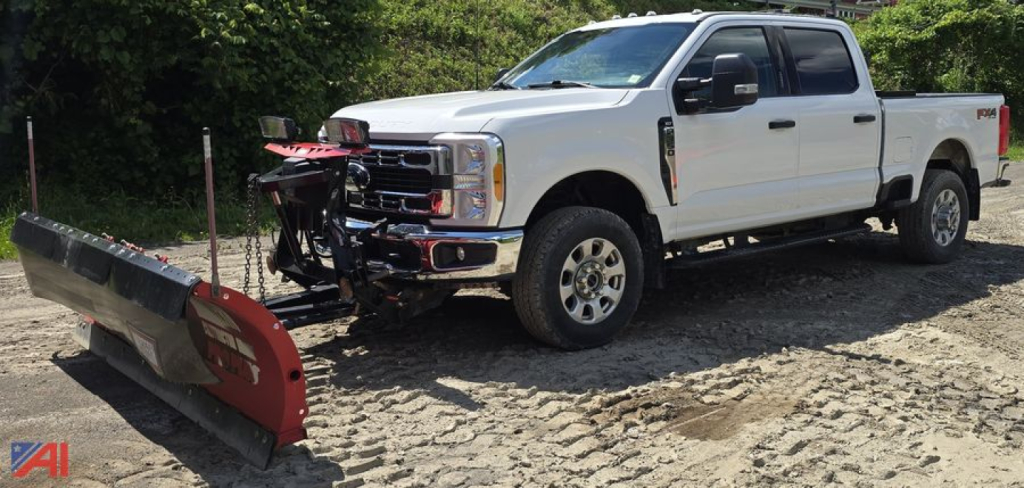
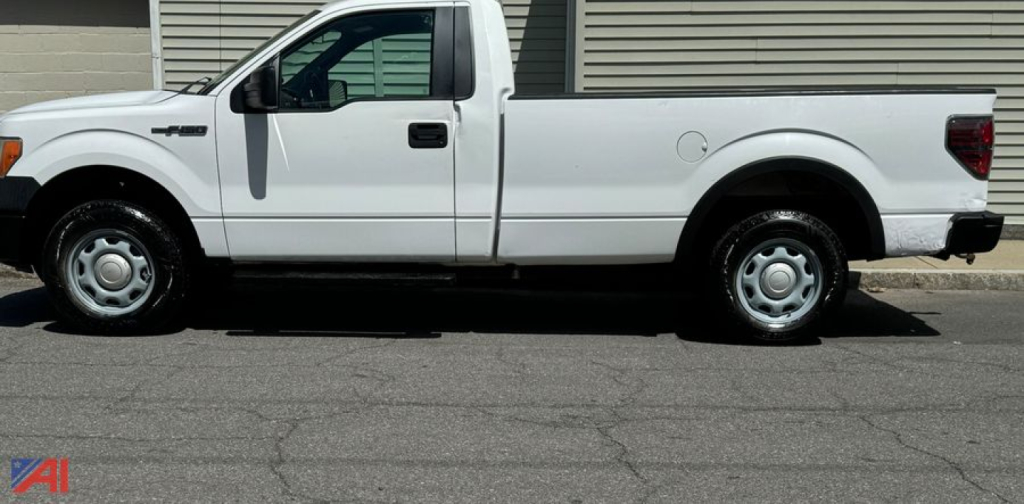
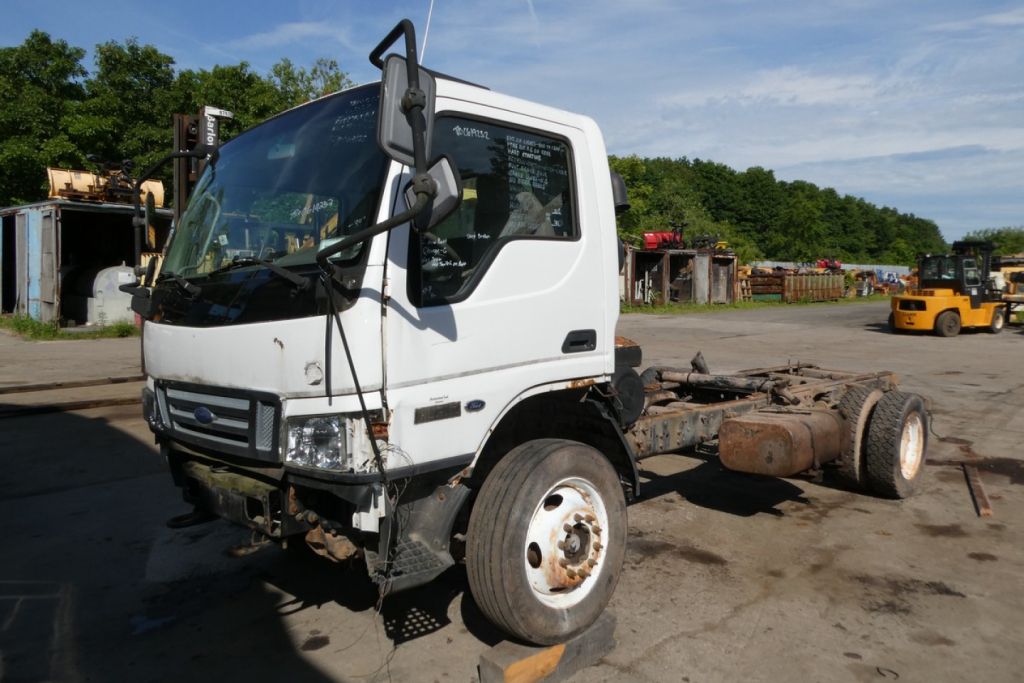
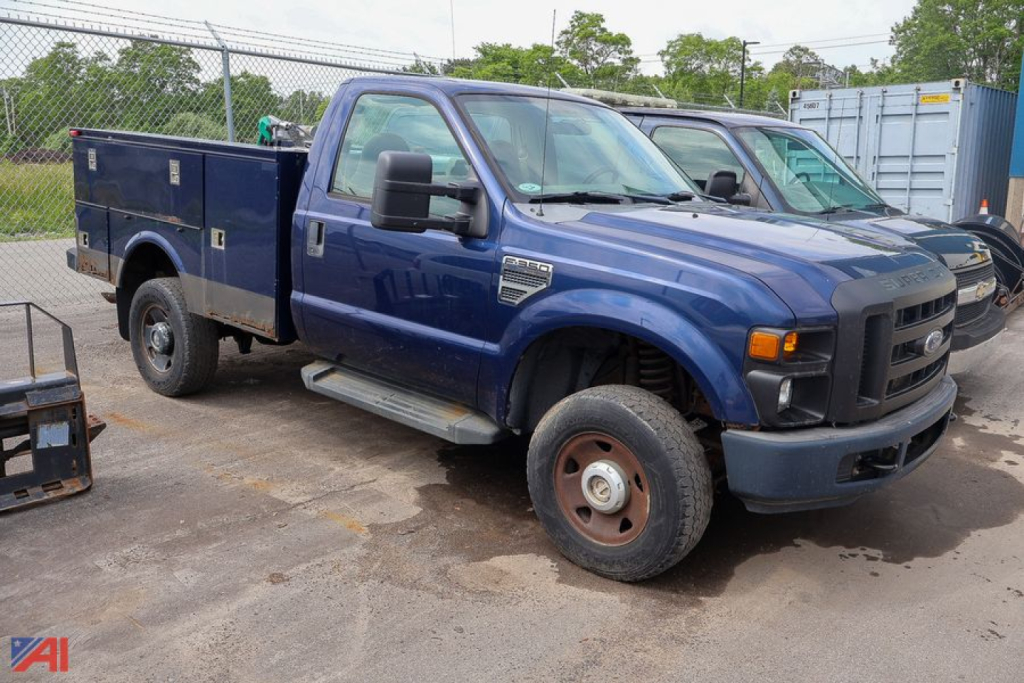
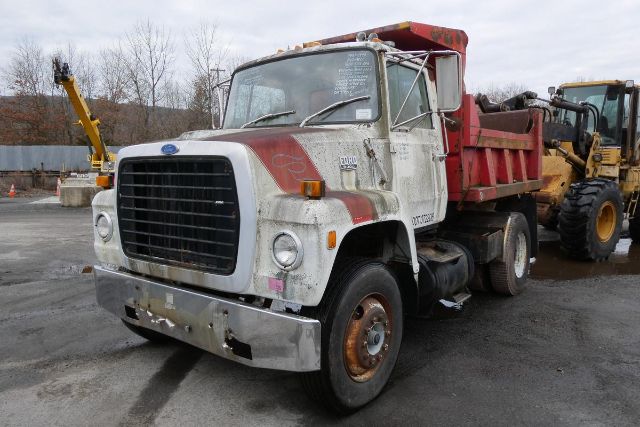
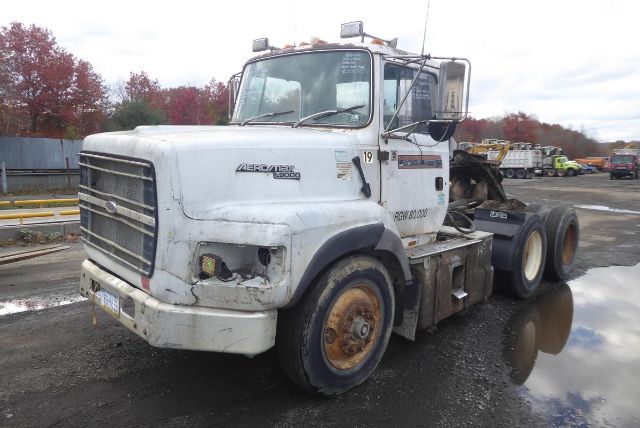
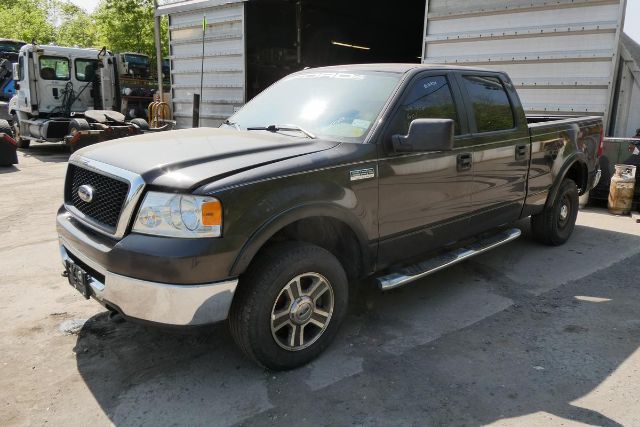
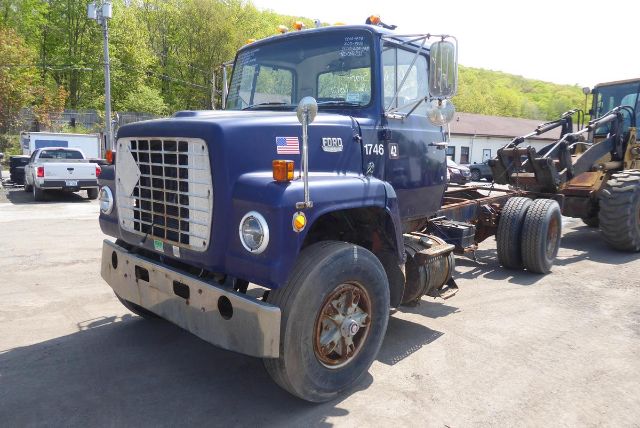
Showing 25 to 36 of 44 results
Have ford truck to sell? List it here to reach thousands of buyers.
About Ford Trucks in New York
Body quality drives uptime and resale. For dry van and reefer bodies mounted on Ford chassis, confirm floor strength first, look for hardwood or laminated floors with 12 inch crossmember spacing for pallet jacks and forklifts, aluminum or UHMW scuff liners to 24 inches, and robust rear threshold plates for liftgate work. Reefer thermal integrity depends on foam density and panel thickness, tight door seals, minimal thermal bridging at posts, and clean drain channels, cold air should not leak at the bulkhead or rear frame. Tare weight varies widely with body material and liftgate type, aluminum and composite bodies trim weight, steel bodies add durability but can cost payload, verify actual curb weight and payload on the door label after the body and liftgate are installed.
Powertrain choices influence drivability and operating cost. Common setups include the 7.3L gasoline V8 on F-450 through F-750 for lower initial cost and simpler emissions systems, and the 6.7L Power Stroke diesel for higher torque and better fuel economy under sustained load, many older F-650 and F-750 units may use the Cummins ISB 6.7. Transmissions range from Ford TorqShift HD to Allison 2000 or 3000 Series, pay attention to PTO provisions, cooler capacity, and the rear axle ratio, shorter gearing, for example 4.88 to 6.17, favors city work and frequent starts, taller gearing suits highway miles. Decide early on air versus hydraulic brakes and spring versus air ride, air brakes pair well with towing and offer better serviceability, hydraulic brakes keep complexity down for lighter duty.
New York winters make corrosion resistance a top spec. Look for e coated frames, aluminum or galvanized body components, stainless hardware, sealed harnesses, and quality undercoating, check frame flanges, crossmembers near spring hangers, cab mounts, battery boxes, aftertreatment clamps, and box sills for scaling or pitting. Cold weather options like block heaters, higher output alternators, dual batteries, heated mirrors, and fuel water separators reduce downtime. For diesel units doing short trips, verify DPF history and that passive or parked regenerations complete cleanly, for reefer trucks confirm insulation is dry and doors seal tight to keep the unit from overworking in subfreezing conditions. Balancing floor strength, thermal integrity, tare weight, and corrosion resistance yields a Ford truck that stays legal on weight, performs in traffic, and holds value in the New York market.
Frequently Asked Questions
Which Ford GVWR class fits NYC delivery routes versus regional hauls in New York state?
For dense city routes with frequent stops and tight turns, many buyers choose Class 4 or 5, F-450 or F-550, in the 16,000 to 19,500 GVWR range to balance payload with maneuverability and curb weight. If you need maximum non CDL payload, a 25,999 GVWR F-650 is a common target. Heavy dump, tow, or reefer work that regularly pushes gross weight favors a 33,000 GVWR F-750. Always calculate payload from the as built curb weight with the body and liftgate installed, then match axle ratings and wheelbase to your typical load distribution to stay within New York bridge and axle limits.
Gas or diesel for a Ford medium duty truck in New York, which is more cost effective?
The 7.3L gasoline V8 reduces purchase price and eliminates DPF and SCR components, it warms up quickly in winter and can be ideal for short trip, stop and go service. The 6.7L Power Stroke diesel or older Cummins ISB 6.7 delivers more torque and better fuel economy under sustained load, it suits regional routes, towing, and hilly terrain upstate. Factor in fuel prices, idle time, PTO usage, and payload needs, gasoline often has a lower tare weight on similar specs, diesel offers higher GCWR and longevity when operated at heavier averages. Maintenance discipline is critical for diesels in cold climates to avoid aftertreatment issues.
What should I check on a Ford based box or reefer truck to ensure floor strength and thermal performance?
Inspect the cargo floor for hardwood or laminated planks with tight fasteners, look for 12 inch crossmember spacing for palletized freight, and confirm a reinforced rear threshold suited to your liftgate type. Sidewalls should have aluminum or UHMW scuff liners to at least 24 inches to resist pallet damage. On reefers, examine panel thickness and foam condition, door seals and frame alignment, drip rails and seams for moisture intrusion, and that the bulkhead is intact with no air bypass. A body with better insulation and tight doors runs the reefer less, maintains temperature more consistently, and preserves payload by avoiding unnecessary weight from waterlogged panels.
Air brakes or hydraulic brakes on F-650 or F-750 for New York operations, what are the trade offs?
Air brakes offer better heat management, easier component level service, and compatibility with towing air braked trailers, they are preferred for heavier duty cycles. Hydraulic brakes are simpler, lighter, and common on lower GVWR builds, they can reduce tare weight and maintenance complexity. In winter, air systems need a functioning air dryer and regular draining to prevent moisture related issues, hydraulic systems need fluid condition checks and attention to lines and fittings exposed to road salt. Choose based on GVWR, towing needs, and your shop’s service capability.
How do I evaluate corrosion risk on a used Ford truck in New York?
Start with the frame rails, flanges, and crossmembers near spring hangers, then check cab mounts, battery boxes, fuel tank straps, aftertreatment clamps and heat shields, brake lines, and electrical connectors. On van and reefer bodies, inspect box sills, rear door frames, and mounting brackets where salt spray accumulates. Look for scaling, deep pitting, swollen seams, and soft or delaminated floors. Verify that any undercoating is not hiding active rust, and weigh the cost of remediation, such as line replacements or crossmember repairs, against the vehicle’s age and remaining service life.