
Ford Pickup 4wd Trucks For Sale in New York
Shop Ford 4WD pickup trucks in New York. Compare F-150 and Super Duty 4x4 specs, payload, towing, bed strength, corrosion protection, and winter readiness.
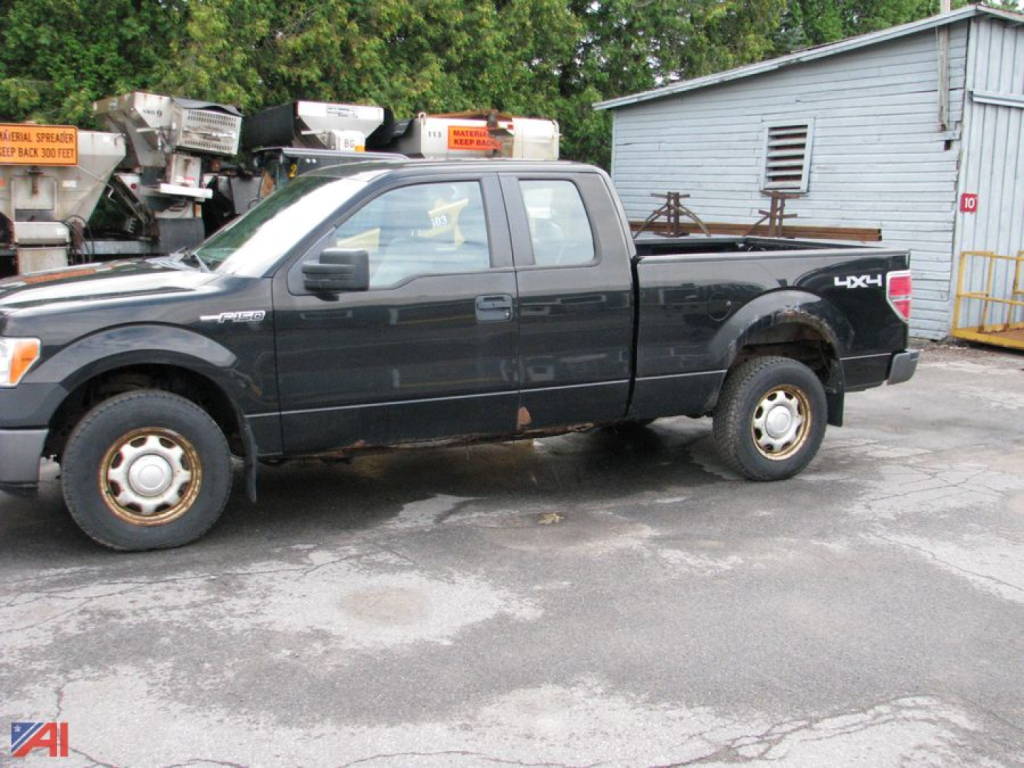
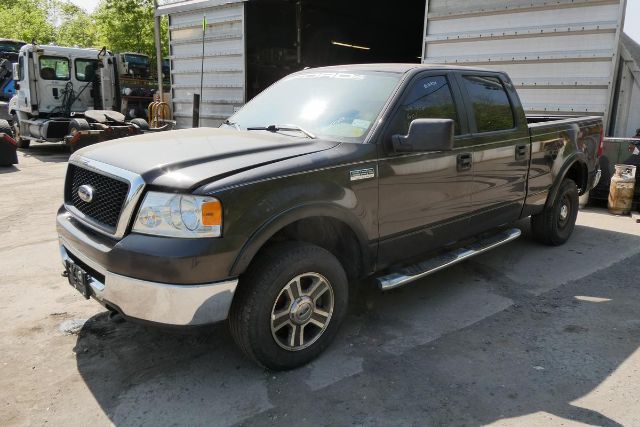
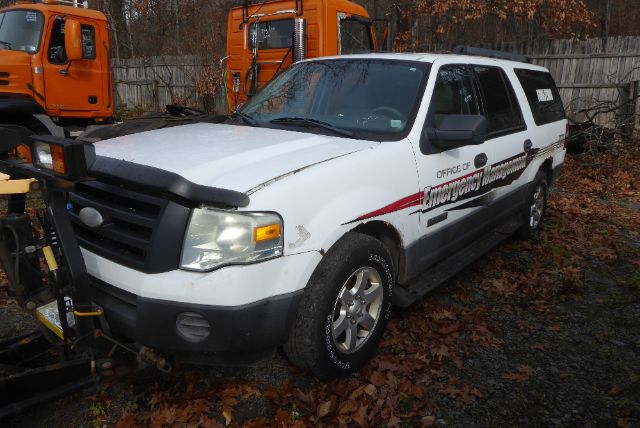
Selling a ford pickup 4wd truck? List your ford pickup 4wd truck for sale and reach thousands of commercial buyers.
Ford Pickup 4wd Trucks in New York
Powertrain choice sets the tone for towing and grade performance. F-150 models typically offer EcoBoost turbo V6 and 5.0L V8 options paired to a 10-speed, while Super Duty F-250 and F-350 step up to larger gas V8s and the 6.7L Power Stroke diesel. For sustained towing in the Catskills or Adirondacks, prioritize axle ratios like 3.55, 3.73, or 4.30, integrated trailer brake control, Tow or Haul shift maps, and cooling capacity that preserves thermal integrity under load. Intercoolers on turbo engines, transmission and oil coolers, and high output alternators stabilize temps and electrical demand when running plows, winches, or auxiliary lighting.
Tare weight affects everything from fuel economy to payload margin. Aluminum body F-150s are lighter than prior steel generations, which helps payload and balance with 4x4 hardware, while Super Duty trucks carry heavier frames, axles, and springs to achieve higher GVWRs and fifth wheel or gooseneck ratings. Cab and bed choices change curb weight and turning radius; a crew cab long bed with a snow plow prep package loads the front axle, so verify front GAWR, spring codes, and plow compatibility. Wheelbase, suspension spec, and tire load range should align with your trailer tongue weight and bed load so you are not using up all capacity before you roll.
New York road salt is hard on frames and hardware, so corrosion resistance is a priority. Aluminum body panels resist red rust, yet watch for galvanic corrosion at steel fasteners, bed corners, and hinge points, plus frame scale near crossmembers, spring perches, cab mounts, and receiver hitches. Look for factory e-coat coverage, intact seam sealers, stainless or coated fasteners, and a quality underbody coating that does not trap moisture. Regular undercarriage washing, drain hole clearing, and dielectric protection on electrical connectors preserve longevity. For winter traction, verify transfer case operation, electronic or mechanical locking rear differential availability, hub integrity on Super Duty front ends, skid plates from FX4 or Tremor packages, and block heater readiness for cold starts.
Frequently Asked Questions about Ford Pickup 4wd Trucks in New York
How do F-150 and Super Duty 4x4 models differ for towing and payload in New York conditions?
F-150 4x4 trucks balance lighter tare weight with efficient powertrains, which is ideal for mixed use and moderate towing. Super Duty F-250 and F-350 add stiffer frames, heavier axles, and higher GVWRs, which improves stability with gooseneck or heavy conventional trailers on hilly routes. In snow or salt, the Super Duty front end and cooling packages handle plows and sustained low speed work better, but the added weight reduces fuel economy. Match axle ratio, engine, and wheelbase to the trailer’s actual loaded weight and your terrain.
What should I look for to confirm bed floor strength on a Ford 4WD pickup?
Check the payload sticker and compare it to your typical load profile, then inspect the bed floor for reinforcement ribs, robust tie-downs, and a spray-in liner that prevents point load deformation. If you haul compact equipment or palletized stone, a bed mat over a spray-in liner spreads weight. Verify rear spring capacity, helper springs or airbags if needed, and confirm the tailgate’s load rating if you use ramps. Minimal waviness or dings in the bed floor after use is a good sign of adequate floor strength.
How does thermal integrity affect towing and plowing performance?
Thermal integrity means the truck can control engine, transmission, and intake temperatures under sustained load. For towing or plowing, look for transmission and oil coolers, adequate grille airflow with a plow mounted, and intercooler efficiency on turbo engines. The 10-speed’s Tow or Haul mapping reduces heat by limiting slip. In very cold weather, a block heater, strong batteries, and alternator output keep starts reliable and electrical accessories stable without overheating or undercharging.
Gas or diesel for a Ford 4x4 in stop-and-go city work versus upstate highway mileage?
Gas engines warm quickly, cost less to maintain, and suit short trip city routes where diesel aftertreatment may struggle to complete regens. Diesel shines for sustained highway towing and steep grades, offering higher torque at lower RPM and better fuel economy with heavy trailers. If your New York duty cycle mixes plowing, short hops, and occasional highway tows, a modern gas V8 can be the lower cost, lower complexity option. For frequent heavy towing, the 6.7L Power Stroke provides the best margin.
How can I manage corrosion on a Ford 4WD pickup used on salted roads?
Rinse the undercarriage frequently during winter, especially frame rails, crossmembers, brake lines, and the radiator support. Apply a quality cavity wax or fluid film to seams and boxed sections, and avoid thick coatings that seal in moisture. Inspect fasteners on aluminum panels for white corrosion, treat promptly, and keep drain holes open in doors and beds. Dielectric grease on connectors and regular brake hardware service prevent seized components. Annual inspections catch early frame scale before it spreads.