
New Flatbed Trucks For Sale in Texas
Shop new flatbed trucks for sale in Texas. Compare bed lengths, GVWR, axle ratings, drivetrain specs, and body options for delivery and job-site work.
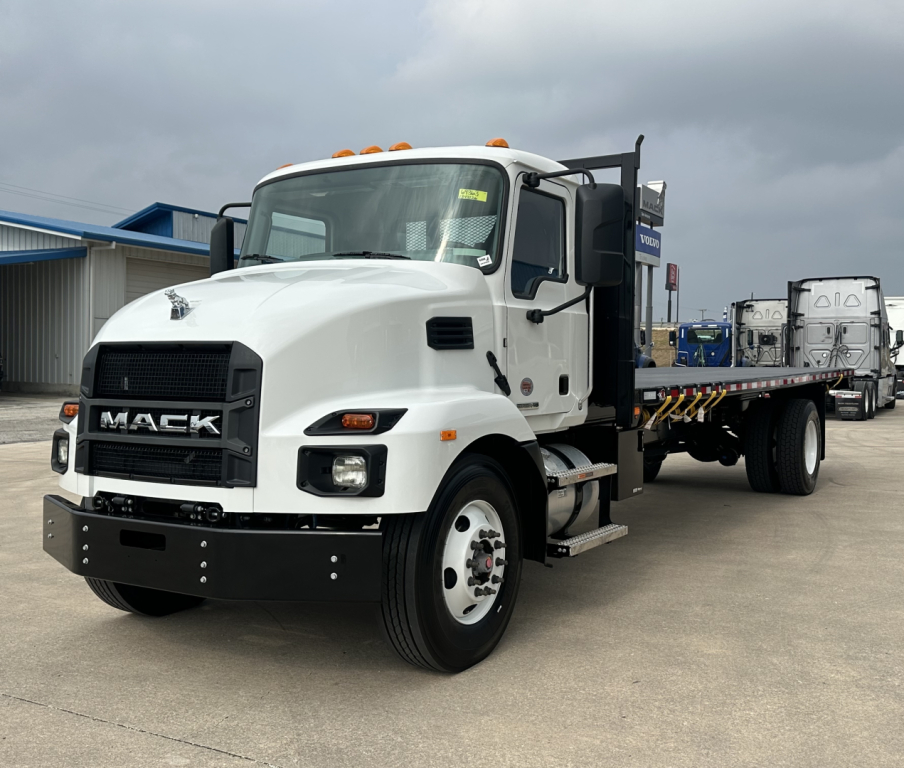
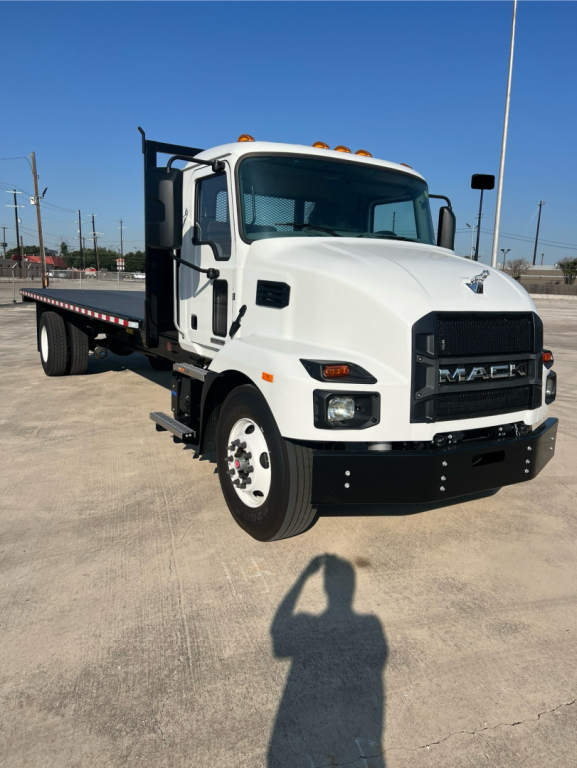
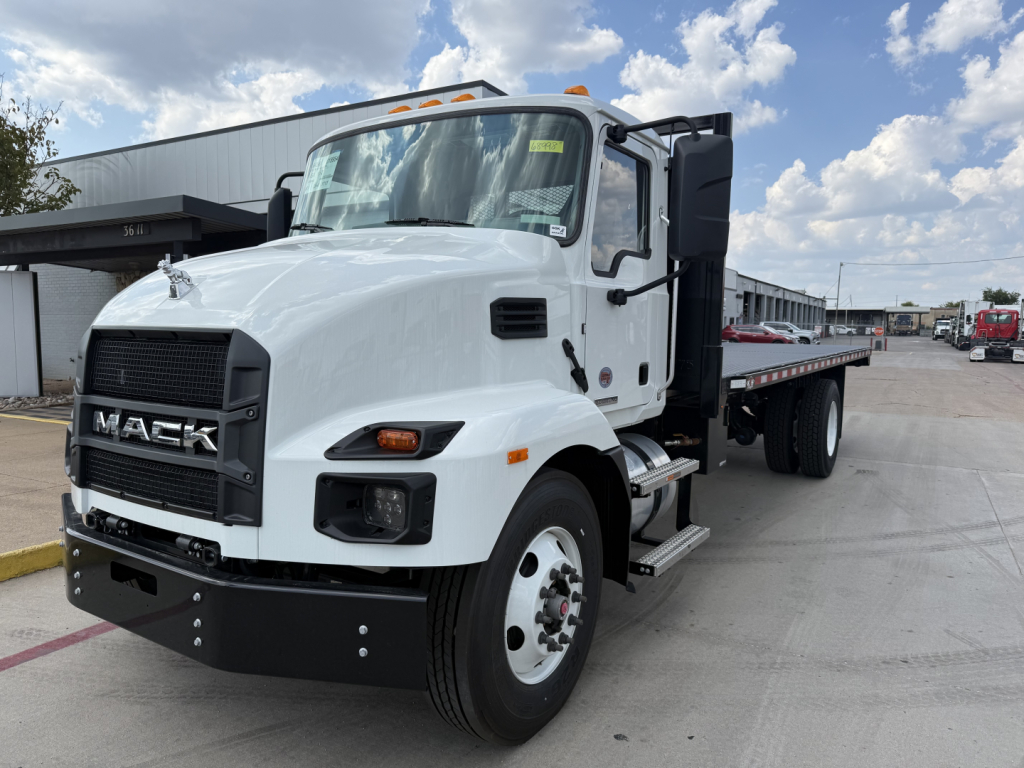
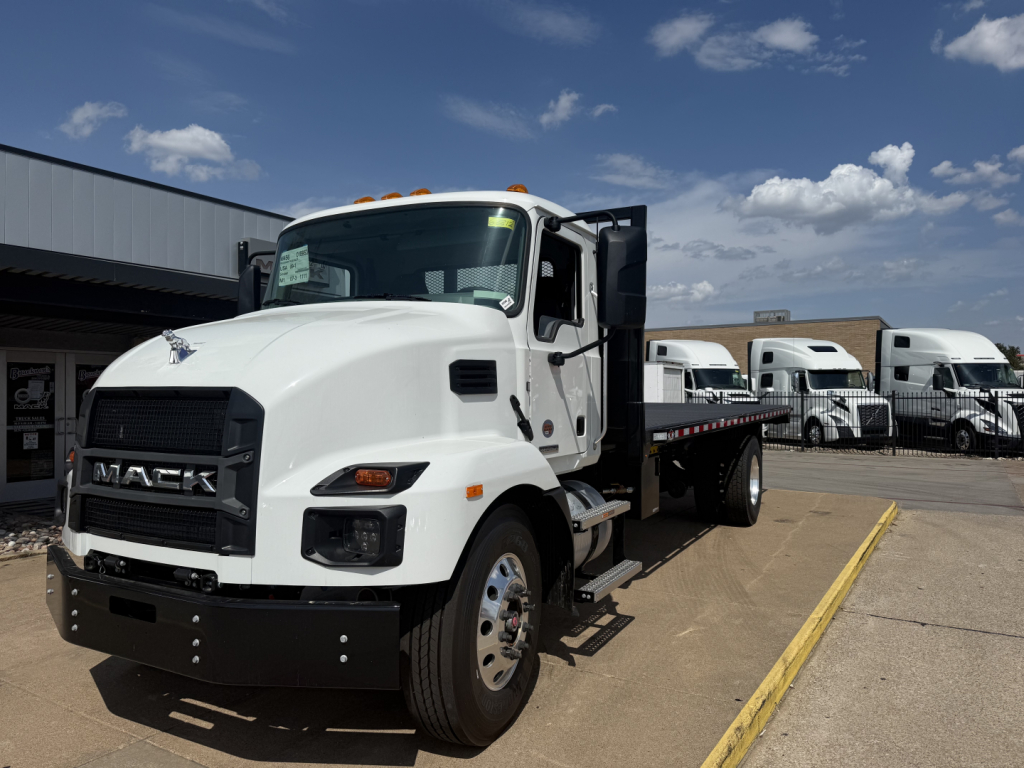

Selling a new flatbed truck? List your new flatbed truck for sale and reach thousands of commercial buyers.
New Flatbed Trucks in Texas
Most new flatbed trucks in this segment are medium-duty models with single rear axles, diesel power, and automatic transmissions. Common specs include Cummins 6.7L class engines, Allison automatic transmissions, front axles around 10,000 pounds, rear axles in the 17,000 to 21,000 pound range, and wheelbases suited to 22-foot to 24-foot bodies. Buyers should look closely at GVWR, rear axle ratio, suspension type, and body construction. A steel flatbed offers durability for harsh job-site use and concentrated loads, while lighter configurations can help preserve payload. If the truck is equipped with a dumping flatbed, PTO setup, hoist capacity, and body floor thickness matter as much as engine output.
Body details make a major difference in day-to-day usability. Deck height affects forklift access and loading angles. Rub rails, stake pockets, tie-down points, headache racks, and underbody toolboxes improve securement and storage. On jobs that involve rough materials or frequent chaining, buyers should pay attention to crossmember spacing, rear sill construction, and how the body is mounted to the chassis. If the truck will carry bundled steel, lumber, masonry products, or equipment, it is worth confirming bed length against typical load dimensions and checking that axle placement keeps weight distributed legally and safely. Under-CDL flatbed trucks are especially attractive for local fleets because they widen the driver pool while still handling serious work.
For Texas buyers, heat, long distances, and mixed highway and job-site use make cooling performance, gearing, and service support important. A 5.29 or 5.57 rear ratio, for example, can favor startability and low-speed load control, while suspension choice affects ride quality when empty and stability when loaded. New flatbed trucks also appeal to buyers who want current emissions systems, warranty coverage, and a clean upfit history rather than inheriting wear from prior vocational use. The best fit comes from matching the truck's axle capacity, wheelbase, bed design, and intended cargo to the actual route and loading method, not just choosing the highest horsepower on the page.
Frequently Asked Questions about New Flatbed Trucks in Texas
What is the difference between a flatbed truck and a stake bed truck?
A flatbed truck has an open platform body designed for loading from multiple sides, while a stake bed typically uses removable side panels or stake racks mounted to a flat platform. Many buyers use the terms loosely, but the practical difference is cargo containment. If the load is palletized, bundled, or secured with straps and chains, a standard flatbed may be enough. If the load can shift or benefits from side retention, a stake-style configuration may be the better fit.
What specs matter most when buying a new flatbed truck?
The most important specs are GVWR, axle ratings, wheelbase, bed length, frame compatibility, and payload after the body is installed. Engine horsepower matters, but torque, rear axle ratio, and transmission calibration often have more impact in loaded stop-and-go work. Buyers should also verify deck material, body floor thickness, tie-down equipment, suspension type, and whether the truck includes PTO provisions or a dumping flatbed hoist if that function is required.
Can a new flatbed truck be under CDL?
Yes. Many medium-duty flatbed trucks are configured to stay under the 26,001-pound GVWR threshold, which can make them attractive for local delivery, building supply, and contractor use. That said, CDL requirements can still depend on actual truck rating, trailer use, air brake rules, and state or federal operating conditions. Buyers should confirm the door-sticker GVWR and intended operating setup before assuming a truck is non-CDL.
Is a steel flatbed better than an aluminum flatbed?
Steel flatbeds are generally preferred for rugged vocational work because they handle abrasion, point loading, and impact well. They are common on construction, utility, and equipment-hauling trucks. Aluminum bodies reduce weight and can improve payload, but body choice should match the cargo and work environment. For buyers hauling dense materials, operating on rough sites, or using forklifts heavily, steel is often the more durable long-term option.
What bed length is common on new medium-duty flatbed trucks?
A 22-foot to 24-foot bed is common on medium-duty single-axle flatbed trucks, especially when paired with wheelbases around the mid-200-inch range. The right length depends on axle placement, cab-to-axle measurement, and the type of freight being carried. Longer is not always better, because load distribution, turning radius, and bridge law considerations still matter. The body should be sized to the truck chassis and the real cargo profile, not just the maximum deck space available.