
New Western Star Day Cab Trucks For Sale in Alabama
Shop new Western Star day cab trucks in Alabama. Compare 49X specs, vocational setups, engines, axle ratings, and regional haul features.
Selling a new western star day cab truck? List your new western star day cab truck for sale and reach thousands of commercial buyers.
New Western Star Day Cab Trucks in Alabama
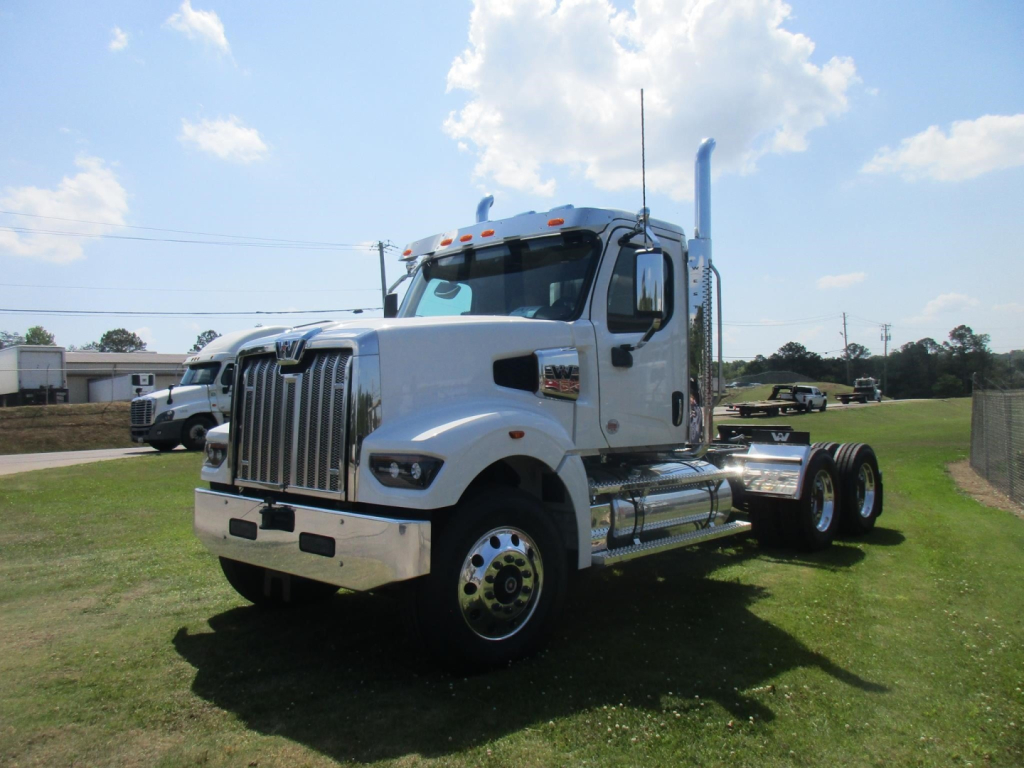
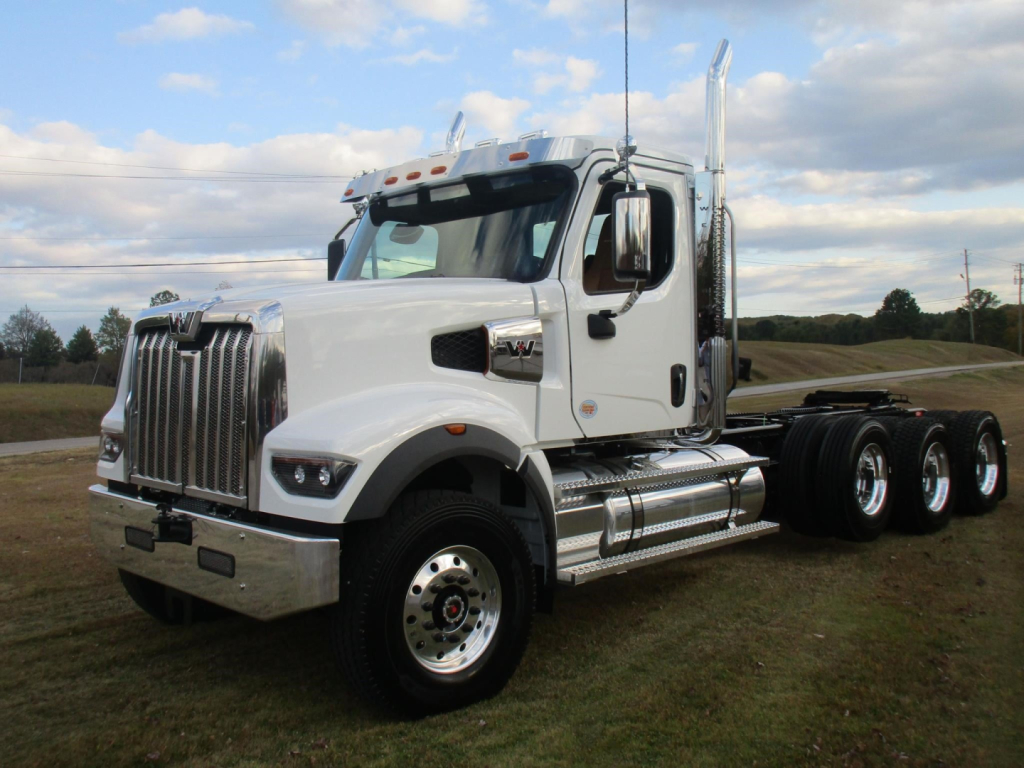
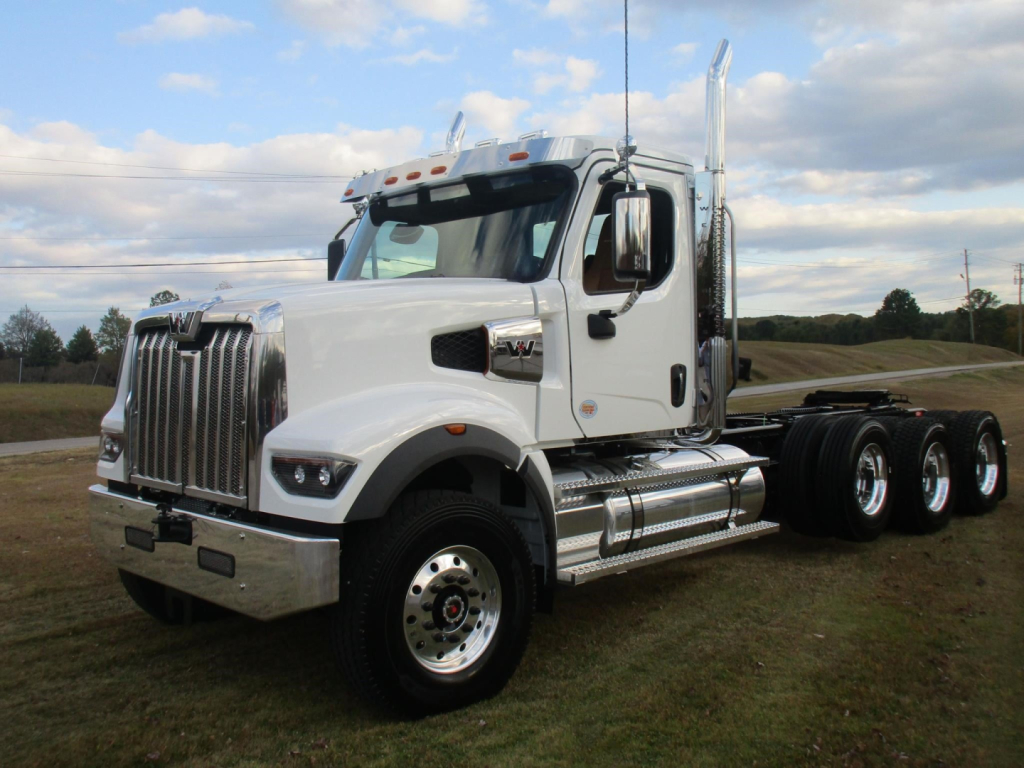
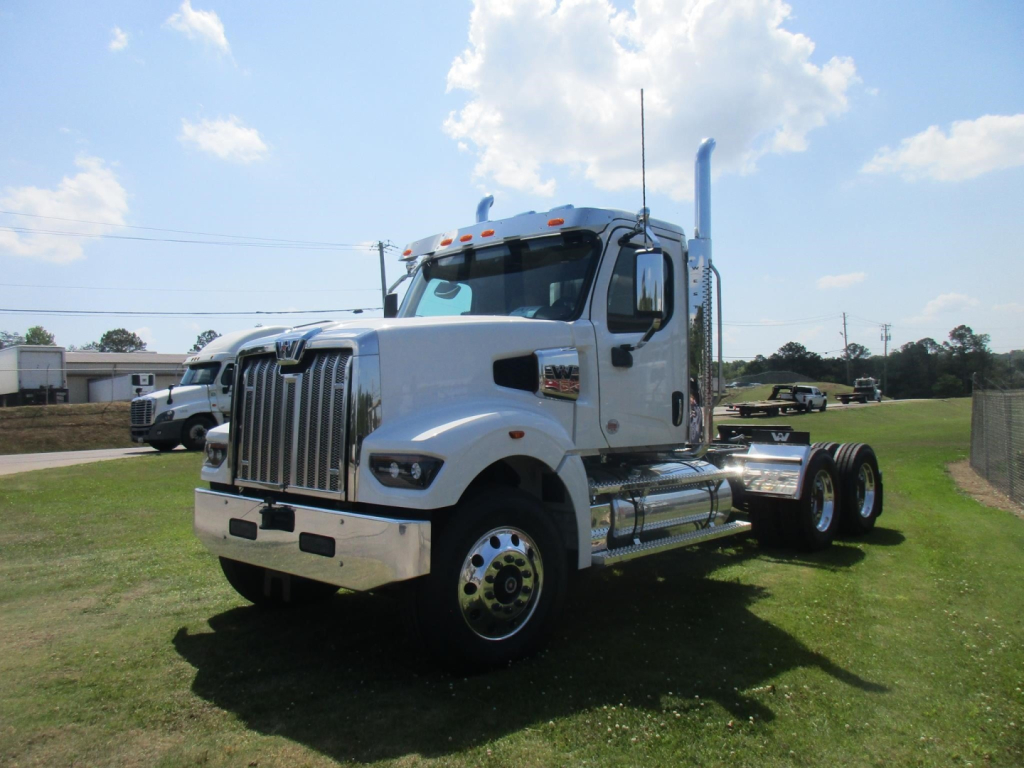
The Western Star 49X is one of the most common day cab platforms in this class. Buyers typically focus first on axle and frame configuration because that determines how flexible the truck will be for both highway and vocational use. Common spec decisions include tandem axle setups, wheelbase, front axle capacity, rear axle ratio, suspension type, and frame reinforcement. A lighter regional-haul spec may prioritize fuel economy, tighter turning, and payload efficiency, while a heavier vocational spec may call for higher RBM, heavier front ends, locking differentials, PTO provisions, and set-forward axle packaging. Fifth wheel selection, sliding versus fixed, also matters if the truck will handle mixed trailer lengths or specialized kingpin settings.
Powertrain choice is another major consideration with a new day cab. Western Star buyers often look at Detroit power paired with automated manual transmissions for a balance of fuel efficiency, drivability, and uptime. Horsepower and torque should match the actual job, not just the gross weight rating on paper. Regional van and reefer work may be well served by a mid-range heavy-duty engine rating, while construction, heavy haul support, or short-cycle stop-and-go service may justify more torque, more aggressive rear gearing, and cooling capacity geared toward severe duty. In Alabama’s heat and humidity, buyers also tend to pay closer attention to cooling performance, air conditioning output, and under-hood serviceability.
Cab layout and durability matter more in a day cab than many buyers expect because the driver is entering and exiting the truck constantly. Good visibility, grab handle placement, seat durability, switch layout, and noise control all affect productivity over a long workday. Western Star day cabs are often spec’d with practical features such as air ride cabs, premium seating, disc or drum brake configurations, collision mitigation technology, camera systems, and telematics integration for fleet management. For buyers comparing listings, the smartest approach is to match the truck to the application first, then compare GVWR, axle ratings, wheelbase, engine rating, transmission, suspension, and PTO readiness. A properly spec’d new Western Star day cab can serve as a regional tractor, vocational tractor, or mixed-use fleet unit with long service life and strong resale appeal.
Frequently Asked Questions about New Western Star Day Cab Trucks in Alabama
What is a Western Star day cab truck best used for?
A Western Star day cab is best suited for operations that do not require overnight accommodations. Common uses include regional freight, local delivery, port drayage, construction support, dump trailer work, equipment hauling, and dedicated shuttle routes. The day cab layout reduces weight and overall length compared with a sleeper tractor, which can improve maneuverability, simplify maintenance, and increase payload flexibility in the right application.
What should buyers compare when shopping for a new Western Star 49X day cab?
The most important comparisons are axle configuration, wheelbase, engine horsepower and torque, transmission type, rear axle ratio, suspension, and frame strength. Buyers should also check front axle capacity, fifth wheel setup, PTO provisions, and whether the truck is spec'd for highway, vocational, or mixed-service use. Those details determine how well the truck will handle trailer type, payload, terrain, and duty cycle.
Are Western Star day cabs good for both highway and vocational work?
Yes, especially when the truck is spec'd correctly. A Western Star day cab can be configured as a regional highway tractor or as a more severe-duty vocational unit. The same platform may support van, reefer, flatbed, dump, lowboy, or specialty trailer applications depending on frame, axle, suspension, and PTO configuration. Buyers should verify that the chassis spec matches the intended job instead of assuming all day cabs are equipped the same way.
Why do many buyers choose a day cab instead of a sleeper?
A day cab is often the better choice when the truck returns to base daily or operates on short to medium regional lanes. It usually weighs less than a comparable sleeper tractor, has fewer cab components to maintain, and can offer a tighter overall package for urban or jobsite maneuvering. For fleets, that can mean lower acquisition cost, simpler service needs, and a truck that is better aligned with local and regional duty cycles.
What features matter most in Alabama for a new day cab truck?
In Alabama, buyers often prioritize cooling system performance, dependable air conditioning, corrosion resistance, and a spec that fits a mix of highway and vocational conditions. Regional operators may want fuel-efficient gearing and driver-assist systems, while construction and heavy-service buyers may focus on axle ratings, locking differentials, PTO capability, and heavier frame specs. Terrain, trailer type, and average gross weight should drive the final configuration.