
New 2027 Crane Trucks For Sale in Texas
Shop new 2027 crane trucks for sale in Texas. Compare chassis, boom capacity, body setup, axle ratings, and jobsite-ready specs.
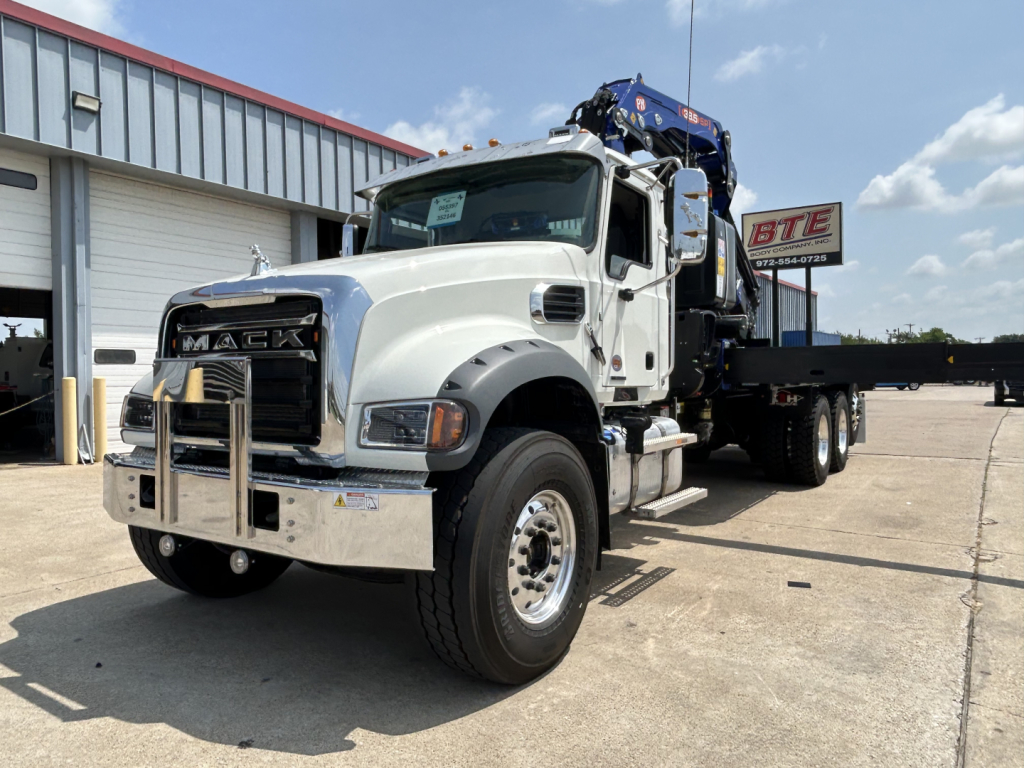
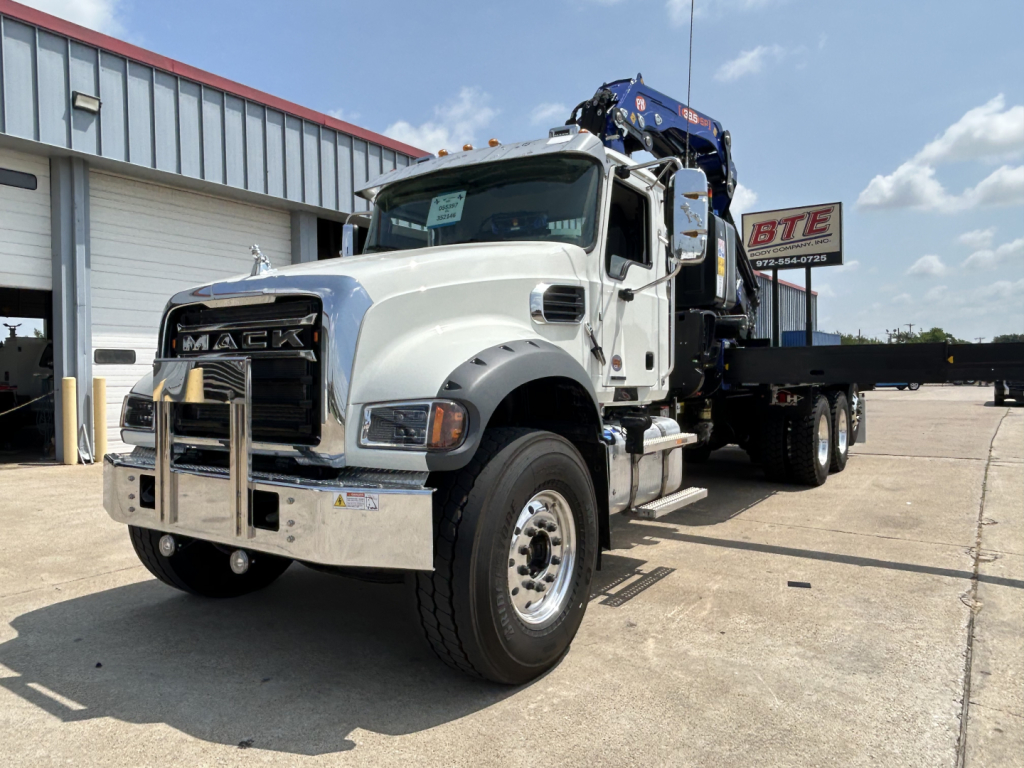
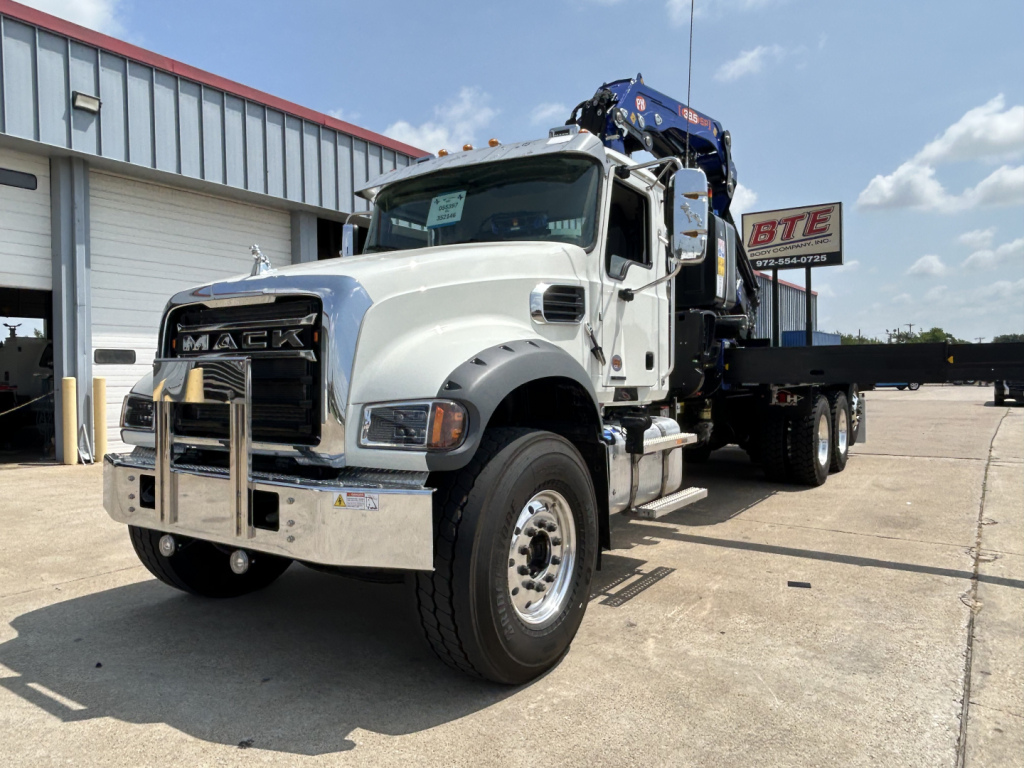
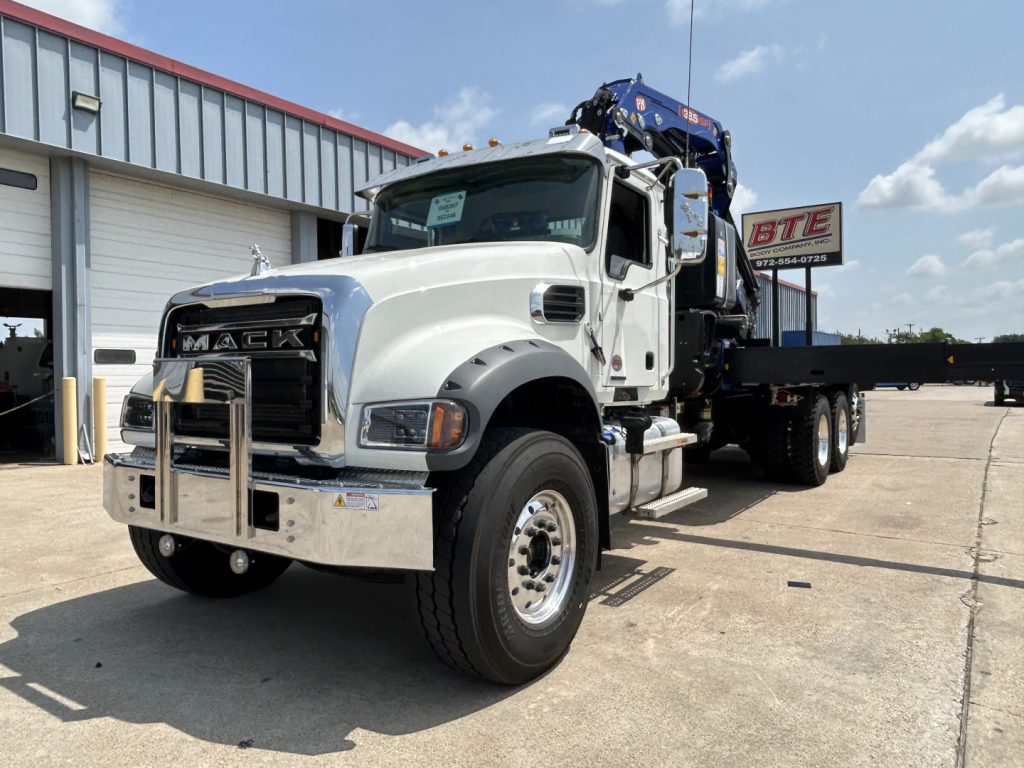
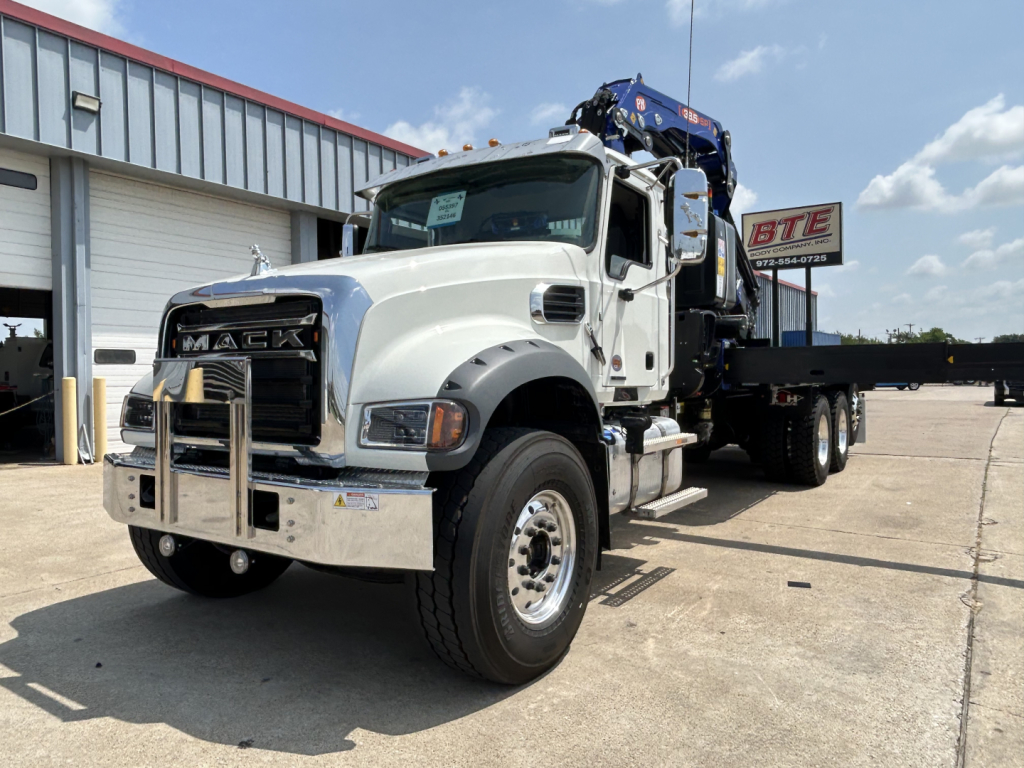
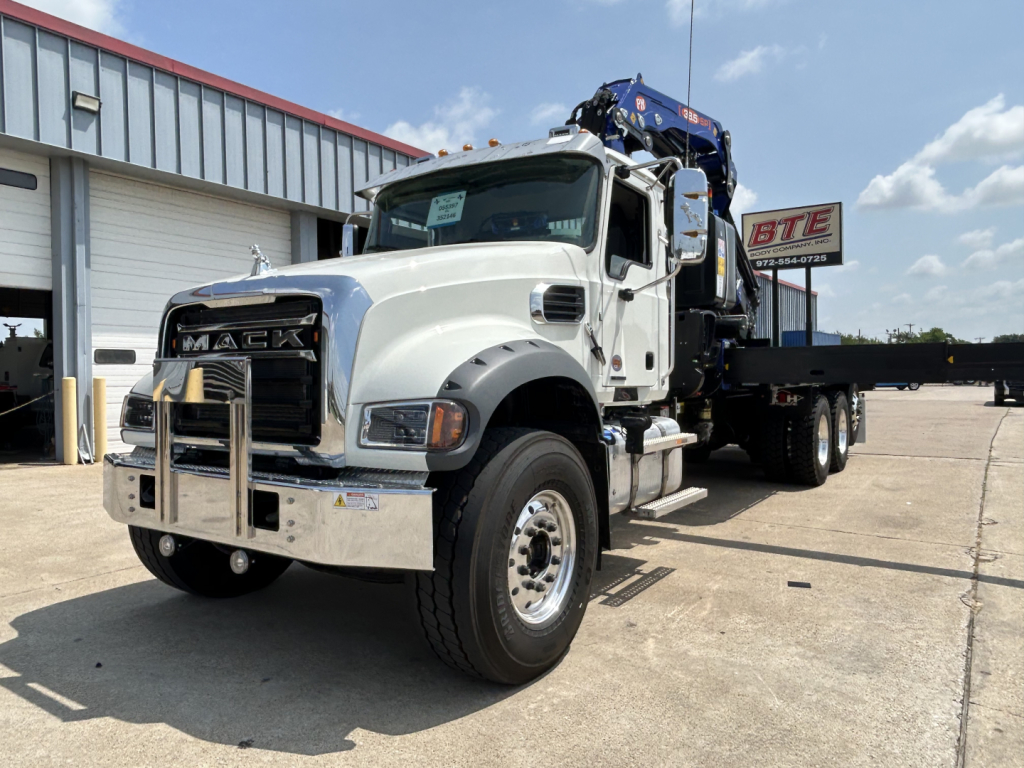
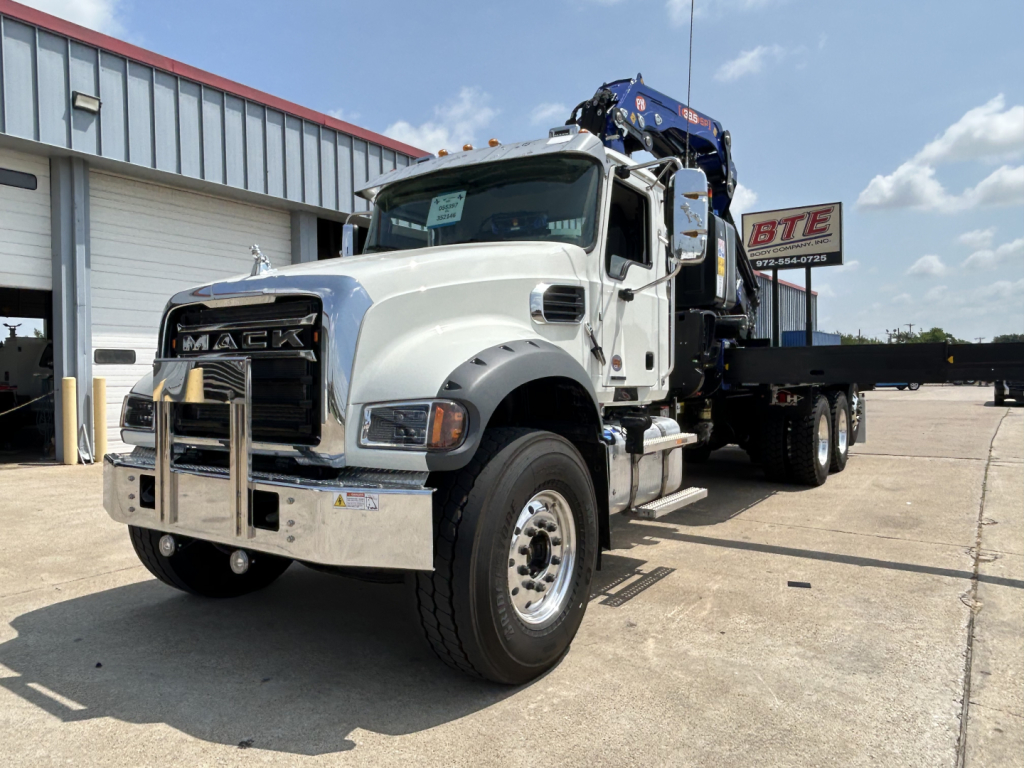
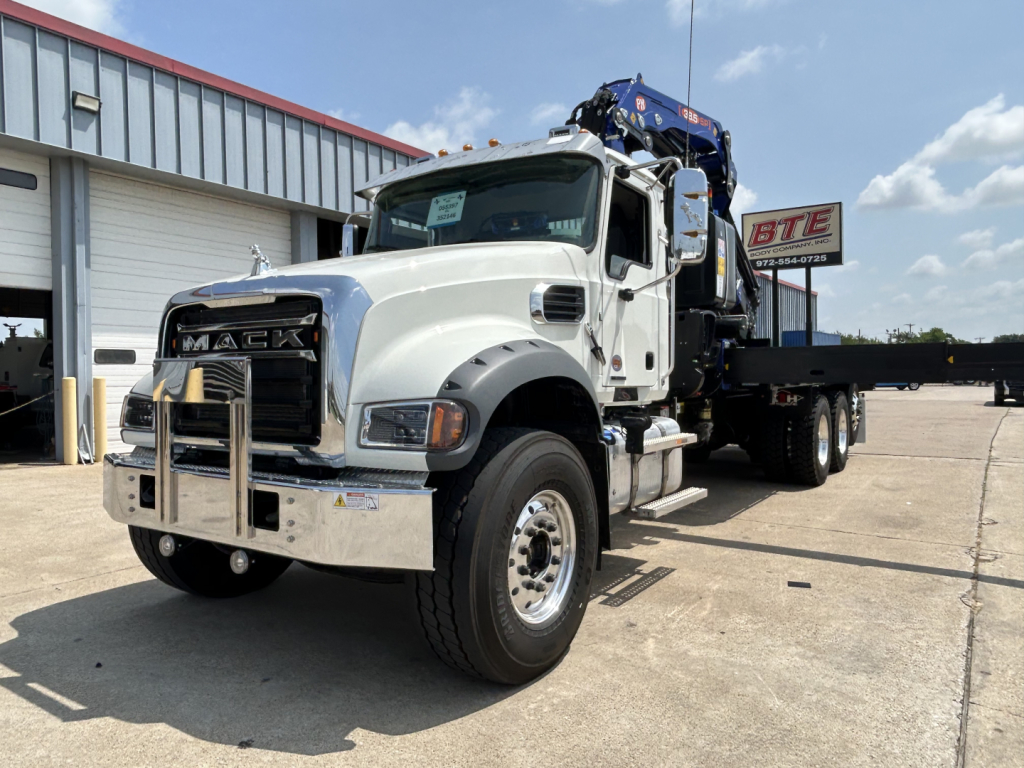

Selling a new 2027 crane truck? List your new 2027 crane truck for sale and reach thousands of commercial buyers.
New 2027 Crane Trucks in Texas
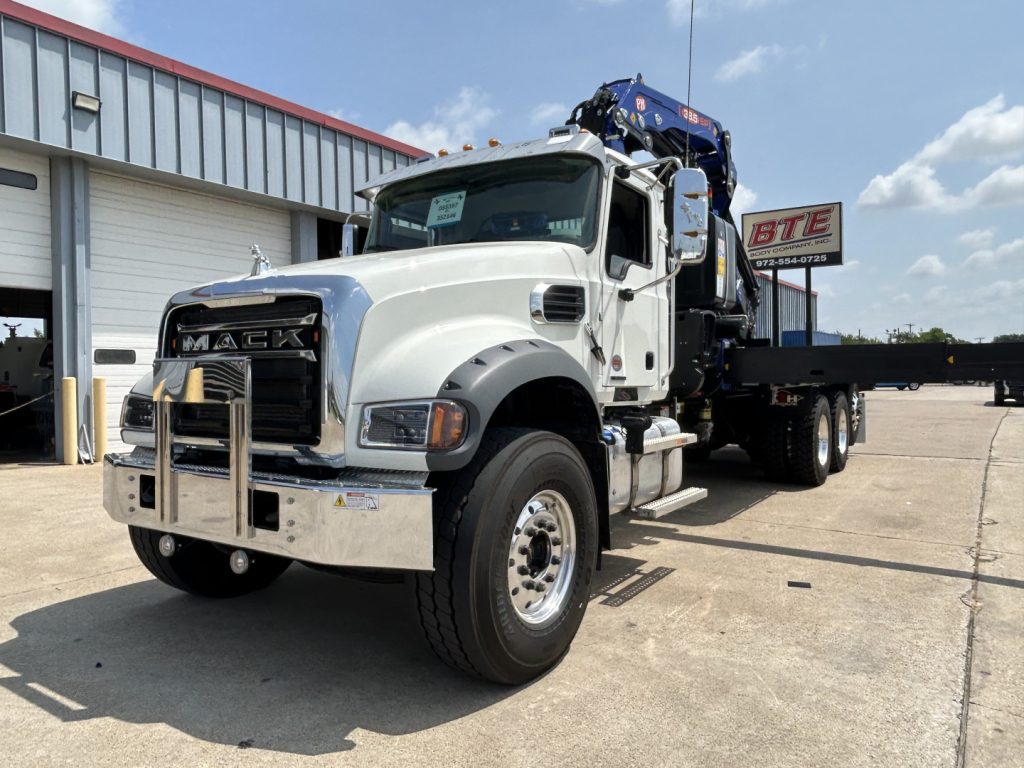
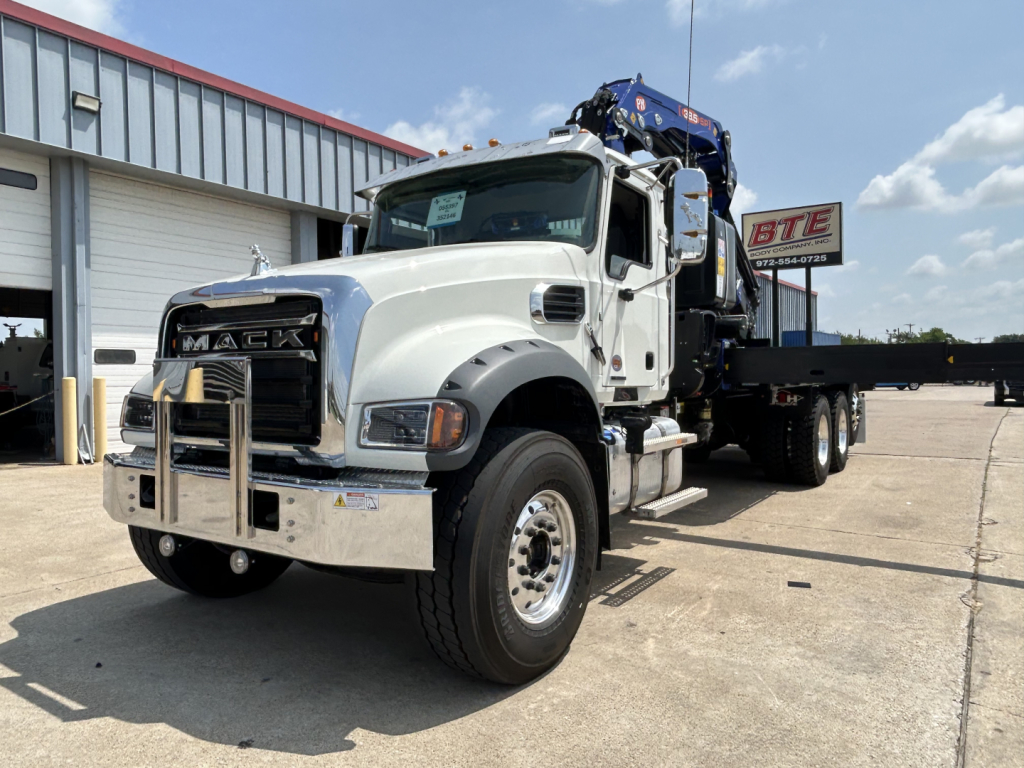
Start with the lift requirement and bed length. A crane truck used for setting trusses, moving jobsite material, or unloading pallets of pipe needs enough boom reach, lifting capacity, and deck space to do the job without overbuilding the truck. Common specs to compare include crane manufacturer, maximum lifting capacity, hydraulic reach, rotation, outrigger spread, body length, and whether the truck carries a flatbed, mechanics body, or specialized platform. On the chassis side, pay close attention to front axle capacity, rear axle ratio, suspension, frame reinforcement, PTO setup, and GVWR. In Texas, where jobs can involve long highway miles between sites and rough access roads once you arrive, durability, legal weight distribution, and stable setup on uneven ground matter as much as raw lift numbers.
A new 2027 crane truck also gives buyers the advantage of current emissions compliance, updated safety systems, and cleaner integration between the truck and crane controls. Features that deserve a close look include wireless or top-seat remote operation, load moment indicators, anti-two-block protection, hydraulic outriggers, air ride or vocational suspensions, and body options such as tool storage, dunnage racks, and tie-down points. If the truck will spend time in municipalities or on utility contracts, confirm bridge law considerations, axle spacing, and local permitting needs. If it will be used in oilfield or heavy construction applications, look closely at frame strength, PTO performance, and how the crane is mounted behind the cab or at the rear of the body.
Texas buyers should also think about service support, heat exposure, and duty cycle. High ambient temperatures, stop-and-go PTO work, and dusty jobsites can stress hydraulic and cooling systems, so radiator performance, hydraulic reservoir sizing, and access for maintenance are practical buying points. A well-matched crane truck should carry its payload safely, set up quickly, and give the operator enough reach and stability for the work without wasting axle capacity or adding unnecessary tare weight. Comparing new 2027 crane trucks by crane spec, chassis rating, and body configuration will narrow the field much faster than shopping by make alone.
Frequently Asked Questions about New 2027 Crane Trucks in Texas
What is the difference between a crane truck and a boom truck?
The terms are often used interchangeably, but buyers should verify the actual configuration. A crane truck generally describes a truck chassis fitted with a lifting crane and work body, while boom truck can also refer to a purpose-built lifting unit with a dedicated boom and carrier setup. On listing pages, the key is to confirm crane capacity, boom length, body style, outrigger system, and whether the truck is intended for material delivery, service work, or repeated lifting operations.
What specs matter most when buying a new 2027 crane truck in Texas?
The most important specs are crane lifting capacity, boom reach, outrigger spread, body length, GVWR, and axle ratings. Buyers should also check front axle capacity, frame reinforcement, PTO and hydraulic setup, suspension type, and how the crane weight affects legal payload. In Texas, long travel distances, high heat, and mixed highway-jobsite use make cooling performance, stability, and serviceability especially important.
How do I choose the right crane capacity for my application?
Match the crane to the heaviest load you expect to lift at the farthest working radius you expect to use. A truck may have a strong maximum lift rating close in, but much lower capacity when the boom is extended. Buyers should review the load chart, not just the headline ton rating, and factor in the weight of rigging, attachments, and material handling devices. Choosing by real working radius prevents under-specifying the truck.
Are axle ratings and weight distribution important on crane trucks?
Yes. Crane trucks carry a large concentrated weight from the crane, body, outriggers, and payload, so axle ratings and weight distribution are critical. A truck with the wrong front axle or improper crane placement can run out of legal capacity before it runs out of deck space. Buyers should evaluate GVWR, front and rear axle ratings, axle spacing, and body layout to make sure the truck stays compliant and stable in loaded and working conditions.
What features are worth paying extra for on a new crane truck?
Useful upgrades depend on the work, but many buyers prioritize hydraulic outriggers, remote controls, load moment systems, better tool storage, reinforced bodies, and easier maintenance access. For fleets running frequent PTO cycles, robust hydraulic cooling and dependable control integration are valuable. For delivery and construction work, tie-down points, stake sides, dunnage storage, and a body layout that supports both transport and lifting can improve productivity every day.