
New 2027 Mack Crane Trucks For Sale in Texas
Shop new 2027 Mack crane trucks in Texas. Compare chassis, axle ratings, PTO setups, boom specs, and body configurations.
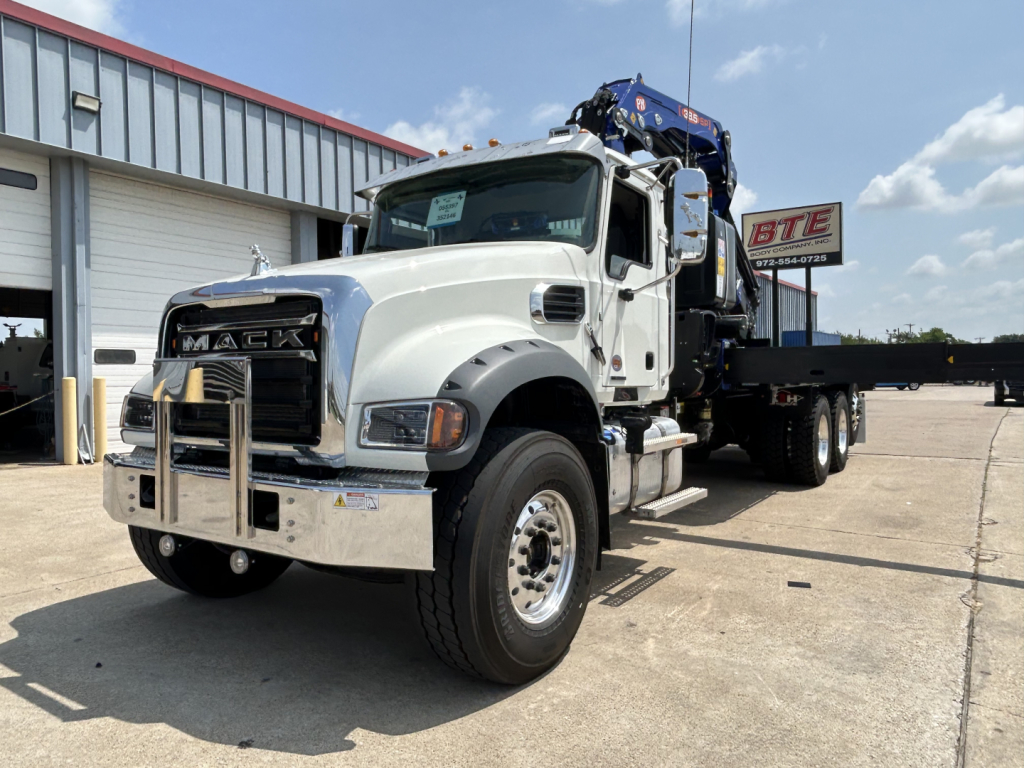
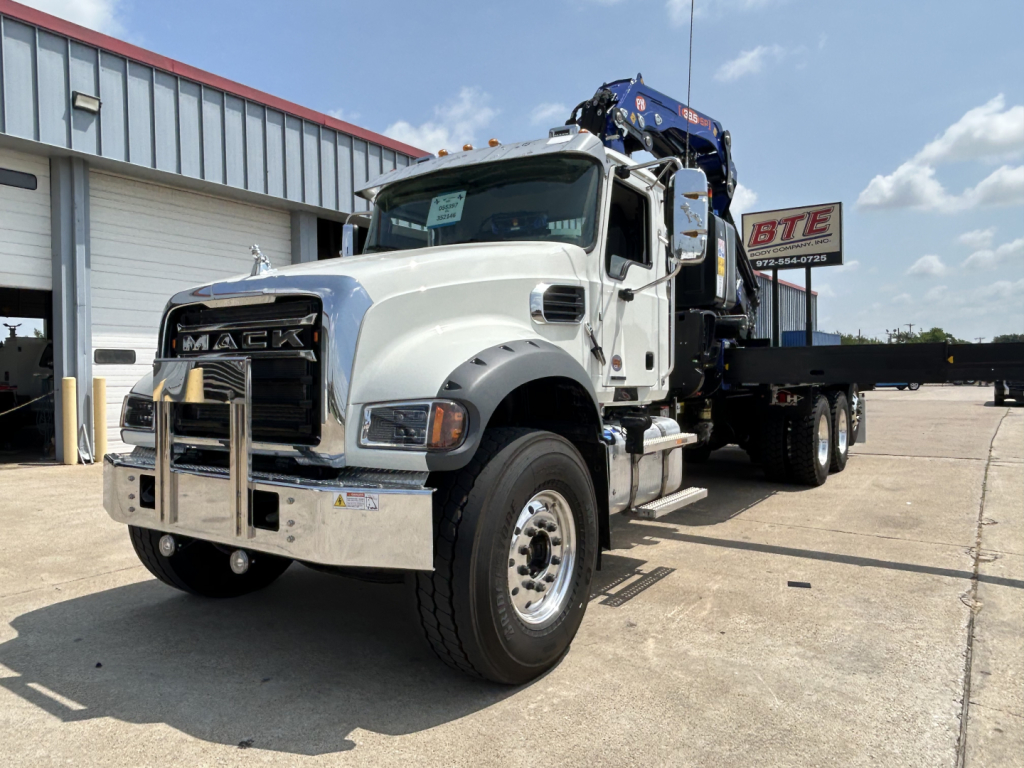
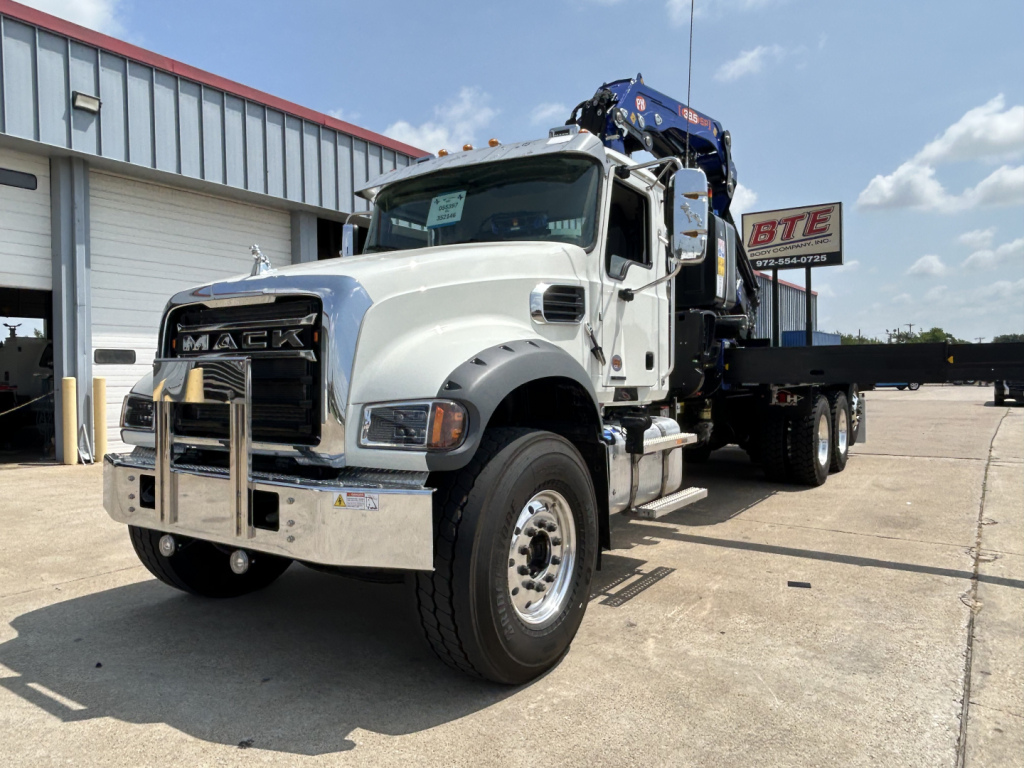
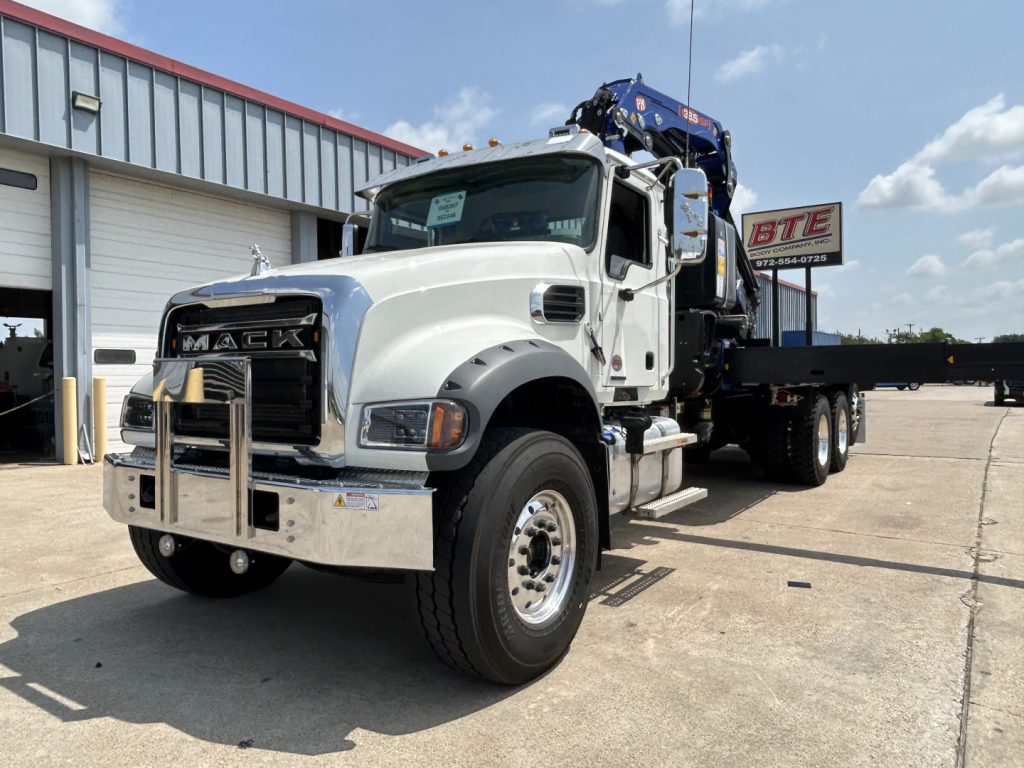
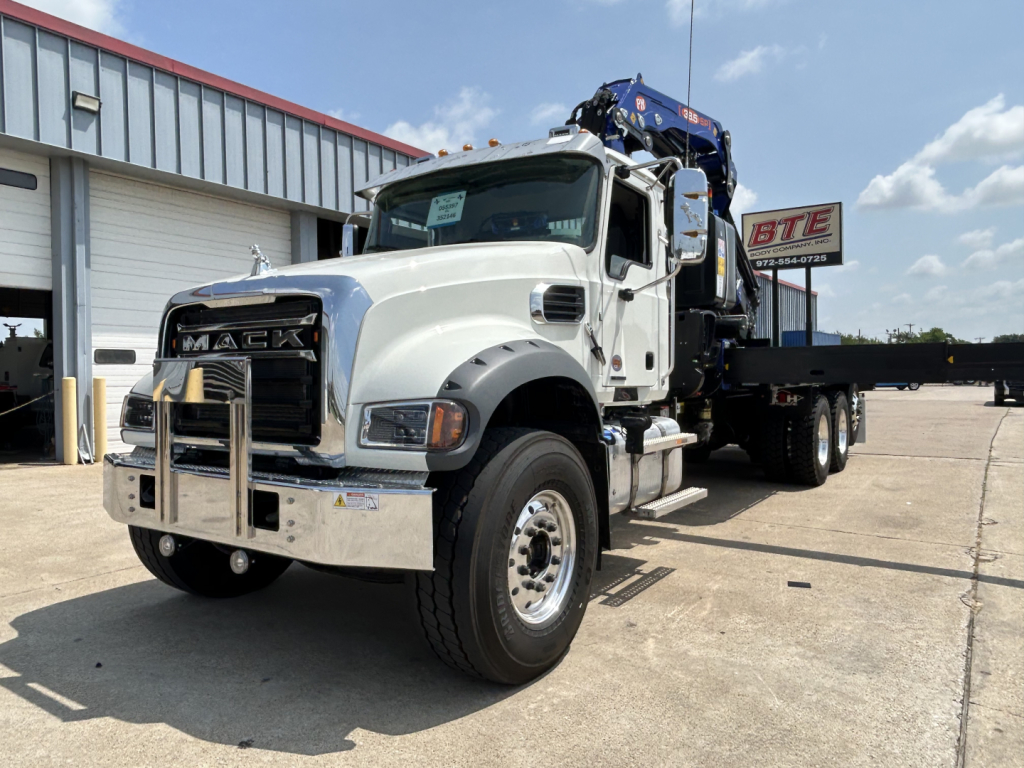
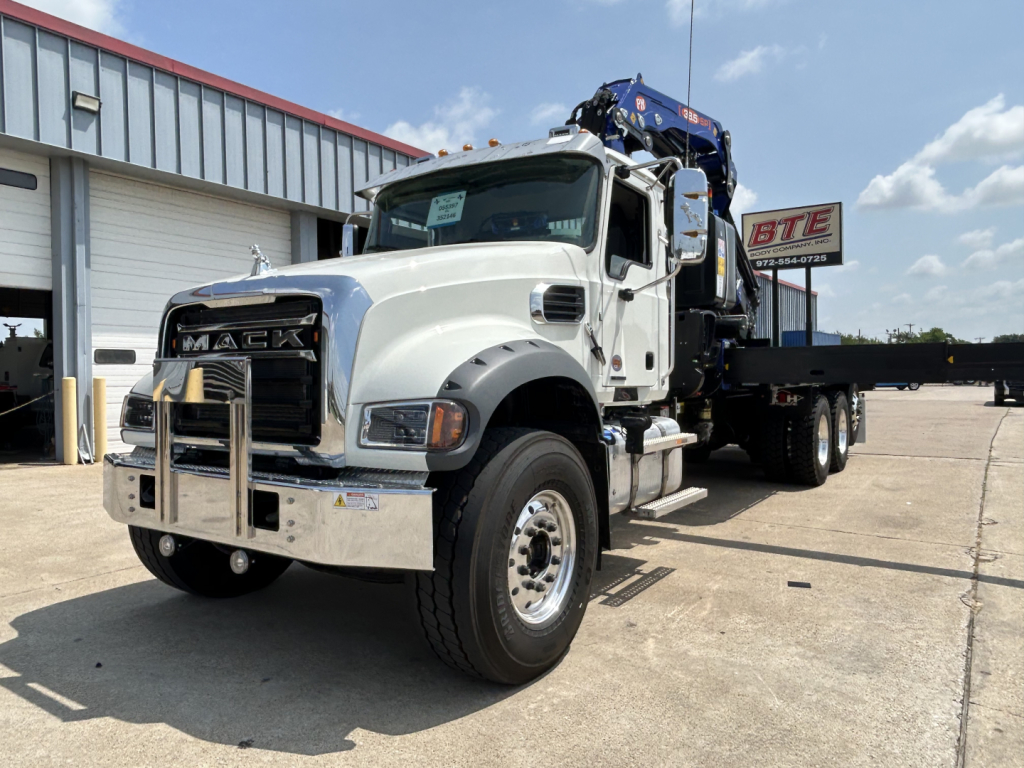
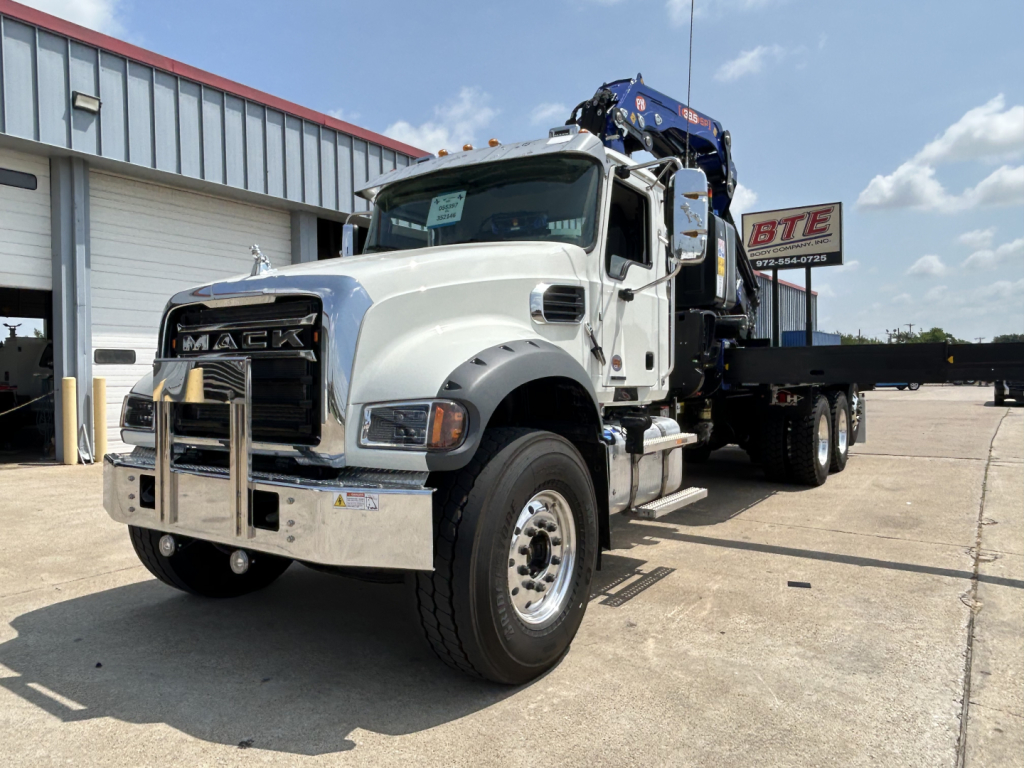
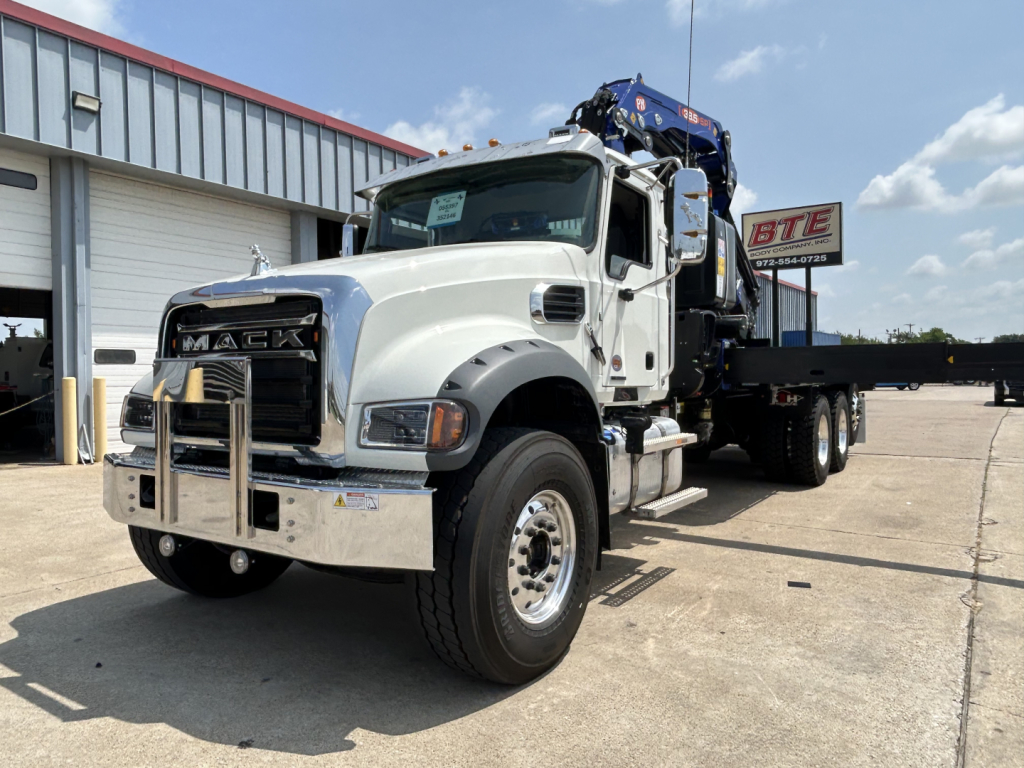
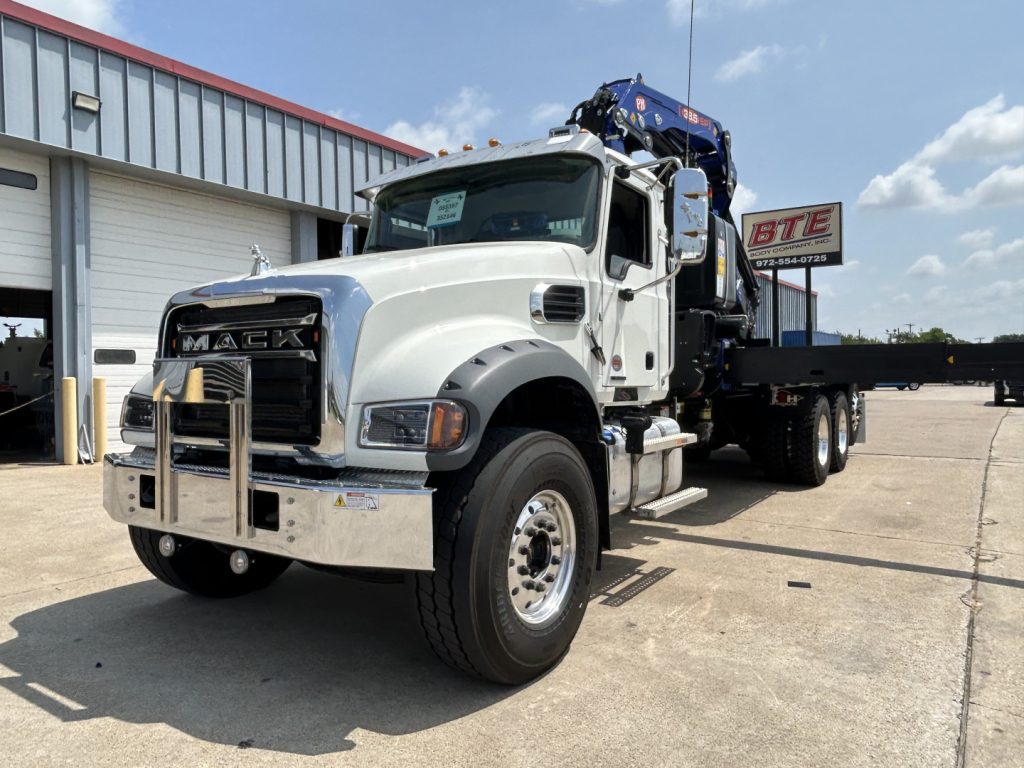
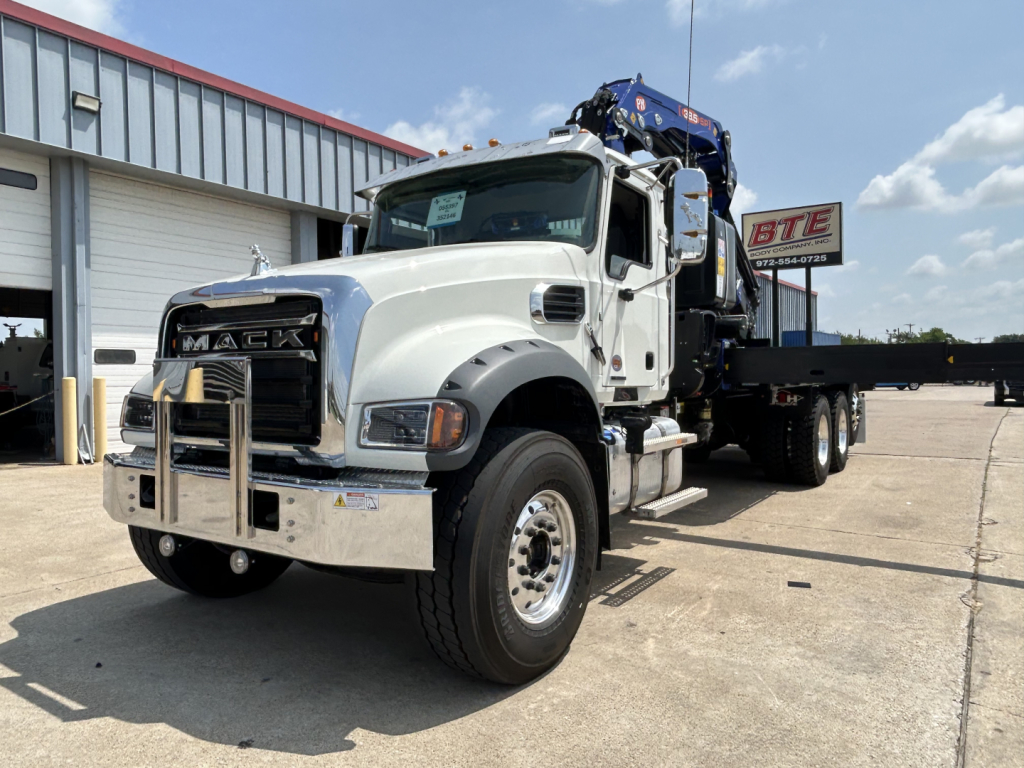

Selling a new 2027 mack crane truck? List your new 2027 mack crane truck for sale and reach thousands of commercial buyers.
New 2027 Mack Crane Trucks in Texas
On a Mack chassis, many buyers focus on how the truck is spec'd for the crane body rather than the badge alone. Key details include GVWR, axle configuration, suspension type, transmission choice, and engine torque matched to stop-and-go work and PTO operation. Crane trucks are commonly equipped with stiff rail frames, vocational suspensions, and body-builder friendly layouts that support service bodies, flatbeds, and mechanics truck bodies. A buyer comparing units should look closely at crane capacity in ton-feet, boom length, hydraulic reach, winch rating, and outrigger spread. Those specs determine real lifting performance on the jobsite far more than advertised maximum capacity alone.
Body configuration changes the truck's value for a specific application. A mechanics truck setup typically adds enclosed compartments, compressor or welder provisions, and crane placement optimized for field service. A crane flatbed, also known as a truck-mounted crane or knuckleboom flatbed depending on the design, is better suited for loading and unloading pipe, bundled material, pallets, and jobsite equipment. In Texas, bridge law, overall length, axle spacing, and local permitting can all affect which configuration makes the most sense, especially if the truck will travel long distances between yards and jobsites. Buyers should also review body deck length, material thickness, tie-down points, headache rack design, and whether the truck has air controls, radio remote controls, or both for crane operation.
New 2027 Mack crane trucks appeal to fleets that want current emissions systems, factory warranty coverage, and upfitter-ready vocational specs. The most practical buying decision comes down to matching lift capacity, deck space, and axle ratings to the heaviest routine work, not the occasional peak job. It also pays to confirm stability components such as subframe design, outrigger geometry, and body balance over the rear axles. A properly spec'd crane truck can replace multiple pieces of equipment on a daily route, but an underspec'd unit will show its limits quickly in reach, payload, and legal roadability.
Frequently Asked Questions about New 2027 Mack Crane Trucks in Texas
What should I look at first when buying a new Mack crane truck?
Start with the chassis and weight ratings before comparing crane brand or boom length. The truck needs enough front axle, rear axle, frame, and wheelbase capacity to support the crane, body, outriggers, and payload together. After that, review PTO compatibility, suspension, transmission, and the actual crane lifting chart. A crane truck that looks strong on paper can still be a poor fit if the body balance, axle loading, or outrigger footprint do not match the work.
What is the difference between a crane truck and a mechanics truck?
A crane truck is a broad category for trucks with an integrated lifting device mounted on the chassis or body. A mechanics truck is a specific vocational configuration that usually combines a service body, storage compartments, and a crane for field repair and parts handling. Many mechanics trucks are crane trucks, but not every crane truck is built as a mechanics truck. Flatbed crane trucks, for example, are typically focused more on loading and material delivery than service work.
How important is crane capacity compared to boom reach?
Both matter, but buyers often overvalue peak capacity and undervalue usable reach. Maximum lift rating is normally measured close to the center of rotation, while real jobsite lifts are often made farther out where capacity drops significantly. Boom length, extension type, and the crane's load chart determine what the truck can safely lift at working radius. For most applications, the correct question is not the crane's top rating, but what it can lift at the distances you actually use.
Why do Texas buyers need to pay close attention to axle spacing and overall spec?
Texas jobs often involve longer travel distances, mixed highway and off-pavement operation, and varying local permit considerations. Axle spacing, wheelbase, GVWR, and body length affect legal weight distribution, maneuverability, and bridge compliance. A crane truck that is ideal for tight urban utility work may not be ideal for oilfield service roads or long runs between jobs. Matching the spec to the operating region helps avoid problems with load balance, turning radius, and road legality.
Are new 2027 Mack crane trucks a good choice for fleet standardization?
They can be, especially for fleets that want current safety systems, warranty support, and a consistent vocational platform for body installation and maintenance planning. Standardizing on one make and similar chassis specs can simplify driver familiarity, parts stocking, service procedures, and upfitter coordination. The key is keeping the crane and body package aligned with the fleet's actual service profile so each truck delivers usable capacity instead of carrying unnecessary weight or cost.