
New 2027 Crane Trucks For Sale
Shop new 2027 crane trucks for lifting, loading, and utility work. Compare chassis, crane capacity, body setup, outriggers, and PTO options.
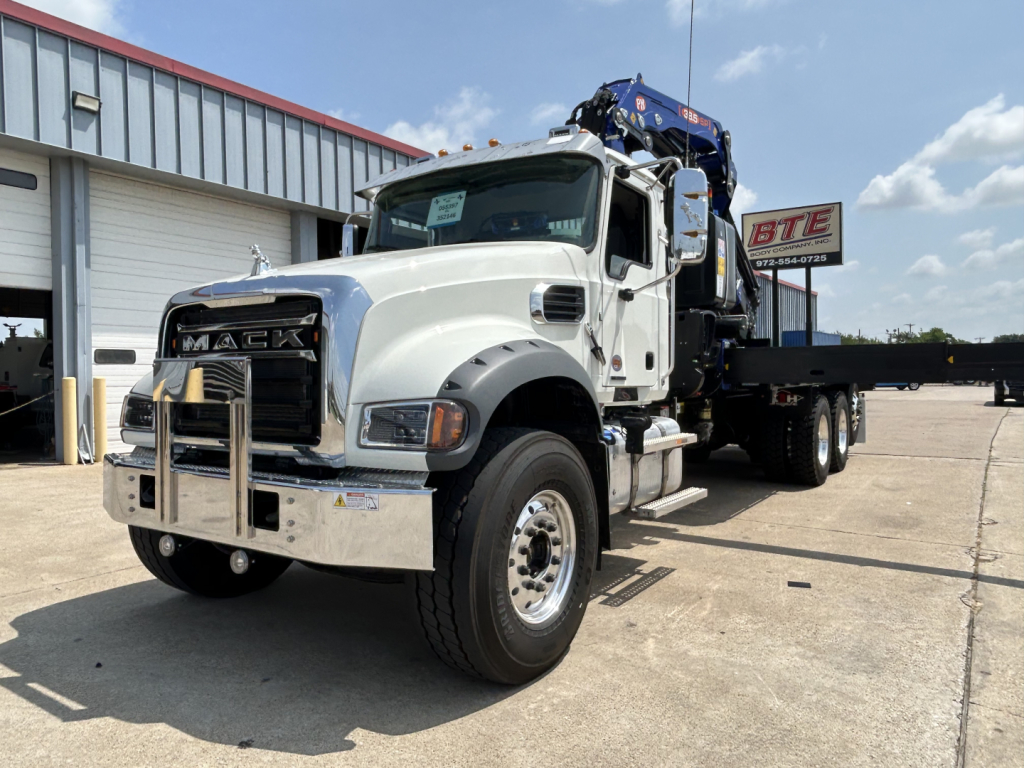
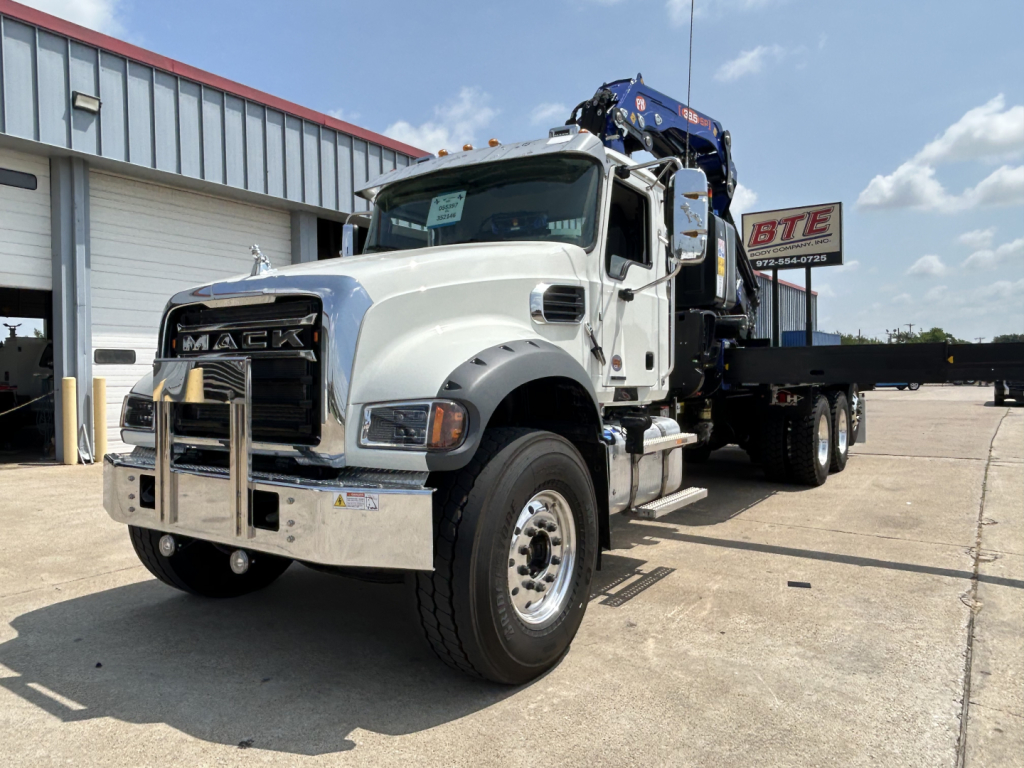
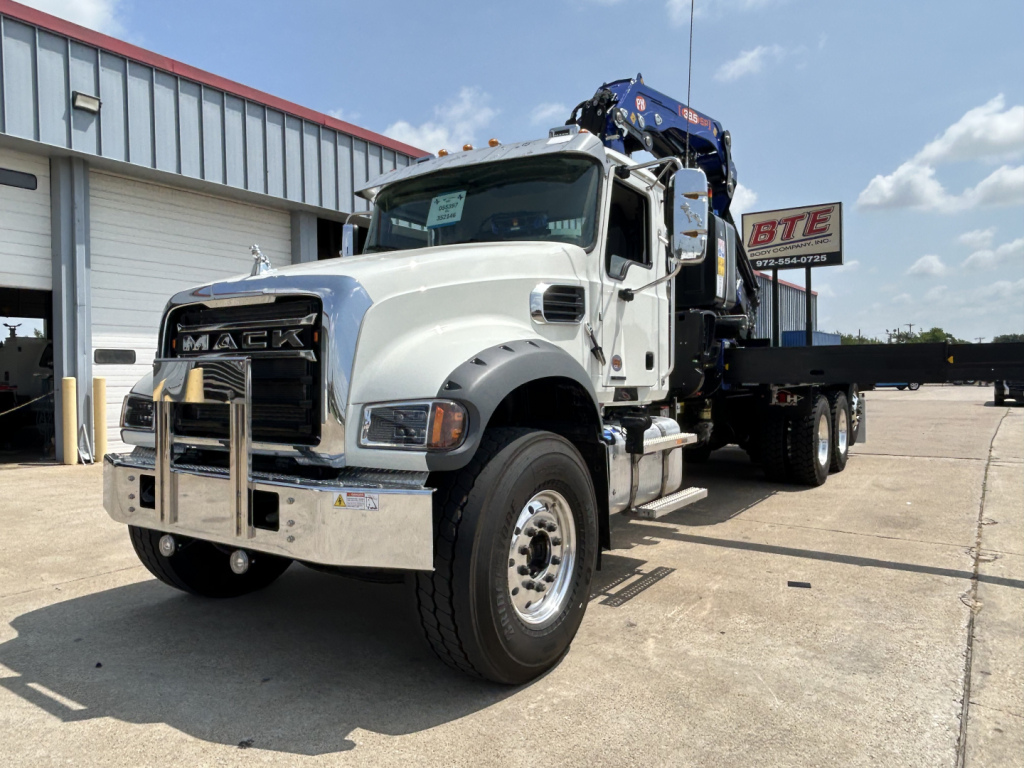
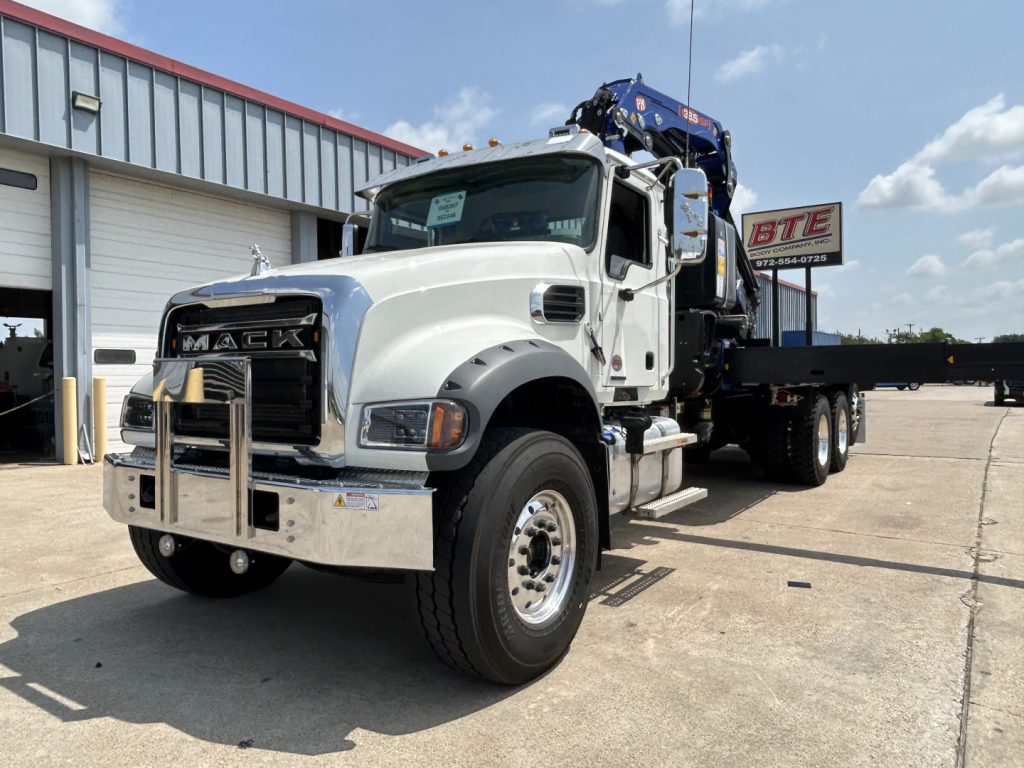
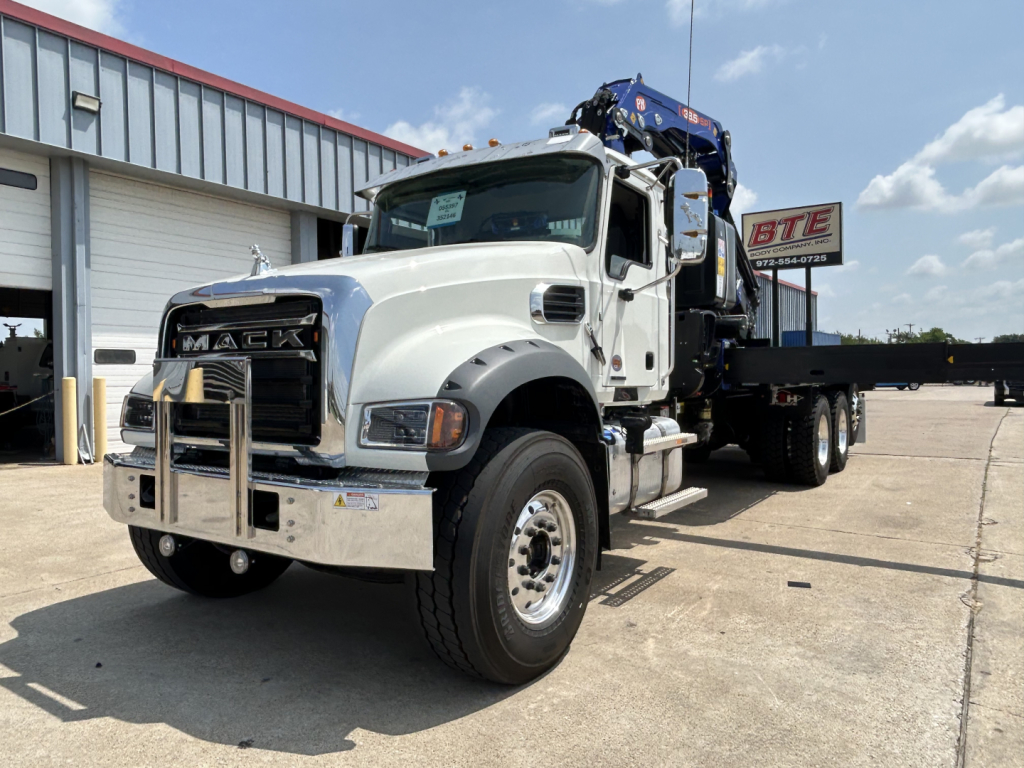
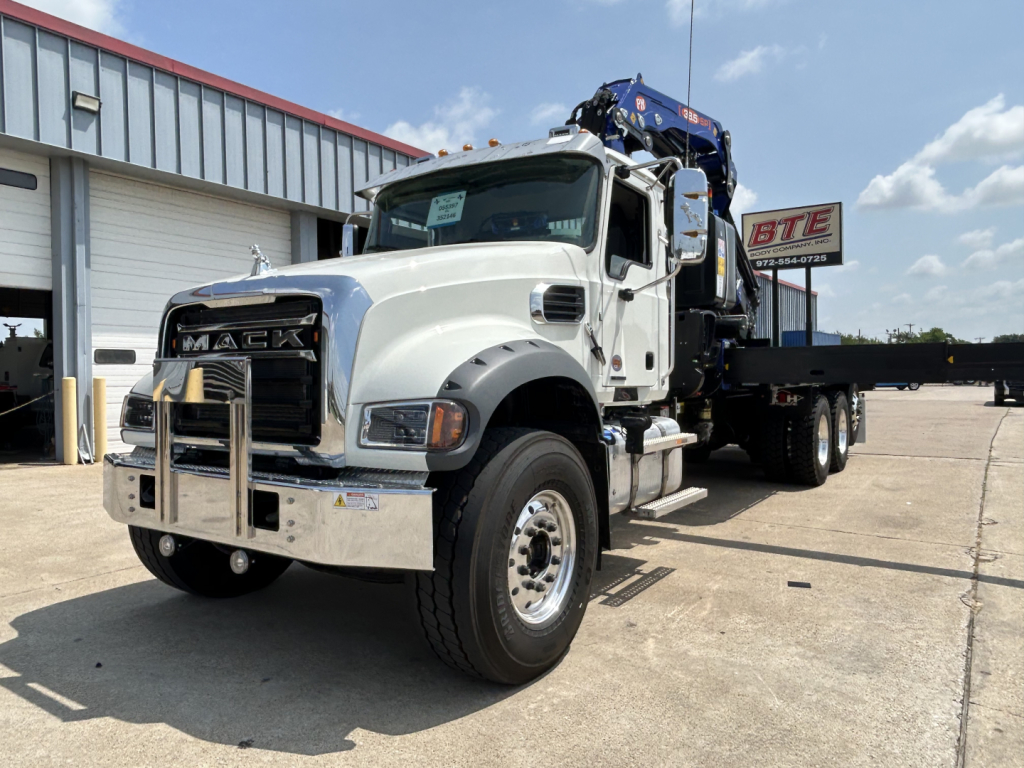
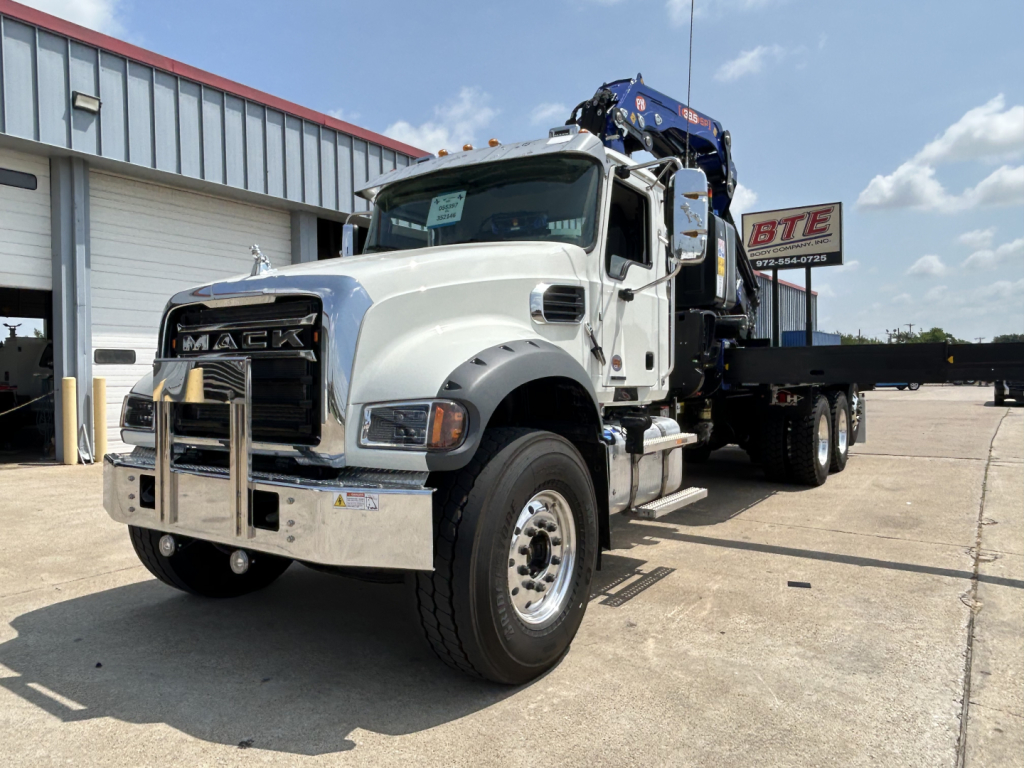
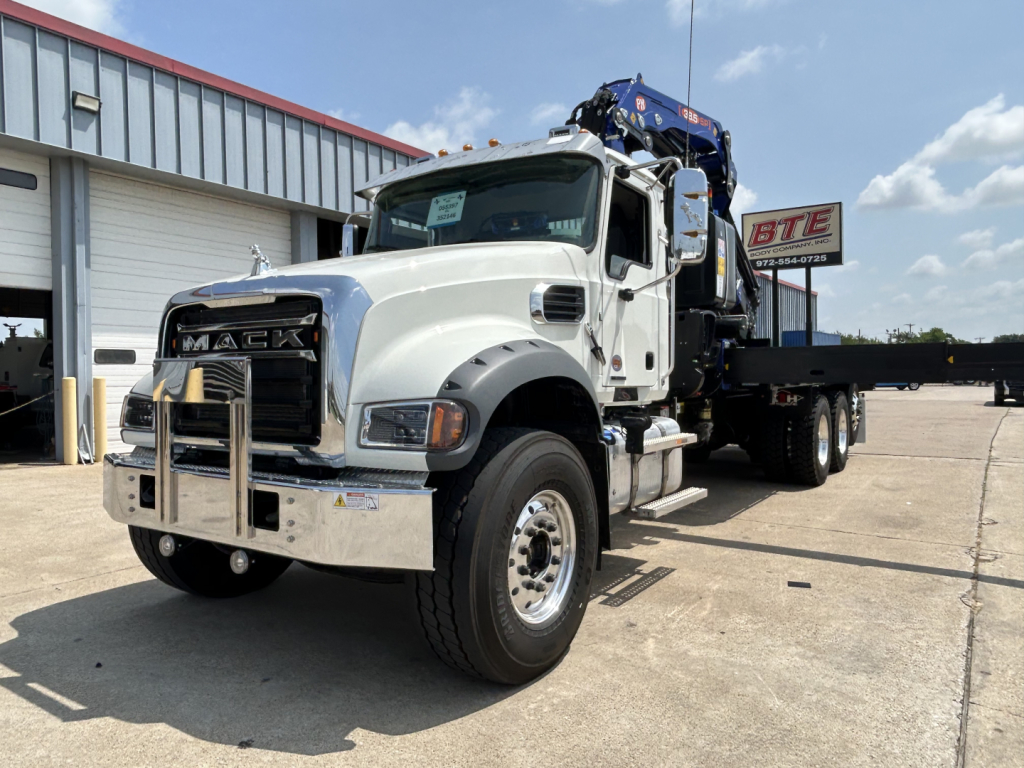
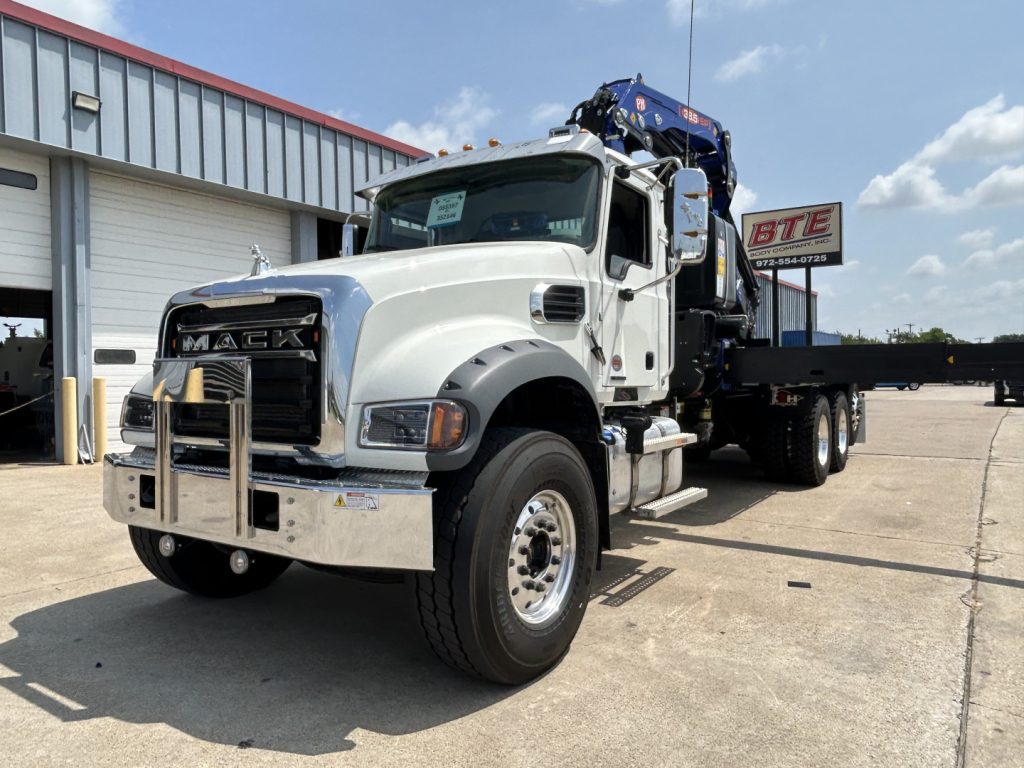
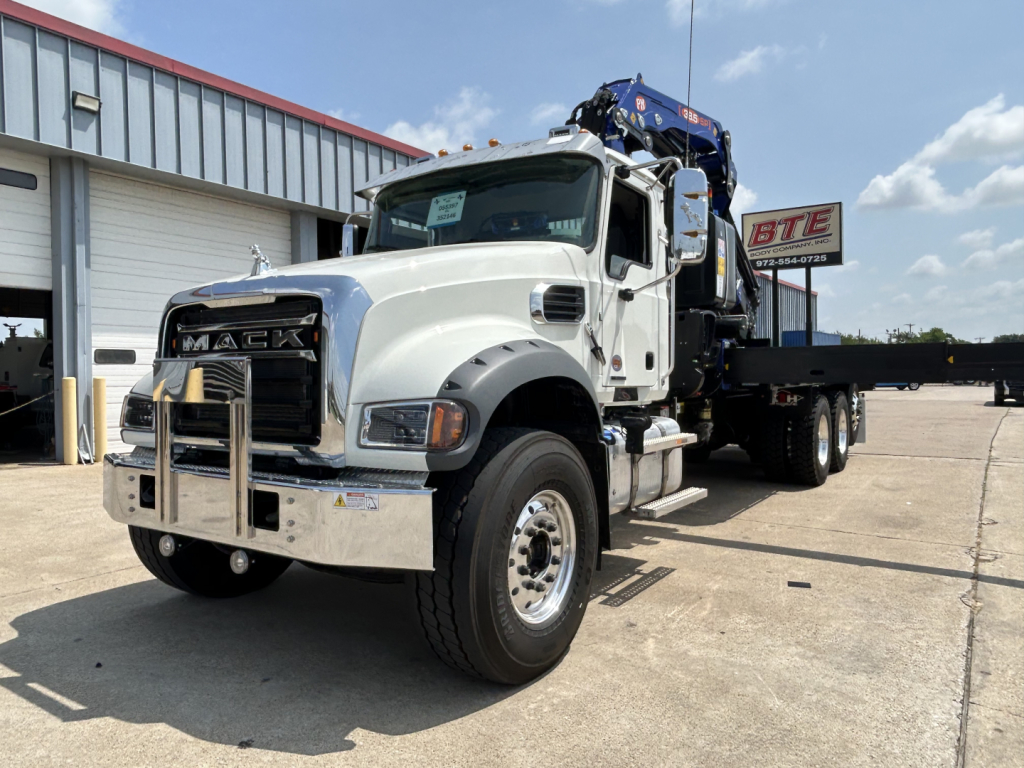

Selling a new 2027 crane truck? List your new 2027 crane truck for sale and reach thousands of commercial buyers.
New 2027 Crane Trucks
The crane itself is where the truck becomes application-specific. Key decisions include lifting capacity, boom length, hydraulic reach, and whether the job calls for a telescopic crane or an articulating knuckleboom. A straight boom truck is common for rooftop HVAC placement, truss delivery, and long-reach picks. A knuckleboom offers compact stowage and excellent load control in tight delivery environments. Pay close attention to load charts, rated capacity at radius, winch line pull, and the strength of the subframe. Outrigger spread and ground bearing requirements matter just as much as headline ton rating, especially on uneven jobsites or urban pavement.
Body layout is another major buying point on new crane trucks. Many are spec'd with flatbeds, platform bodies, stake bodies, or material handling decks with integrated tool storage and dunnage space. Buyers in steel, precast, lumber, and utility service often look for headache racks, chain trays, tie-down points, tarping provisions, and remote crane controls. If the truck will spend time off pavement, look closely at wheelbase, ride height, locking differentials, and tire choice. If it will run regional delivery routes, cab comfort, visibility, automatic or automated manual transmissions, and PTO performance at idle can affect productivity every day.
On a new 2027 model, buyers should also look at emissions package access, body-builder electrical integration, camera systems, and service support for both the chassis and crane manufacturer. The best crane truck spec balances legal roadability with safe lifting performance. It is worth verifying axle weights with the crane mounted, bridge law considerations, and how the truck will be loaded between picks. A well-matched crane truck reduces setup time, handles more jobs with one operator, and delivers better utilization than a general-purpose straight truck with separate lifting equipment.
Frequently Asked Questions about New 2027 Crane Trucks
What is the difference between a crane truck and a boom truck?
The terms are often used interchangeably, but buyers usually use boom truck to describe a truck-mounted telescopic crane and crane truck as the broader category. That broader category can include telescopic boom trucks and articulating knuckleboom trucks. The right choice depends on the type of lift, the space available for setup, and whether the truck is making delivery picks, rooftop placements, or material handling moves throughout the day.
What specs matter most when buying a new crane truck?
The most important specs are crane capacity at working radius, boom length, outrigger spread, front and rear axle ratings, wheelbase, PTO configuration, and body weight. Buyers should also review the mounted load chart, subframe design, suspension, tire ratings, and how the completed truck scales on each axle. A crane truck that looks strong on paper can still be a poor fit if the mounted configuration creates axle weight problems or limits legal payload.
Is a knuckleboom better than a straight boom crane truck?
A knuckleboom is usually better for tight delivery areas, precise load placement, and compact transport position. A straight boom truck is often preferred for longer vertical reach, simpler operation in some applications, and jobs like HVAC placement or truss setting. Neither is universally better. The better option is the one that matches your lift radius, load type, setup space, and frequency of multi-stop deliveries.
How do outriggers affect crane truck performance?
Outriggers are critical to stability and directly affect the crane's usable lifting envelope. Wider spread generally improves stability and can increase practical lifting performance within the load chart, but it also requires more setup room. Buyers should consider outrigger type, extension width, ground bearing pressure, and whether the truck will routinely set up on pavement, gravel, or unfinished jobsites. Good crane performance depends as much on stable setup as on rated crane capacity.
Can a crane truck still be used as a delivery truck?
Yes. Many crane trucks are designed specifically to deliver and unload their own cargo, which is why they are common in building materials, utility supply, equipment transport, and specialty contracting. The tradeoff is that the crane, subframe, and reinforcement add weight, which reduces available payload compared with a plain flatbed. The truck should be spec'd around the typical product being hauled so it remains productive both as a carrier and as a lifting unit.